Quick answer
Choose probiotic fruit bars by checking three things in order: a named live culture with a CFU count, a storage format that matches your routine, and a fruit-first ingredient list. If a bar has no culture listed or no CFU number, treat it as a fruit snack, not a probiotic one. Shelf-stable bars are the easiest to keep consistent, but they only help if you actually eat them daily.
Why the label order matters more than the front of the box
Probiotic fruit bars sit at the intersection of two categories, and the front of the package often promotes whichever angle sells better. Flip to the ingredients and look for a specific culture name, such as Lactobacillus or Bifidobacterium, followed by a CFU count. CFU stands for colony-forming units, and it tells you how much live culture was added at the time of manufacture. Without that number, you cannot compare one bar to another.
Then check where the culture appears in the ingredient list. If it is last, the bar contains very little of it. If fruit is first, the bar is primarily a fruit snack with a probiotic add-on. Both can be useful, but they serve different purposes. For a daily routine, a fruit-first bar with a modest culture count is often easier to keep up with than a highly concentrated bar you only eat occasionally.
Match the storage format to your actual routine
Shelf-stable probiotic snacks are the most practical for most people because they can live in a desk drawer, a lunchbox, or a gym bag without a cooler. Refrigerated probiotic bars may carry higher live counts, but they require planning. The best format is the one you will reliably eat at the same time each day.
If you are building a routine for a child, shelf-stable matters even more because lunchboxes sit at room temperature for hours. A bar that needs refrigeration is a poor fit for that use case, no matter how good the culture count looks on paper.
Build the routine before you buy in bulk
A daily probiotic snack routine works best when it is attached to an existing habit, such as breakfast or the afternoon slump. Pick one time slot, eat the bar there for a week, and see whether it fits your digestion and your schedule. Only then should you buy a larger pack.
If you want a fruit-first option to anchor that routine, the Minis Variety Pack gives you five flavors in one bag, which makes it easy to test which ones you actually reach for. Pairing it with a granola snack can also help if you want more protein and fiber in the same sitting.
Your step-by-step probiotic bar routine
- Step 1: Read the culture name and CFU count: Look for a specific culture genus and a CFU number on the label. If either is missing, the bar is a fruit snack, not a probiotic snack. Checkpoint: no culture name and no CFU number means no probiotic claim you can verify.
- Step 2: Check the storage instructions against your day: Shelf-stable bars fit lunchboxes, desks, and travel. Refrigerated bars need a cold chain you can maintain. Pick the format that matches where you will actually eat it. Common mistake: buying refrigerated bars for a lunchbox that sits warm for hours.
- Step 3: Confirm the fruit is the first ingredient: Fruit-first means the bar is built on real fruit rather than syrups or fillers. That matters if you want the snack to count toward your daily fruit intake, not just your probiotic intake. Checkpoint: if fruit is not first, treat the bar as a supplement, not a snack.
- Step 4: Anchor it to one daily habit: Attach the bar to breakfast, lunch, or an afternoon break. Same time, same place, for at least a week before you judge whether it works for you. Common mistake: eating probiotic bars randomly and expecting a routine benefit.
- Step 5: Start with a small pack, then scale: Buy a small quantity or a variety pack first. Once you know which flavor and format you finish, buy the larger size. Checkpoint: if you have not finished the first pack in two weeks, do not size up.
Fruit-first options that fit a daily routine
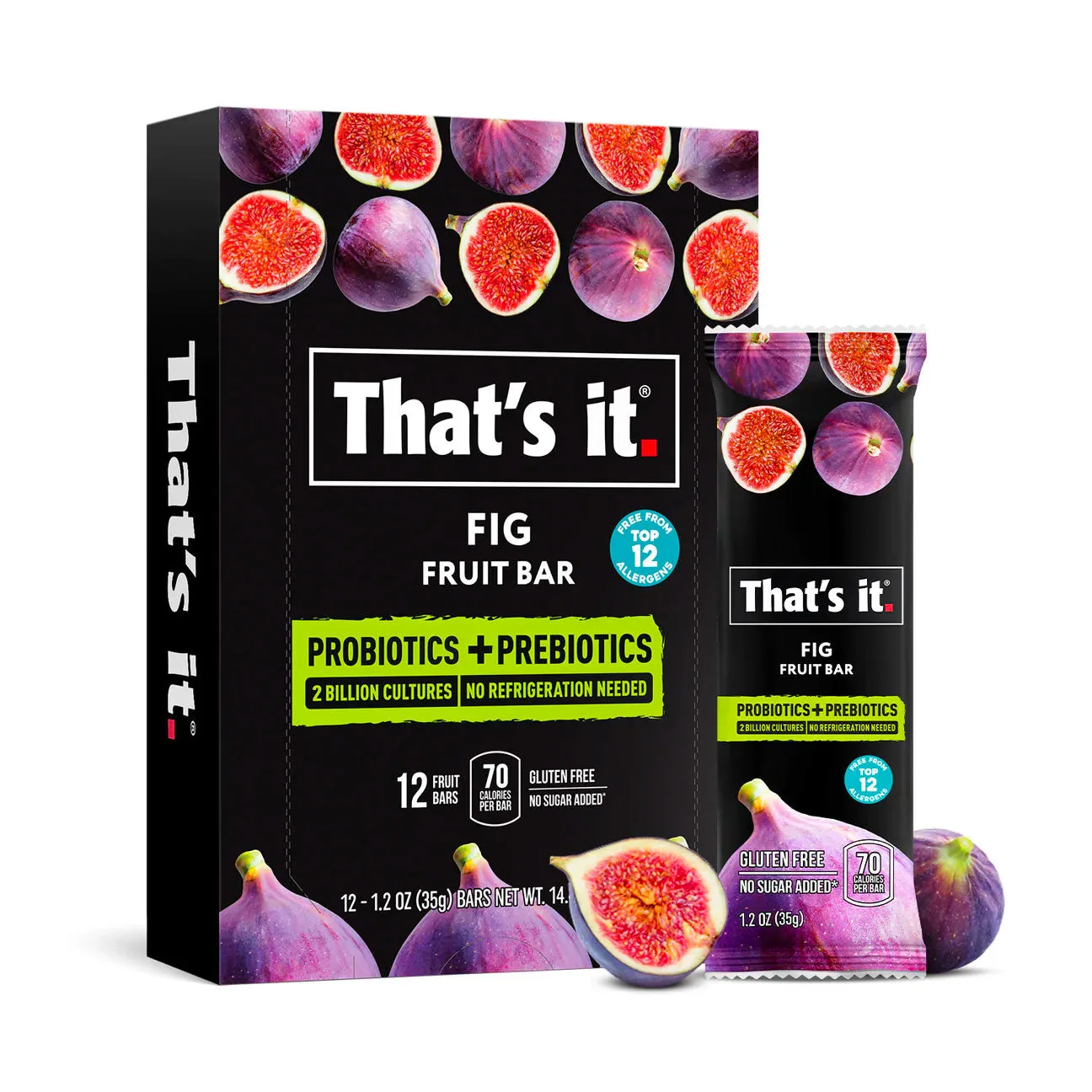
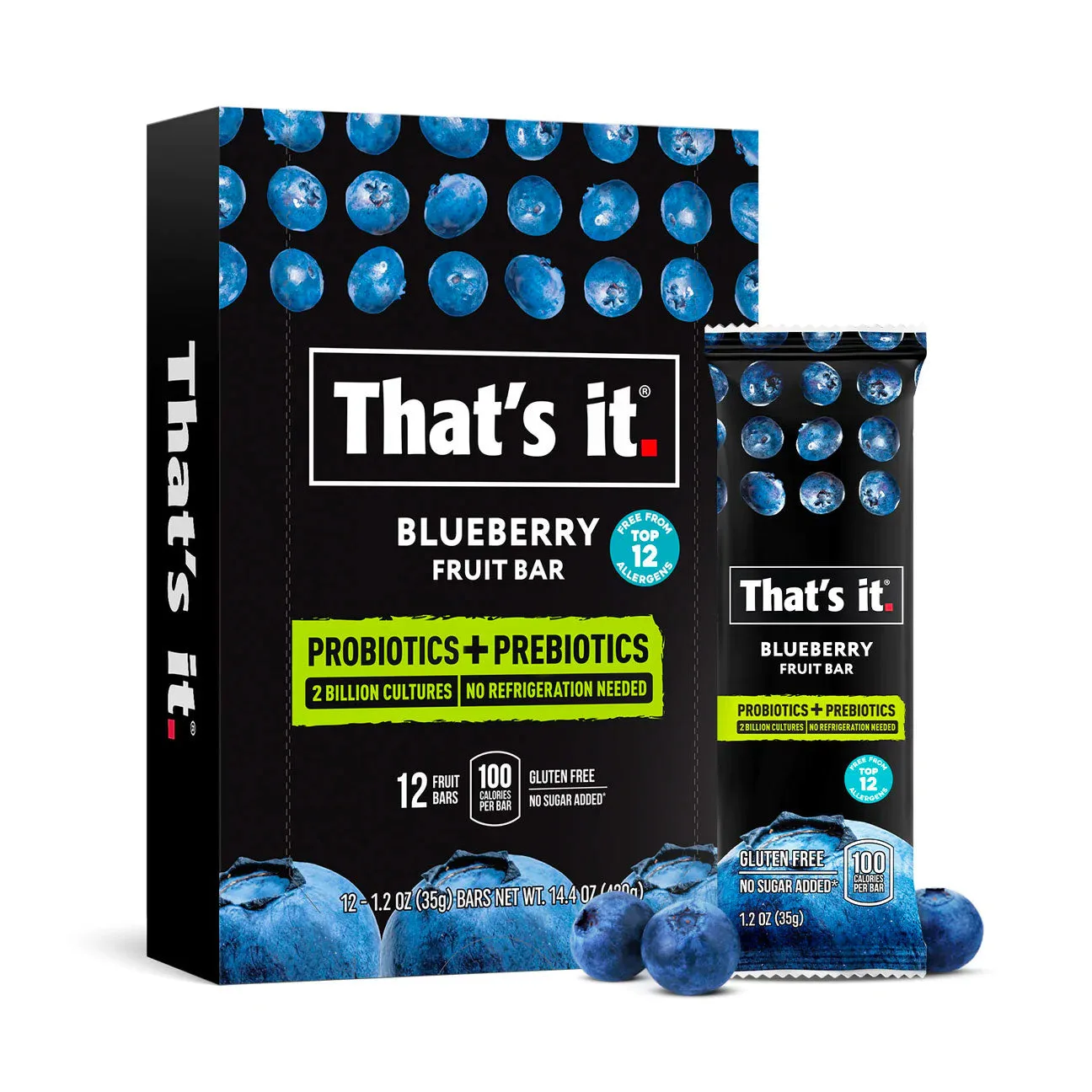
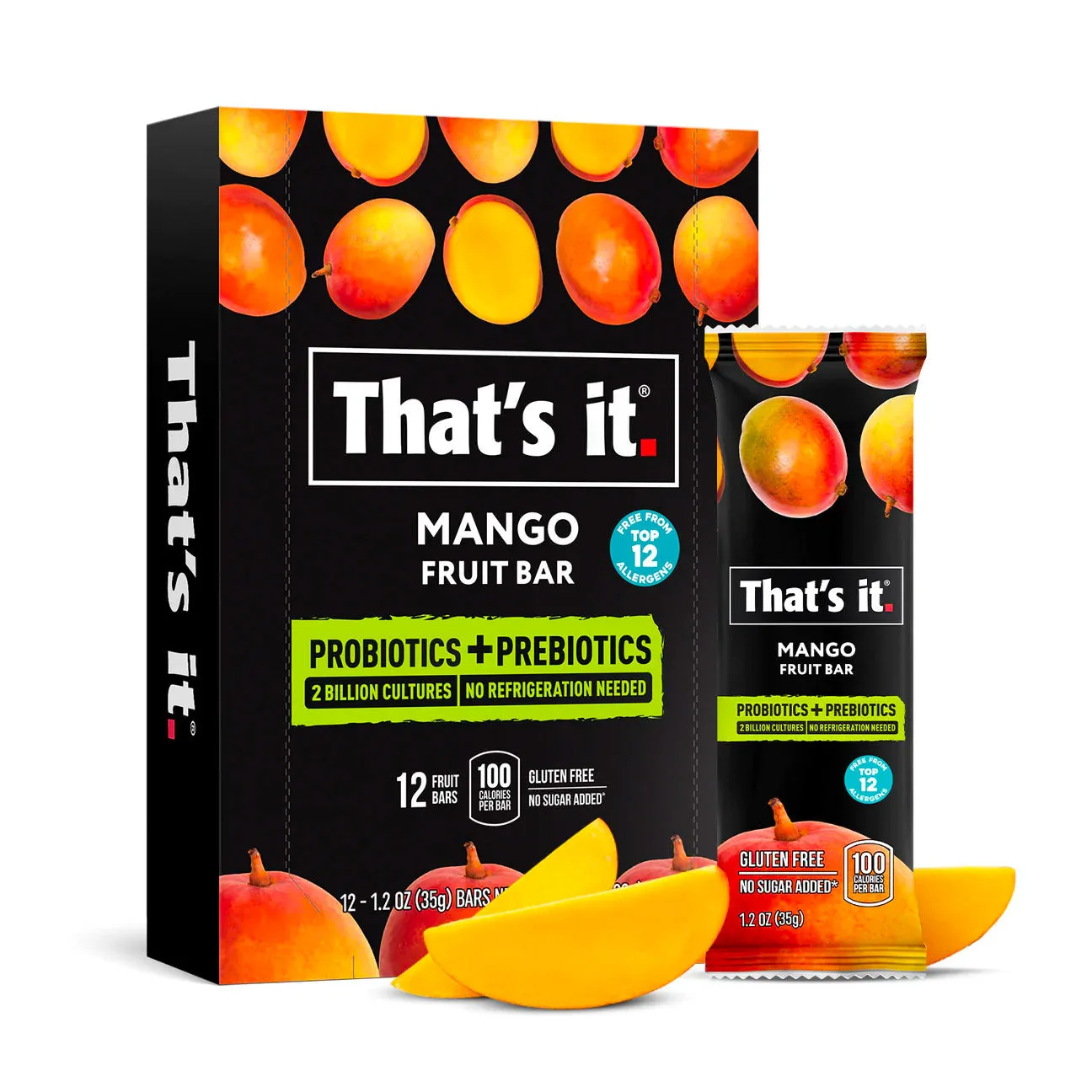
- Minis Variety Pack - Blueberry, Cherry, Fig, Mango & Strawberry (35 Bars): This 35-count variety pack contains 7 bars each of Apple + Blueberry, Apple + Cherry, Apple + Fig, Apple + Mango, and Apple + Strawberry, made with fruit plus fruit and no added cultures. It is a practical fruit-first base for a daily snack routine, and the flavor variety helps you find the one you will actually eat consistently.
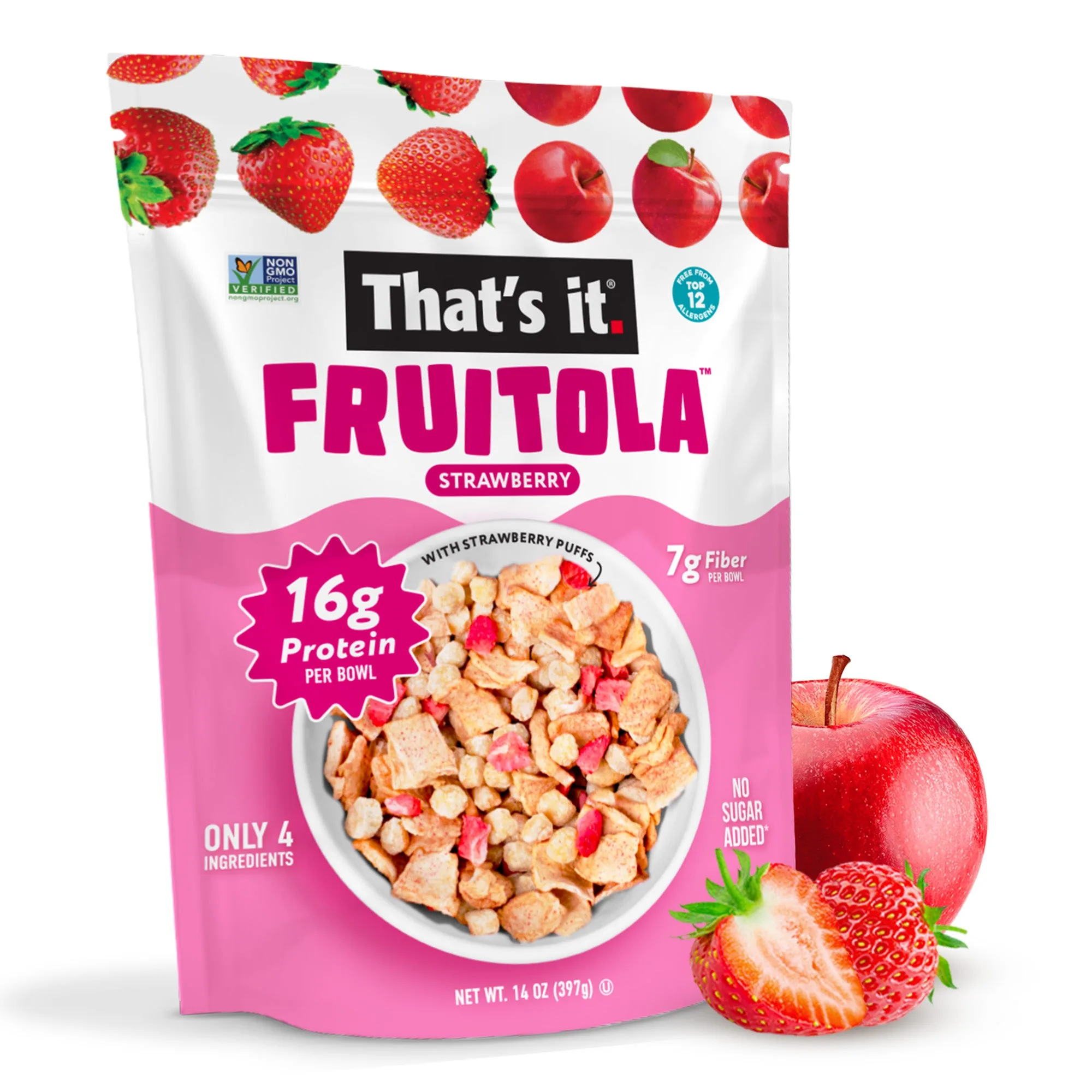
- Blueberry Fruitola Fruit Granola - Snack Size (4 Packs) - 1.9oz: Blueberry Fruitola Fruit Granola is made with four ingredients, including real apples and crunchy blueberry puffs, and each single-serve pouch has 12g plant-based protein plus 5g fiber from fruit. If your gut-friendly snack needs to be more filling, this adds protein and fiber to the same routine without requiring refrigeration.
- Cinnamon Fruitola Fruit Granola - Snack Size (4 Packs) - 1.9oz: Cinnamon Fruitola Fruit Granola uses four ingredients, including real cinnamon and crunchy apple puffs, with 12g plant-based protein and 5g fiber from fruit per pouch. A second granola flavor keeps the routine from getting boring, which is often the real reason daily snack habits fail.