If you have sensitive skin, finding a sunscreen that doesn't cause redness, stinging, or breakouts can feel like a never-ending quest. Many sunscreens contain chemical filters or fragrances that trigger reactions, leaving you torn between sun protection and skin comfort. The good news: with the right knowledge and ingredients, you can find a protector solar that shields your skin without irritation.
This buying guide walks you through what to look for in a sunscreen for sensitive skin, why mineral (physical) filters are often the safest bet, and how to layer sun protection into your routine. We'll also highlight some professional-grade options that respect reactive skin, so you can head outdoors with confidence.
Why Sensitive Skin Needs a Different Sunscreen
Sensitive skin has a compromised skin barrier, which means it absorbs ingredients more readily and is more prone to inflammation. Chemical UV filters like oxybenzone and avobenzone penetrate the skin and can cause allergic reactions, redness, or a burning sensation. Physical (mineral) filters—zinc oxide and titanium dioxide—sit on top of the skin and reflect UV rays, making them far less likely to irritate.
Additionally, many sunscreens contain alcohol, fragrance, or essential oils that can strip or sensitize the skin further. When choosing a protector solar for sensitive skin, prioritize products labeled 'fragrance-free,' 'hypoallergenic,' and 'non-comedogenic.' Also consider the formulation: creams and sticks tend to be more soothing than gels, which often contain alcohol.
- Look for mineral filters (zinc oxide, titanium dioxide) as the primary active ingredients.
- Avoid alcohol, synthetic fragrance, and essential oils.
- Choose a product with added soothing ingredients like aloe, chamomile, or allantoin.
Key Ingredients to Look For and Avoid
When scanning the ingredient list, focus on the UV filters. For sensitive skin, mineral sunscreens are the gold standard. Zinc oxide is especially gentle and provides broad-spectrum protection. Titanium dioxide is also well-tolerated, though it may not cover the full UVA spectrum as effectively as zinc. Some newer formulations use micro-fine particles to avoid a white cast, but make sure they are non-nano to minimize absorption.
In addition to filters, look for antioxidants and barrier-repairing ingredients. Niacinamide, vitamin E, and panthenol can calm the skin and reduce oxidative stress. Hyaluronic acid and ceramides help maintain hydration, which is crucial for reactive skin. Avoid oxybenzone, octinoxate, and homosalate, as well as any botanical extracts that are known allergens, such as citrus oils.
- Zinc oxide is the most gentle and effective filter for sensitive skin.
- Niacinamide and ceramides support the skin barrier while protecting.
- Steer clear of oxybenzone and octinoxate, common irritants.
How to Test a New Sunscreen on Sensitive Skin
Even with the right ingredients, your skin may react to a new product. Always patch test first: apply a small amount to a discreet area like the inside of your wrist or behind your ear, and wait 24 hours. If no redness, itching, or burning occurs, it's likely safe to use on your face.
When you do start using a new sunscreen, introduce it slowly. Begin by applying it once a day, then increase to twice daily if tolerated. Pay attention to how your skin feels throughout the day—a good sunscreen should not cause any discomfort. If you experience breakouts, consider a non-comedogenic formula, and if you notice dryness, look for a moisturizing base.
- Patch test on a small area for 24 hours before full application.
- Apply a thin layer and reapply every two hours when outdoors.
- If irritation occurs, wash off immediately and try a different formulation.
Top Picks for Sensitive Skin in 2026
Toskani offers several sunscreens that cater to sensitive skin. The Sun Shiel-D stick SPF50+ is a mineral-based stick that glides on smoothly and is perfect for on-the-go reapplication. Its compact format means you can easily apply it without touching your face, minimizing the risk of contamination. This stick is ideal for those who want a high SPF without a greasy feel.
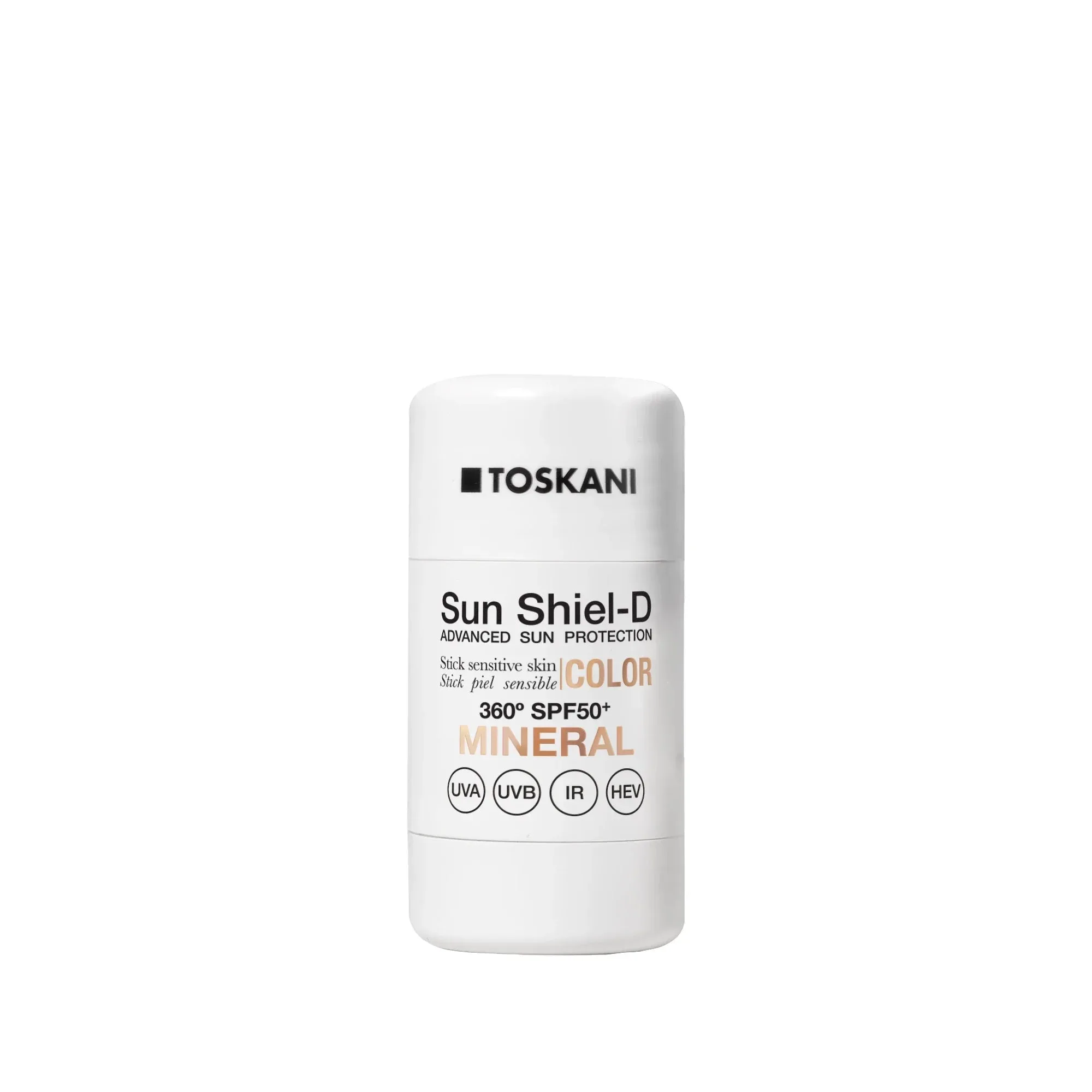
Sun Shiel-D stick SPF50+
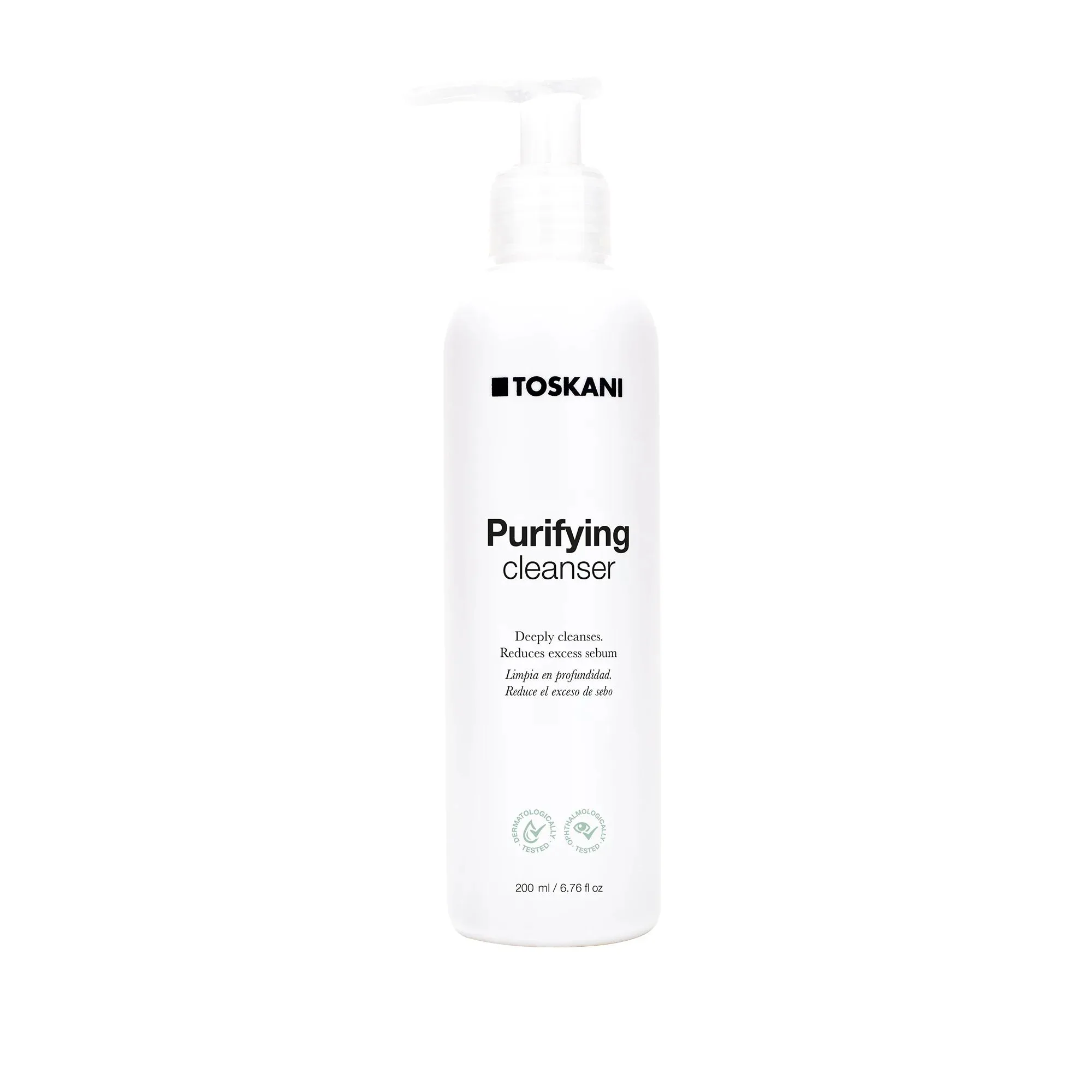
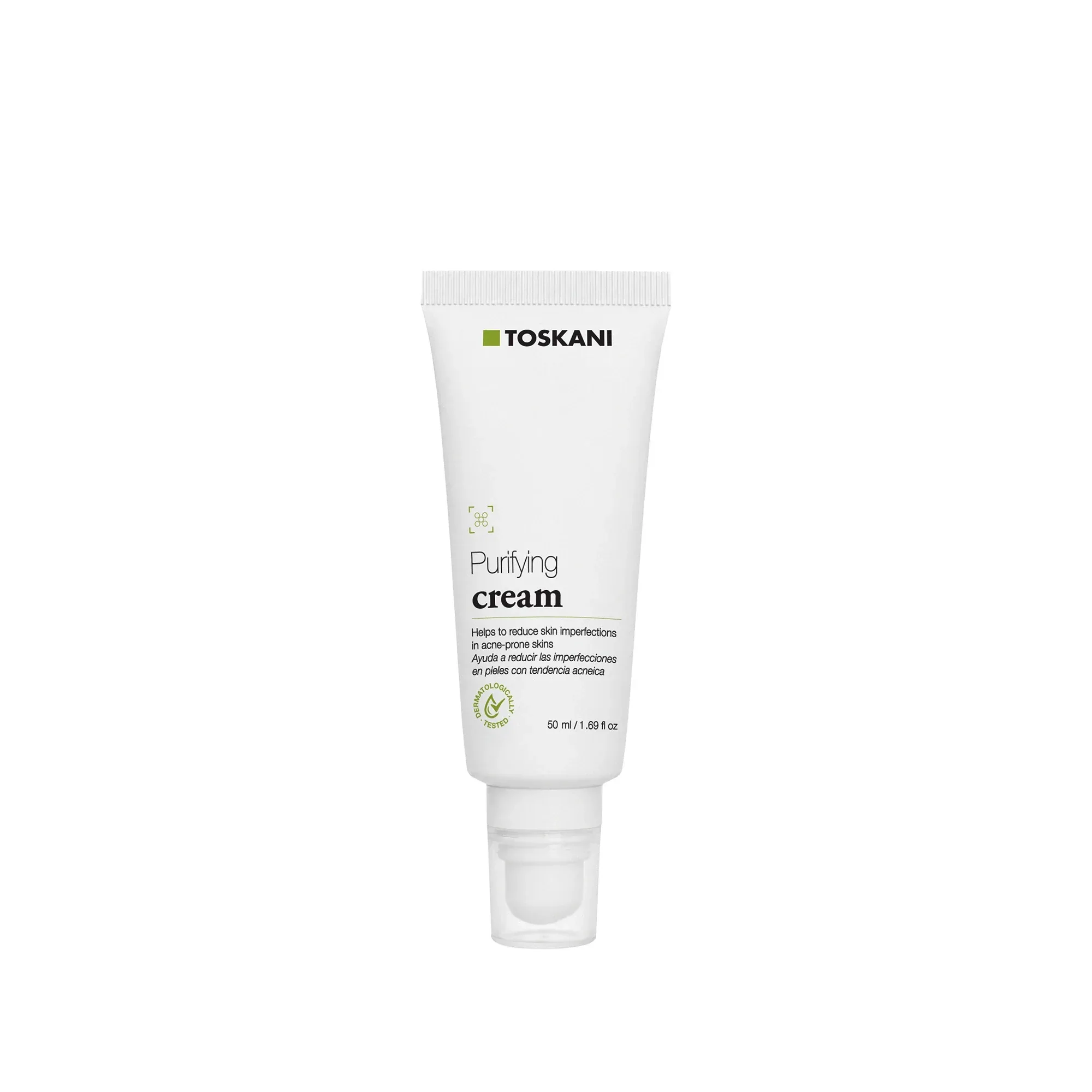
Another excellent option is the Purifying cream, which combines sun protection with a purifying, non-irritating formula. While not a dedicated sunscreen, it provides a lightweight base that can be layered under your SPF. For a complete routine, consider pairing a gentle cleanser like Purifying Cleanser with your sunscreen to ensure your skin is clean and calm before application.
- Sun Shiel-D stick SPF50+ offers high protection in a convenient stick format.
- Purifying cream can be used as a soothing base before sunscreen.
- Pair with a gentle cleanser like Purifying Cleanser to avoid buildup.
How to Layer Sunscreen with Other Skincare Products
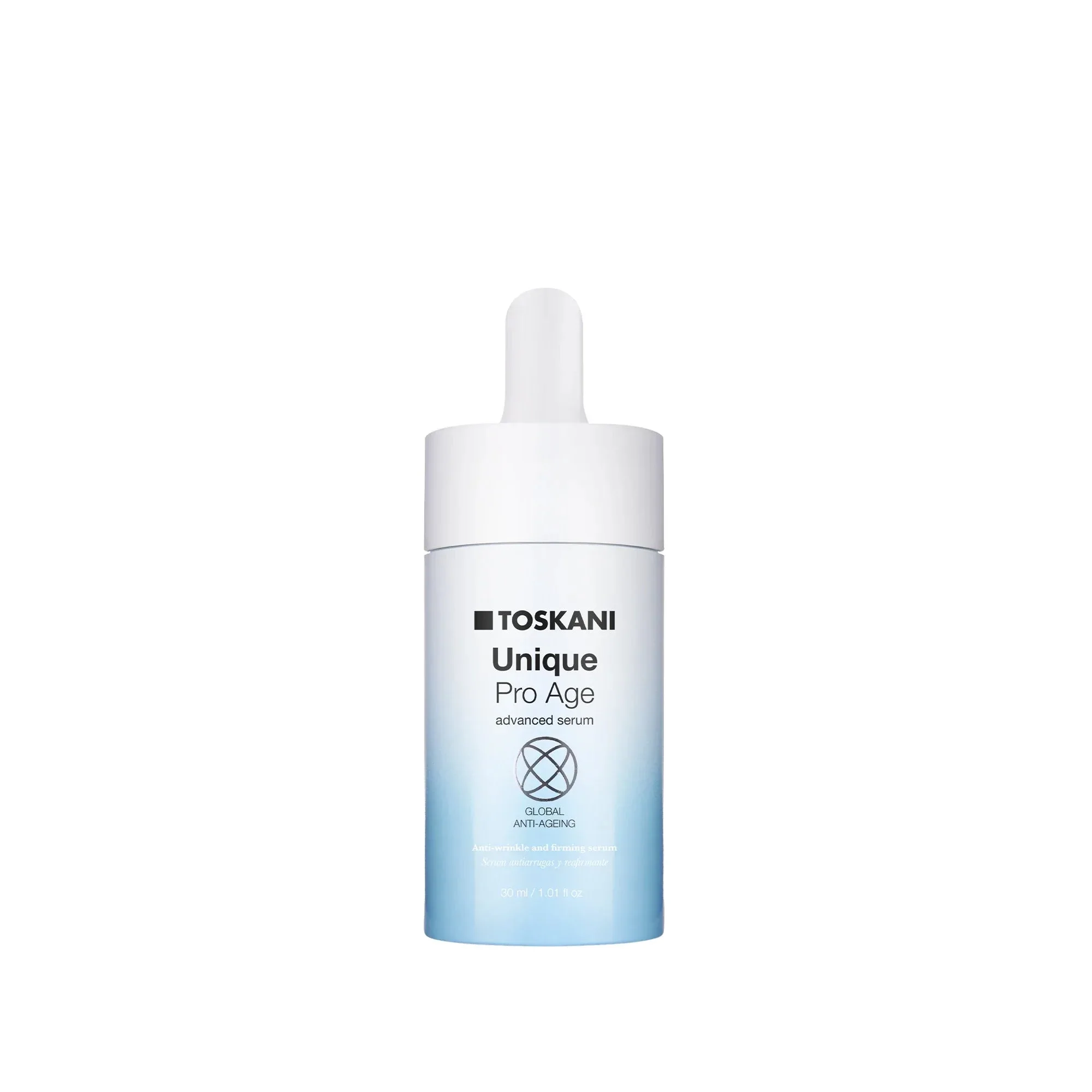
To get the most from your sunscreen, apply it as the last step of your morning skincare routine, after moisturizer and before makeup. If you use a serum, such as the Unique Pro Age advanced serum, wait a few minutes for it to absorb before applying sunscreen. This ensures the active ingredients penetrate without interference.
For sensitive skin, it's also wise to avoid layering too many active ingredients. If you use a chemical exfoliant or retinol at night, your skin may be more sensitive during the day, making a gentle mineral sunscreen even more important. Always give your skin a break if you notice any signs of over-exfoliation.
- Apply sunscreen last in your morning routine, after serums and moisturizers.
- Wait 2-3 minutes between layers to allow absorption.
- If using active treatments, opt for a higher SPF and reapply more often.
Choosing a protector solar for sensitive skin doesn't have to be a trial-and-error process. By focusing on mineral filters, soothing ingredients, and a fragrance-free formula, you can find a sunscreen that protects without irritation. Start with the Sun Shiel-D stick SPF50+ for a convenient, gentle option, and pair it with a calming cleanser like Purifying Cleanser to keep your skin happy all day long.