Quick Answer
Match the book's project complexity to your experience: beginners should choose books that teach a specific technique from scratch, while intermediate and advanced quilters can look for more varied projects or design challenges.
Why Skill Level Matters More Than Pattern Count
A quilting book with many patterns can still be frustrating if the instructions assume knowledge you don't have yet. Conversely, a book aimed at beginners might feel too slow if you already know the basics. The key is to look at how the book teaches, not just what it promises to make.
Trade-offs: Speed vs. Learning Curve
Some books are designed to help you finish a project quickly, using pre-cuts or simple strip piecing. Others focus on storytelling or complex block construction, which may take longer but offer a deeper creative experience. Decide whether you want a quick win or a longer, more involved project.
Decision Rules for Choosing a Quilting Book
- First-Time Quilter: Choose a book that teaches a specific method from the ground up, like the QAYG method in Learn To Quilt As You Go. Look for terms like 'beginner's guide' and patterns that start with small projects. Check that the book includes detailed instructions for the very first steps, like layering and quilting.
- Weekend Quilter: Look for books with patterns that use pre-cuts or simple strips, like Stripology Quickies, so you can finish a project in a day or two. Avoid books with complex piecing if you have limited time. Scan the pattern list for size options—crib to king—to ensure you can adapt the project to your needs.
- Story-Driven Quilter: If you enjoy quilts with meaning, choose books that include backstories or themes, such as Once Upon a Strip or Christmas in Europe. These add emotional value and often include bonus projects. Consider whether you want a book that also offers recipes or cultural context, which can make it a coffee-table favorite.
- Advanced Quilter: Look for books that offer design challenges or multiple size options to push your skills. Books like Stripology Quickies may be too simple if you're looking for complex block construction—seek out titles that emphasize intricate piecing or original designs. Check the book's description for terms like 'advanced techniques' or 'design your own' to ensure it will stretch your abilities.
Quilting Books to Consider
-
Learn To Quilt As You Go Book: Learn To Quilt As You Go Book is a complete beginner's guide teaching the QAYG method, with 14 patterns from placemats to bed runners. If you're new to quilting, this book walks you through layering and quilting as you go, so you can finish your first projects without needing a long-arm or prior experience.
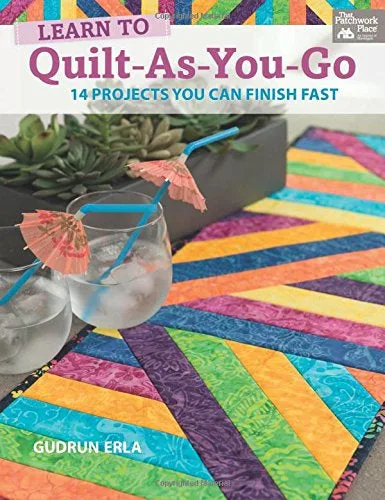
Learn To Quilt As You Go Book
-
Stripology Quickies Book- 518: Stripology Quickies Book includes 17 quilt patterns that use half-yard cuts or fat quarters, with sizes from crib to king. For quilters who want fast results, these patterns are designed to sew up quickly while still offering size options, making it a good pick for weekend projects.
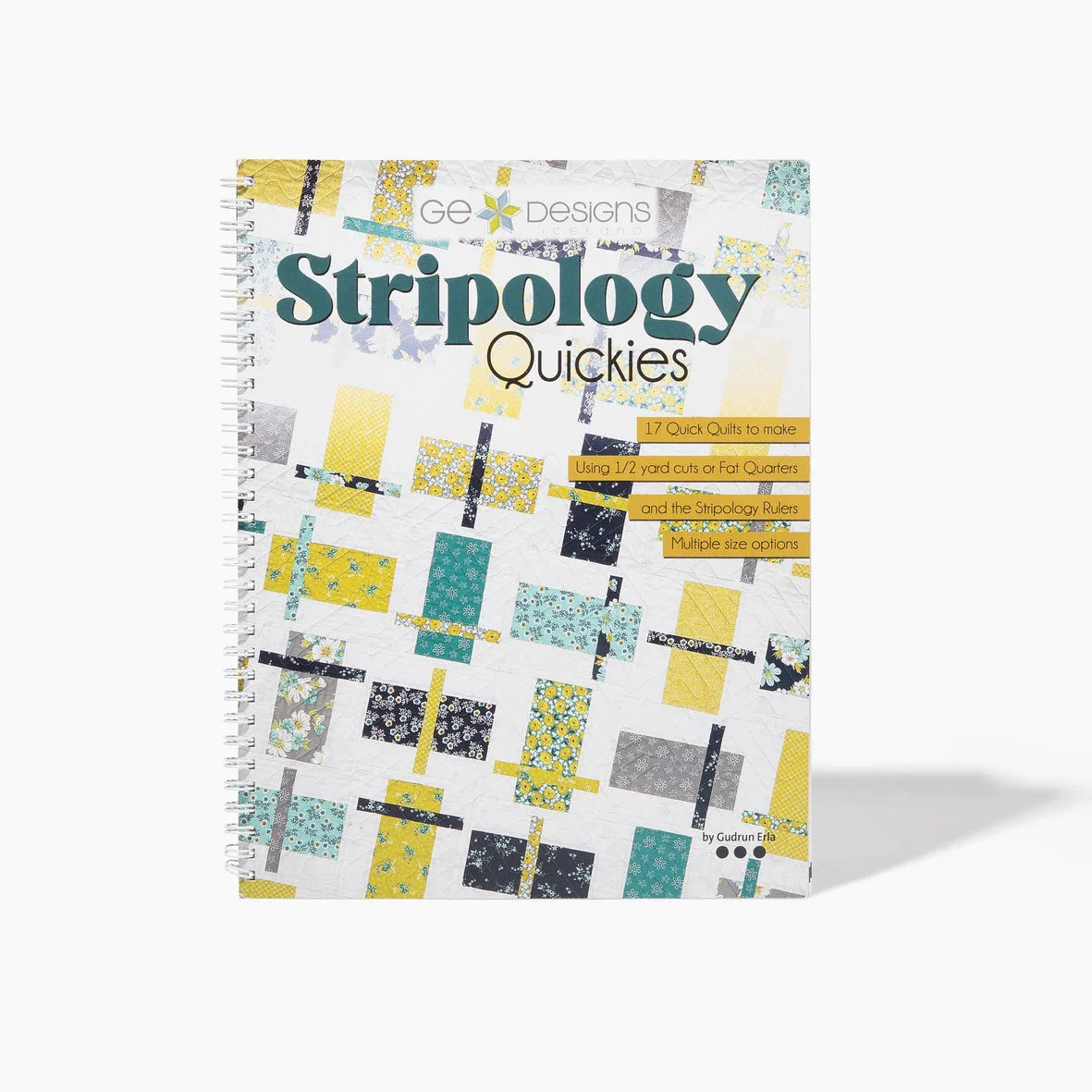
Stripology Quickies Book- 518
-
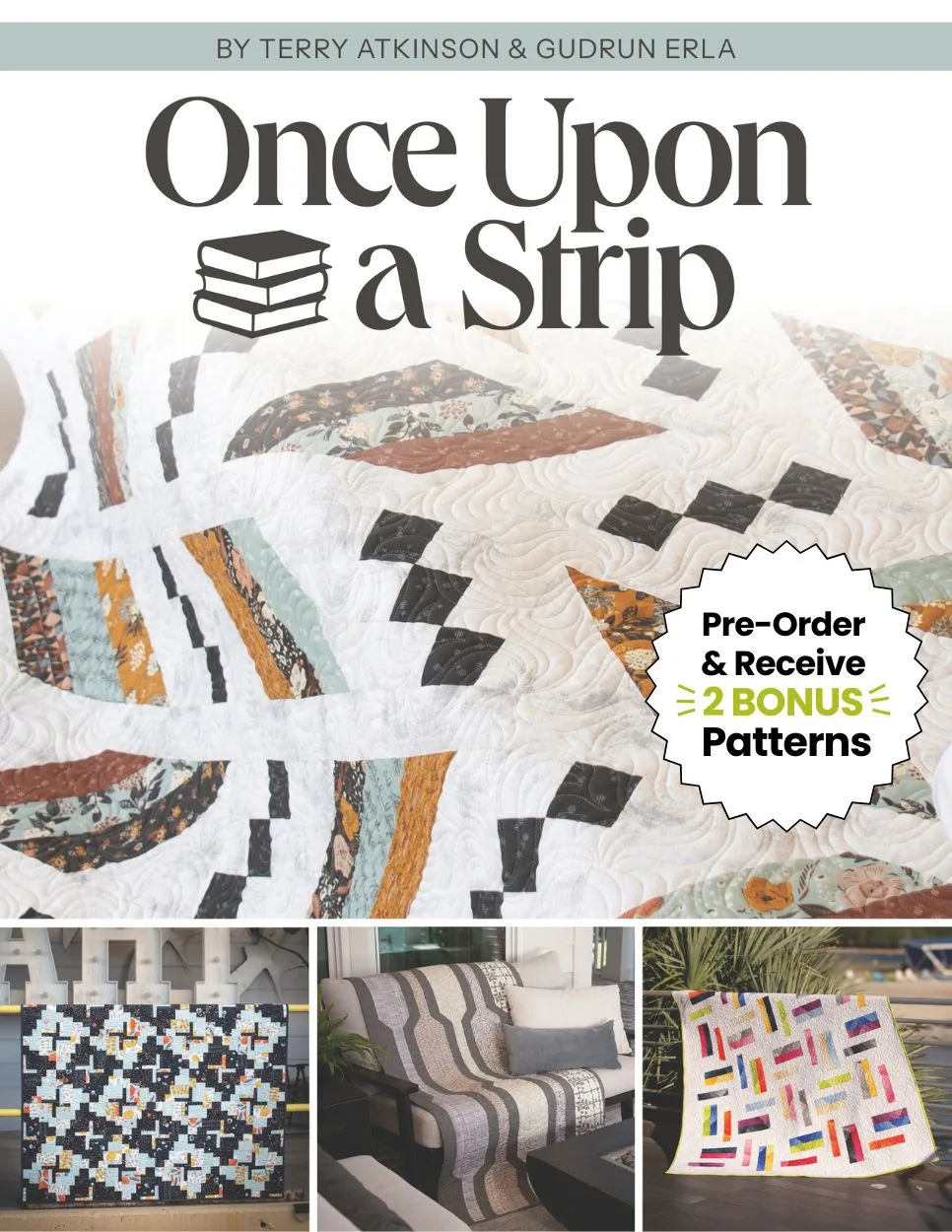
Once Upon a Strip Book GE-521 by Gudrun Erla and Terry Atkinson-Preorder: Once Upon a Strip Book features 16 projects using 2½" strips and is fat quarter friendly, inspired by children's book characters. If you enjoy storytelling and have some strip-piecing experience, this book offers a range of projects that carry sentimental value and can be made in multiple sizes.
-
Christmas in Europe Book: Christmas in Europe Book contains 13 quilt blocks and 4 bonus projects, each inspired by European holiday customs, plus traditional recipes. For quilters who love cultural themes and want a keepsake project, this book combines quilting with storytelling, making it a unique addition to your collection.
Who Each Book Fits Best
Best For
- Beginners who want to learn a method from scratch
- Quilters with limited time who want quick, satisfying projects
- Those who enjoy storytelling and cultural themes in their quilting
Not For
- Advanced quilters seeking complex, intricate patterns
- Quilters who prefer to design their own blocks without following a specific method