Quick Answer
Choose a replacement crate tray that matches your crate's interior dimensions, is made of durable, easy-to-clean material, and fits snugly to prevent shifting. For wire crates, a heavy-duty plastic tray is often the best balance of durability and affordability.
Why Size Matters: Measuring Your Crate
The most critical factor is the tray's dimensions. A tray that is too small leaves gaps where messes can escape, while one that is too large won't fit inside the crate. Always measure the interior floor of your wire crate, not the exterior, and compare with the tray's dimensions.
If you have a stackable wire crate, ensure the tray fits within the same footprint as the crate itself, as stacking requires a flush fit. Many replacement trays are designed to be universal, but double-checking measurements is essential.
Material Matters: Plastic vs. Other Options
Plastic trays are the most common choice for wire crates because they are lightweight, easy to clean, and resist rust and corrosion. Heavy-duty ABS plastic, like that used in the K9pro replacement tray, offers extra durability and a raised lip to contain spills.
Metal trays can be more durable but may rust over time and can be noisy. They are also heavier, which can be a downside if you move the crate frequently. For most owners, a high-quality plastic tray is the practical choice.
Fit and Function: Ensuring a Secure Fit
A tray that fits securely in the crate prevents it from sliding around, which is especially important for larger dogs or active puppies. Look for trays with raised edges that fit snugly against the crate walls, as this helps contain messes and keeps the tray in place.
Also consider the tray's depth. A deeper tray can hold more bedding or absorbent material, but it may also reduce the usable height inside the crate. Balance your need for containment with your dog's comfort.
Decision Rules for Choosing a Replacement Crate Tray
- Measure first: Measure the interior width and length of your wire crate floor. Compare with the tray's dimensions. If the tray is slightly smaller, it may still work if it sits flat, but avoid gaps larger than 1 inch. Always keep a record of your crate's interior dimensions for future replacements.
- Choose material based on use: For everyday use, choose a heavy-duty plastic tray for easy cleaning and durability. If you need extra strength for very large dogs, consider a thicker plastic (like 3mm ABS) or a metal tray, but be aware of rust and noise. If your dog is a heavy chewer, avoid plastic and consider a metal tray, but check for sharp edges.
- Check for a secure fit: Place the tray inside the crate and ensure it sits flat and doesn't slide easily. A tray with a raised lip that fits against the crate walls will stay in place better. If the tray is too small, it may shift and create gaps. Test the fit with your dog inside to ensure it doesn't move during use.
Product Facts
-
Replacement Plastic Trays for stackable Wire Crates: Made of heavy duty 3mm ABS plastic with a 5mm lip, this tray is designed for our collapsible pet crates but can be used in a wide range of DIY pet cages or DIY toilet trays. This durable plastic tray offers a sturdy, easy-to-clean surface that fits many wire crates, and the raised lip helps contain spills and messes.
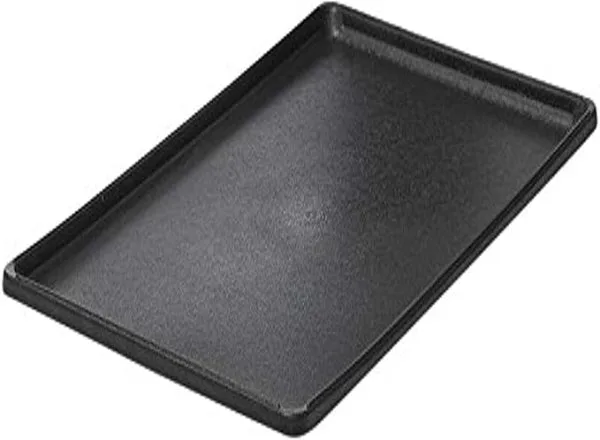
Replacement Plastic Trays for stackable Wire Crates
Who Should Choose What
Best for
- Owners of wire crates who want an affordable, easy-to-clean tray for daily use
- Those who need a lightweight tray for portable or stackable crates
Not for
- Owners of heavy chewers who might damage plastic trays
- Those with crates that have unusual non-standard dimensions requiring custom-fit trays