Quick answer
Choose pads built for your exact HIFIMAN generation first, then pick the material for comfort and tuning. Velour pads suit HE-series models that use a separate inner mesh, while Serenity pads are designed for newer HIFIMAN headphones where the protective fabric sits on the driver, not the pad.
Why HIFIMAN pad generations are not interchangeable
HIFIMAN has changed how its pads and driver protection work over time. On older HE-series designs, the pad carries an inner mesh that shields the driver. On the latest models, that mesh has moved to the cups and the protective fabric is integrated into the driver itself. A pad from the wrong generation can leave the driver exposed or add a layer of fabric the tuning was never designed for.
That is why the model number matters more than the pad shape. Two pads can look similar in diameter but differ in what sits between your ear and the diaphragm.
Velour versus Serenity: comfort and tuning trade-offs
Velour is breathable and soft against the skin, which many listeners prefer for long sessions in warmer rooms. It tends to soften the upper frequencies slightly compared with leather-like materials. The HIFIMAN Velour Replacement Ear Pads are a genuine OEM pair for HE-series headphones, with a 57 mm inner diameter, 105 mm outer diameter and 24 mm thickness.
Serenity pads are the newer design and only make sense on headphones built for them. Because the inner mesh is absent and the protective fabric is integrated into the driver, the pad itself is simpler. Buying Serenity pads for an older HE model would remove a protective layer the design expects.
When to replace rather than upgrade
Replace pads when the foam has flattened, the covering is flaking, or the pad no longer seals around your ear. A poor seal costs bass and forces you to turn up the volume. If the pad is intact but uncomfortable, a material change is reasonable; if the pad is worn, match the original design first and treat a material change as a separate decision.
Step-by-step: choose and fit HIFIMAN replacement earpads
- Identify your exact HIFIMAN model and generation: Check the headband or cup for the model name, then confirm whether your headphones use a pad with an inner mesh or a newer design where the protective fabric is integrated into the driver. Common mistake: assuming all HE-series pads are the same. Checkpoint: if you cannot confirm the generation, contact the seller before ordering.
- Match the pad design to that generation: For older HE-series headphones that rely on an inner mesh in the pad, use a pad designed with that mesh, such as the HIFIMAN Velour Replacement Ear Pads. For the latest HIFIMAN models with driver-integrated protection, use Serenity Earpads. Common mistake: buying Serenity pads for an older model and leaving the driver without its intended protective layer. Write down your model and generation before you compare listings.
- Measure the old pad before you remove it: Use a ruler to note the inner diameter, outer diameter and thickness of the pad on your headphones. Compare those numbers with the listed specifications. The velour pads, for example, are about 57 mm inner, 105 mm outer and 24 mm thick. Common mistake: measuring a compressed, worn pad and assuming the original size was smaller.
- Choose the material for comfort and climate: Pick velour if you want a breathable surface for long listening in warm rooms. Pick the pad design specified for your model if you want to keep the original tuning intent. Common mistake: choosing a material that changes the sound signature when you only wanted to restore a worn pad.
- Remove the old pads slowly and evenly: Work around the mounting lip with your fingers, lifting a little at a time rather than pulling one section free. Common mistake: yanking the pad and tearing the mounting ring or stretching the cup lip. Checkpoint: stop if you feel resistance and look for a hidden tab or clip.
- Seat the new pad evenly around the cup: Press the mounting lip into the groove a section at a time, checking that the pad sits flat and the seam is not twisted. Common mistake: forcing one side fully on before the rest is aligned, which leaves a gap. Checkpoint: run a finger around the whole pad to confirm a consistent seal.
- Test the seal and comfort before reinstalling anything else: Put the headphones on and press gently to check for air leaks around the pad. If the bass sounds weak or the pad feels uneven, reseat it. Common mistake: judging the sound before the pad has settled onto the cup. If the seal is uneven after reseating, the pad size or design may not match your model.
Product facts
-
HIFIMAN Serenity Earpads Pair: The Serenity Earpads are the next advancement to the UltraPad, with the inner pad mesh absent because it moved to the cups on the latest HIFIMAN headphones. They are the correct choice only for newer HIFIMAN models where driver protection is built into the cup and driver, not the pad.
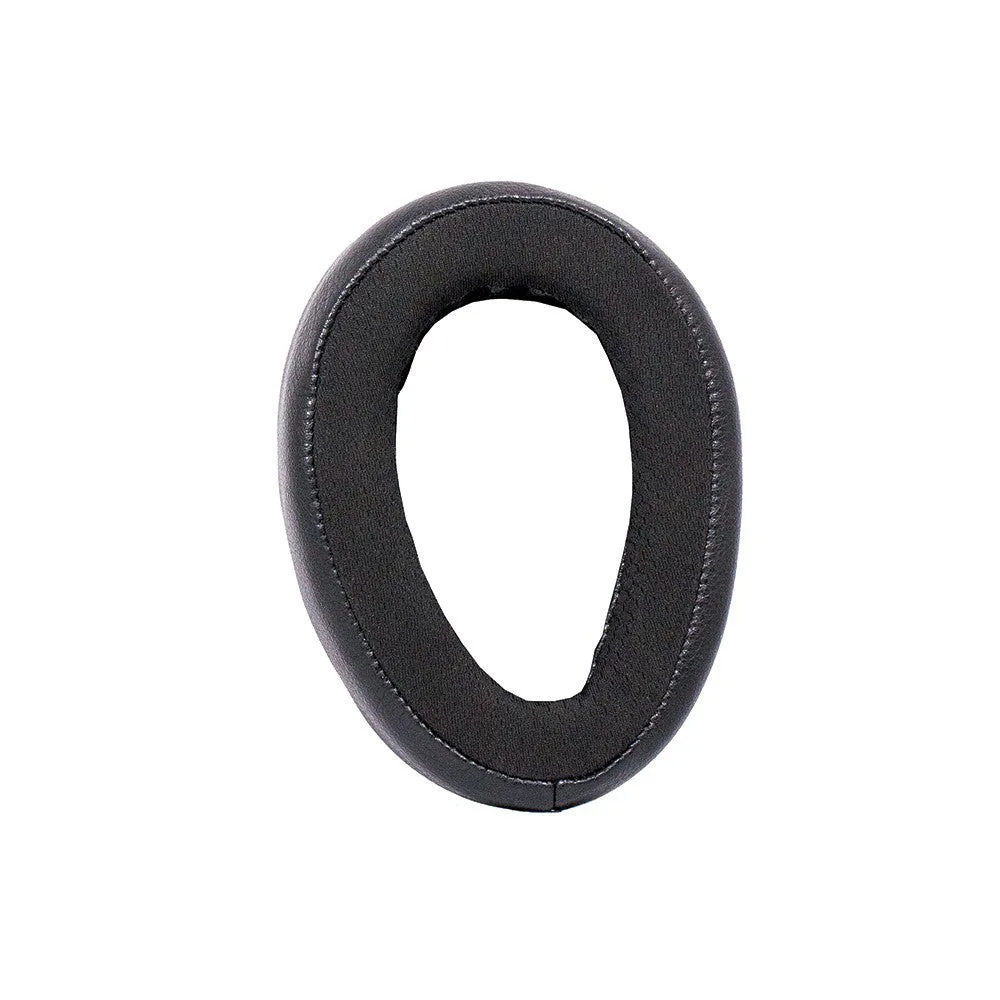
HIFIMAN Serenity Earpads Pair
-
HIFIMAN Velour Replacement Ear Pads (Pair): The HIFIMAN Velour Replacement Ear Pads are a genuine OEM pair for HE-series headphones, measuring about 57 mm inner diameter, 105 mm outer diameter and 24 mm thick. Those dimensions let you check fit against your existing HE-series pads before ordering, and the velour surface suits listeners who want breathability.
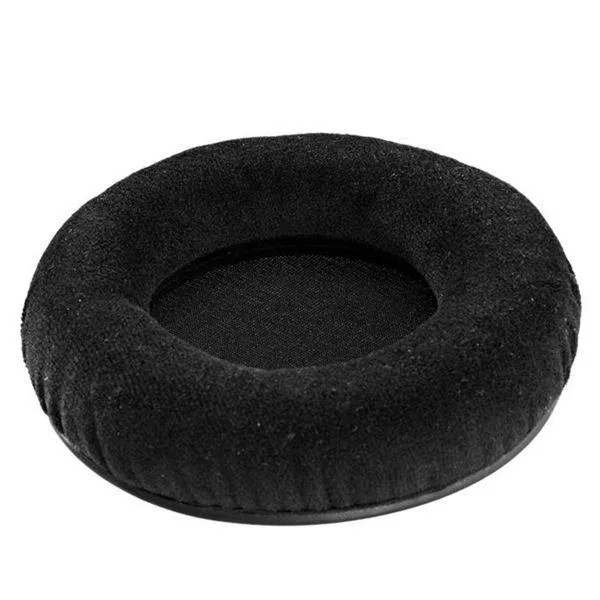
HIFIMAN Velour Replacement Ear Pads (Pair)