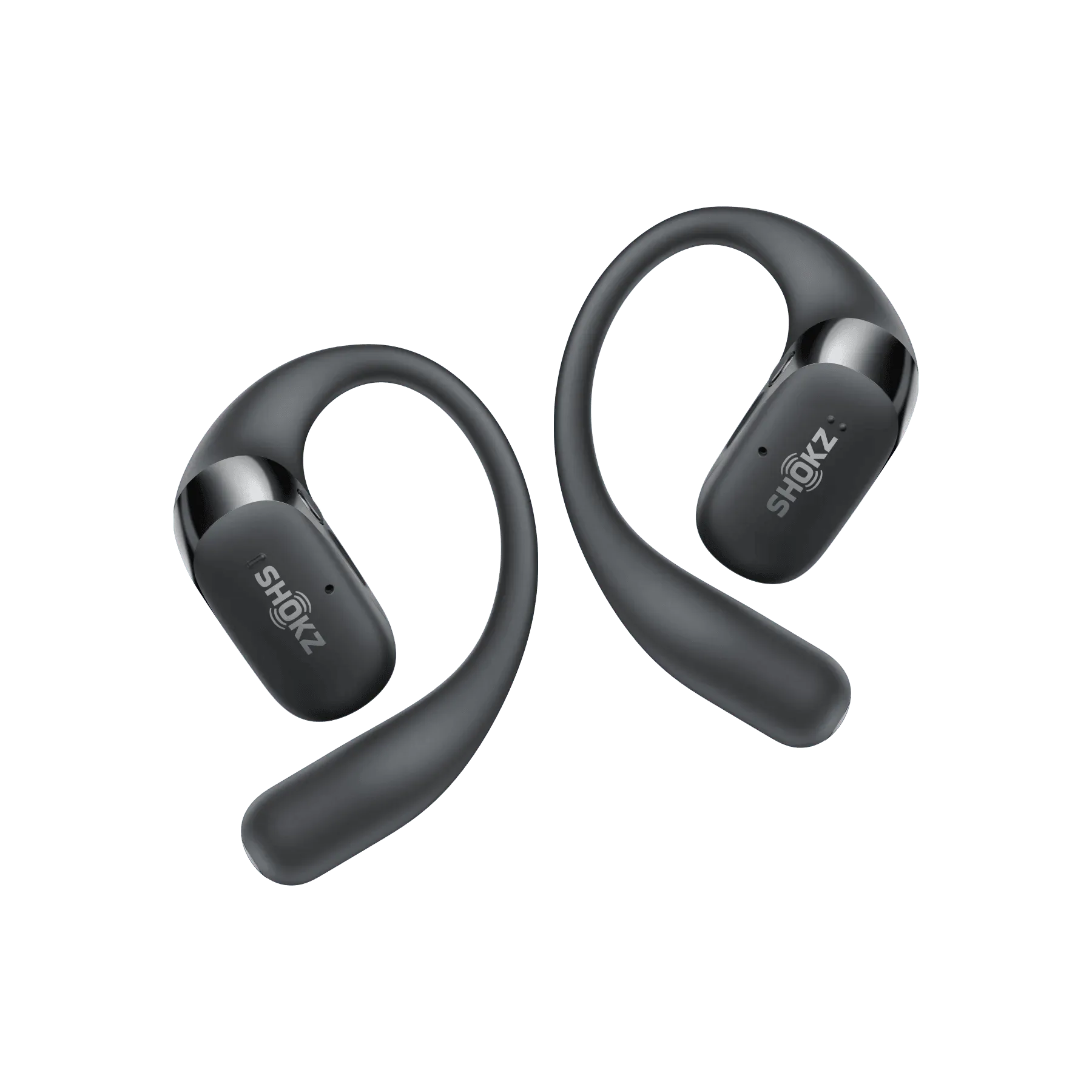
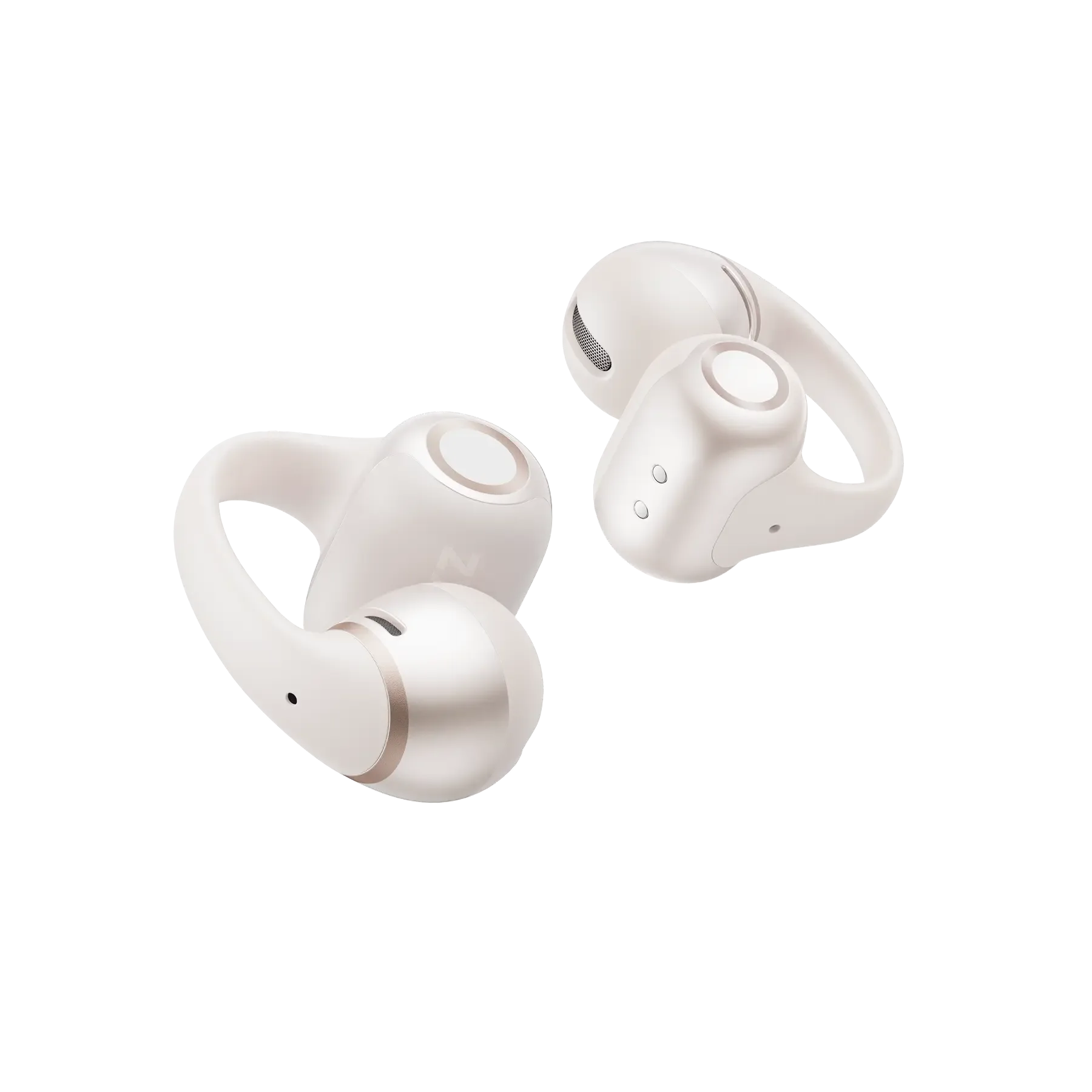
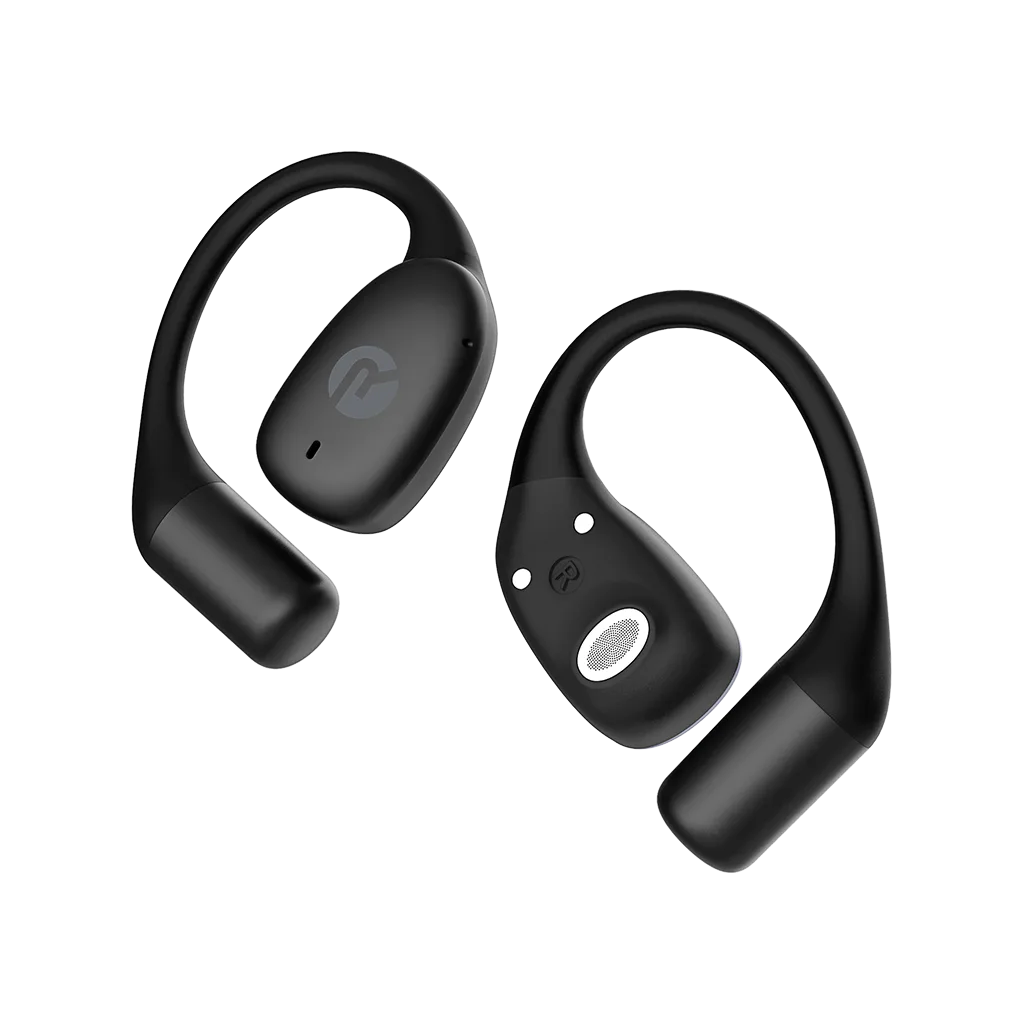
Quick Answer
If you want maximum awareness and a secure fit for cycling or running, bone conduction is the better pick. If you want richer sound and longer battery life for commuting or all-day desk work, open-ear earbuds like the Shokz OpenFit 2 and OpenDots 2 are the smarter choice. Neither is universally better. Both sit outside your ear canal, but open-ear earbuds rest against the ear and add bass, while bone conduction sends vibration through your cheekbones for the most open, airy feel.
How the Two Designs Actually Differ
Bone conduction headphones transmit sound as vibrations through your cheekbones to your inner ear, leaving your ear canal completely open. Open-ear earbuds, such as the Shokz OpenFit 2 and OpenDots 2, use a small driver that sits just outside the ear canal and directs sound inward. That difference shapes everything: bone conduction sounds thinner but keeps you maximally aware of traffic and conversation, while open-ear earbuds deliver more weight and detail in the low end but block a little more ambient sound.
Fit and Stability: Earhook vs Earhook
Both styles stay put without plugging your ears, but the anchoring method differs. The OpenFit Air (Refurbished) uses an air-earhook for a secure fit, and the OpenFit 2 combines a secure fit with soft comfort. Bone conduction models typically use a behind-the-neck band that presses the transducers against your cheekbones. If you wear glasses or a helmet, the band style can interfere; the earhook style on open-ear earbuds usually coexists more easily with eyewear.
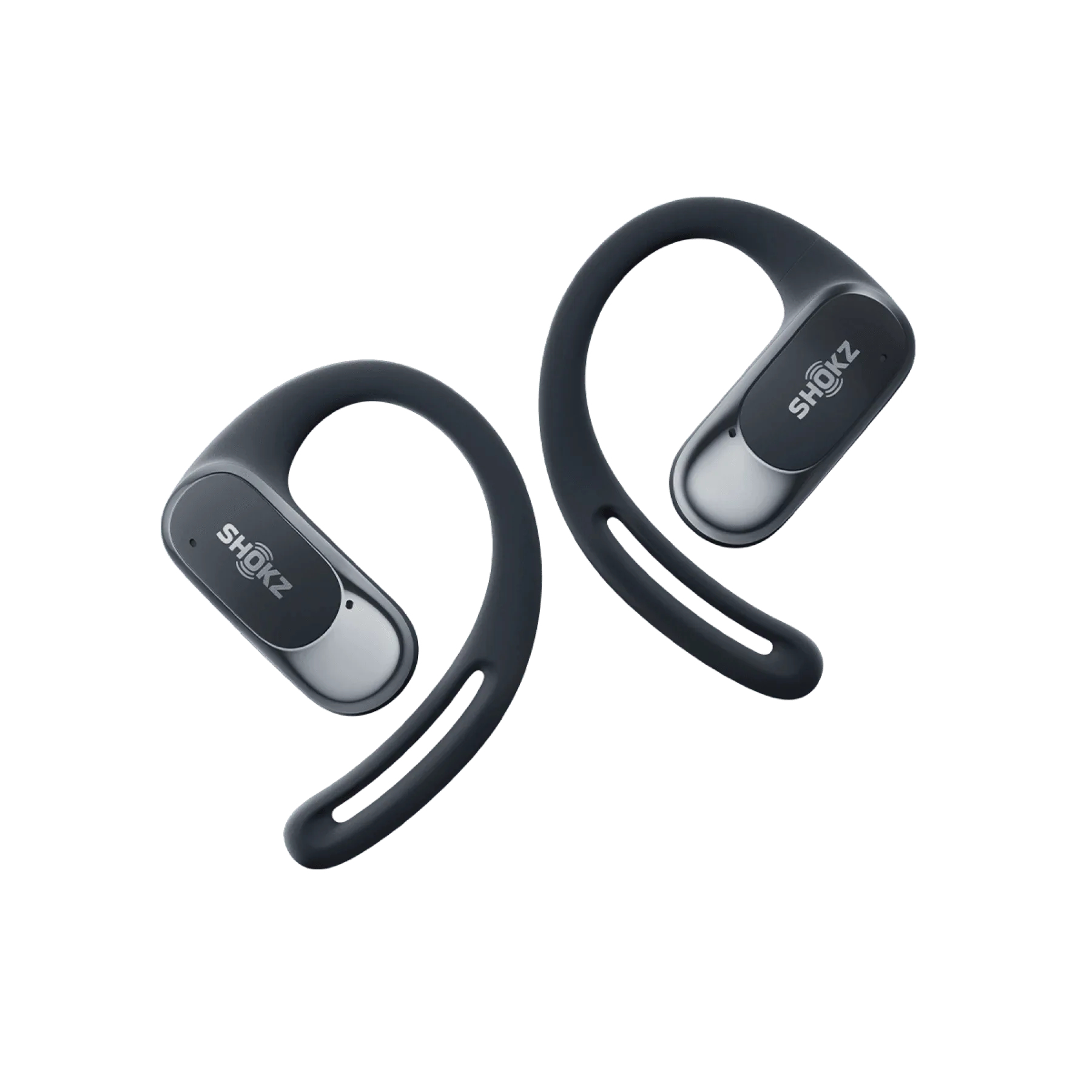
OpenFit Air
Sound and Battery Trade-Offs
Open-ear earbuds generally give you more balanced, natural sound because the driver can move more air. The OpenFit 2 adds dynamic audio with a powerful experience, and the OpenFit Air (Refurbished) delivers balanced natural sound. Battery life also leans toward open-ear earbuds: the OpenFit 2 offers up to 48 hours of listening with quick charge, and the OpenFit Air (Refurbished) gives up to 28 hours. Bone conduction models tend to trade some bass and runtime for the lightest possible feel.
Trade-Offs at a Glance
- Bone conduction awareness: Leaves the ear canal fully open, so you hear traffic, announcements, and coworkers clearly. You give up bass depth and usually some battery life. Pick bone conduction if safety and total awareness come first.
- Open-ear earbud sound: The OpenFit 2 and OpenDots 2 push more air for a fuller, more natural sound. You give up the absolute maximum openness because the driver sits closer to the ear. Pick open-ear earbuds if music quality and long runtime matter more than hearing every ambient detail.
- Fit and glasses: Earhook designs like the OpenFit Air (Refurbished) and OpenFit 2 usually sit better with glasses and helmets than a behind-the-neck bone conduction band. If you wear eyewear daily, try an earhook open-ear model first.
Open-Ear Models Worth Comparing
- OpenFit Air (Refurbished): Open-Ear Comfort & Situational Awareness, Air-Earhook for a Secure Fit, Balanced Natural Sound, Up to 28 Hours of Listening A lower-cost refurbished entry point if you want open-ear sound and a secure earhook without paying full price.
- OpenFit 2: Dynamic Audio with Powerful Experience, Secure Fit and Soft Comfort, Open-Ear Design for Situational Awareness, Up to 48 Hours of Listening & Quick Charge The best all-rounder here if you want more bass and the longest battery life for long days or travel.
- OpenDots 2: OpenDots 2 from Shokz is an open earbud model in the brand's open-ear lineup, offered in four color options: Pink, Pearl White, Grey, and Black. Choose this if color choice and a clean open-ear look matter as much as the audio itself.
Which Should You Choose?
Best for
- Runners and cyclists who need maximum situational awareness
- People who wear glasses or helmets and want an earhook fit
- Commuters and desk workers who want richer sound and up to 48 hours of battery
Not for
- Listeners who want deep noise isolation or heavy bass
- Anyone who needs a fully sealed, in-ear fit for loud environments