Quick answer
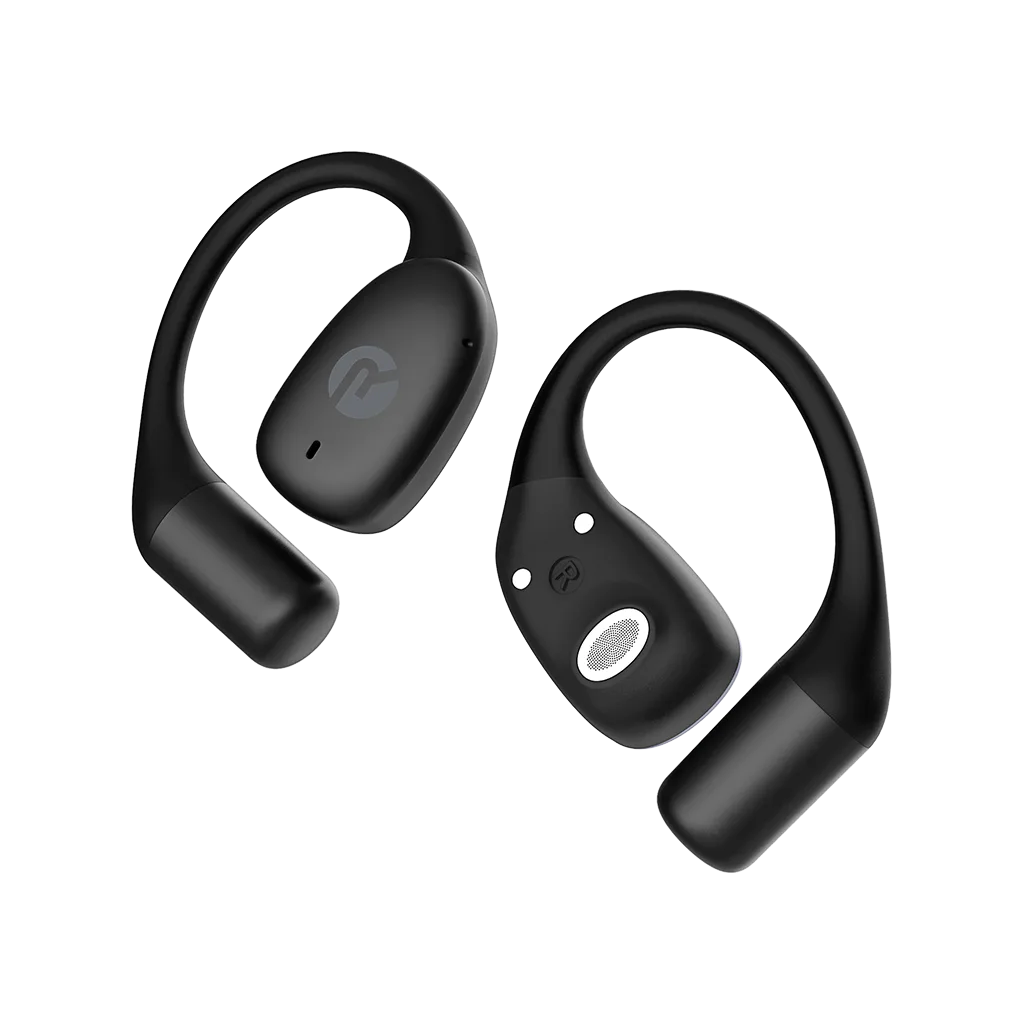
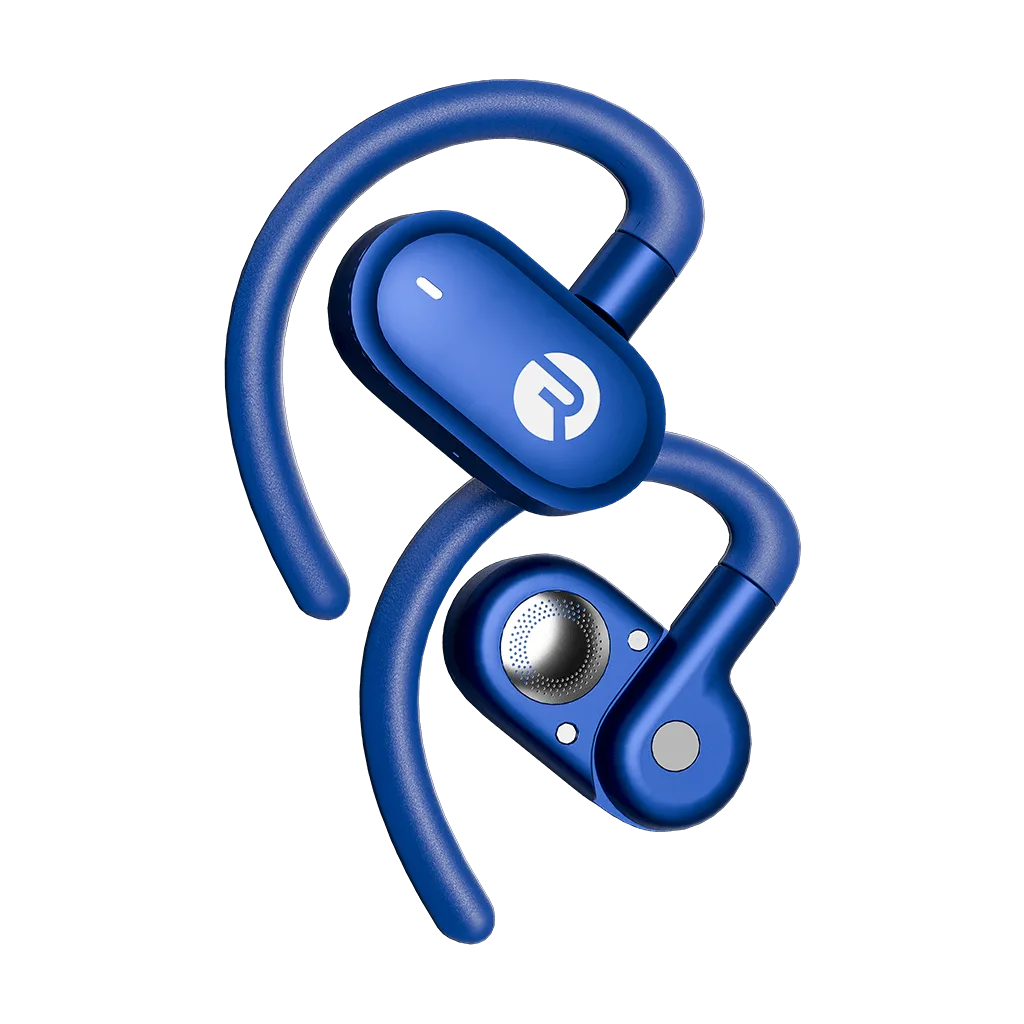
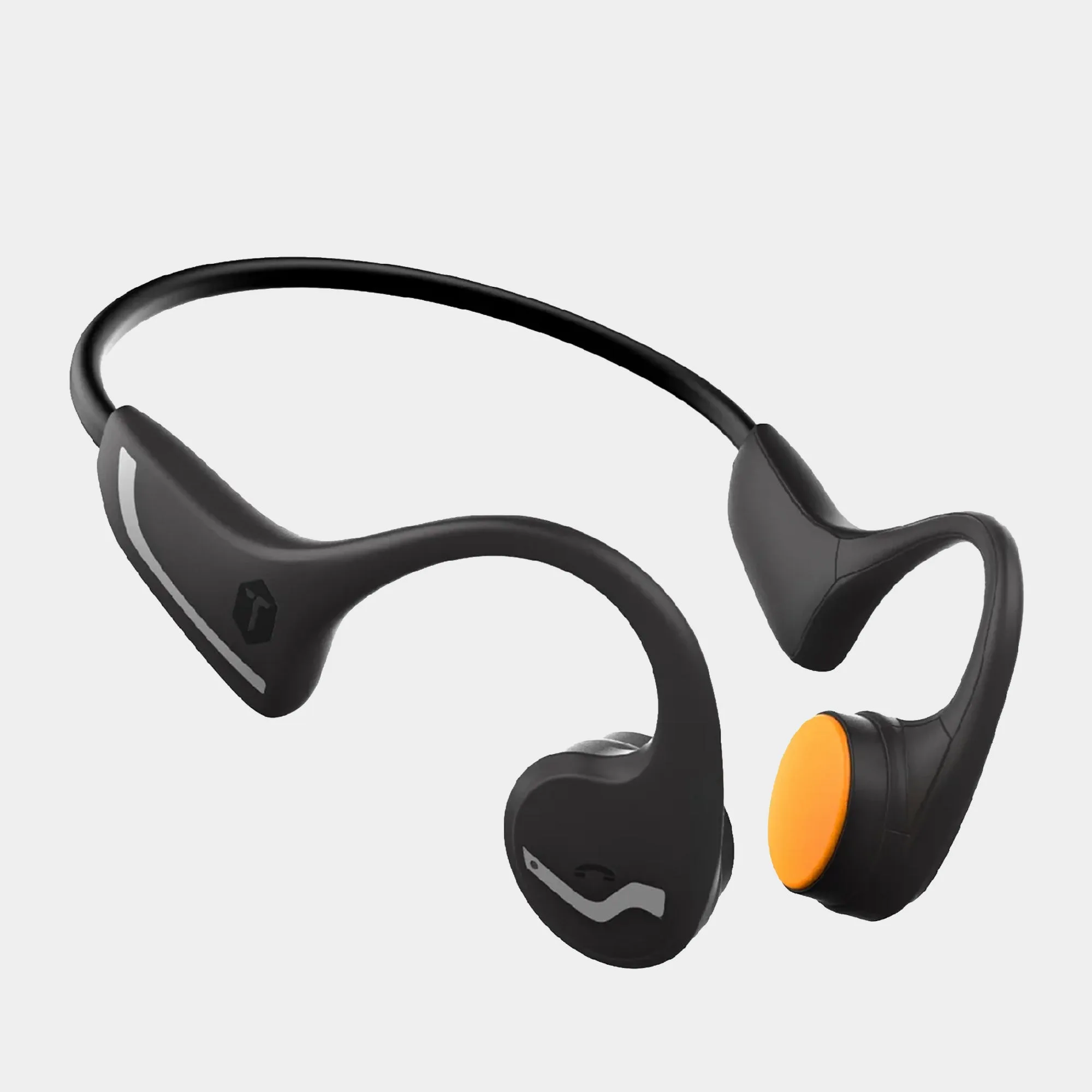
If you want music or calls while staying aware of traffic, conversations, and your surroundings, the ToughTested Bone Conduction True Wireless Earbuds are a practical pick. They sit outside your ear canal, last 8 hours per charge, and carry an IP55 rating with NRR 25 dB. If you need deep bass or total noise isolation, sealed in-ear buds will serve you better.
How bone conduction actually delivers sound
Bone conduction earbuds bypass your eardrum. They rest against the bone in front of your ear and send vibrations through your skull to the cochlea, so your ear canal stays completely open. That is the entire point: you hear your audio and the world at the same time. The ToughTested model uses this open-ear design with Bluetooth 5.0, so there is no wire between the two earpieces and no plug in your ear.
The trade-off is physics. Because nothing seals your ear canal, bass has less air to push against, and quiet environments expose more of the sound to people nearby. This is not a defect specific to ToughTested; it is how every open-ear bone conduction design behaves. Expect clear vocals, podcasts, and audiobooks to come through well, while bass-heavy tracks feel lighter than sealed earbuds.
Fit and wearing comfort: what to check before you commit
Bone conduction earbuds depend on contact. The transducer needs to sit firmly against the bone in front of your ear, not float above it. If you wear glasses, the temple arms compete for the same real estate, so position the earbuds first and let the glasses rest over or behind them. A loose fit does not just feel unstable; it weakens volume and bass because the vibration has farther to travel.
The ToughTested earbuds have no supplied option types or ear-tip sizes, so fit is adjusted through the headband and ear hooks rather than swappable tips. Before a long run, do a two-minute shake test: jog in place, turn your head side to side, and nod firmly. If the earbuds shift, tighten the band or reposition the hooks. If they stay put through that, they will likely hold through a normal workout.
Sound quality expectations for open-ear listening
Open-ear earbuds are tuned for awareness, not immersion. In a quiet room, the ToughTested model will sound thin compared with sealed true wireless earbuds. On a bike path or city sidewalk, that same openness becomes an advantage because you can hear a car door open or a cyclist call out. The NRR 25 dB rating is worth understanding: it indicates noise reduction, not noise cancellation. It takes the edge off loud surroundings without sealing you off.
Volume also behaves differently outdoors. Wind and traffic noise compete with your audio, so you may find yourself pushing the volume higher than usual. Do that carefully. Because the sound reaches your cochlea directly, high volume can still be damaging even though your ears feel open. A good habit is to set volume in a quiet room and avoid raising it more than a notch or two once you are outside.
Battery, charging, and weather reality
The ToughTested earbuds list 8 hours of playtime and up to 10 days of standby, with a USB-C quick charge that fills them in about 2.5 hours. That is a full workday or several workouts per charge, and USB-C means one cable for your phone, tablet, and earbuds. The IP55 rating covers sweat and rain spray, which is the realistic exposure for running and commuting. It does not mean you should swim or submerge them.
If you are packing for a longer trip, the charging math matters. A 2.5-hour recharge means a lunch break or an evening at camp is enough to top them up. Pair them with a power bank if you will be away from outlets for days, and keep the USB-C cable in the same pouch so you are not hunting for it.
Where these fit in a ToughTested outdoor kit
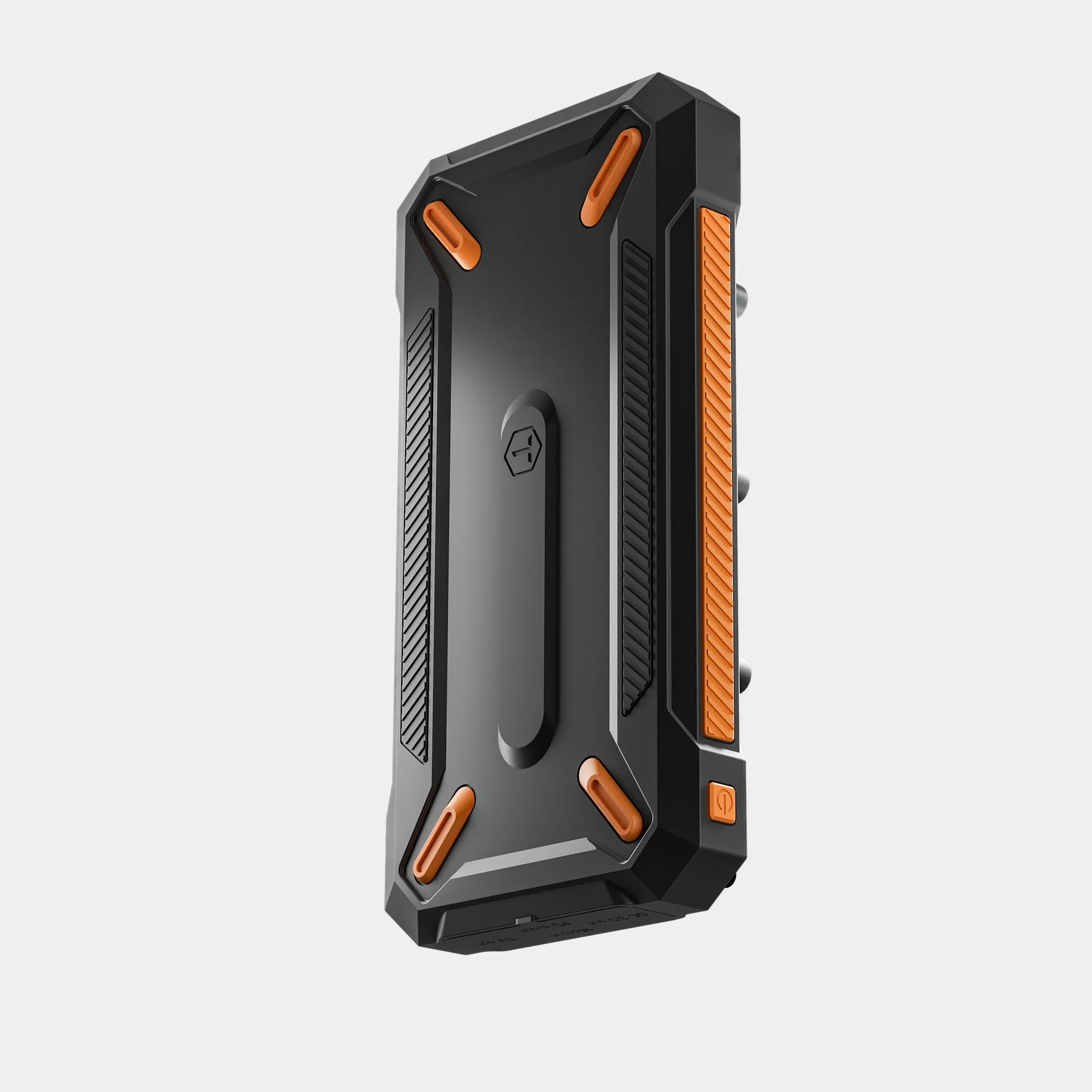
Bone conduction earbuds solve one problem well: staying aware while listening. If your day includes running, cycling, hiking, or working in a shared space, they earn their place. They also pair naturally with other gear that keeps you moving. The ToughTested Solar ROC10 10000mAh Power Bank & Wireless Charger can top up the earbuds from its USB-C PD port, and its solar panel recharges the bank when you are away from outlets. The ToughTested Mini Air Pump doubles as a 2400mAh power bank and camping light, which covers a different set of needs on the same trip.
The point is not to buy everything. It is to notice which problems you actually have. If your problem is sealed ears and lost awareness, bone conduction is the fix. If your problem is dead batteries at camp, a power bank is the fix. Buying for a problem you do not have just adds weight to your bag.
Decision rules for buying open-ear earbuds
- Buy them if awareness is the priority: Choose bone conduction when you run, ride, or work where you must hear what is happening around you. The open-ear design is the feature, not a compromise. Awareness first, immersion second.
- Skip them if you want deep bass or silence: Sealed in-ear earbuds with active noise cancellation will deliver more bass and block more noise. Bone conduction cannot match that because nothing seals your ear canal. If you want a cone of silence, this is the wrong category.
- Match the rating to your activity: IP55 covers sweat and rain spray for running and commuting. If you need swimming or full submersion, look for a higher water rating than IP55. IP55 is workout-ready, not swim-ready.
- Check the fit system before you buy: These earbuds have no supplied ear-tip sizes, so fit depends on the headband and ear hooks. If you wear glasses, plan to position the earbuds first and glasses second. Do the shake test before a long run.
- Plan your charging routine: 8 hours of playtime and a 2.5-hour USB-C charge mean an overnight charge covers most days. For multi-day trips, pair them with a power bank so you are not dependent on outlets. One cable, one overnight charge, most days covered.
Product facts worth knowing
- ToughTested Bone Conduction True Wireless Earbuds: Open-ear bone conduction audio with Bluetooth 5.0 wireless connection Your ear canal stays open, so you hear traffic, coworkers, and surroundings while audio plays. Bluetooth 5.0 means no cable between the earpieces.
- ToughTested Bone Conduction True Wireless Earbuds: 8 hours of playtime, up to 10 days standby, USB-C quick charge in 2.5 hours Enough for a full workday or several workouts, and USB-C keeps you to one cable for phone, tablet, and earbuds.
- ToughTested Bone Conduction True Wireless Earbuds: IP55 rated with NRR 25 dB IP55 handles sweat and rain spray for runs and commutes. NRR 25 dB indicates noise reduction, not active noise cancellation, so loud environments still come through.
- ToughTested Solar ROC10 10000mAh Power Bank & Wireless Charger: 10000mAh wireless solar power bank with 20W USB-C Power Delivery and a solar backup panel A practical way to recharge earbuds and a phone on multi-day trips when outlets are not available.
Who should buy the ToughTested Bone Conduction Earbuds
Best for
- Runners, cyclists, and walkers who need to hear traffic and surroundings
- People who find sealed earbuds uncomfortable or prone to falling out
- Workers and commuters who need to stay aware of conversations and announcements
- Anyone who wants one USB-C cable for phone, tablet, and earbuds
Not for
- Listeners who want deep bass and total noise isolation
- Swimmers or anyone needing full submersion water protection beyond IP55
- People in very loud environments who need active noise cancellation
- Buyers who want swappable ear-tip sizes to fine-tune fit