Quick Answer
Measure your torso from the sternal notch to roughly two inches above the navel, then match that length to your plate. If you fall between sizes, size up only when your carrier can hold it without shifting. For most average-to-large frames, a 10.25x13.25 SAPI-cut plate set is the practical default, and a shooter-cut plate is the better pick when you need a narrower profile around the shoulders.
Measure Your Torso Before You Look at Plate Sizes
Plate size is a torso measurement, not a clothing size. Stand relaxed and measure from the sternal notch at the top of your breastbone down to about two inches above your navel. That distance is your plate length target. Then measure across the widest part of your chest, usually just below the armpits, for width. Write both numbers down before you open a product page.
A plate that is too long digs into your belt line when you sit or bend, and a plate that is too wide blocks your arms from coming down to your sides. Both problems get worse under a loaded carrier, so the measurement step saves you from returning armor later.
- Length: sternal notch to two inches above the navel
- Width: across the widest part of your chest, below the armpits
- Recheck both while wearing the base layer you would actually wear under a carrier
Shooter Cut vs SAPI Cut: What Actually Changes
SAPI cut plates have a squared-off top with cut corners that leave room for shoulder straps and rifle stocks. Shooter cut plates trim more material from the upper corners and often from the sides, which opens up your shoulder rotation and can make it easier to mount a rifle and reach a pistol. The trade-off is coverage area: a shooter cut removes material exactly where some threats approach from an angle, so it is a mobility decision, not a free upgrade.
If you run a standard carrier with standard plate bags, SAPI cut is the safer default because it is what most carriers are patterned around. Choose shooter cut when your primary complaint is the plate edge catching your upper arm or blocking your stock weld.
Match the Plate to the Carrier, Not the Other Way Around
Plate bags are cut for a specific size and shape. A 10x12 plate in a 10.25x13.25 bag will slide, and a plate that is too thick for the bag will not seat fully. Check the carrier's stated plate pocket dimensions before you commit. If you already own the carrier, that number is the constraint you are shopping against.
Thickness matters too. A 1.1-inch plate fits most standard bags, but a plate with a thick build-up or a backer underneath can push you past the pocket depth. If you plan to add a backer, account for its thickness in the same pocket.
When to Add a Soft Armor Backer
A backer does two jobs: it adds padding against blunt trauma and it can bring an in-conjunction plate up to its rated spec. If your plate is stand-alone rated, the backer is optional comfort and trauma mitigation. If your plate is rated only in conjunction with soft armor, the backer is not optional. Read the plate's rating language carefully before deciding.
Backers add thickness and a small amount of weight, so test the fit in your carrier before you commit to a long ruck or range day with one installed.
Decision Rules for Plate Size and Cut
- Torso length under 12 inches: A 10 x 12 medium plate is usually the right length. A 10.25 x 13.25 plate will likely extend below your sternum-to-navel line and dig in when you sit. Measure first, then buy medium.
- Torso length 12 inches or more: A 10.25 x 13.25 large plate gives you full coverage without riding up into your throat. This is the size most buyers settle on after measuring. Large is the default for average-to-tall frames.
- Carrier has standard SAPI-cut plate bags: Stick with SAPI cut. Shooter cut plates in a SAPI bag can leave gaps at the corners and shift under movement. Match the cut to the bag, not to preference.
- Shoulder mobility or stock weld is your main complaint: Shooter cut trims the upper corners and sides to free up your arms. Accept the reduced coverage area as the cost of that mobility. Choose shooter cut only when the carrier supports it.
- You plan to run a backer: Add the backer thickness to your plate thickness before checking pocket depth. A 0.22-inch backer under a 1.1-inch plate needs a bag that can take both. Test the stack in the carrier before a long event.
Products That Match These Decisions
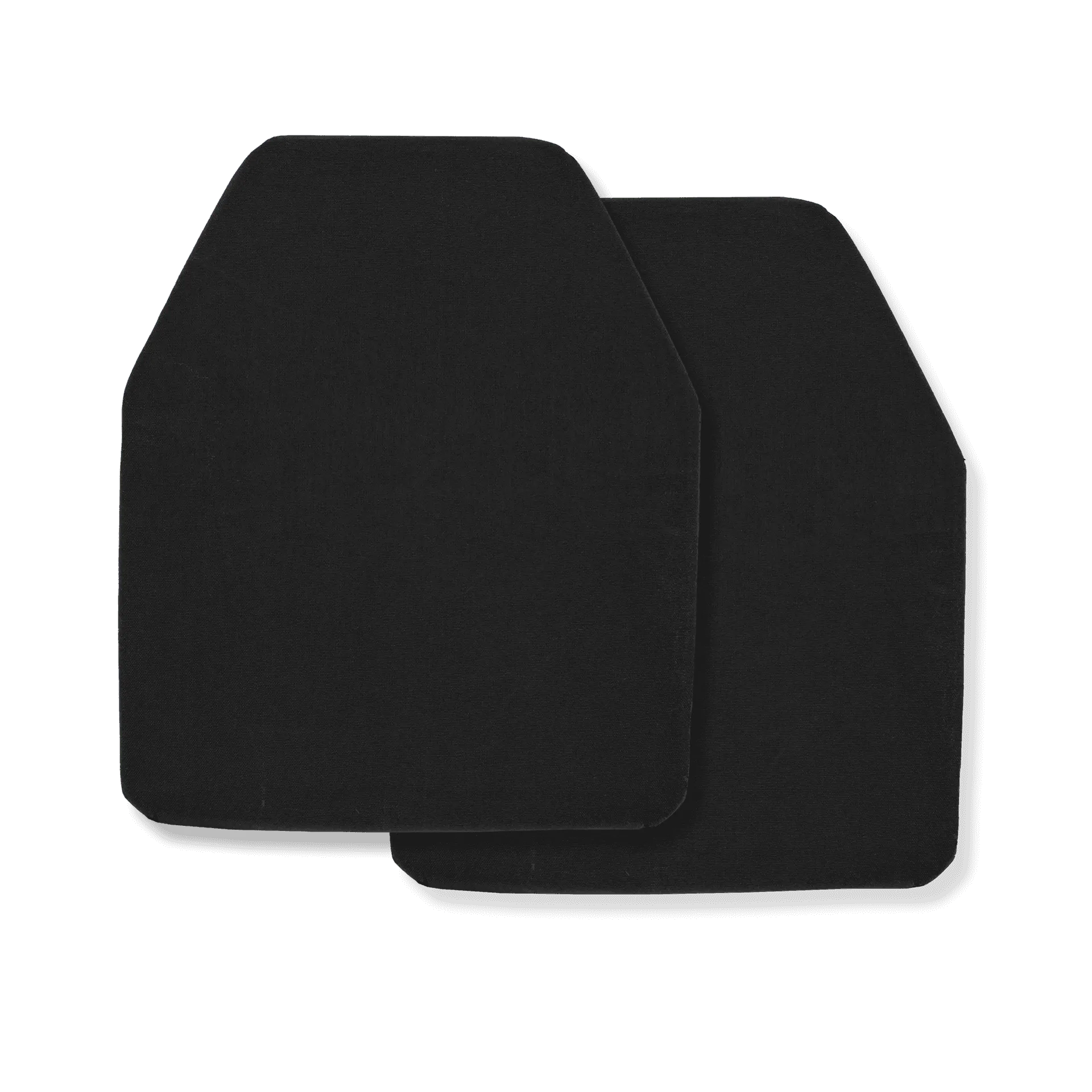
- Armor Plate Set - Ceramic Composite Level III Special Threat - Large (10.25x13.25): Ceramic composite Level III special threat plate set, NIJ 0101.06 certified, 10.25 x 13.25 inches, 1.1 inch thick, multicurve SAPI cut, 6 pounds per plate, sold as a set of two. This is the size and cut most standard carriers are built around, and the 6-pound-per-plate weight keeps a loaded carrier manageable for all-day wear. The multicurve shape follows the torso better than a flat plate, which reduces hot spots on long walks.
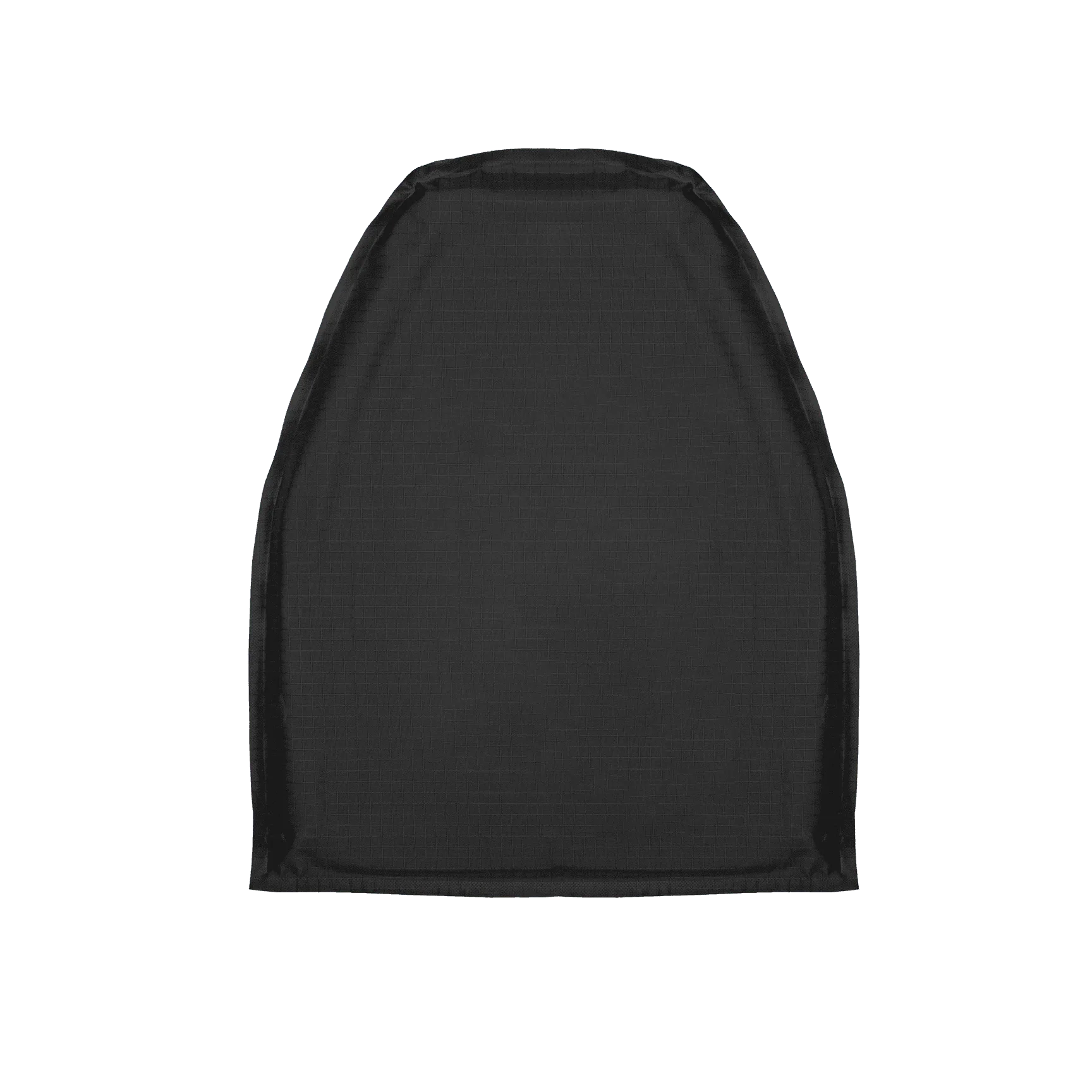
- Soft Armor Plate Backer - Level IIIA - Shooter Cut: Soft armor plate backer rated Level IIIA, NIJ 0101.06 tested, available in 10 x 12 inch (Medium) or 10.25 x 13.25 inch (Large), 0.22 inch thick, 0.88 pounds. Match the backer size to your plate size exactly. The Large backer pairs with the 10.25 x 13.25 plate above, and the thin 0.22-inch profile means it adds blunt-trauma protection without forcing you into a larger plate bag.
Who This Sizing Approach Fits
Best for
- Buyers replacing a hand-me-down plate that never fit right
- Anyone running a standard SAPI-cut carrier who wants a drop-in plate set
- Shooters who need shoulder mobility and will accept reduced corner coverage
Not for
- Buyers who have not measured their torso and are guessing from shirt size
- Carriers with proprietary plate pocket dimensions that do not match standard SAPI sizing
- Anyone expecting a shooter-cut plate to provide the same coverage area as SAPI cut