Quick answer
Choose a backpack that matches your child's torso length, not their age or grade. Measure from the top of the shoulders to the waist, then pick a pack that ends just above the waist. Prioritize padded straps, a lightweight empty weight, and a snug fit so the load stays close to the body. If you can, have your child try it on with a full load before you buy.
A backpack that fits well can make the school day easier, while a poor fit can cause discomfort and discourage your child from wearing it properly. This guide walks you through size, comfort, and safety so you can make a confident choice, whether you are shopping for a kindergartener or a middle schooler.
You will find concrete decision rules, fit checks, and honest trade-offs. We will also point out a few products from our store that work well for common needs, like a lightweight daypack for younger kids or a roomier option for older students.
Start with torso length, not age
The most reliable way to size a backpack is to measure your child's torso. Have them stand straight and measure from the most prominent bone at the base of the neck (the C7 vertebra) down to the top of the hip bones. That number is the torso length. A backpack should roughly match that length so the bottom of the pack rests at or just above the waist, not sagging below the hips.
Age and grade are rough guides at best. A tall 8-year-old may need the same torso length as a petite 10-year-old. If you cannot measure, use this rule: the pack should not extend above the shoulders or below the waist. When in doubt, size down rather than up, because an oversized pack encourages overloading and poor posture.
- Measure torso length from the C7 vertebra to the top of the hips.
- Aim for the bottom of the pack to sit at or just above the waist.
- If between sizes, choose the smaller pack to discourage overloading.
Match capacity to the daily load
Capacity is measured in liters. For most elementary students, 12 to 20 liters is plenty for a folder, lunch, and a water bottle. Middle and high school students often need 20 to 30 liters to carry textbooks, a laptop, and gym clothes. A pack that is too large invites your child to carry more than they need, which increases strain.
Look for a main compartment that holds the largest item flat against the back, plus a front pocket for small supplies. Compression straps can cinch down a partially full pack so contents do not shift. If your child carries a laptop, a padded sleeve that keeps the device off the floor of the bag is worth prioritizing.
- Elementary: 12–20 liters; middle/high school: 20–30 liters.
- Keep the heaviest items in the main compartment closest to the back.
- Use compression straps to stabilize a partially full load.
Comfort features that actually matter
Padded shoulder straps distribute weight and reduce pressure points. Look for straps that are at least two fingers wide and curved to follow the body. A padded back panel adds comfort and can improve airflow, though a mesh panel may be more breathable for sweaty commutes. A sternum strap keeps straps from sliding off narrow shoulders, and a hip belt transfers weight to the hips for heavier loads.
Adjustability is key for growing kids. Shoulder straps should tighten so the pack sits close to the back, and load-lifter straps (if present) can fine-tune the angle. Avoid packs with thin, unpadded straps or a rigid frame that digs into the lower back. The empty weight of the pack also matters: a lighter bag is easier for a small child to manage.
- Choose wide, padded shoulder straps and a padded back panel.
- A sternum strap helps keep straps in place on narrow shoulders.
- Adjust straps so the pack stays close to the body, not hanging away.
Safety checks before you buy
Reflective accents on the front and straps improve visibility during early morning or evening walks. A backpack should never be wider than your child's torso, because a wider pack can bump into others and throw off balance. Also check for dangling straps that could trip your child or get caught on playground equipment.
The total loaded weight should stay under 10–15% of your child's body weight. For a 60-pound child, that means a loaded pack of about 6 to 9 pounds. If your child regularly carries more, consider a rolling backpack or a locker to reduce the load. Finally, teach your child to use both shoulder straps; slinging a pack over one shoulder can strain the neck and back.
- Look for reflective material on the front and straps.
- Keep the loaded weight under 10–15% of your child's body weight.
- Avoid packs wider than the torso and secure dangling straps.
Materials and durability trade-offs
Polyester and nylon are common because they are lightweight and resist water. A water-resistant coating or a bottom panel made of a tougher material can extend the life of the pack. However, heavier fabrics add weight, so there is a trade-off between durability and comfort for younger children.
Reinforced stitching at stress points (strap attachments and bottom corners) is a good sign of quality. Zippers with large pulls are easier for small hands. If your child is rough on gear, a slightly heavier pack with reinforced construction may last longer, but for a petite child, prioritize light weight first.
- Polyester and nylon are lightweight and water-resistant.
- Reinforced stitching at strap anchors and bottom corners adds durability.
- For small children, keep empty weight low even if it means slightly less rugged fabric.
Decision rules for buying a kids backpack
- If your child is under 4 feet tall: Choose a pack with a torso length of 12–15 inches and a capacity of 12–15 liters. Look for a lightweight design under 1 pound. Prioritize fit and light weight over extra pockets.
- If your child carries a laptop: Choose a pack with a padded laptop sleeve that fits the device size, and a capacity of at least 20 liters. Make sure the sleeve keeps the laptop off the bottom of the bag.
- If your child walks or bikes to school: Look for reflective accents, a sternum strap, and a snug fit that does not bounce. Visibility and stability are more important than fashion.
- If your child complains of shoulder pain: Check the load weight first. If it exceeds 10–15% of their body weight, reduce the load or switch to a rolling backpack. A well-fitted pack cannot fix an overloaded one.
- If you are shopping online without trying it on: Buy from a store with a generous return policy, and measure your child's torso before ordering. Plan to exchange if the fit is off.
Products that fit common backpacking needs
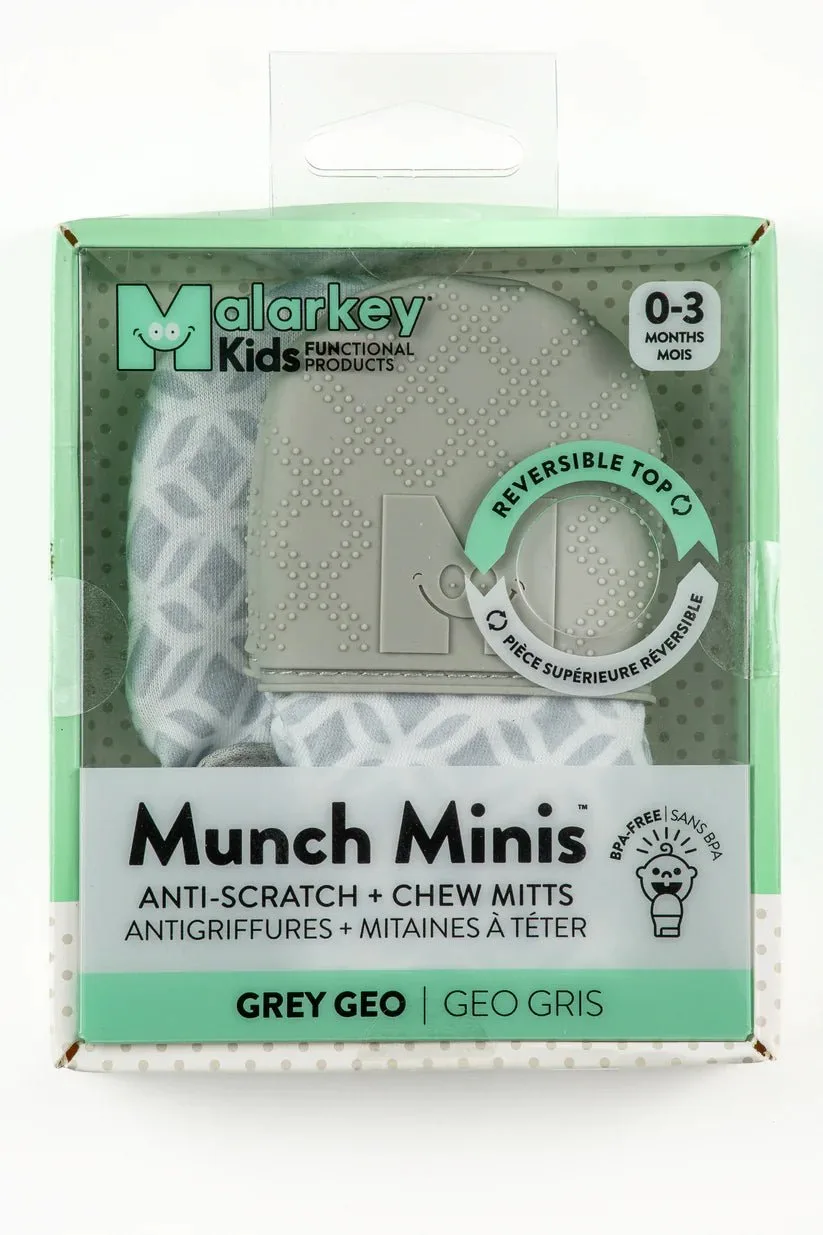
- Malarkey Kids - Munch Mini - Grey Geo: This is a set of anti-scratch mittens with a silicone cap for chewing, designed for newborns. Not a backpack, but a good example of a small, wearable accessory that must fit well. The same principle of measuring and adjusting applies to any gear your child wears.
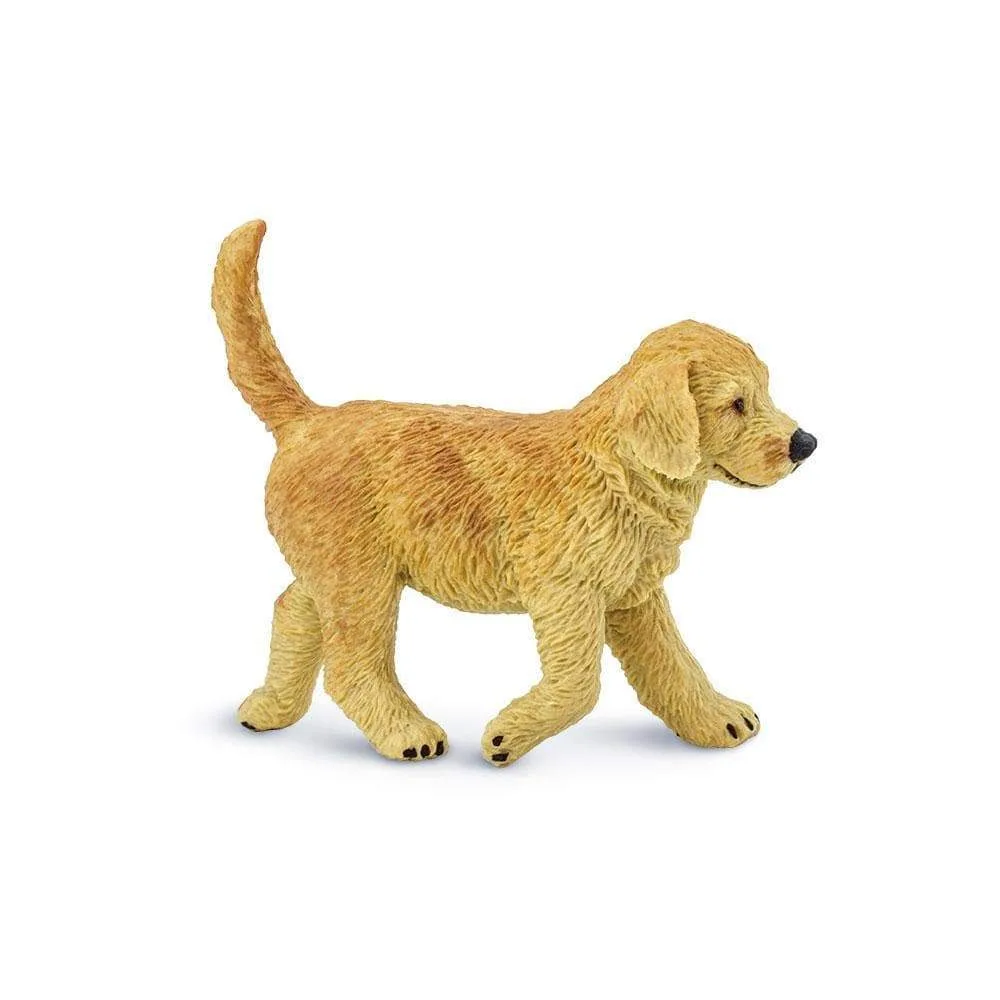
- Golden Retriever Puppy Toy: A small figurine of a Golden Retriever puppy, about the size of a child's palm. A lightweight item like this is easy for a child to carry in a backpack side pocket, but it also shows why you should keep small toys out of the main compartment where they can get lost or add clutter.
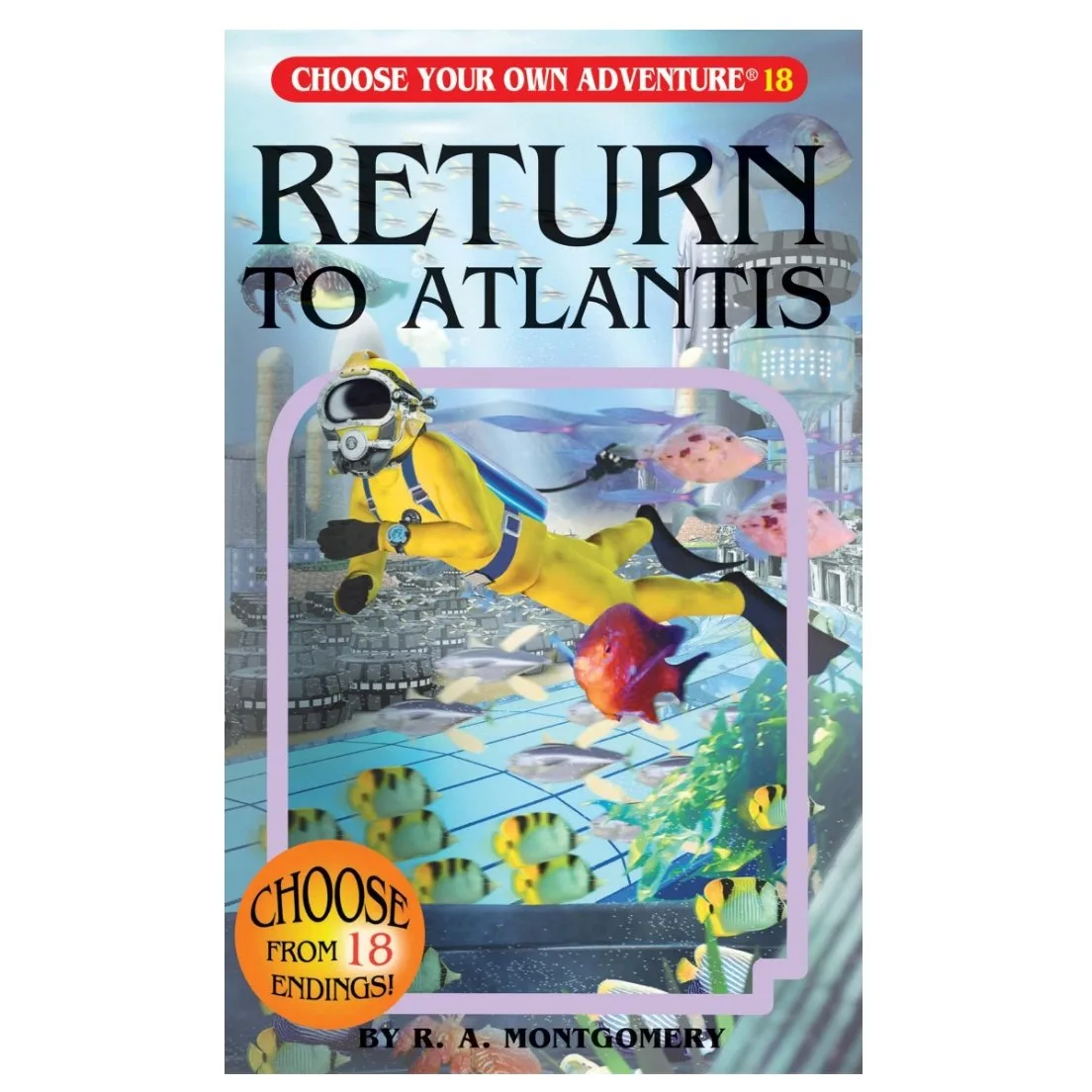
- Return To Atlantis: A choose-your-own-adventure book for ages 9–12, about 4 ounces in weight. Books are a common backpack item. A single paperback adds little weight, but several can push a pack over the recommended load limit, so pack books flat against the back.
Who this guide is for
Best for
- Parents buying a first school backpack for a child ages 5–12
- Caregivers who need a pack that accommodates a growing child
- Anyone looking for an ergonomic kids backpack that supports healthy posture
Not for
- Adults seeking a commuter or travel backpack
- Children who need a rolling backpack due to heavy loads
- Shoppers looking for a hiking-specific pack with a frame
A good backpack is one your child will wear correctly every day. Measure the torso, match the capacity to the load, and check the comfort and safety features before you buy. When you shop with us, you will find a range of accessories and gear that support active kids, and our team is happy to help you compare options.