Quick answer
For most daily commutes, a backpack between 20 and 30 liters is the sweet spot—enough for a laptop, lunch, and layers without feeling bulky. If you carry only a laptop and a few small items, a 15–20 liter bag works; if you need to pack gym clothes or extra shoes, look at 25–30 liters.
backpack
Choosing the right backpack size for your daily commute is about matching your gear to the bag's capacity and fit. A bag that's too small forces you to leave things behind; one that's too large becomes a heavy, unwieldy burden on crowded trains and buses.
This guide breaks down backpack sizes in liters, explains how laptop compartments and organizational features affect usable space, and gives you clear rules to find the right fit for your routine.
Understanding backpack liters
Backpack capacity is measured in liters, which tells you the total internal volume. For daily commuting, the most common range is 15 to 30 liters. A 15–20 liter bag is ideal for a laptop, a few documents, and a small lunch. A 20–25 liter pack adds room for a change of clothes or a compact umbrella. If you need to carry gym gear, extra shoes, or a larger lunch, a 25–30 liter backpack gives you that flexibility without turning into a weekend hiking pack.
Remember that the listed liter capacity includes all compartments, so the main compartment may feel smaller than expected. A backpack with a dedicated laptop sleeve and multiple pockets can reduce usable space for other items. Always consider what you carry daily and choose a size that leaves a little breathing room.
- Check the dimensions as well as the liter rating—a tall, narrow bag may not fit a wide laptop.
- If you're between sizes, size up only if you regularly need the extra space; otherwise, a smaller bag encourages lighter packing.
Laptop fit and protection
One of the most important factors in choosing a commuter backpack is whether it fits your laptop. Most backpacks list a laptop size in inches, such as 13-inch, 15-inch, or 16-inch. Measure your laptop's actual dimensions, including any protective case, and compare them to the backpack's sleeve dimensions. A snug fit prevents the laptop from sliding around, while a too-tight sleeve can make it hard to remove.
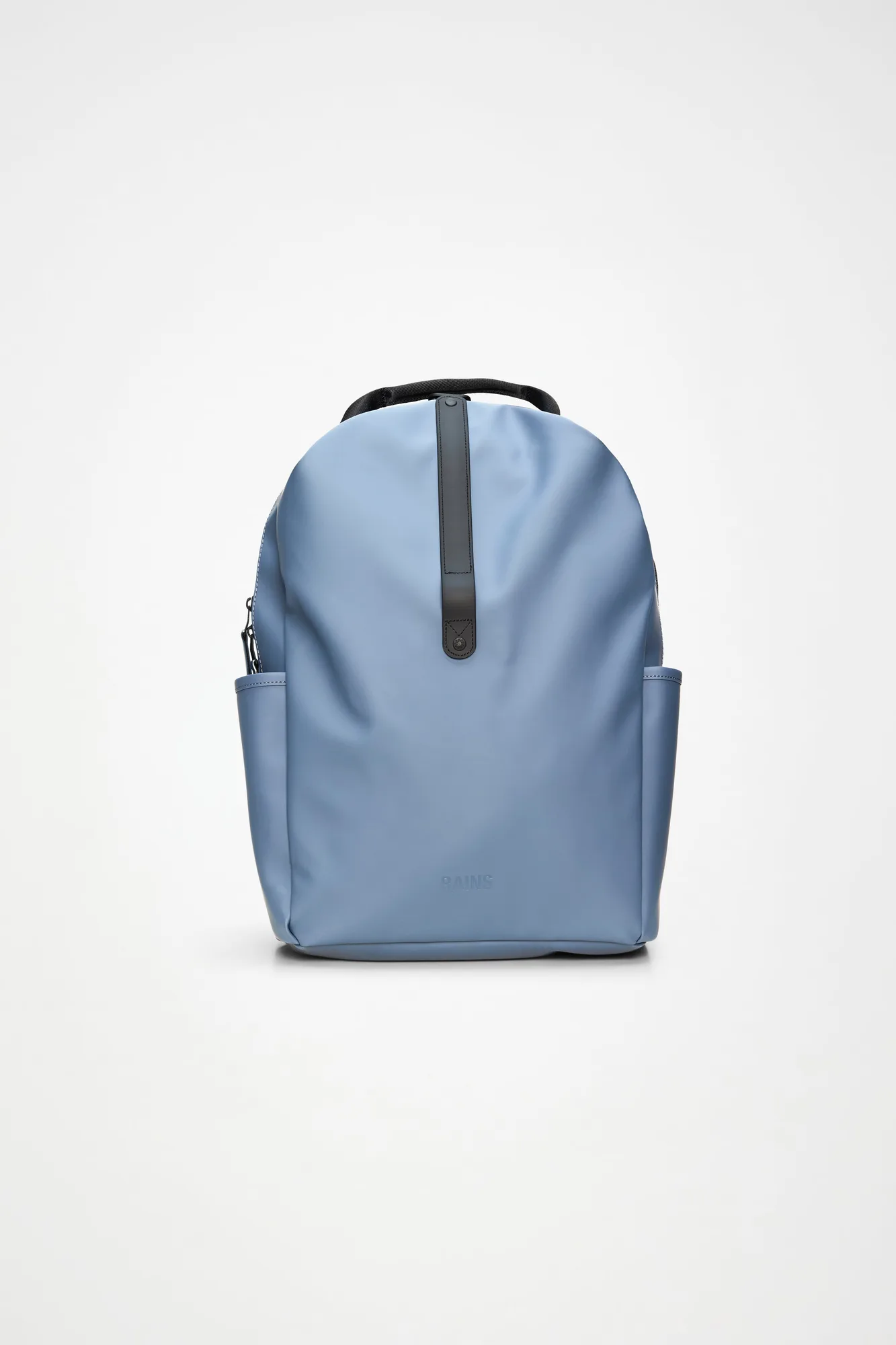
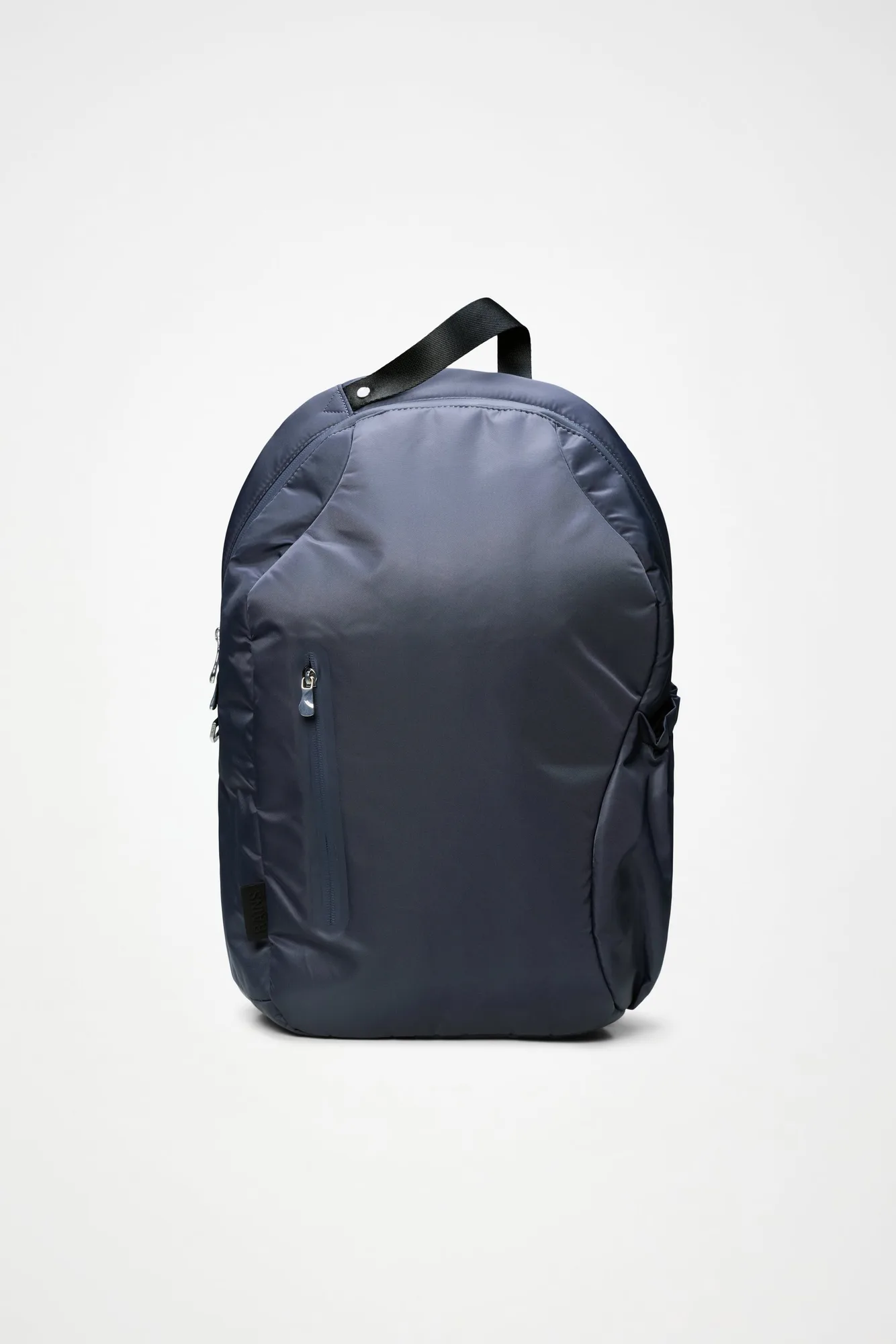
Look for a padded or suspended laptop compartment that protects against bumps and drops. Some backpacks, like the Rains Delphi Backpack, are designed with urban commuting in mind and feature organized storage for your tech essentials. If you carry a tablet as well, check whether the backpack has a separate sleeve or if you'll need to use a padded case.
Delphi Backpack
- Always measure your laptop with its case or sleeve before buying.
- If the backpack doesn't list a laptop size, check the internal dimensions or contact the brand.
Commuting features that affect size
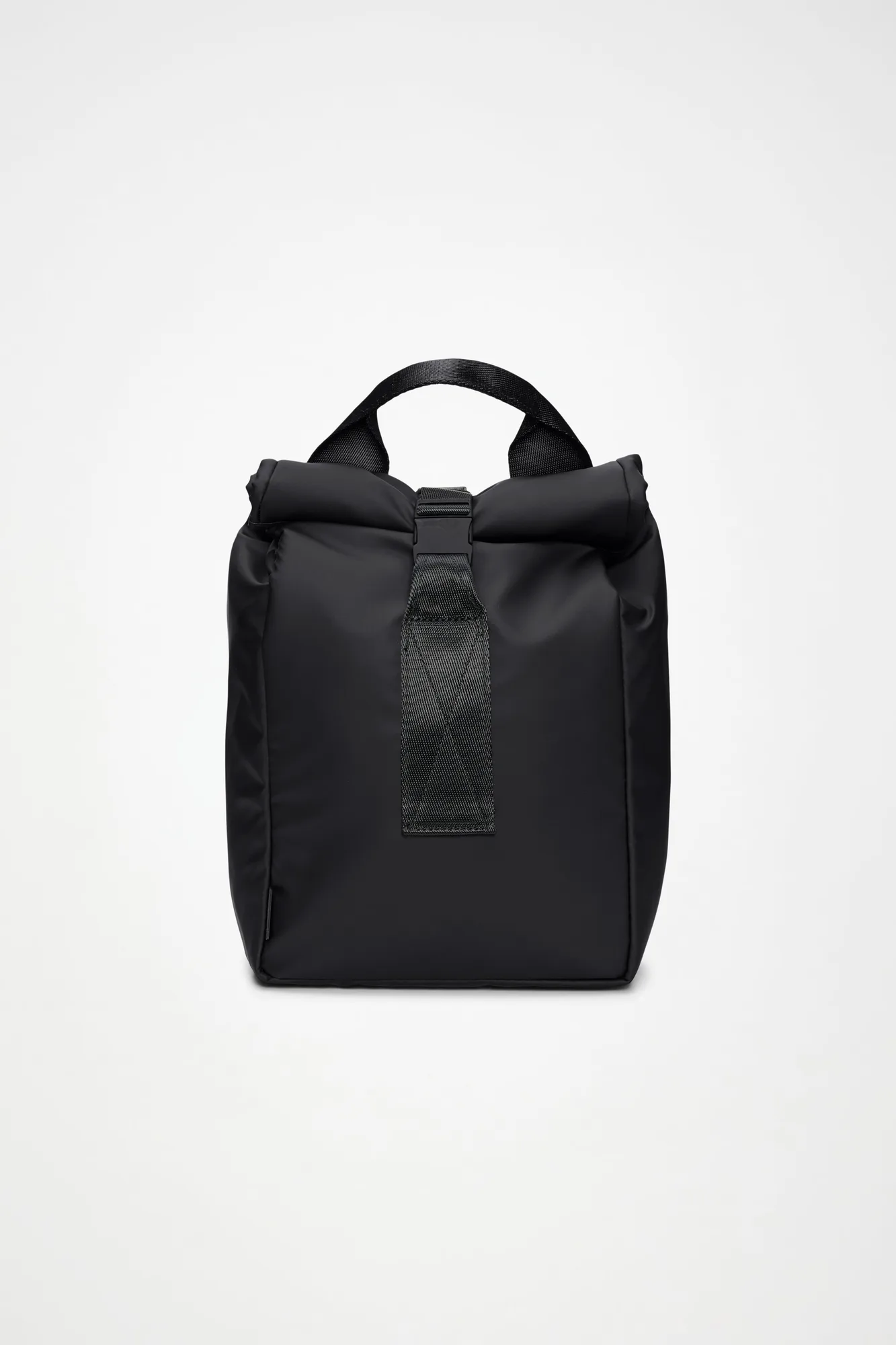
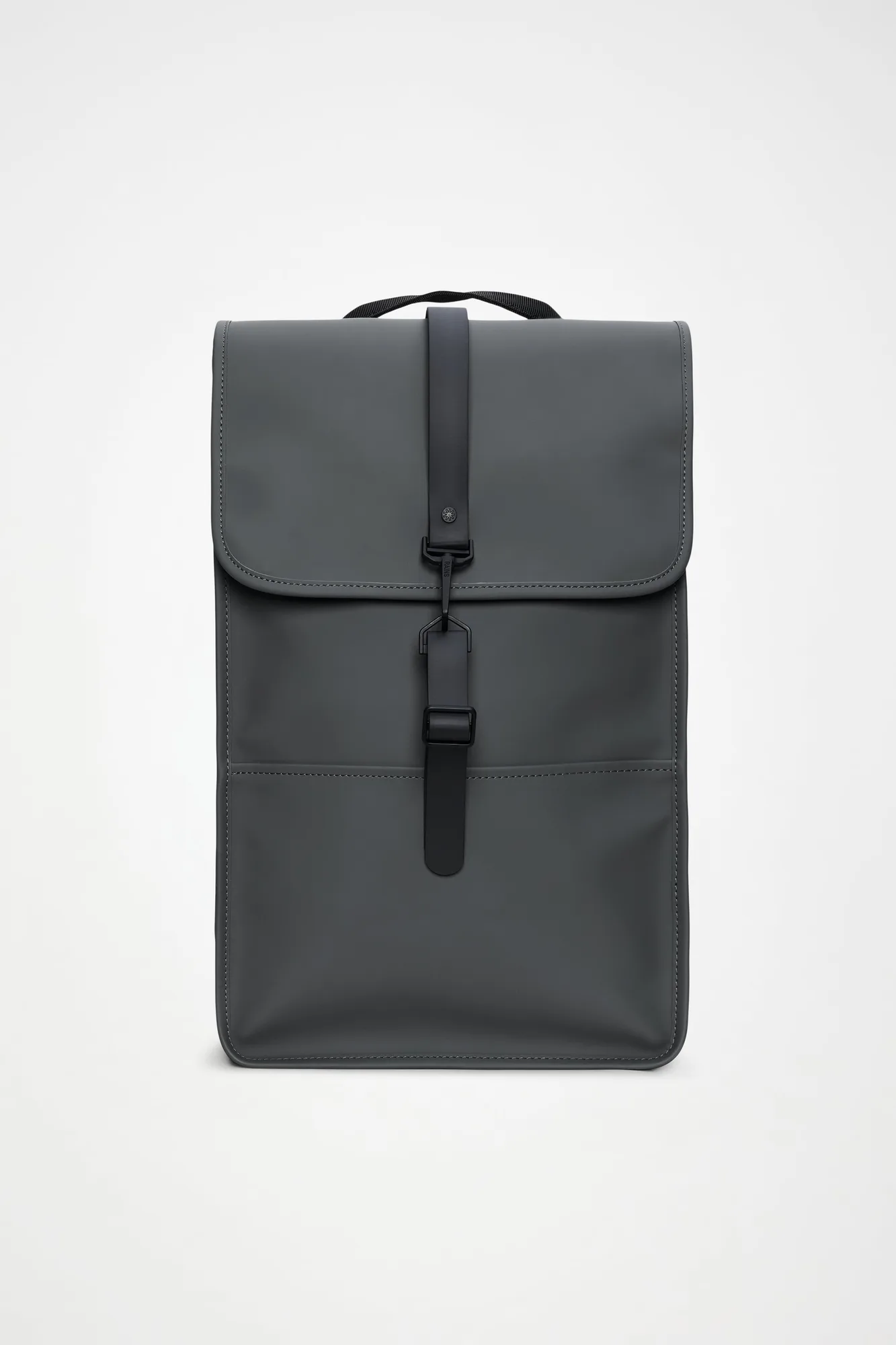
Beyond raw capacity, the way a backpack is organized affects how much you can actually carry. A round zip opening, like on the Rains Clip Front Backpack, gives full access to the main compartment, making it easier to pack and find items. External pockets, such as a front zip pocket or a hidden compartment, add quick-access storage for keys, phone, or transit cards.
Consider how you'll wear the backpack. A wide, padded shoulder strap or a sternum strap can distribute weight more comfortably, especially if you're carrying a heavy laptop. A backpack with a clean, seamless silhouette may look sleek but might lack external pockets—so think about whether you need quick access to small items during your commute.
- Look for a backpack with a luggage pass-through if you frequently travel with a rolling suitcase.
- Water-repellent materials add protection for rainy commutes, but check the zippers and seams for full waterproofing if you're in heavy rain.
Decision rules for choosing your backpack size
- List your daily essentials: Write down everything you carry on a typical day: laptop, charger, lunch, water bottle, umbrella, gym clothes, books, etc. Estimate the total volume in liters—a laptop takes about 2–3 liters, a lunch bag 3–5 liters, a change of clothes 5–8 liters. If your essentials add up to less than 15 liters, a 15–20 liter backpack is enough. If they reach 20–25 liters, choose a 25–30 liter bag.
- Measure your laptop first: Check the backpack's laptop sleeve dimensions against your laptop's actual size, including any case. A sleeve that's too small is a dealbreaker, no matter how much you like the design. If the backpack doesn't specify a laptop size, look for a model with a clearly padded compartment or contact the brand.
- Consider your commute style: Do you walk, bike, or take public transport? A smaller, lighter bag is easier on a bike or in crowded trains. If you drive or have a locker at work, you can afford a slightly larger bag with more features. Match the backpack's size and features to the physical demands of your commute, not just your storage needs.
Rains backpacks for commuting
- Delphi Backpack: Backpack with seamless silhouette and sculpted metallic accents. Made from 100% recycled nylon with a satin-like, water-repellent finish, it balances protection with urban refinement and organized storage. The water-repellent finish and organized storage make it a stylish choice for city commuters who want protection from light rain and a clean look. The seamless design gives it a modern, sculptural appearance that works from office to evening.
- Clip Front Backpack: Clip Front Backpack features a round zip opening for full access and a second c-clip closure at the front. Unclip the front closure to reveal a 'hidden' pocket or clip over for extra security when traveling. The round zip opening lets you see and reach everything without digging, while the hidden front pocket adds secure quick-access storage. The c-clip closure can also secure the bag when you're in crowded spaces.
Who should choose which size
Best for
- Commuters who carry only a laptop, a few documents, and a small lunch—a 15–20 liter backpack like the Clip Front Backpack offers a compact, organized solution.
- Urban professionals who want a water-repellent, stylish backpack with organized storage for a laptop and daily essentials—the Delphi Backpack's seamless design fits this profile.
Not for
- People who need to carry gym clothes, extra shoes, or a large lunch—these require a 25–30 liter backpack with more main compartment space.
- Travelers who need to pack for overnight trips—a 30+ liter backpack or a duffel is more appropriate.
Choosing the right backpack size for your daily commute comes down to knowing what you carry and how you travel. Start with your essentials, measure your laptop, and think about your commute's physical demands. A well-sized backpack makes your daily routine easier and more comfortable.