Quick answer
The base curve (BC) of a colored contact lens must match the curvature of your cornea for a comfortable, secure fit. Most colored lenses come in a standard BC of 8.6mm or 8.7mm, and you should choose the one that aligns with your eye's curvature, which your eye care professional can measure. If you're between sizes, opt for the flatter (larger) BC if your eye is average, but always prioritize a professional fitting.
Choosing the right base curve for colored contact lenses is crucial for both comfort and eye health. The base curve is the measurement of the back surface of the lens, which should match the curve of your cornea. A poor fit can lead to discomfort, blurry vision, or even corneal abrasions. This guide will help you understand base curve, compare common sizes like 8.6 and 8.7, and give you practical rules to make the right choice.
While many colored lenses are available in a standard base curve, not all eyes are the same. Your optometrist can measure your corneal curvature using a keratometer or corneal topographer. If you're buying online, you'll need to rely on your prescription and any fitting information from a previous eye exam. Here’s what you need to know.
What is Base Curve and Why Does It Matter?
The base curve (often abbreviated as BC) is the radius of curvature of the inner surface of a contact lens, measured in millimeters. It determines how tightly or loosely the lens sits on your eye. A lens with a BC that is too steep (smaller number) may pinch the cornea, causing discomfort and reduced tear flow. A lens that is too flat (larger number) may move too much, causing irritation and blurry vision.
For colored contact lenses, the base curve is especially important because the tinted portion must align properly with your iris. If the lens doesn't fit well, the color might not sit correctly, affecting your look and potentially blocking vision. Always check the BC on the product specifications and compare it to your eye's curvature.
- BC is measured in millimeters (e.g., 8.6mm, 8.7mm, 8.8mm).
- The typical range for contact lenses is 8.0 to 9.0mm.
- Your eye care professional can tell you your ideal BC from a fitting exam.
Base Curve 8.6 vs 8.7: What's the Difference?
The difference between 8.6mm and 8.7mm is only 0.1mm, but for some eyes, that tiny difference can affect comfort. An 8.6mm BC is slightly steeper (more curved), which may fit better for corneas that are more curved. An 8.7mm BC is slightly flatter, which may be better for corneas that are less curved. Most people have an average corneal curvature that falls within this range.
If you have a prescription that specifies a BC, use that. If you don't, and you're between sizes, many wearers find 8.7mm comfortable because it allows a bit more movement and tear exchange. However, the only way to know for sure is to try them under the supervision of an eye care professional.
- 8.6mm: steeper fit, may be better for more curved corneas.
- 8.7mm: flatter fit, may be better for average to flatter corneas.
- If you experience discomfort with one, try the other (with professional guidance).
How to Determine Your Base Curve
The most accurate way to determine your base curve is to have an eye exam. Your optometrist will measure your corneal curvature and prescribe the appropriate BC. If you already wear contact lenses, check the box or your prescription for the BC value. Many online retailers list the BC for each product, so you can compare.
If you're buying colored lenses for the first time and don't have a BC measurement, it's best to visit an eye care professional for a fitting. They can ensure the lens fits properly and teach you how to insert and remove them safely. Never guess your BC, as an incorrect fit can harm your eyes.
- Check your current prescription for BC.
- Look for BC on the product page or packaging.
- When in doubt, consult an optometrist.
Product Specifications: What to Look For
When browsing colored contact lenses, you'll see specifications like DIA (diameter), BC, water content, and material. For example, the Aurora Blue lenses have a DIA of 14.2mm and a BC of 8.7mm, with 40% water content. These are typical for many colored lenses. The Angeles Gray lenses have a slightly smaller DIA (14.0mm) and a BC of 8.6mm, which might be better for those with smaller eyes or who prefer a more natural look.
Angeles Gray
It's important to note that while these specifications are standard, they may not fit everyone. Always compare the BC to your own measurements. If you have a prescription, ensure the lens is available in your power. Some lenses, like the New York N Gray, come in various powers, but others may not have options for astigmatism or presbyopia.
- Check DIA and BC together to ensure proper coverage and fit.
- Water content affects comfort; 40% is common for hydrogel lenses.
- Some lenses have a smaller pupil hole (like New York N Gray) which can obstruct vision—be aware.
Decision Rules for Choosing Base Curve
- Rule 1: Know your BC: Get your base curve from an eye exam or your current lens prescription. Never guess. If you don't know it, schedule an eye exam before ordering.
- Rule 2: Match the BC exactly: Choose a lens with the same BC as your prescription. If that's not available, choose the closest (within 0.2mm) and consult your eye doctor. Exact match is best; close may be acceptable but requires professional advice.
- Rule 3: Consider comfort and movement: If you experience discomfort, dryness, or the lens moves too much, the BC may be wrong. Try a different BC if available. Comfort is key; don't ignore signs of poor fit.
- Rule 4: Verify product specifications: Always check the BC on the product page or packaging. Our products list BC clearly (e.g., 8.6mm or 8.7mm). Be an informed buyer; compare specs before purchasing.
Product Facts: Base Curves in Our Store
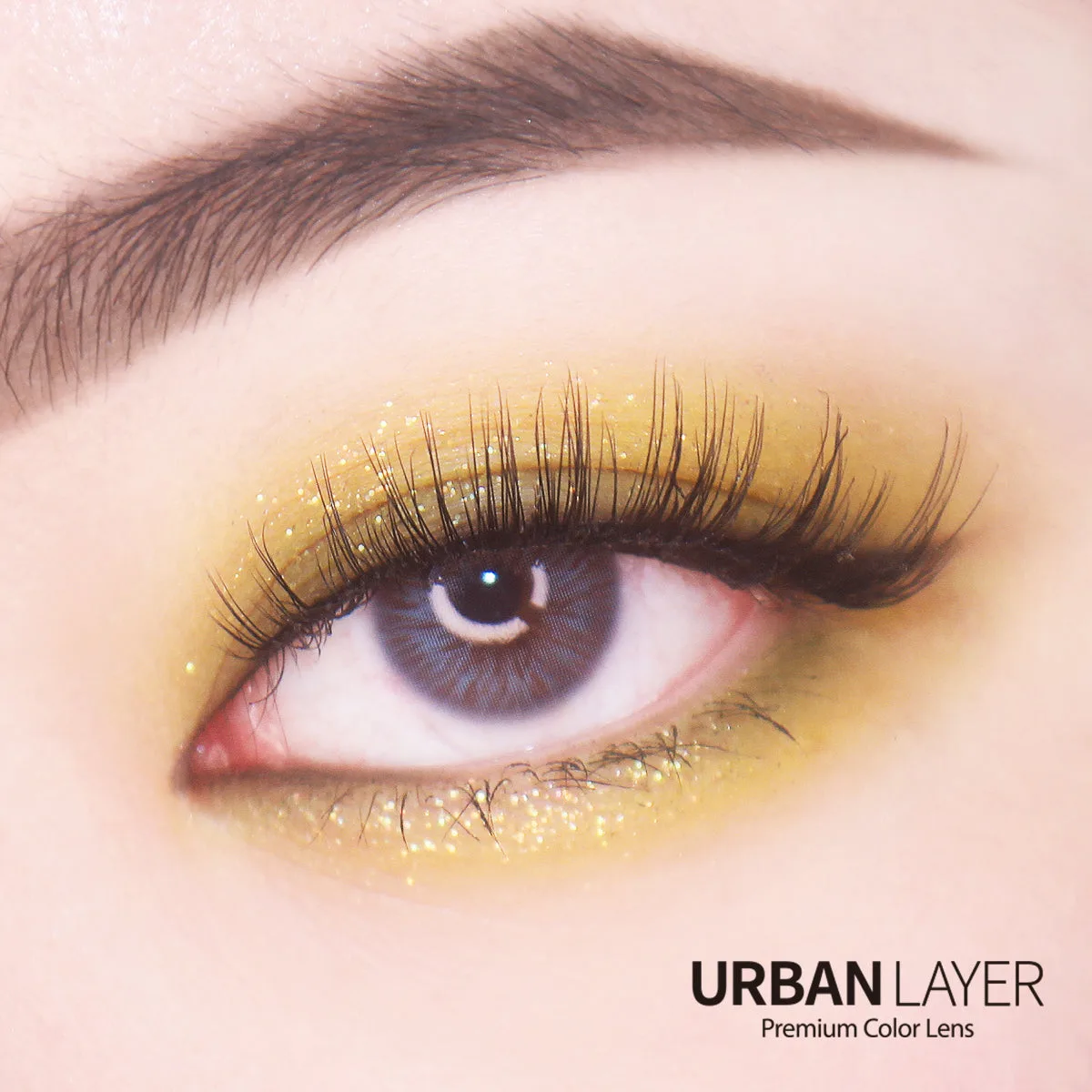
- Aurora Blue: DIA 14.2mm, B.C 8.7mm, 2 pieces per box, 1 year, hydrogel, water content 40%, made in Korea. The 8.7mm base curve is a common standard that fits many average corneas. The 14.2mm diameter gives good coverage for a bold color effect.
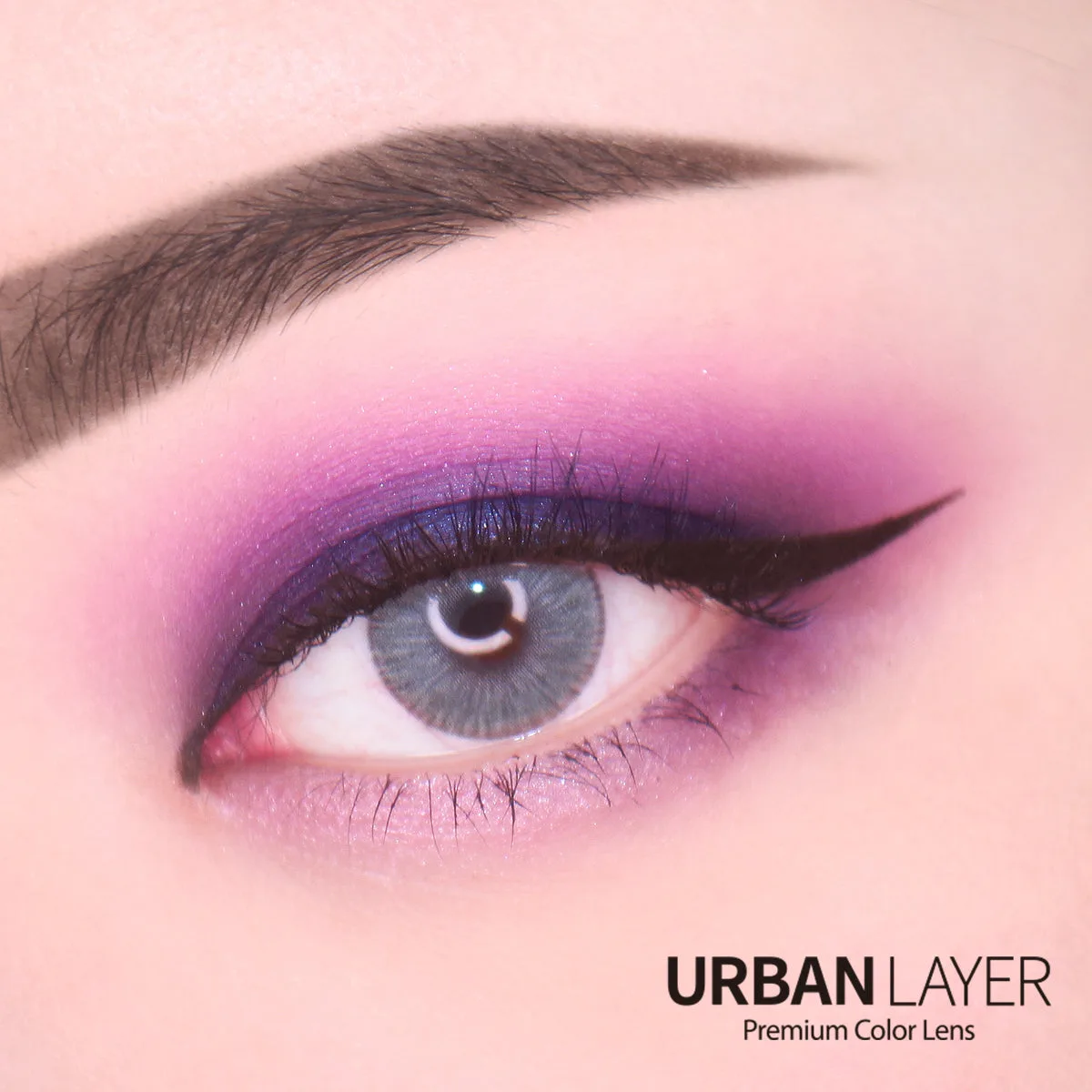
- Angeles Gray: DIA 14.0mm, B.C 8.6mm, 2 pieces per box, 1 year, hydrogel, water content 40%, made in Korea. The 8.6mm base curve is slightly steeper, which may be better for more curved corneas. The smaller diameter offers a more natural look.
- F550 Orange Demon: DIA 14.2mm, B.C 8.7mm, 2 pieces per box, 1 year, hydrogel, water content 40%, made in Korea. Cosplay lens by Crazy Lab. For cosplay lenses, a proper fit is crucial for long wear during events. The 8.7mm BC is standard, but always check your own BC.
Fit Guidance: Who Should Choose Which Base Curve?
Best for
- 8.7mm base curve: Ideal for those with average corneal curvature or who prefer a slightly looser fit for better tear exchange.
- 8.6mm base curve: Better for individuals with steeper corneas or who prefer a snugger fit.
Not for
- If you have a very flat or very steep cornea, standard BCs may not fit; consult an eye care professional for custom options.
- If you have astigmatism, you may need toric lenses with a specific BC and cylinder; standard colored lenses may not be suitable.
Choosing the right base curve for colored contact lenses is essential for comfort and eye health. By knowing your BC and comparing it to product specifications, you can find lenses that fit well and look great. Remember to always prioritize a professional fitting, especially if you're new to contacts. Explore our collection of colored lenses, like the Aurora Blue, which features a standard 8.7mm base curve, to find your perfect match.