Quick answer
For a beginner quilt that will be machine quilted, start with a low-loft cotton batting. It gives a flat, natural look, holds up to washing, and is easy to handle. If you want a puffier quilt or are quilting by hand, choose a high-loft polyester or a cotton-poly blend. Always match batting loft to your quilting method and the look you want.
Batting is the layer inside your quilt that gives it warmth, thickness, and stitch definition. Choosing the wrong batting can make machine quilting difficult or leave your quilt flatter than you expected. This guide walks you through the key decisions so you can buy with confidence.
You will learn how loft and fiber content affect your finished quilt, which batting works for machine quilting versus hand quilting, and how to avoid common beginner mistakes. We will also share a few product examples from our shop that fit specific needs.
Loft: Low, Medium, or High?
Loft describes how thick and puffy the batting is. Low-loft batting is thin and flat, giving a traditional drape and making it easy to see your quilting stitches. High-loft batting is thick and lofty, creating a puffy, comforter-like quilt. Medium loft sits in between. For most beginners, low loft is the safest choice because it is forgiving on a home sewing machine.
If you plan to machine quilt on a domestic machine, low or medium loft is best. High loft can be bulky and hard to maneuver, especially in a standard throat space. If you are hand quilting, high loft can be difficult to needle through. Choose based on your method and the look you want.
- Low loft: best for machine quilting and a flat, modern look.
- Medium loft: good for a slightly puffier quilt without extra bulk.
- High loft: best for hand tying or simple quilting, not dense machine quilting.
Fiber Content: Cotton vs Polyester vs Blends
Cotton batting is breathable, natural, and gives a flat, antique look. It shrinks slightly after washing, which creates a crinkled, vintage texture. Polyester batting is lofty, lightweight, and resists shrinking, so your quilt stays smooth and puffy. Blends combine cotton and polyester for a balance of drape and loft.
Cotton is a good choice if you want a quilt that breathes and feels like an heirloom. Polyester is better if you want warmth without weight or a high-loft look. Blends are a practical middle ground, but check the label for specific care instructions.
- Cotton: natural, breathable, shrinks for a crinkled look.
- Polyester: lofty, warm, resists shrinking, good for high loft.
- Blends: combine benefits, but read care labels carefully.
Match Batting to Your Quilting Method
Machine quilting works best with low or medium loft batting. The batting needs to feed smoothly through your machine without shifting. If you are using a walking foot or free-motion quilting, low loft is easiest. High loft can cause puckers and skipped stitches on a home machine.
Hand quilting requires a batting that is easy to needle. Low-loft cotton or a cotton-poly blend is ideal. High-loft polyester is too thick for most hand quilters. If you plan to tie your quilt instead of quilt it, high loft works well because you are not stitching through many layers.
- Machine quilting: choose low or medium loft.
- Hand quilting: choose low-loft cotton or blend.
- Tied quilt: high loft is fine and adds puffiness.
Scrim, Bonding, and Stitch Distance
Some battings have a scrim (a thin layer of glue or fabric) that adds stability and prevents stretching. Scrim is helpful for machine quilting because it holds the batting together. However, scrim can make the batting stiffer. If you want a soft drape, choose a batting without scrim.
Stitch distance tells you how far apart your quilting lines can be. Most battings list a maximum stitch distance on the package. If you quilt farther apart than recommended, the batting may shift or bunch. For beginner quilts, stay within the recommended distance, often 4 to 10 inches.
- Scrim adds stability but reduces drape.
- Check the maximum stitch distance on the label.
- When in doubt, quilt closer together.
Size and Pre-Cutting
Batting comes in precut sizes (crib, twin, queen, king) or by the yard. Precut sizes are convenient but may not fit odd quilt dimensions. If you are making a custom size, buy batting by the yard and cut it slightly larger than your quilt top. You will trim the excess after quilting.
Always check the batting width against your quilt top. If your quilt is wider than the batting, you will need to piece the batting. Some battings can be butted together and stitched with a zigzag, but this adds bulk. For beginners, buy batting wide enough to avoid piecing.
- Measure your quilt top before buying batting.
- Buy batting at least 4 inches wider and longer than your quilt top.
- Precut sizes are easier but less flexible.
Decision rules for buying quilt batting
- If you are machine quilting on a home machine: Choose low-loft cotton or a cotton-poly blend. Avoid high-loft polyester, which can be bulky and cause puckers. Low loft is your safest bet for smooth machine quilting.
- If you want a puffy, comforter-like quilt: Choose high-loft polyester batting. It is lightweight and resists shrinking, so the puffiness stays after washing. High loft is best for tied quilts or simple quilting.
- If you are hand quilting: Choose low-loft cotton or a cotton-poly blend. High-loft polyester is too thick to needle comfortably. Prioritize needle ease over loft.
- If you want a vintage, crinkled look: Choose 100% cotton batting. It shrinks slightly after the first wash, creating that antique texture. Cotton gives natural drape and a heirloom feel.
- If you are unsure: Buy a crib-size package of low-loft cotton batting and make a small practice quilt first. Test how it quilts and washes before committing to a large project. A small test saves time and fabric.
Product facts to help you choose
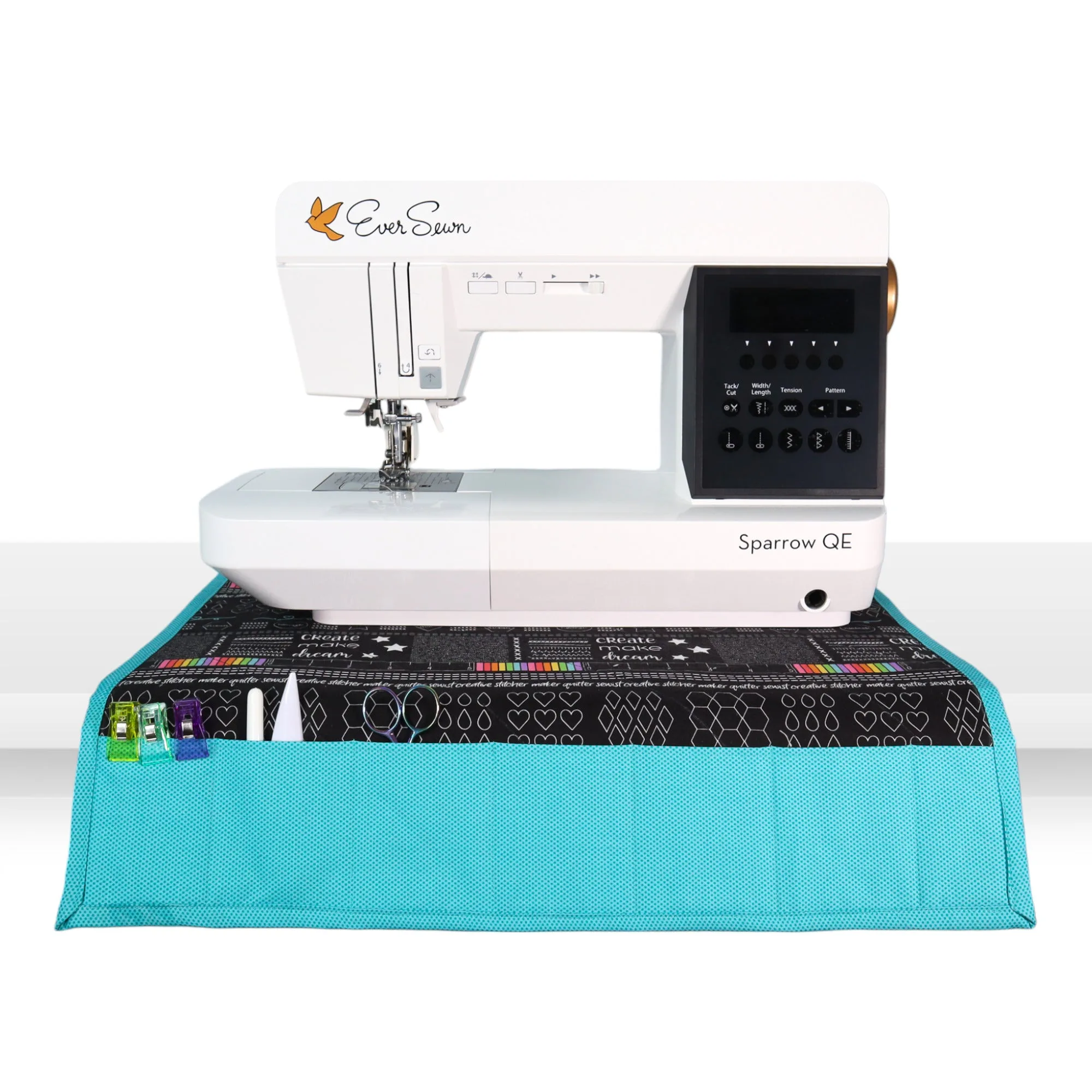
- Sewing Machine Mat Sewing Kit: Designed to protect your table from marks and scratches, the mat also helps absorb machine noise and vibration for a smoother, quieter sewing experience. Built-in pockets keep your snips, seam ripper, clips, and other sewing tools right where you need them. A stable, organized sewing surface makes machine quilting easier, especially when working with low-loft batting that requires smooth feeding.
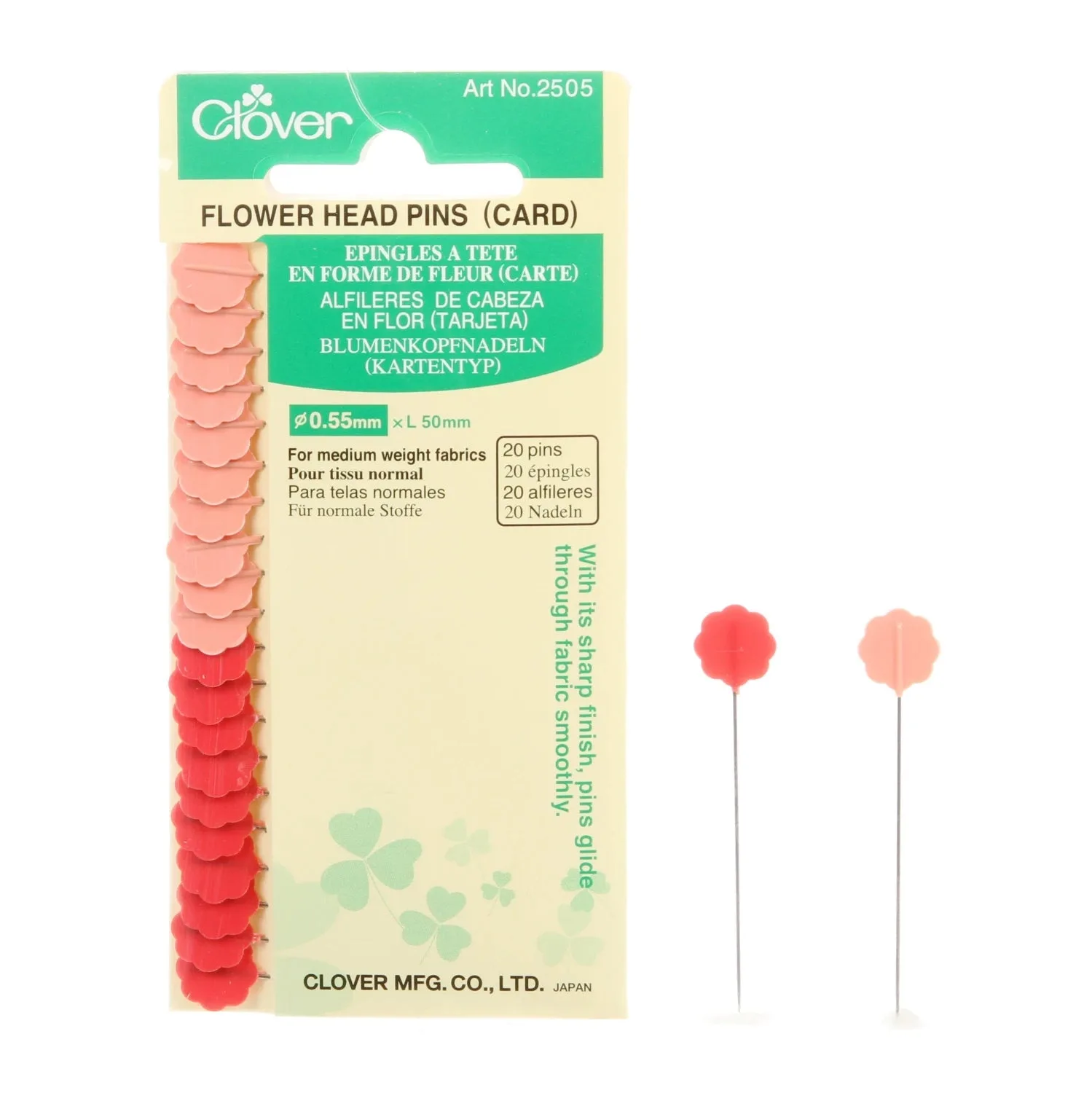
- Clover Flower Head Pin Size 32 - 2in 20ct 2 colors: Flower Head Pins are good for general pinning. Especially useful for pinning lace, eyelets, loosely woven embellishments. These pins hold together many layers of fabric. The flat head is convenient for machine stitching. When basting your quilt layers, flat-head pins lie flush against the fabric and are less likely to catch on your sewing machine foot.
Is this batting right for you?
Best for
- Beginners who want a forgiving batting for machine quilting
- Quilters making a flat, modern quilt with visible stitching
- Hand quilters who need a low-loft, needle-friendly batting
Not for
- Quilters who want a high-loft, puffy quilt (choose high-loft polyester instead)
- Those making a tied quilt who want extra warmth without weight (consider a polyester batting)
- Quilters who prefer a stiff, structured quilt (look for batting with scrim)
Choosing batting comes down to loft, fiber, and your quilting method. Start with low-loft cotton for machine quilting, switch to high-loft polyester for a puffy tied quilt, and always test a small sample if you are unsure. With these decision rules, you can pick the right batting and enjoy a smoother quilting experience.