Quick Answer
Choose a bird cage food dish based on your bird's size and chewing habits. For most parakeets and cockatiels, a medium ceramic or stainless steel dish is ideal because it's durable and easy to clean. Avoid plastic if your bird chews, and always ensure the dish mounts securely to the cage.
Material Matters: Ceramic, Plastic, and Stainless Steel
The material of your bird's food dish affects durability, safety, and cleaning ease. Ceramic dishes are heavy and tip-resistant, making them great for larger birds that like to perch on the rim. Plastic is lightweight and inexpensive but can be chewed and may harbor bacteria if scratched. Stainless steel is non-porous and easy to sanitize, but it can be pricier.
For birds that like to toss their food, a heavier dish like ceramic helps reduce mess. For birds that chew, avoid plastic and opt for ceramic or stainless steel to prevent ingestion of plastic particles.
Consider the cleaning routine: ceramic and stainless steel are dishwasher-safe (check manufacturer instructions), while plastic may warp or scratch. If you use multiple dishes, having a spare makes swapping during cleaning easier.
Size and Depth: Matching the Dish to Your Bird
The dish should be large enough for your bird to eat comfortably but not so deep that it's hard to reach. For parakeets and cockatiels, a dish about 3-4 inches in diameter and 2 inches deep works well. Larger parrots need bigger, deeper dishes.
Consider the type of food: seed mixes may need a wider dish to allow foraging, while fresh foods like fruits and veggies can be placed in a separate shallow dish. Avoid dishes that are too deep for small birds, as they may struggle to climb out.
If you have multiple birds, provide separate dishes to prevent competition and ensure each bird gets enough food.
Mounting and Placement: Secure and Accessible
Food dishes can be mounted inside the cage, attached to the door, or placed on the cage floor. Inside-mounted dishes should be secure and easy to remove for cleaning. Door-mounted dishes are convenient but may be less stable for larger birds.
Place the dish away from perches and toys to avoid contamination from droppings. Also, keep it away from water sources to prevent food from getting wet.
For birds that are heavy chewers, choose a dish with a sturdy locking mechanism to prevent it from being dislodged.
Decision Rules for Choosing a Bird Cage Food Dish
- If your bird is a chewer: Avoid plastic dishes. Choose ceramic or stainless steel to prevent damage and ingestion of plastic pieces. Opt for ceramic or stainless steel.
- If your bird is small (parakeet, cockatiel): Select a dish 3-4 inches in diameter and about 2 inches deep. Ensure it's not too deep for easy access. Medium size works best.
- If you feed fresh foods: Use a separate shallow dish for fruits and veggies to prevent spoilage and make cleaning easier. Consider a two-dish system.
Product Facts
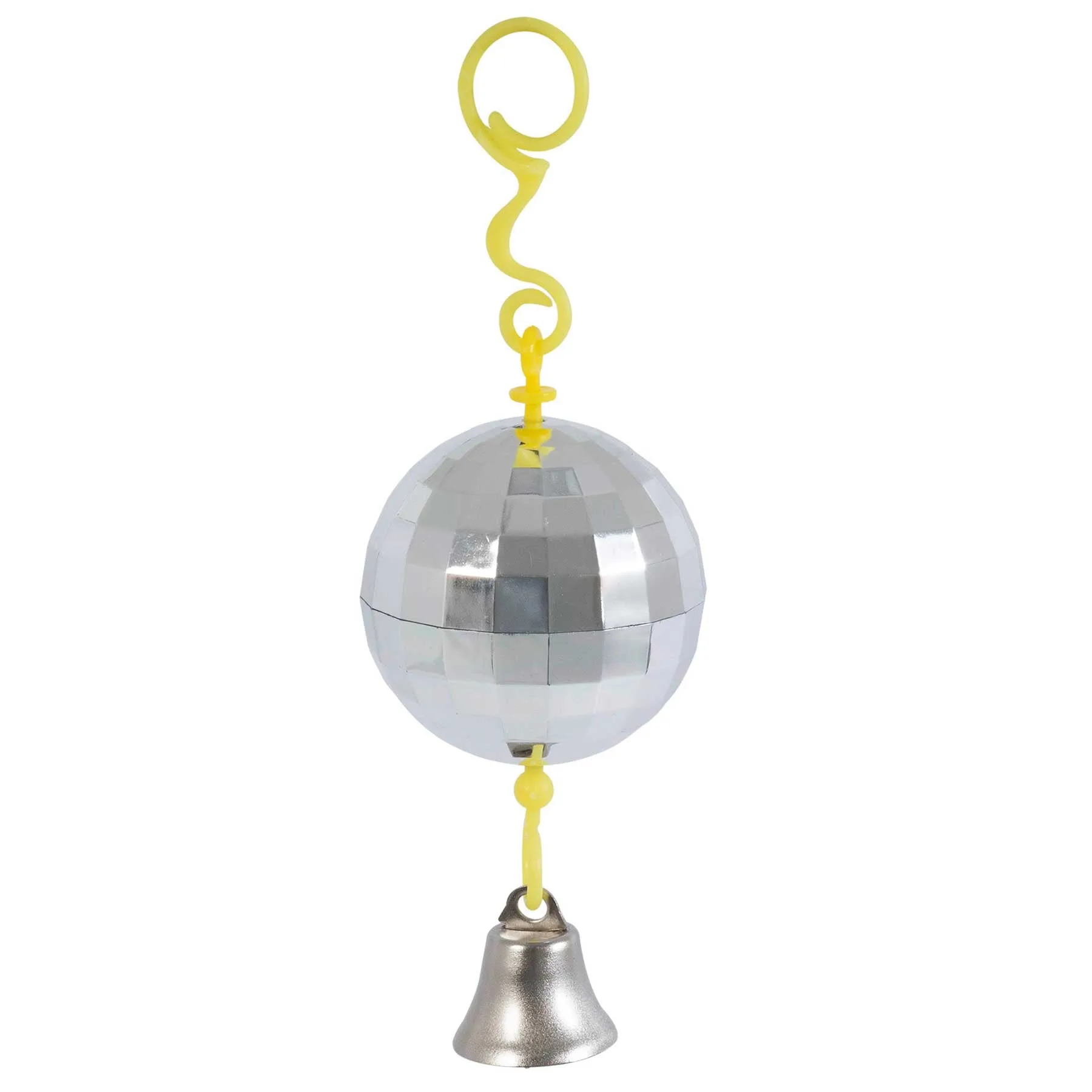
- JW Disco Ball Bird Toy: The JW® Pet ActiviToy® Disco Ball bird toy attracts a pet bird to dance as the many mirror-like surfaces made up of tiny reflective squares catch light from all directions. Easy to securely hang from a wire cage, just curl the plastic hanger around the wire. Features a bell for a pet bird's added enjoyment and entertainment. Relieves cage boredom and engages a bird's motor skills. Great for cockatiels, parakeets,… While not a food dish, this toy provides enrichment that can reduce boredom-related feather plucking and encourage natural behaviors. Pair it with a sturdy food dish to create a stimulating environment.
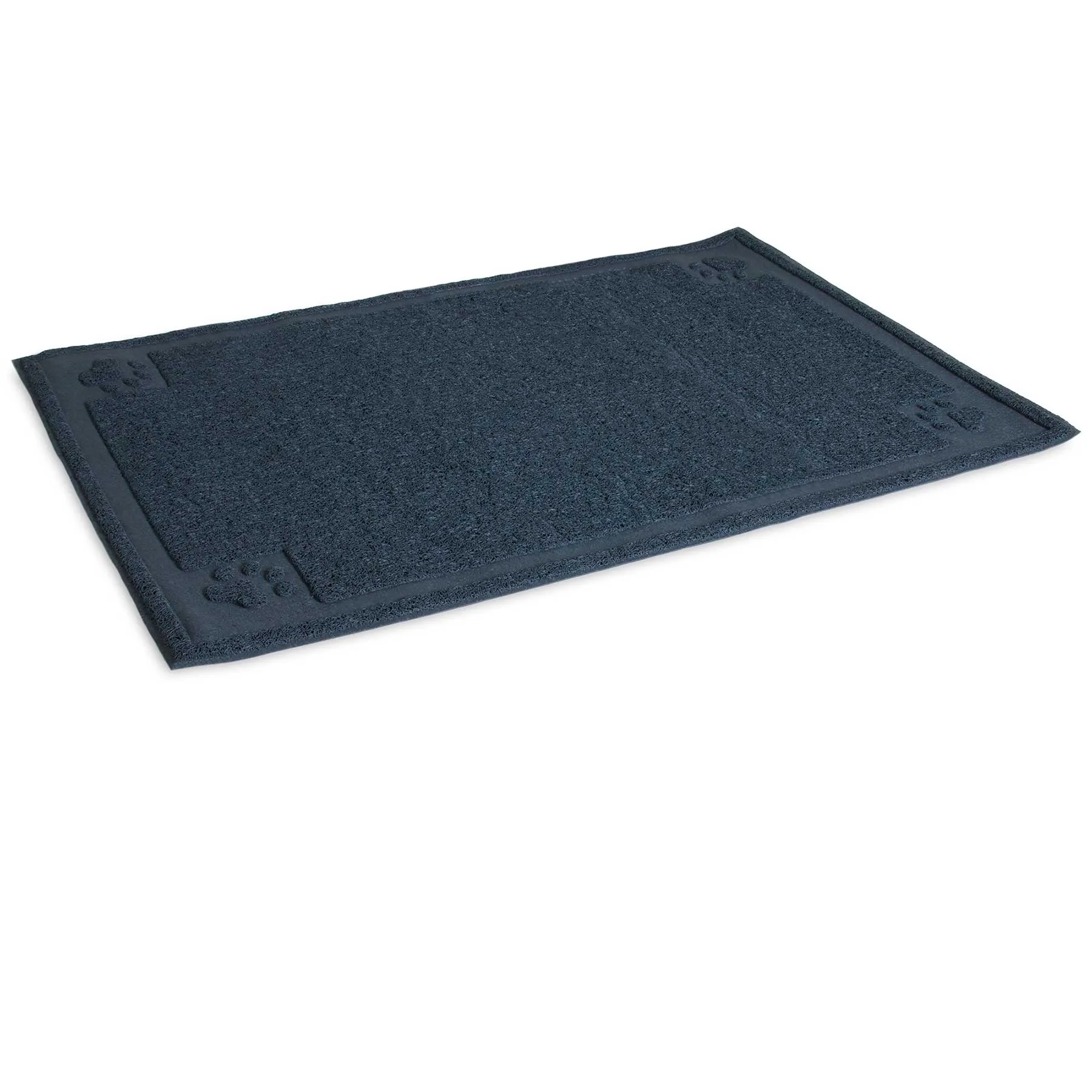
- Petmate Paws Large Litter Catcher Mat: Minimize litter scatter and keep floors around your cat's litter box litter-free with a Petmate® Paws Litter Catcher Mat. Created from a soft, rubberized material that is gentle on paws, the webbed design traps litter that may be stuck on your cat's paws as he exits his litter box, locking litter inside the mat instead of on your floors. Measuring 35" L x 23.5" W, the large Paws Litter Catcher Mat comes in a dark,… Although designed for cats, this mat's principle of trapping mess can inspire bird owners to place a similar mat under the cage to catch spilled seeds and feathers, making cleanup easier.
Fit Guidance
Best for
- Parakeets and cockatiels that need a sturdy, easy-to-clean dish
- Bird owners who prefer low-maintenance cleaning routines
Not for
- Large parrots that require extra-large, heavy-duty dishes
- Birds that are aggressive chewers and may damage ceramic or stainless steel