When you're planning a camping trip, packing the right gear can make or break your experience. While sleeping bags and pads often steal the spotlight, a good camping blanket is an essential piece of camp bedding that offers versatility and comfort. Whether you're lounging around the campfire, taking an afternoon nap, or adding an extra layer of warmth inside your sleeping bag, the right outdoor blanket can elevate your outdoor adventures.
But with so many options available, how do you choose the perfect camping blanket? This guide will walk you through the key factors to consider, from materials and insulation to size and packability. By the end, you'll know exactly what to look for in a klymit blanket or any other outdoor blanket to ensure you stay warm and comfortable on your next trip.
Why a Camping Blanket Matters
A camping blanket is more than just a piece of fabric; it's a multi-functional tool that enhances your outdoor experience. Unlike a sleeping bag, which is designed to trap body heat in a cocoon-like manner, a blanket offers flexibility. You can use it as a ground cover, a picnic blanket, a wrap for chilly evenings, or an extra insulating layer inside your sleeping bag.
For campers who prioritize lightweight and compact gear, a dedicated camping blanket is a smart choice. It takes up less space than a bulky sleeping bag and can be easily packed into a backpack or duffel. Moreover, high-quality outdoor blankets are designed to withstand the rigors of the outdoors, providing durability and warmth without the extra bulk.
- Versatile: Use it as a blanket, ground cover, or pillow.
- Space-saving: Packs smaller than a traditional sleeping bag.
- Layering: Adds extra warmth when combined with your sleeping pad and bag.
Key Factors to Consider When Choosing a Camping Blanket
When shopping for a camping blanket, several factors come into play. Understanding these will help you make an informed decision that suits your camping style and needs.
First, consider the insulation type. Blankets can be filled with down, synthetic fibers, or even fleece. Down is incredibly warm and compressible but loses its insulating properties when wet. Synthetic insulation, on the other hand, dries quickly and retains warmth even when damp, making it a reliable choice for unpredictable weather. Fleece blankets are soft and cozy but are best for milder conditions.
Next, think about the outer shell material. A durable, water-resistant shell will protect the insulation from moisture and abrasion. Many camping blankets feature a ripstop nylon or polyester shell that is both lightweight and tough. Some also have a water-repellent coating, which is a great feature for outdoor use.
Size and weight are also crucial. If you're backpacking, you'll want a blanket that packs down small and weighs less than a pound. For car camping or basecamp use, you can afford a larger, heavier blanket that offers more coverage and warmth. Always check the packed dimensions and weight to ensure it fits your gear setup.
- Insulation: Down (warm, compressible) vs. synthetic (water-resistant) vs. fleece (cozy).
- Shell material: Look for ripstop nylon or polyester with water resistance.
- Size and weight: Match to your camping style (backpacking vs. car camping).
- Packability: Check packed size and included stuff sack.
Types of Camping Blankets
Camping blankets come in various styles, each designed for specific uses. Understanding the differences can help you pick the right one.
The classic outdoor blanket is the all-purpose throw, like the Roamer Throw Tarps, which is not only a blanket but also a versatile tarp. It can be used as a ground cloth, sun shade, or emergency shelter. These are typically made from durable materials and are larger in size, making them ideal for group camping.
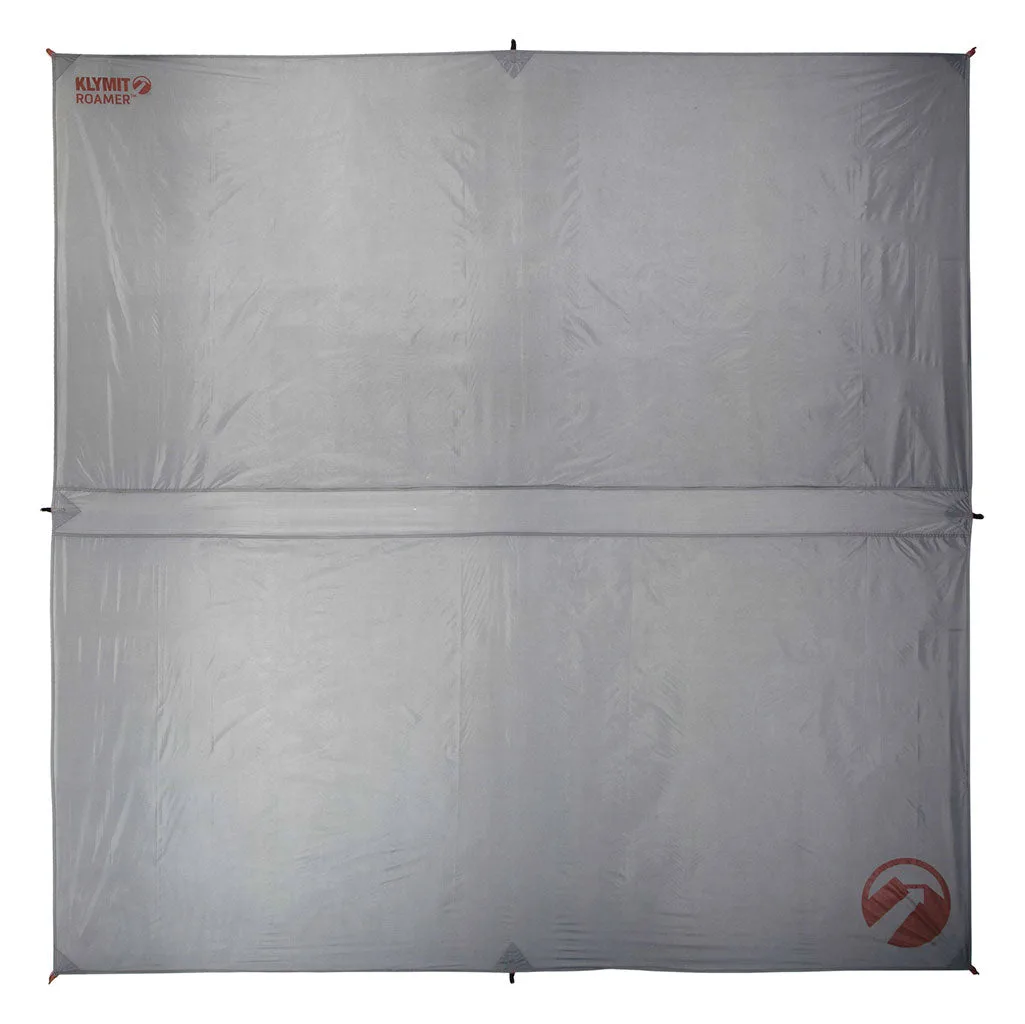
Roamer Throw Tarps
For those who want a dedicated sleeping blanket, there are insulated options that mimic the warmth of a sleeping bag but in a flat, open design. These often feature a foot box or snap closures to keep you covered throughout the night. Some even have a sleeve for a sleeping pad to prevent you from rolling off.
Another popular type is the packable travel blanket, which is lightweight and compressible, perfect for backpacking or festivals. These are often made with synthetic insulation and come with a stuff sack for easy storage.
Finally, there are fleece blankets, which are soft and comfortable for mild weather or as a liner inside a sleeping bag. They are not as warm as insulated options but are great for summer camping or as an extra layer.
- Multi-purpose throws: Versatile for various outdoor activities.
- Insulated sleeping blankets: Feature foot boxes and pad sleeves.
- Packable travel blankets: Lightweight and compressible.
- Fleece blankets: Soft and cozy for mild conditions.
How to Match a Blanket to Your Camping Style
Your camping style is a major determinant in choosing the right blanket. If you're a minimalist backpacker, every ounce counts. You'll want a blanket that is ultralight, packs small, and provides enough warmth for the expected temperatures. Synthetic-insulated blankets are often the best choice here because they perform well in damp conditions and are easy to compress.
For car campers and families, comfort is key. You can opt for a larger, plush blanket that offers generous coverage. Look for features like a soft flannel or fleece lining, a water-resistant bottom, and even a stuff sack for easy storage. The Roamer Throw Tarps, for example, doubles as a blanket and a tarp, making it a great addition to any car camping setup.
If you're a side sleeper or someone who tosses and turns, consider a blanket with a pad sleeve or foot box to keep it in place. This ensures you stay covered throughout the night without drafts. Additionally, if you camp in colder months, look for a blanket with a higher insulation rating or one that can be used in conjunction with a sleeping pad for added warmth.
- Backpackers: Prioritize weight and packability.
- Car campers: Focus on comfort and size.
- Cold weather campers: Choose higher insulation or layer with a pad.
Caring for Your Camping Blanket
Proper care extends the life of your camping blanket and keeps it performing at its best. Always check the manufacturer's instructions for cleaning and storage. Most synthetic blankets can be machine washed on a gentle cycle and tumble dried on low. Down blankets require special care, often needing a front-loading washer and a low-heat dryer with tennis balls to fluff the down.
When not in use, store your blanket in a dry, cool place. Avoid compressing it for long periods, as this can reduce the loft and insulation efficiency. Instead, hang it or store it loosely in a breathable storage sack. If your blanket gets wet, dry it thoroughly before packing to prevent mold and mildew.
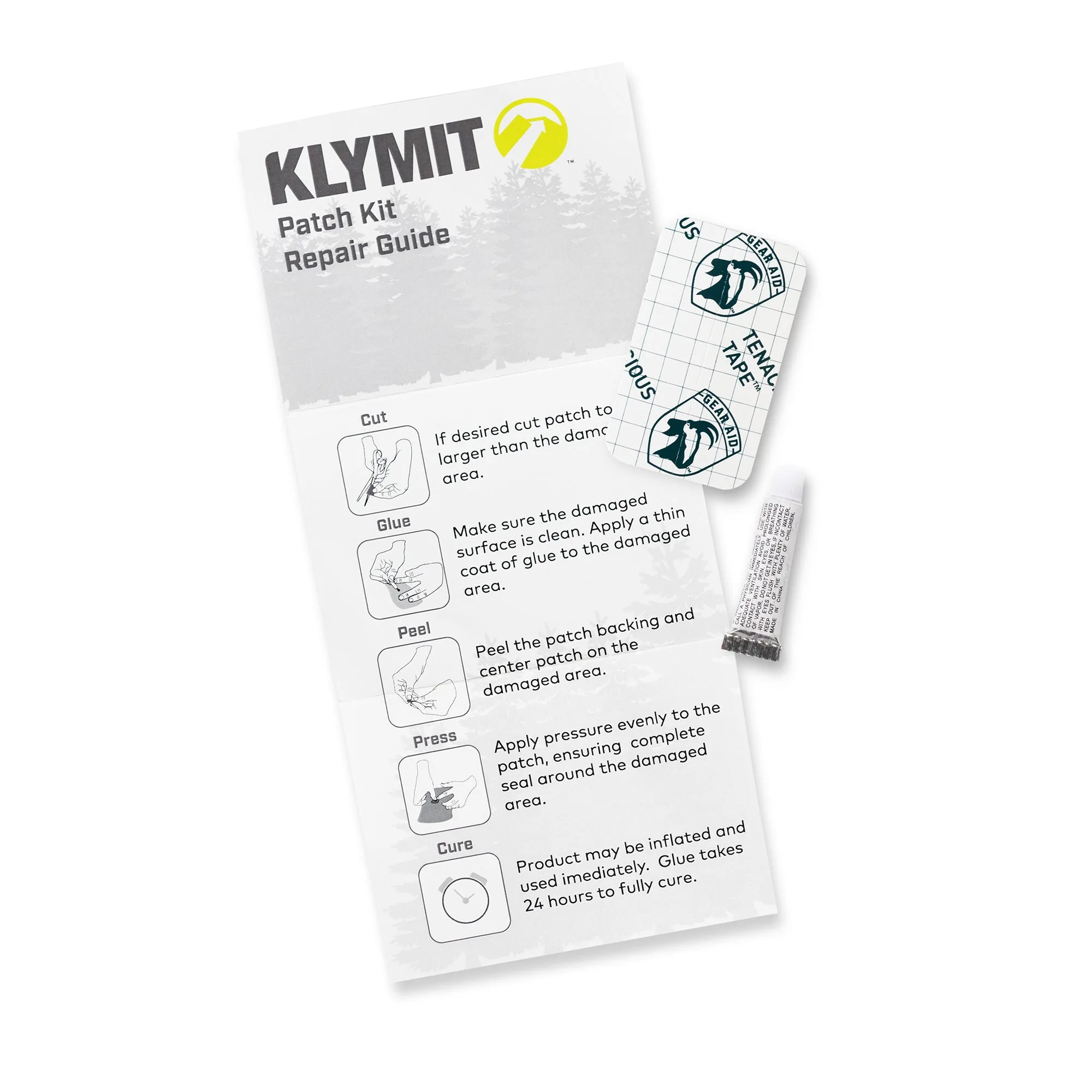
For minor tears or punctures, a repair kit like the Klymit https://klymithvx.com/products/patch-kit-aa7c05b0bc8e2b4ae7bf6734-474986Patch Kit can come in handy. It allows you to quickly patch small holes and keep your blanket in top condition. Regular maintenance ensures your outdoor blanket lasts for many seasons.
- Follow washing instructions: Synthetic vs. down care differ.
- Store loosely: Avoid long-term compression.
- Repair promptly: Use a patch kit for small damages.
Top Features to Look For in a Klymit Blanket
Klymit offers a range of camping blankets designed with the outdoor enthusiast in mind. When considering a klymit blanket, look for features that enhance your camping experience. Many Klymit blankets are made with their proprietary insulation, providing excellent warmth-to-weight ratios. They often include a water-resistant shell and a stuff sack for easy packing.
Some Klymit blankets also feature integrated pad sleeves, which are designed to work with their sleeping pads, such as the Static V2 Sleeping Pad or the Klymaloft Summit Sleeping Pads. This integration ensures that your blanket stays in place while you sleep, preventing drafts and cold spots.
Additionally, Klymit blankets often come in various sizes, from personal throws to larger double blankets, making them suitable for solo campers or couples. Look for features like snap closures, foot boxes, and draft collars to maximize warmth and comfort.
When choosing a Klymit blanket, consider the temperature rating and the intended use. Some are designed for three-season camping, while others are suitable for colder conditions. Always match the blanket to your specific needs to get the most out of your investment.
- Integrated pad sleeves for compatibility with Klymit pads.
- Water-resistant shell for moisture protection.
- Variety of sizes and temperature ratings.
Choosing the right camping blanket is all about understanding your needs and the conditions you'll face. Whether you're a backpacker looking for ultralight options or a car camper seeking maximum comfort, there's a perfect outdoor blanket out there for you. Consider factors like insulation, size, and features, and don't forget to care for your blanket properly to ensure it lasts. With the right choice, you'll stay warm and cozy on all your outdoor adventures.