Quick answer
Buy for the smallest cabin limit on your regular routes, not the largest. If you mostly fly international or regional carriers, a compact bag around 19–20 inches tall is the safer choice; if you fly U.S. mainline carriers and pack heavy, a 21–22 inch bag fits more but may be gate-checked on stricter airlines. Measure the bag's exterior, including wheels and handles, before you commit.
Start With the Route, Not the Bag
Carry-on rules are set by the airline and enforced at the gate, so the same bag can be fine on one carrier and rejected on another. Before shopping, list the two or three airlines you fly most and note their published cabin limits. Then subtract about an inch from the smallest number to account for wheels, handles, and soft-sided bags that bulge when full.
If your list includes a budget or regional carrier, treat that limit as your ceiling. A bag that fits the strictest airline on your list will fit all the others. This single rule prevents most gate-check surprises and the fees that come with them.
Read Airline Carry-On Dimensions the Same Way Every Time
Airlines publish dimensions in linear inches, usually height x width x depth. The order matters less than measuring the same way the airline does: exterior, fully packed, with wheels and handles included. A bag listed as 22 inches may measure closer to 23 once the handle is extended and the front pocket is loaded.
Depth is the number travelers underestimate. A bag that is an inch too deep can fail a sizer even when the height and width are fine. If you carry a laptop, check whether the padded sleeve adds depth beyond the published figure. When a specification is not listed, assume the measurement is for the empty bag and plan a margin.
Mini Carry-On vs Full Carry-On: Match the Bag to the Trip
A mini carry-on, roughly 16–18 inches tall, is built for one or two nights, day trips, and airlines with tight regional limits. It is easier to lift into an overhead bin and rarely draws a second look at the gate. The tradeoff is real: you will need to pack around it, and a bulky jacket or extra pair of shoes may not fit.
A full carry-on, roughly 21–22 inches tall, suits week-long trips and travelers who prefer to pack without planning every outfit. It is the better default for U.S. mainline routes. On international or budget carriers, the same bag may need to be checked, so confirm the limit before you buy if that route is part of your regular travel.
Pack So the Bag Still Fits After You Fill It
A carry-on only works if it stays within its dimensions when packed. Use packing cubes to compress soft items and keep the bag's shape, and put heavier items near the wheels so the bag stands upright in a sizer. Leave the expansion zipper closed until you are past the gate; expanded bags often exceed the published depth.
Wear your bulkiest layer instead of packing it, and keep a small personal item separate. Many airlines allow one carry-on plus one personal item, and a compact crossbody or belt bag can hold your phone, passport, and charger so the main bag stays closed and square.
Decision Rules for Carry-On Sizing
- Flying budget or regional carriers: Choose a bag at or below the smallest published limit on your route, usually a compact 19–20 inch bag, and measure it fully packed with wheels and handles. If the bag is within an inch of the limit, size down.
- Flying U.S. mainline carriers: A 21–22 inch carry-on is the practical default, but check the specific airline's dimensions before buying if you also fly internationally. One strict route changes the right bag for you.
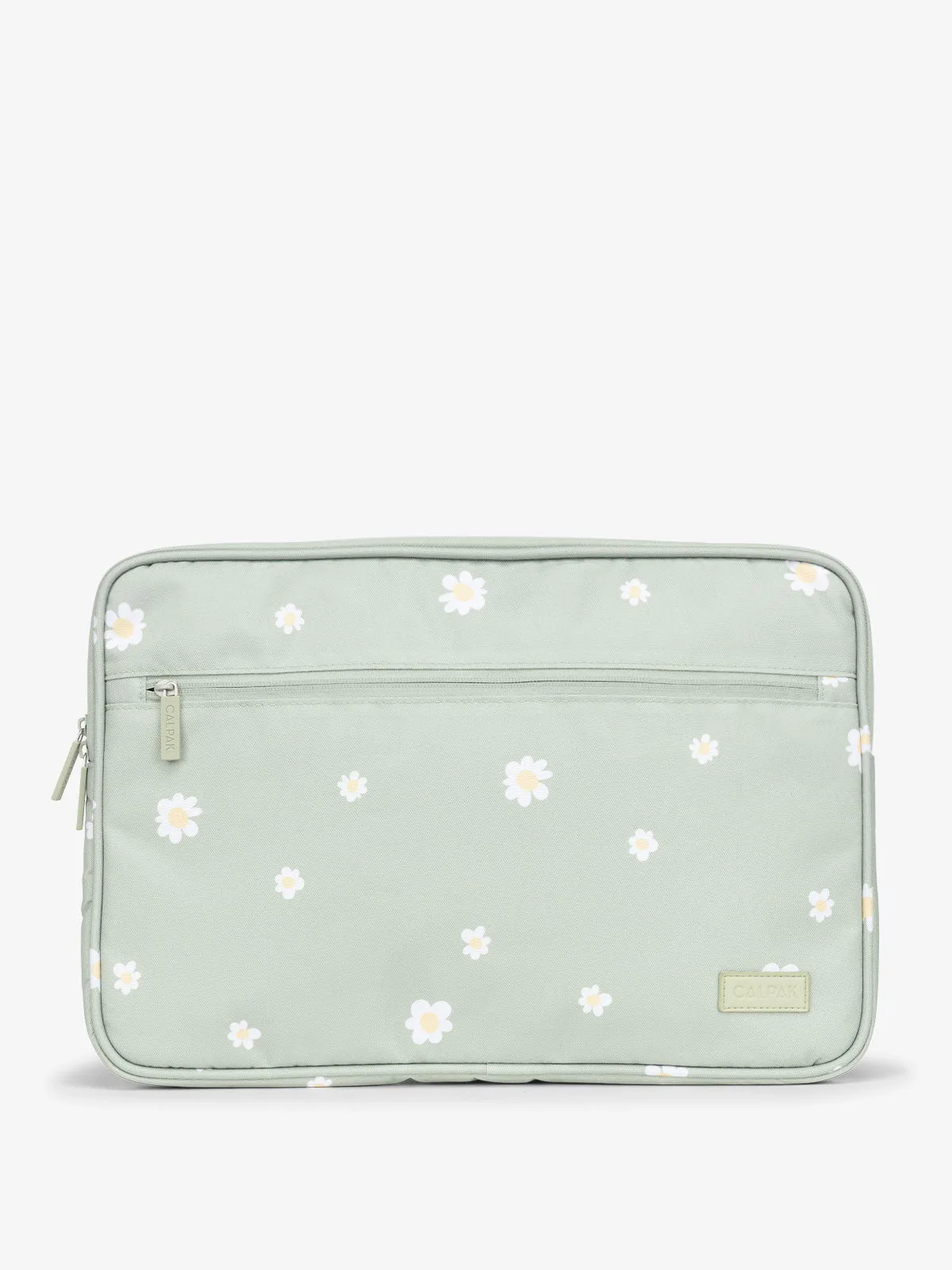
- Traveling with a laptop: Confirm the padded sleeve does not push the bag past the published depth, and keep the laptop in a tote or personal item if the main bag is already tight. Depth is the measurement that fails sizers most often.
- Taking one or two night trips: A mini carry-on or a compact tote plus a belt bag covers short trips without overhead-bin stress. Smaller bags are easier to lift and less likely to be gate-checked.
Bags That Support a Carry-On Strategy
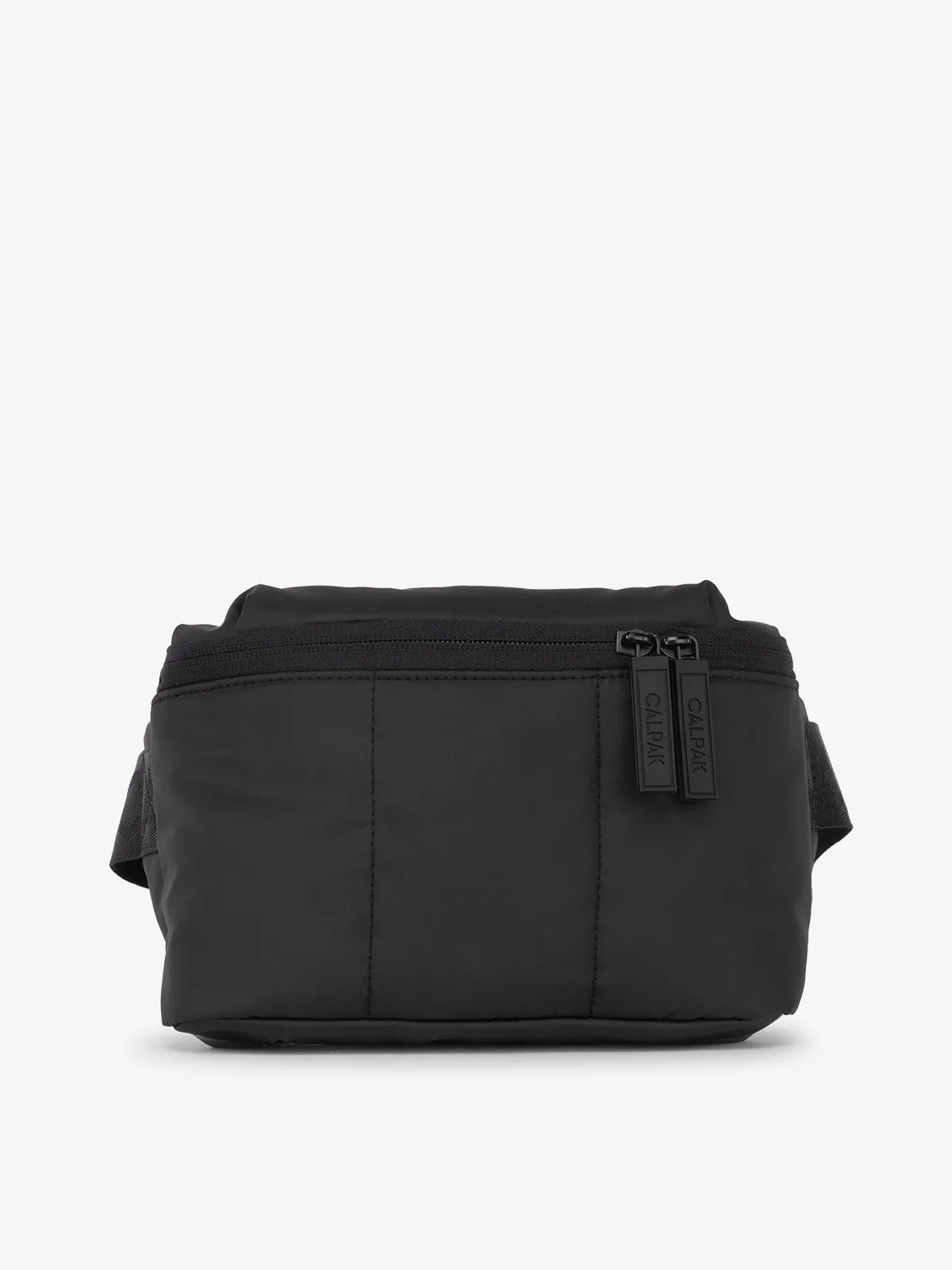
- Luka Mini Belt Bag: The Luka Mini Belt Bag has a spacious main compartment, a hidden back pocket, and an adjustable strap for hands-free carrying. Use it as your personal item so your carry-on stays closed and within size limits at the gate.
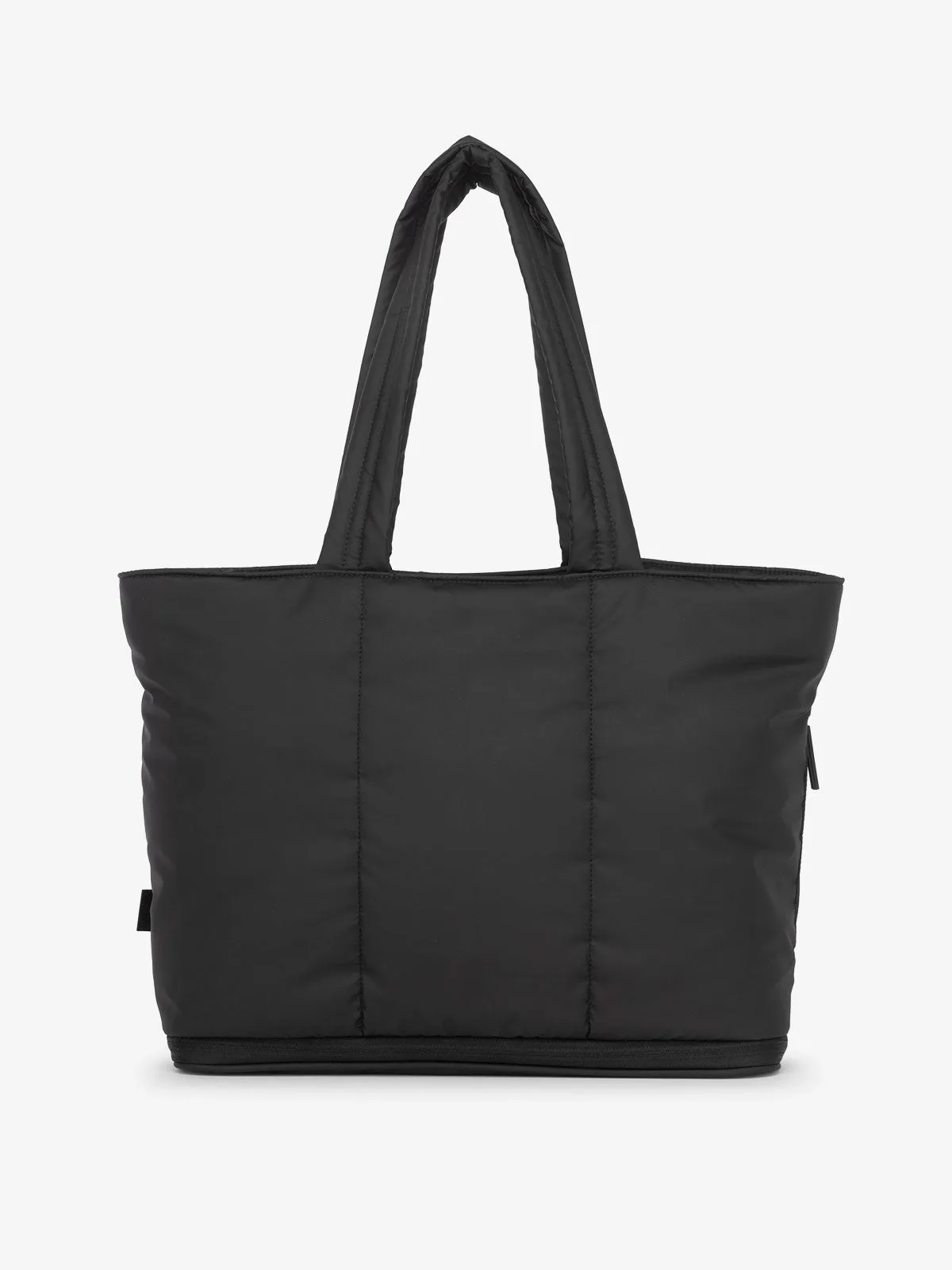
- Luka Expandable Laptop Tote: The Luka Expandable Laptop Tote has an expandable bottom, a padded laptop sleeve, and a luggage sleeve. The luggage sleeve slides over a carry-on handle, and the expandable bottom gives you room for a laptop and extras without switching bags.
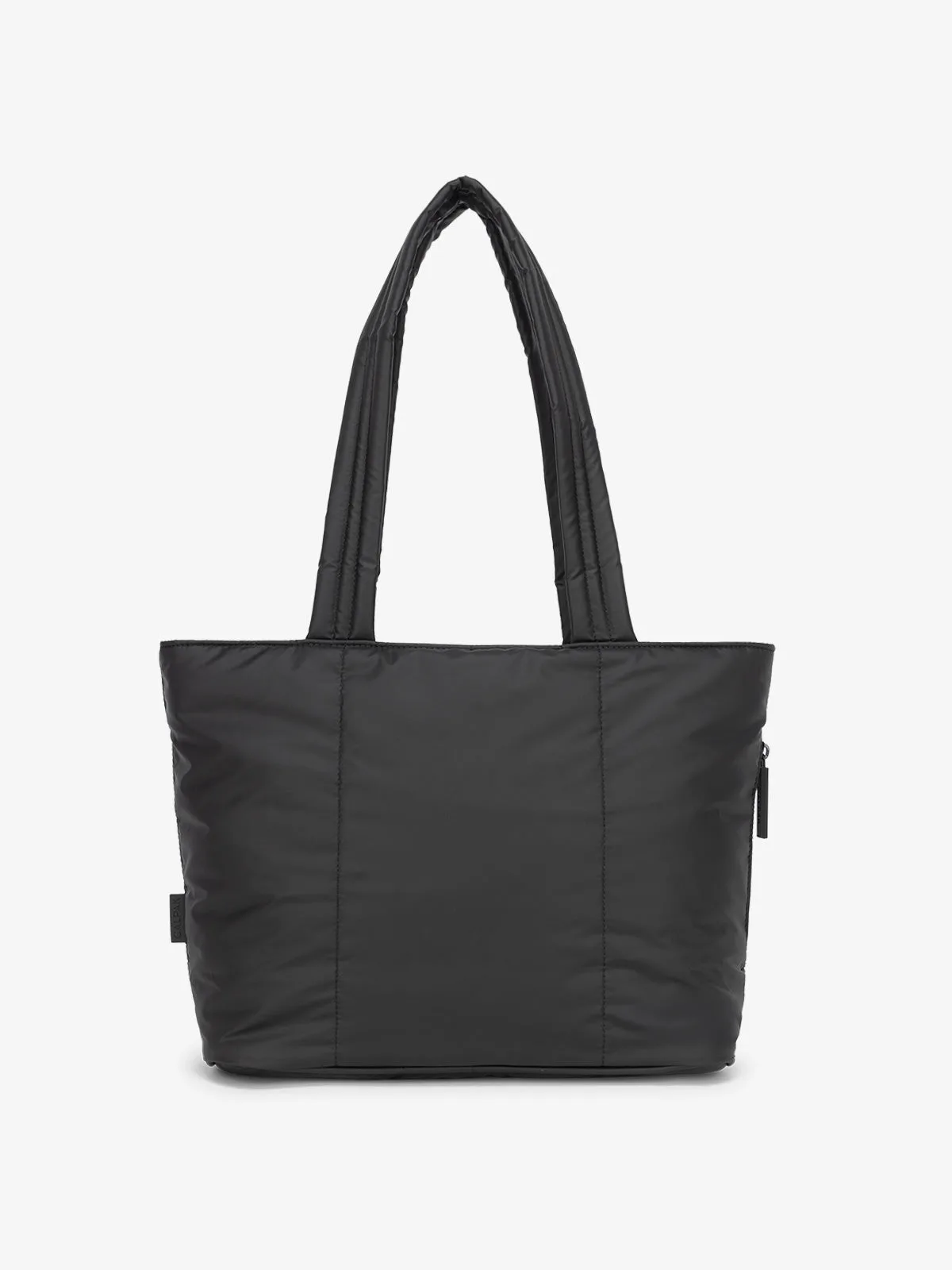
- Luka Mini Tote: The Luka Mini Tote has a soft, lightweight build, durable padded straps, and thoughtful pockets for organization. A compact tote works as a personal item on shorter trips when you want organization without a second large bag.
Who This Carry-On Approach Fits
Best for
- Travelers who fly a mix of mainline and budget airlines and want one bag that works on most routes
- Short-trip and weekend travelers who prefer a compact bag they can lift easily
- Anyone who wants a personal item that keeps essentials accessible while the carry-on stays closed
Not for
- Travelers who need to pack for two weeks in one bag and only fly airlines with generous limits
- Anyone unwilling to check the airline's published dimensions before each trip