Quick Answer
The best chalk bag for you balances closure type, size, and features against where you climb most. A drawstring bag like the Otaki works for almost everything, while a simple pouch suits gym sessions.
Closure Type: Drawstring vs. Simple Pouch
The closure is the biggest functional difference between chalk bags. A drawstring closure, like the one on the Otaki Chalk Bag, lets you cinch the top shut so chalk stays inside when you’re not reaching in. This is ideal for outdoor climbing where you might set the bag on a rocky ledge or carry it on your harness. A simple open pouch is lighter and faster to dip into, but chalk can spill more easily. If you mostly climb in a gym and never move the bag, a simple pouch works fine. If you boulder or climb outdoors, a drawstring bag is a safer bet.
Size and Capacity: How Much Chalk Do You Carry?
Chalk bags come in different diameters and depths. A standard bag holds about 8–10 ounces of chalk, which is enough for a long gym session or a day at the crag. Larger bags can hold more chalk and a bigger chalk ball, but they’re bulkier on your harness. Smaller bags are lighter and less obtrusive but need refilling more often. Think about how long you climb without a break and whether you prefer a big, fluffy chalk ball or a smaller one. There’s no right answer—just what suits your routine.
Material and Durability
Most chalk bags are made from nylon or polyester, which are lightweight and dry quickly. Some have a fleece or brushed interior that helps distribute chalk evenly on your hands. The exterior fabric matters less for performance than for longevity: a reinforced bottom or double-stitched seams can extend the bag’s life if you drag it over rock. If you only climb indoors, almost any material will hold up. For outdoor use, look for a bag with a sturdy base and a closure that keeps dirt out.
How to Choose Your Chalk Bag: Decision Rules
- Where do you climb most?: If you climb outdoors or boulder, choose a bag with a drawstring closure to prevent spills. If you only climb in a gym and set the bag on the floor, a simple open pouch is fine.
- How much chalk do you use per session?: If you climb for more than two hours without refilling, pick a standard-size bag (8–10 oz capacity). For shorter gym sessions, a smaller bag keeps things light.
- Do you need extra features?: Look for a brush holder, gear loop, or reinforced bottom if you carry accessories or climb abrasive rock. If you want a minimalist setup, skip the extras. A bag with a brush holder keeps your brush handy for cleaning holds between attempts.
Product Facts
-
Otaki Chalk Bag: The Otaki Chalk Bag is an all-purpose drawstring closure chalk bag designed to suit any type of climbing. Its drawstring keeps chalk secure on a harness or ledge, making it a versatile choice whether you’re in the gym, on a boulder, or on a multi-pitch route.
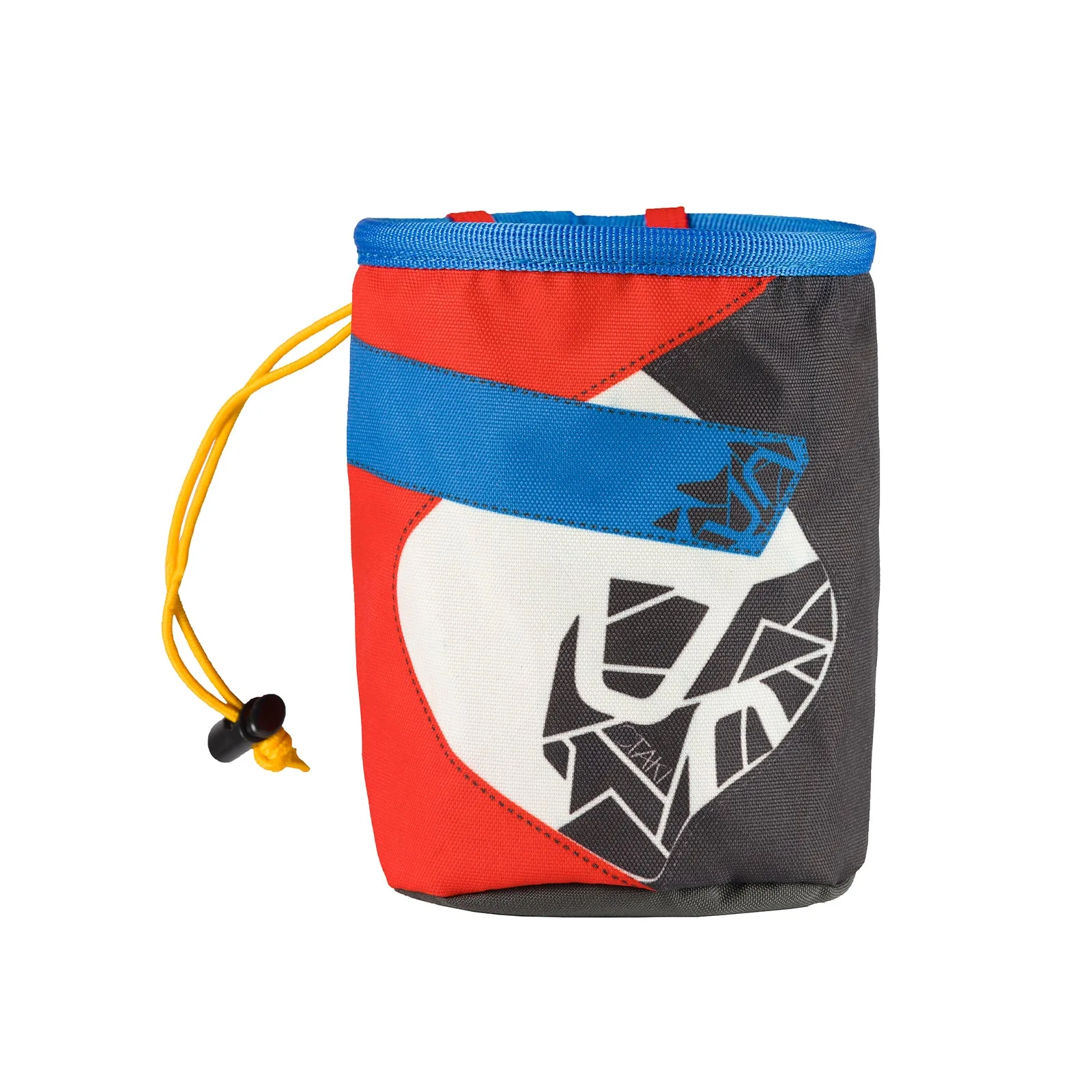
Otaki Chalk Bag
-
La Sportiva Chalk FL Medium: The La Sportiva Chalk FL Medium is a high-performance chalk blend developed with Friction Labs to reduce moisture and boost grip. Pairing a quality chalk bag with a premium chalk like the Chalk FL Medium can improve your hold confidence without needing to reapply as often.
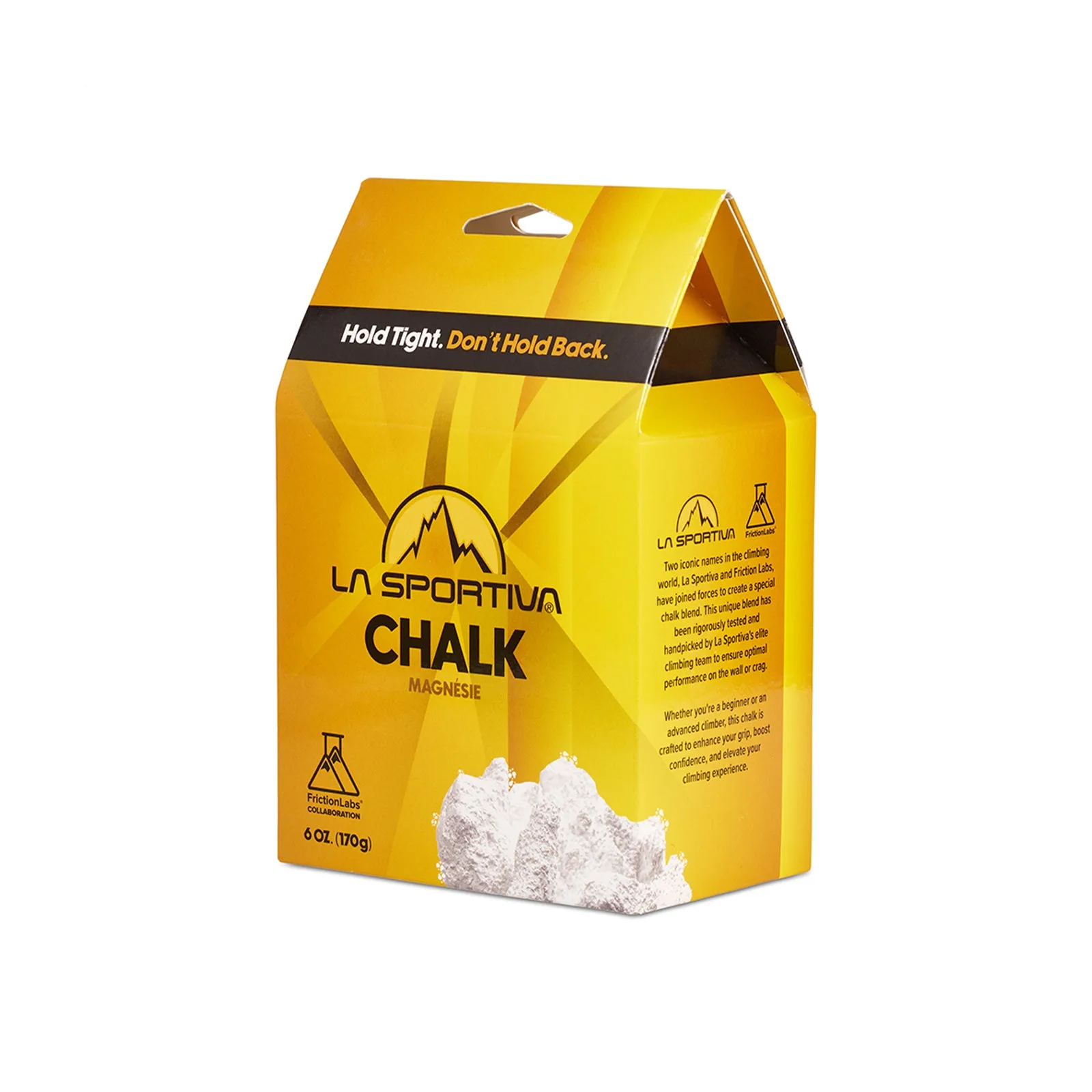
La Sportiva Chalk FL Medium
Which Chalk Bag Is Right for You?
Best for
- All-around climbers who want one bag for gym, boulder, and crag
- Climbers who prefer a drawstring closure for secure chalk storage
Not for
- Climbers who want the lightest possible bag and never climb outdoors
- Those who need a large capacity for multi-day trips without refilling