Quick Answer
Match your cushioning to the terrain and distance: choose max cushion for long, rocky miles and standard cushion for shorter, more technical trails where ground feel matters.
Why Cushioning Level Matters on the Trail
Unlike road running, trail shoes need to balance impact protection with stability and ground feedback. Too much padding can make you feel disconnected from uneven surfaces, while too little can leave your joints sore after a long day. The right cushioning depends on your typical trail type, run distance, and personal comfort preference.
Max Cushion vs Standard Cushion: The Trade-offs
Max cushion shoes (like the Altra Olympus 7) use a thicker midsole to absorb high-impact forces on hard-packed or rocky trails. They are heavier but provide more comfort over ultra distances. Standard cushion shoes offer a lower stack height, better ground feel, and lighter weight, making them ideal for technical singletrack where you need to feel the terrain beneath you. Neither is universally better; the choice depends on where and how you run.
How to Choose the Right Cushioning Level
- Identify Your Primary Terrain: If you mostly run on smooth, hard-packed trails or fire roads, max cushion shoes like the Olympus 7 provide ample protection without sacrificing too much stability. For rocky, rooty, or technical singletrack, standard cushion helps you feel the ground and react quickly. Common mistake: choosing max cushion for very technical terrain, which can reduce agility and increase ankle roll risk.
- Consider Your Typical Run Distance: For runs over 10 miles (16 km), especially on consecutive days, extra cushioning reduces cumulative fatigue. For shorter runs or speed workouts, standard cushion is lighter and more responsive. Checkpoint: if your long runs leave your feet sore, try a max cushion shoe before increasing distance.
- Evaluate Your Foot Strike and Stability Needs: Heel strikers and runners with a history of joint pain often benefit from more cushioning. Midfoot or forefoot strikers may prefer standard cushion for better proprioception. Altra's FootShape™ toe box allows your toes to splay naturally regardless of cushion level. Common mistake: assuming more cushion always equals more protection — too much softness can destabilize your stride on uneven ground.
Product Spotlight
-
Women's Olympus 7: The Olympus 7 uses an Altra EGO™ MAX midsole foam that is 15% lighter and 10% softer than the previous version, paired with a Vibram® Megagrip outsole with TractionLug™. This combination gives you plush, long-lasting cushioning without excessive weight, plus reliable grip on loose or wet terrain — a strong choice for all-day trail runs.
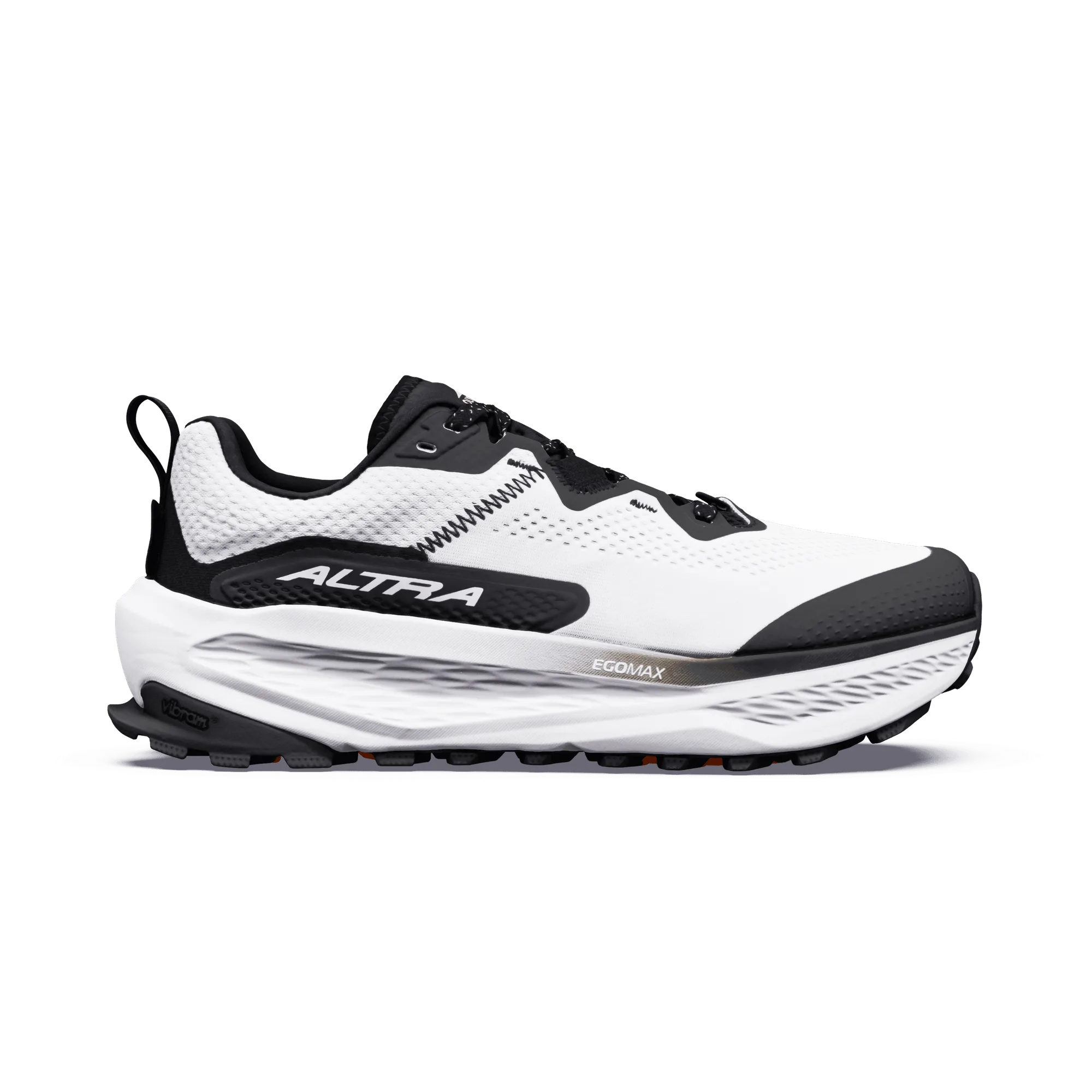
Women's Olympus 7