Choosing the right bowl for your dog might seem simple, but it's a decision that affects your dog's health, comfort, and behavior. From the material to the size to the height, every detail matters. Whether you have a tiny Chihuahua or a hard-working German Shepherd, this guide will help you navigate the options and make an informed choice.
In this dog bowl buying guide, we'll cover the key factors: material, size, height, and special features. We'll also explore options for working dogs and how to match the bowl to your dog's eating habits. By the end, you'll know exactly how to choose a dog bowl that supports your dog's well-being.
Why the Right Bowl Matters
The bowl you choose can impact your dog's digestion, dental health, and even behavior. For instance, a bowl that's too small forces your dog to eat quickly, which can lead to choking or bloating. A bowl that's too large may encourage messy eating or make your dog feel insecure. Additionally, the material of the bowl can affect your dog's skin and health, especially if they have allergies.
For working dogs, the bowl is part of their daily gear. It needs to be durable, easy to clean, and portable. A flimsy bowl that tips over can cause frustration and mess, especially during training or travel. That's why many handlers prefer heavy-duty options like stainless steel or military-spec feed pans.
- Prevents fast eating and digestive issues
- Reduces mess and spills
- Supports dental health by avoiding plastic bacteria buildup
- Ensures proper portion control
Material Matters: Stainless Steel, Plastic, Ceramic, and More
The material of the bowl is one of the most critical decisions. Stainless steel is the top choice among veterinarians and trainers. It's durable, non-porous, and easy to sanitize. Unlike plastic, stainless steel doesn't harbor bacteria or cause allergic reactions. It's also resistant to chewing and won't break like ceramic.
Plastic bowls are lightweight and inexpensive, but they can develop scratches that trap bacteria, and some dogs are allergic to the plastic. Ceramic bowls are attractive and heavy, but they can chip or break, and the glaze may contain lead. For most dogs, a high-quality stainless steel bowl is the safest and most practical choice.
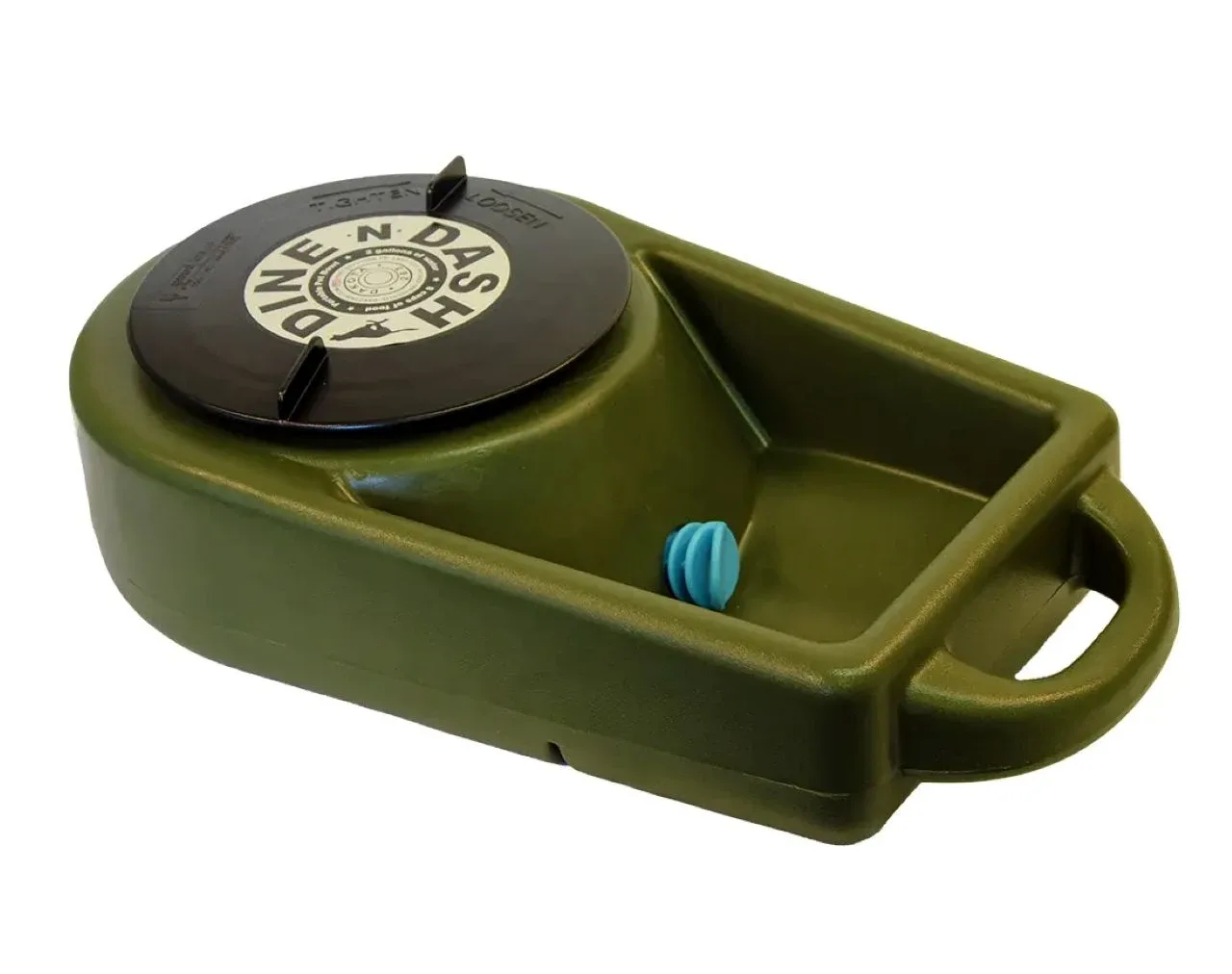
For working dogs, consider a military spec feed pan. These are made from heavy-gauge stainless steel and are designed to withstand rough use. They often feature rolled rims for added strength and are easy to secure in a kennel or crate.
- Stainless steel: durable, hygienic, and chew-resistant
- Plastic: cheap but can harbor bacteria and cause allergies
- Ceramic: heavy and stable but breakable
- Military spec feed pans: extra durable for working dogs
Size and Depth: Matching the Bowl to Your Dog
The size and depth of the bowl should match your dog's breed and eating style. A general rule is that the bowl should be about the size of your dog's head. For small breeds, a 1-cup bowl may suffice, while large breeds may need a 4-cup or larger bowl. Deep bowls are suitable for dogs that like to scoop food, while shallow bowls are better for flat-faced breeds like Pugs or Bulldogs.
For working dogs, a larger capacity bowl is often necessary to provide enough food for high energy expenditure. However, a bowl that's too deep can make it difficult for dogs with short necks to eat comfortably. Consider the height of the bowl as well; elevated bowls can reduce strain on the neck and are beneficial for older dogs or those with arthritis.
- Match bowl size to your dog's head size
- Use shallow bowls for flat-faced breeds
- Consider elevated bowls for senior dogs or large breeds
Special Features: Non-Skid, Slow Feeder, and Portable Options
Some dogs eat too quickly, which can lead to bloating—a life-threatening condition. Slow feeder bowls have ridges or mazes that force your dog to eat more slowly. These are especially useful for breeds prone to bloat, such as Great Danes and German Shepherds.
Non-skid bases are another useful feature, especially for dogs that push their bowls around. A bowl with a rubber base stays in place, reducing mess and noise. For travel, collapsible bowls or bowls with secure lids are convenient. If you're a handler on the go, look for bowls that can be easily attached to a crate or kennel.
The GUNNER® Kennel Fan Kit 2.0 is an example of an accessory that can enhance your dog's comfort in a kennel, but for feeding, a sturdy bowl is essential. Many handlers also prefer bowls that can be used with a crate, ensuring your dog has a consistent feeding spot.
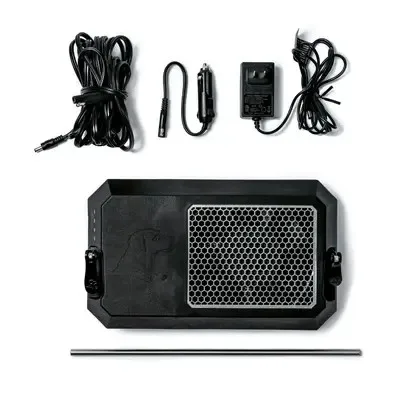
GUNNER® Kennel Fan Kit 2.0
- Slow feeder bowls to prevent bloat
- Non-skid bases to reduce spills
- Collapsible bowls for travel
- Crate-compatible bowls for working dogs
Choosing a Bowl for Working Dogs
Working dogs have unique needs. Their bowls must withstand rough handling, be easy to clean in the field, and be portable. Many handlers opt for stainless steel bowls because they can be sterilized and won't retain odors. A military spec feed pan is a popular choice for its durability and size.
When selecting a bowl for a working dog, consider the environment. If your dog eats in a crate, a bowl that hooks onto the door can prevent tipping. If you're traveling, a collapsible bowl might be more practical. Always ensure the bowl is large enough to provide adequate hydration and nutrition during long work sessions.
For handlers, having a reliable bowl is just as important as having quality training equipment. Pairing a durable bowl with other essential gear, like a Dogtra E-Collar Remote MOLLE Pouch, helps you stay organized and prepared.
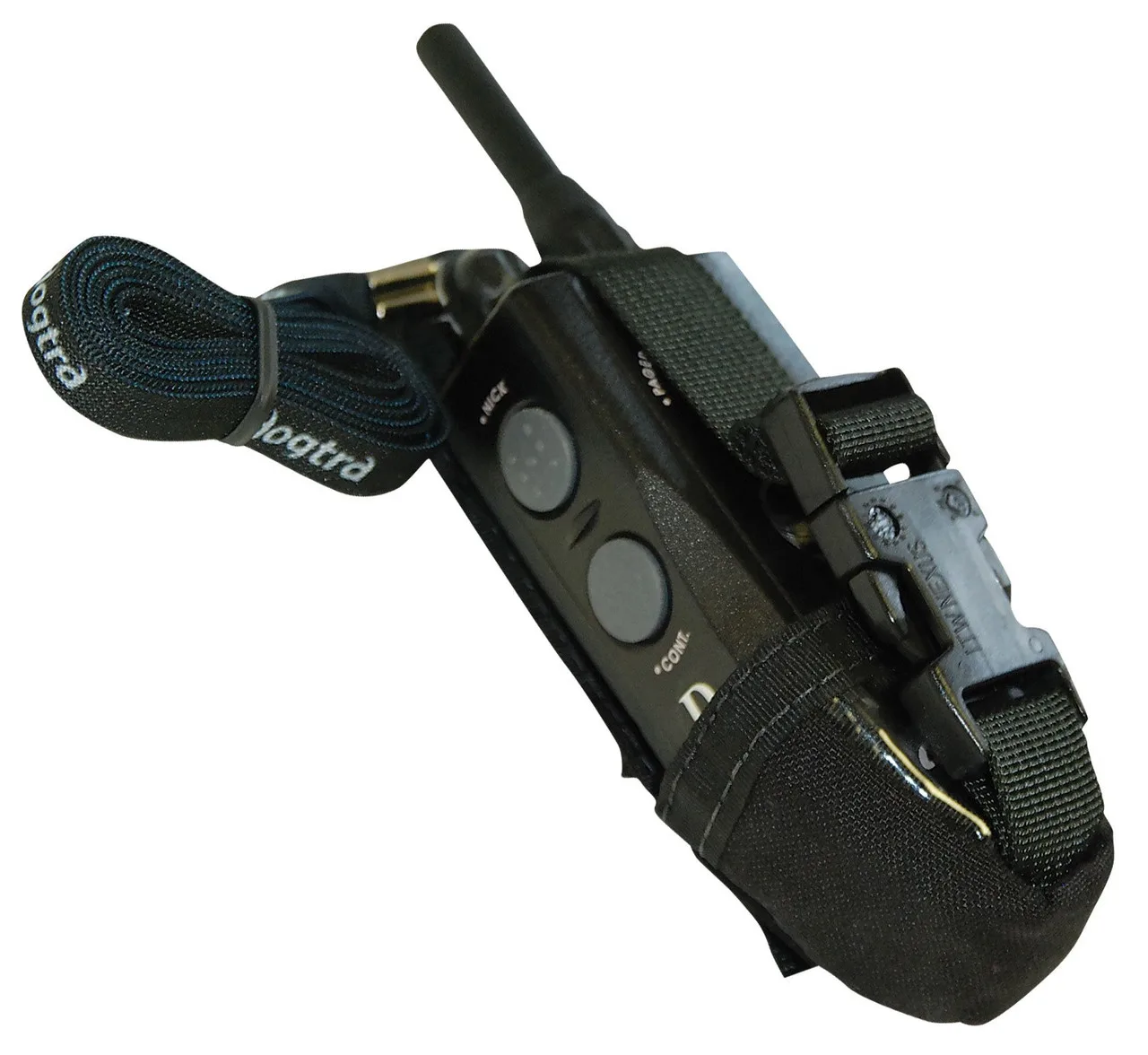
Dogtra E-Collar Remote MOLLE Pouch
- Choose durable materials like stainless steel
- Look for crate-mounting options
- Consider portability for travel and field work
- Ensure adequate size for high-energy dogs
Maintenance and Hygiene Tips
Keeping your dog's bowl clean is crucial for their health. Wash the bowl daily with hot, soapy water or in the dishwasher if it's dishwasher-safe. Stainless steel is easy to sanitize and doesn't retain food particles. Avoid using harsh chemicals that could leave residues.
Inspect the bowl regularly for damage. Cracks or scratches can harbor bacteria, so replace the bowl if it becomes damaged. For working dogs, having a spare bowl is a good idea, especially if you're in the field for extended periods.
- Wash bowls daily
- Use mild detergent or dishwasher
- Replace damaged bowls promptly
- Have a spare bowl for field use
Choosing the right bowl for your dog is a small but significant decision. By considering material, size, and special features, you can ensure your dog eats comfortably and healthily. Whether you have a family pet or a working dog, investing in a high-quality bowl is worth it. For a durable and reliable option, check out the range of stainless steel bowls and military spec feed pans available at Ray Allen Manufacturing.