Quick answer
Match the bowl to the job, not the breed label. For a large dog, start with a bowl that holds at least 8 cups and has a wide, stable base. For travel, a 12 oz silicone bowl with a carabiner is enough for water breaks. If your dog inhales meals, a slow feeder or a long-lasting treat like Pupsicle Pops can stretch a few minutes of eating into 20-40 minutes of enrichment.
Capacity: how much your dog actually eats per meal
Bowl size charts usually list capacity in cups, but the number that matters is how much you scoop at one meal. A dog eating 1 cup twice a day does fine with a 2-3 cup bowl; a dog eating 4 cups at once needs a bowl that holds at least 6 cups so food does not spill over the rim. Add a buffer of about one-third more than your largest single meal.
- Measure your current scoop, not the bag's suggested amount.
- Leave 1-2 inches of headroom so your dog can eat without pushing kibble out.
- For water, a bowl that holds a full day's intake reduces refills.
Material trade-offs: stainless steel vs silicone vs plastic
Stainless steel is the default for daily meals: it resists scratches, does not hold odors, and cleans easily. Silicone is the better choice when the bowl has to travel, because it collapses or packs flat and survives being stuffed in a bag. Plastic sits in the middle on price but scratches over time, and scratched plastic is harder to sanitize. There is no single winner; the honest answer is that the best material depends on whether the bowl stays home or rides in your pack.
- Home meals: stainless steel for durability and easy washing.
- Travel and hikes: silicone for weight and packability.
- Budget: plastic works, but replace it once the surface is heavily scratched.
Slow feeders and enrichment bowls
A slow feeder dog bowl uses ridges or maze patterns that force your dog to work around obstacles, which stretches a meal from under a minute to several minutes. That matters most for dogs that gulp food and then vomit or bloat, and for dogs that need mental work. A slow feeder is not a good fit for flat-faced breeds or dogs with a history of food-guarding, because the added frustration can backfire.
- Use a slow feeder for gulpers and for dogs that finish meals in under 60 seconds.
- Skip it for flat-faced breeds that struggle to reach into deep channels.
- Introduce it with a small portion first so your dog learns the pattern.
Elevated bowls: when height helps
Elevated dog bowl benefits are real for some dogs and overstated for others. A raised bowl can reduce neck strain for senior dogs with arthritis or for very tall breeds that otherwise crouch to eat. For most healthy dogs, a floor-level bowl is fine, and there is no universal height rule that fits every dog. If you try an elevated setup, set the rim roughly at the point of your dog's lower chest and watch for signs of discomfort or gulping air.
- Consider elevation for seniors, tall breeds, or dogs with diagnosed neck issues.
- Skip it if your dog eats faster or seems uncomfortable at height.
- Adjust height in small steps rather than jumping to a tall stand.
Decision rules for picking a dog bowl
- Large dog, one big meal: Choose a bowl that holds at least one-third more than your largest single meal, with a wide base that will not tip when a heavy dog leans on it. Stability and capacity beat style for large breeds.
- Gulper or fast eater: Use a slow feeder or a long-lasting treat such as Pupsicle Pops to stretch eating into 20-40 minutes of enrichment. Enrichment replaces speed, not nutrition.
- Travel and hikes: Pick a lightweight silicone bowl with a carabiner, like the Hungry AF Silicone Dog Bowl, and keep it clipped to your bag. Packable beats pretty on the trail.
- Senior or tall dog: Try an elevated bowl set near the lower chest, and switch back to floor level if your dog eats faster or seems uncomfortable. Elevation is a trial, not a rule.
Product facts
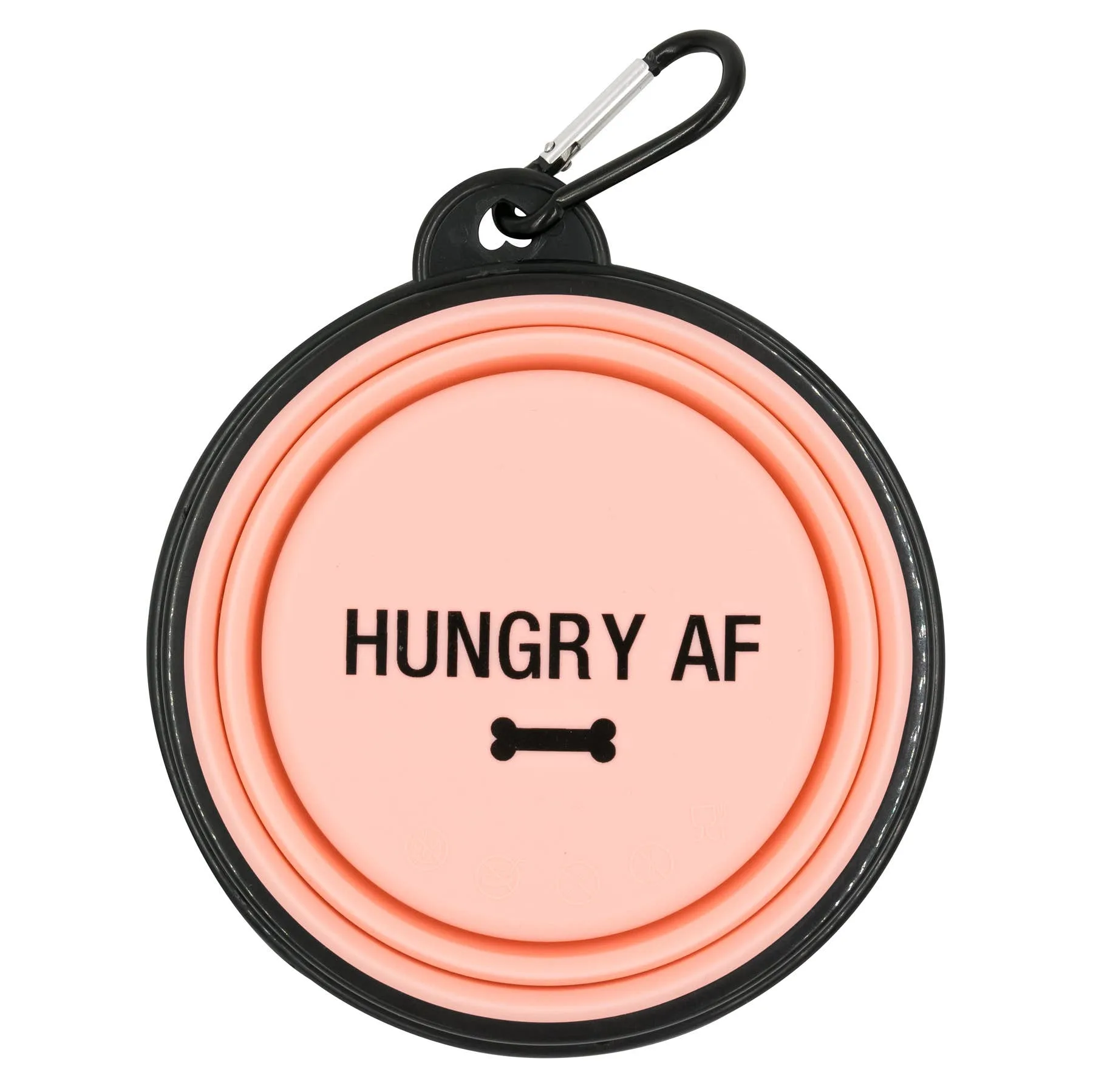
- Hungry AF Silicone Dog Bowl: Silicone dog bowl with a carabiner to attach to a belt, backpack, or purse; 12 oz capacity. A 12 oz bowl covers a water break on a walk or hike, but it is not a full-meal bowl for a large dog.
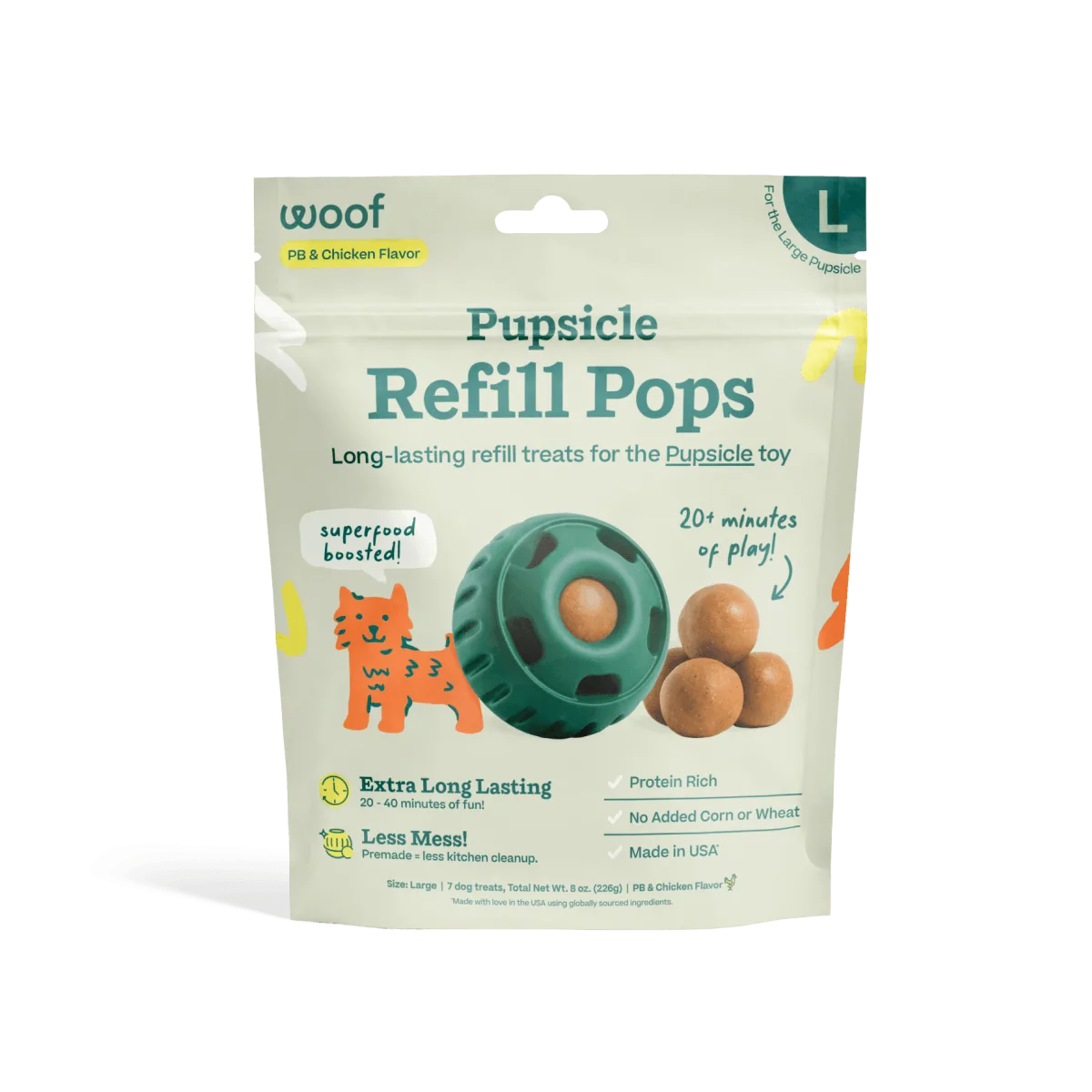
- Pupsicle Pops: Chicken / Large by Woof: Pre-made Pupsicle Pops provide 20-40 minutes of entertainment and enrichment; made in small batches in the USA with all-natural ingredients; shelf stable with no refrigeration needed. A long-lasting treat can substitute for a slow feeder when you need to stretch mealtime or keep a dog busy without hauling equipment.
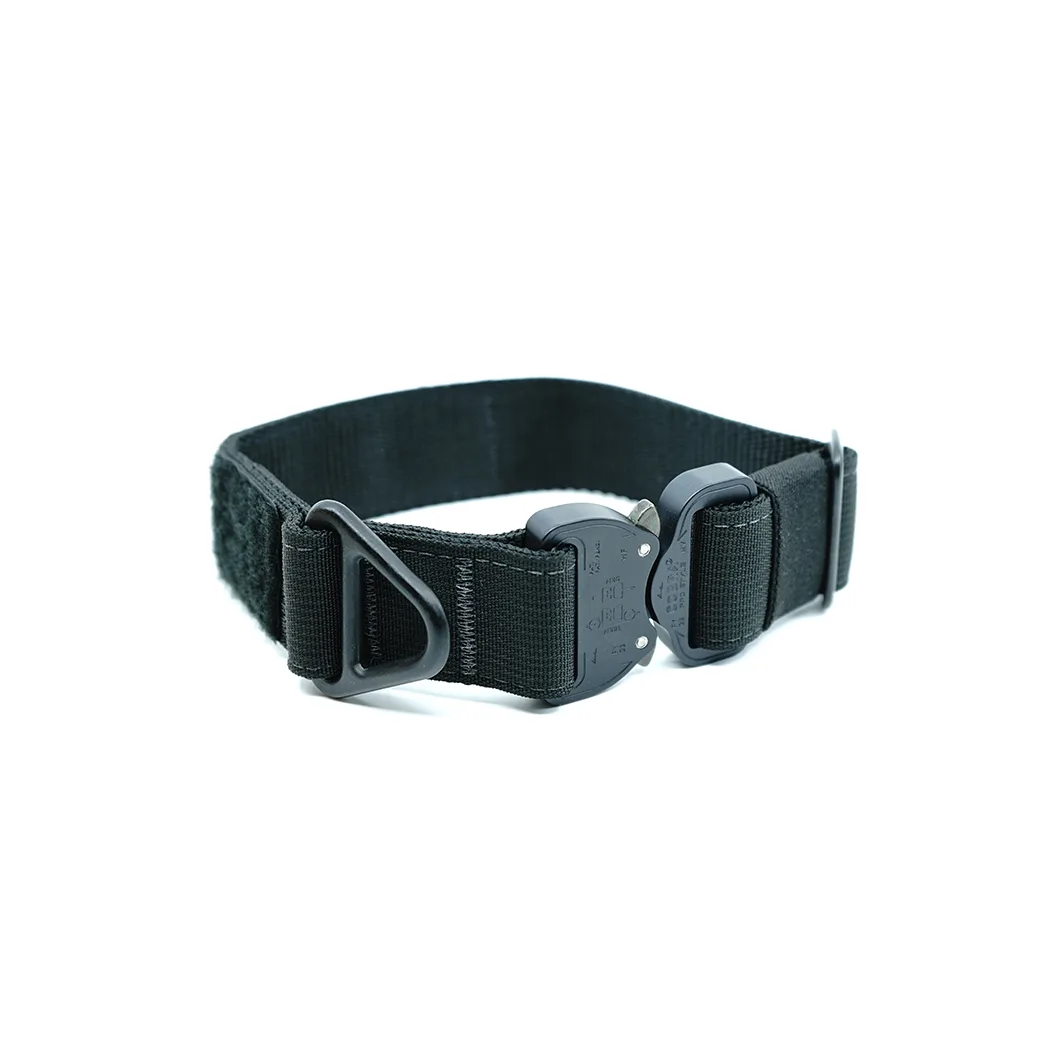
- Everyday Collar 1.5": Everyday Collar 1.5" is designed for small, medium, or large breeds and comes in multiple widths and hardware options. If your dog eats with a collar on, a well-fitted collar reduces the chance of tags dragging through the bowl or catching on a slow feeder.
Who should choose which bowl
Best for
- Owners who feed one or two measured meals a day and want a durable, easy-to-clean bowl
- Travelers and hikers who need a packable water bowl with a carabiner
- Owners of fast eaters who need slow-feeding or enrichment options
Not for
- Dogs that need a full-meal bowl but only have a 12 oz travel bowl available
- Flat-faced breeds that cannot comfortably reach into a deep slow feeder
- Dogs with food-guarding behavior that gets worse with added mealtime frustration