Choosing the right flange size is one of the most important steps for a comfortable and efficient pumping experience with your Willow pump. A well-fitted flange ensures optimal milk expression, prevents nipple damage, and can even help increase your milk output. In this guide, we'll walk you through how to measure your nipple, what to look for in a flange fit, and how to adjust your setup for the best results.
Many moms assume that flanges are one-size-fits-all, but that's far from the truth. The right flange size varies from person to person and can even change over time due to factors like breastfeeding frequency, hormonal changes, and weight fluctuations. Understanding your unique measurements is the key to unlocking a comfortable and productive pumping session.
Why Flange Size Matters
The flange, also known as a breast shield, is the part of the pump that fits over your nipple and areola. When the flange is too small, your nipple can rub against the sides, causing friction, pain, and even blisters. This can lead to incomplete milk removal and reduced milk supply over time. On the other hand, a flange that is too large can pull too much areola into the tunnel, leading to swelling and inefficient pumping.
With Willow's wearable pumps, a proper flange fit is even more critical because the pump is worn inside your bra. A good seal not only ensures comfort but also prevents leaks and allows the pump to work effectively. The good news is that Willow offers a range of flange sizes and even provides a Virtual Sizing Session to help you find your perfect fit from the comfort of your home.

Virtual Sizing Session
- A correct flange fit helps prevent nipple pain, blisters, and tissue damage.
- Proper sizing can improve milk output by ensuring efficient milk removal.
- A good seal prevents leaks and allows for discreet, hands-free pumping.
How to Measure Your Nipple for the Right Flange Size
To find your correct flange size, you'll need to measure your nipple diameter. The best time to measure is just after a pumping session or feeding, when your nipple is at its most extended state. Use a ruler or a measuring tape and measure the diameter of your nipple at the base, excluding the areola. This measurement in millimeters will guide you to the appropriate flange size.
Here's a simple step-by-step: First, gently compress your nipple to simulate the shape it takes during pumping. Then, measure across the widest part. Add about 1-2 mm to this measurement to allow for comfortable movement within the tunnel. For example, if your nipple measures 17 mm, you'd likely need a 19 mm flange. Willow's flanges come in specific sizes, so you may need to round up to the nearest available size.
- Measure after a pump or feed when the nipple is fully extended.
- Measure the diameter at the base of the nipple.
- Add 1-2 mm for comfort and movement.
Willow Flange Sizes and Options
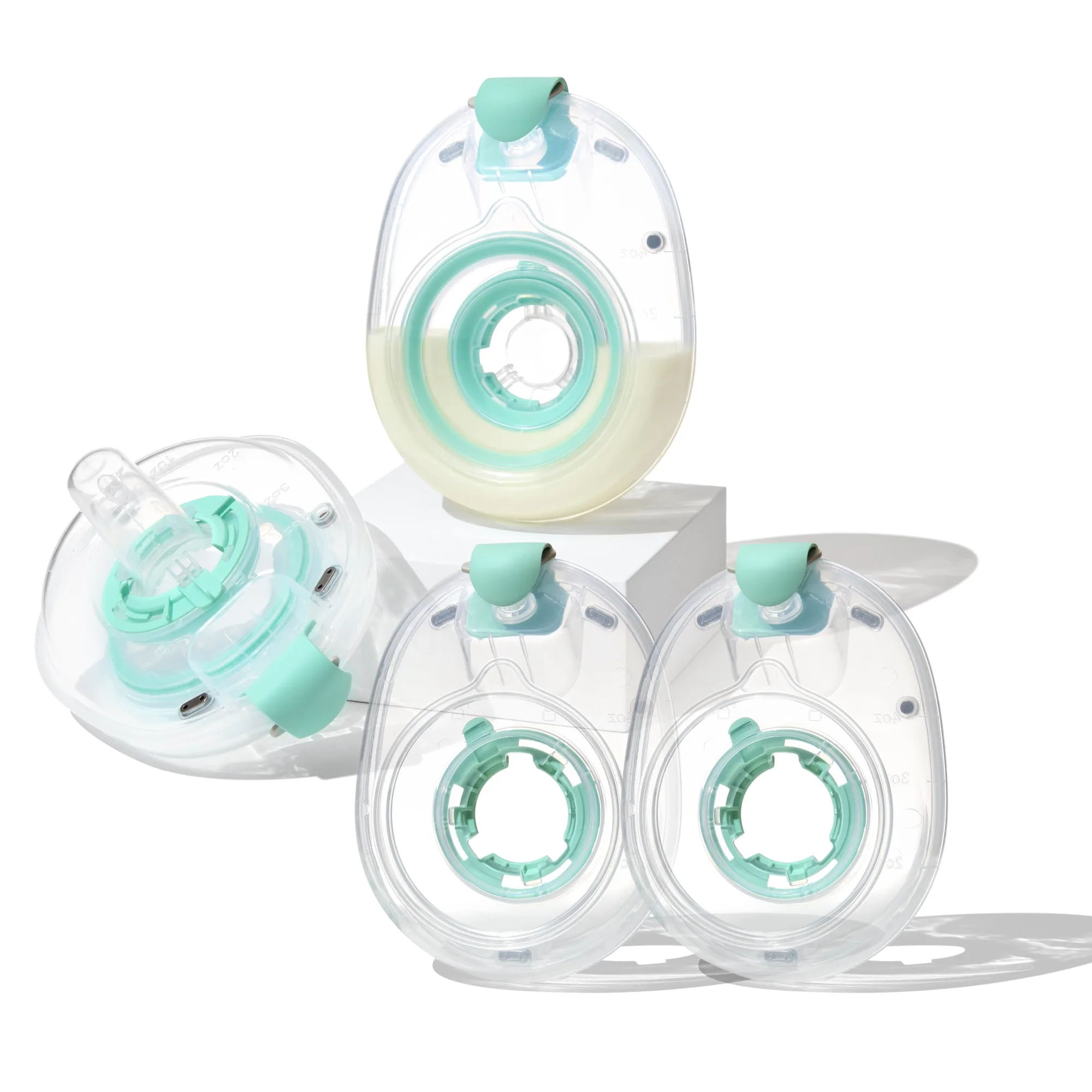
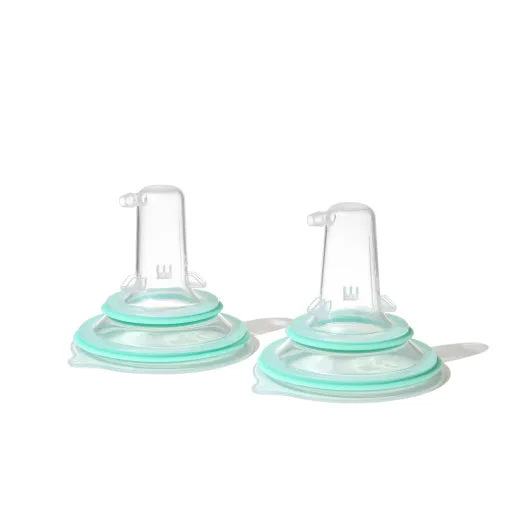
Willow offers a variety of flange sizes to accommodate different nipple dimensions. The Willow 360® Wearable Breast Pump and Willow Go® Wearable Breast Pump both come with flanges, but you can purchase additional sizes to ensure the perfect fit. For instance, the Willow 360® Flange Set (2-pack) is available in multiple sizes, allowing you to customize your pump.
If you're unsure which size to choose, Willow's Virtual Sizing Session is an excellent resource. During a virtual session, a lactation consultant can guide you through measuring and selecting the right flange for your needs. This personalized approach can save you time and money by avoiding the trial-and-error of buying multiple sizes.
- Willow 360® and Willow Go® pumps come with standard flanges.
- You can purchase additional flange sizes in 2-packs.
- Virtual Sizing Session offers expert guidance for a perfect fit.
Signs You Need a Different Flange Size
Even if you've measured correctly, you might still experience discomfort or inefficient pumping. Here are some signs that your flange size may need adjustment: if you feel pain during pumping, if your nipple rubs against the sides of the tunnel, or if you notice redness or indentations on your nipple after pumping. Additionally, if you see a lot of areola being pulled into the tunnel, your flange may be too large.
Another sign is a decrease in milk output despite regular pumping. If you're experiencing any of these issues, consider re-measuring and trying a different size. Remember, your flange size can change over time, so it's a good idea to reassess every few months, especially if you notice changes in breast size or nipple sensitivity.
- Pain or discomfort during pumping is a clear sign of a poor fit.
- Nipple rubbing, redness, or indentations indicate a flange that is too small.
- Excessive areola pulled in suggests a flange that is too large.
Tips for a Comfortable Fit and Better Milk Output
Once you have the right flange size, there are a few additional tips to ensure a comfortable and productive pumping session. First, make sure your nipple is centered in the tunnel before starting the pump. You can also apply a small amount of nipple cream to reduce friction, but be sure to check that it's compatible with your pump parts.
Another helpful tip is to start with a lower suction level and gradually increase it to find the most comfortable setting. This can help stimulate let-down without causing discomfort. Additionally, staying hydrated and relaxed can positively impact your milk output. For on-the-go pumping, having backup parts like the Willow Go® Backup Splashguard Container Bundle can be a lifesaver, ensuring you're always prepared.
- Center your nipple in the flange tunnel before pumping.
- Use nipple cream if needed, but check compatibility.
- Start with low suction and increase gradually.
- Stay hydrated and relaxed to support let-down.
Finding the right flange size for your Willow pump is essential for a comfortable and effective pumping experience. By measuring correctly, paying attention to the signs of a poor fit, and using resources like the Virtual Sizing Session, you can ensure that every pumping session is as efficient and pain-free as possible. Remember, your flange size may change, so revisit your sizing periodically. With the right fit, you'll be well on your way to a successful breastfeeding journey.