Quick answer
For most light to medium woven fabrics and low-stress hems, choose a regular weight fusible web. For heavyweight fabrics or areas that will be pulled, washed, or worn often, use a heavier web or a sewn closure instead. Always test on a scrap of your exact fabric before fusing the real project.
Fusible bonding web is sold by weight, and that single number decides how the bond behaves: light webs stay flexible and nearly invisible, heavy webs hold firm but can stiffen or shadow through fabric. The right choice depends less on brand and more on fabric weight, project stress, and how much drape you need to keep.
This guide gives you decision rules you can apply at the shelf, plus honest trade-offs. It focuses on weight selection, not on replacing every stitch. For closures that take real strain, a sewn option is often the better call.
Match web weight to fabric weight
Start by weighing the fabric in your hand. Light cottons, batiste, and sheer fabrics need a light or ultra-light web so the bond does not stiffen the cloth or show through. Medium wovens like quilting cotton, linen blends, and most apparel fabrics work well with a regular weight fusible web. Heavy denim, canvas, and upholstery fabric need a heavy web, or a sewn seam, because a light web will not hold the mass.
If you are unsure, cut two small scraps and fuse a test piece. Let it cool completely, then try to peel it apart. If the fabric tears before the bond releases, the web is strong enough for that fabric. If the bond pops cleanly, step up one weight.
- Test on the same fabric, same grain, and same iron temperature you plan to use.
- Cool before judging the bond; many webs reach full strength only after cooling.
Match web weight to project stress
Stress is the second half of the decision. A decorative appliqué that will never be pulled can use a lighter web than a hem on a garment that gets washed weekly. High-stress areas include hems on pants, sleeve openings, bag handles, and anything that rubs against a body or a surface. For those, choose a heavier web or add stitching for security.
Low-stress areas include wall hangings, craft appliqué, and temporary basting. Here a light or regular weight web keeps the project soft and avoids bulk. If the project will be washed and dried often, expect any fusible bond to weaken over time, so plan a stitch backup on the most-used edges.
- High stress: heavier web plus a sewn line for safety.
- Low stress: light or regular web for a softer hand.
Know when fusible web is the wrong tool
Fusible web is not a replacement for every seam. It should not be used on fabrics that cannot take heat, such as some synthetics, vinyl, or coated materials, unless you test carefully first. It also should not be the only closure on a load-bearing seam, like a shoulder seam or a waistband. In those cases, sew the seam and use fusible web only to hold the seam allowance flat.
If you need a closure that opens and closes, such as a placket or a pocket flap, a snap fastener is a better choice than fusible web. Fusible web bonds permanently; it does not fasten and unfasten.
- Heat-sensitive fabric: test a scrap or skip fusible web.
- Load-bearing seam: sew it, then fuse the allowance.
Read the package for weight and temperature
Packaging usually states weight and iron temperature, but not always in the same words. Look for terms like light, regular, heavy, or ultra-hold. If the package does not state a weight, treat it as a general-purpose regular weight and test it before using it on a whole project. Temperature matters too: too hot an iron can scorch the web or the fabric, and too cool will not activate the adhesive.
Keep a small notebook of which web you used on which fabric, with the iron setting. After two or three projects you will have a personal reference that is more useful than any chart.
- No weight on the label: assume regular and test.
- Record iron setting and fabric for future projects.
Decision rules for choosing fusible web weight
- Light fabric + low stress: Choose a light or ultra-light web to avoid stiffness and show-through. Test on a scrap; if the fabric stays soft and the bond holds, you are set.
- Medium fabric + everyday use: Choose a regular weight fusible web. It balances hold and drape for most apparel and craft projects. If the bond peels after cooling, step up one weight.
- Heavy fabric or high stress: Choose a heavy web, or sew the seam and use fusible web only to hold the allowance flat. Do not rely on fusible alone for load-bearing seams.
- Heat-sensitive or coated fabric: Test a scrap first. If the fabric cannot take the iron temperature, skip fusible web. No test, no fuse.
Tools that help you place and hold fusible projects
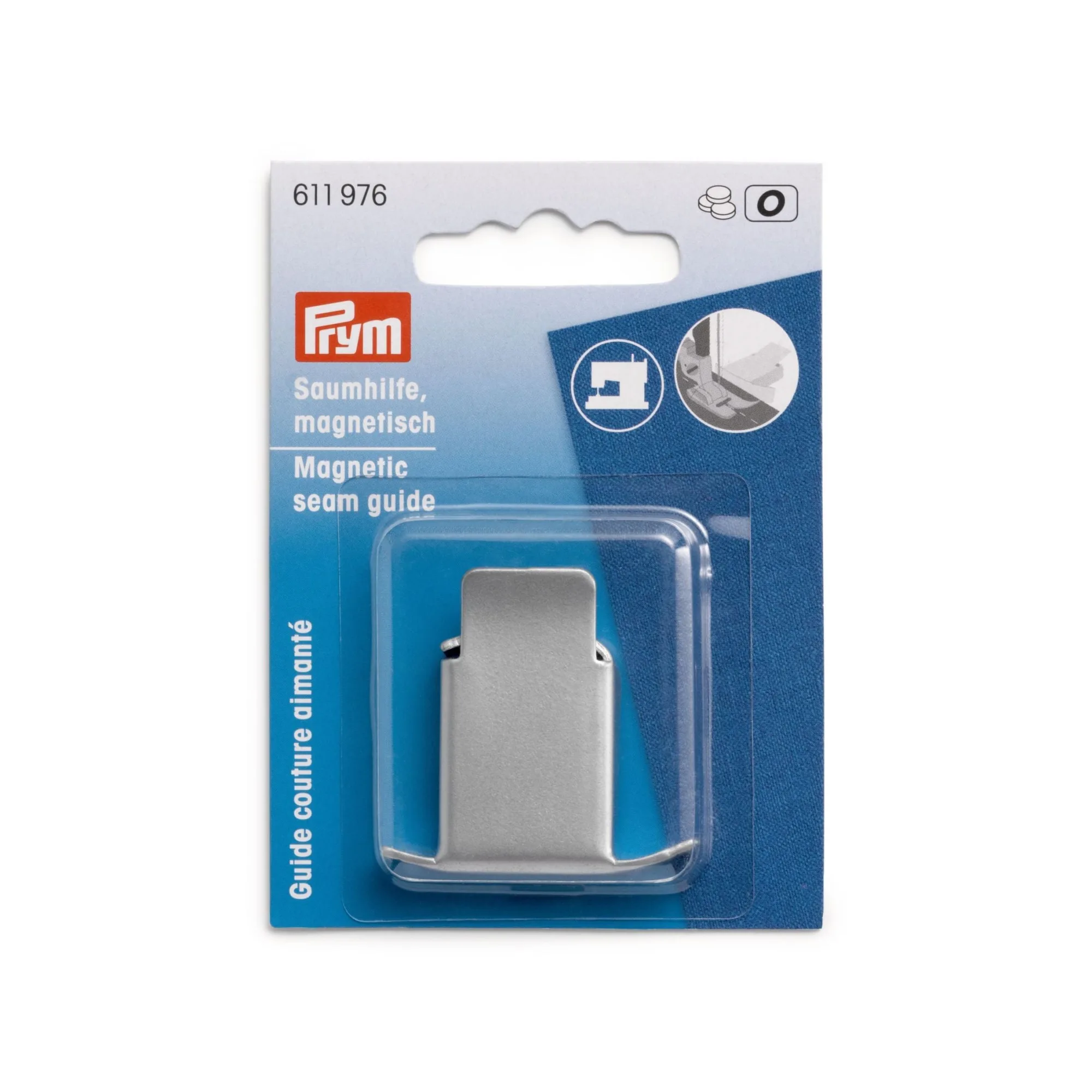
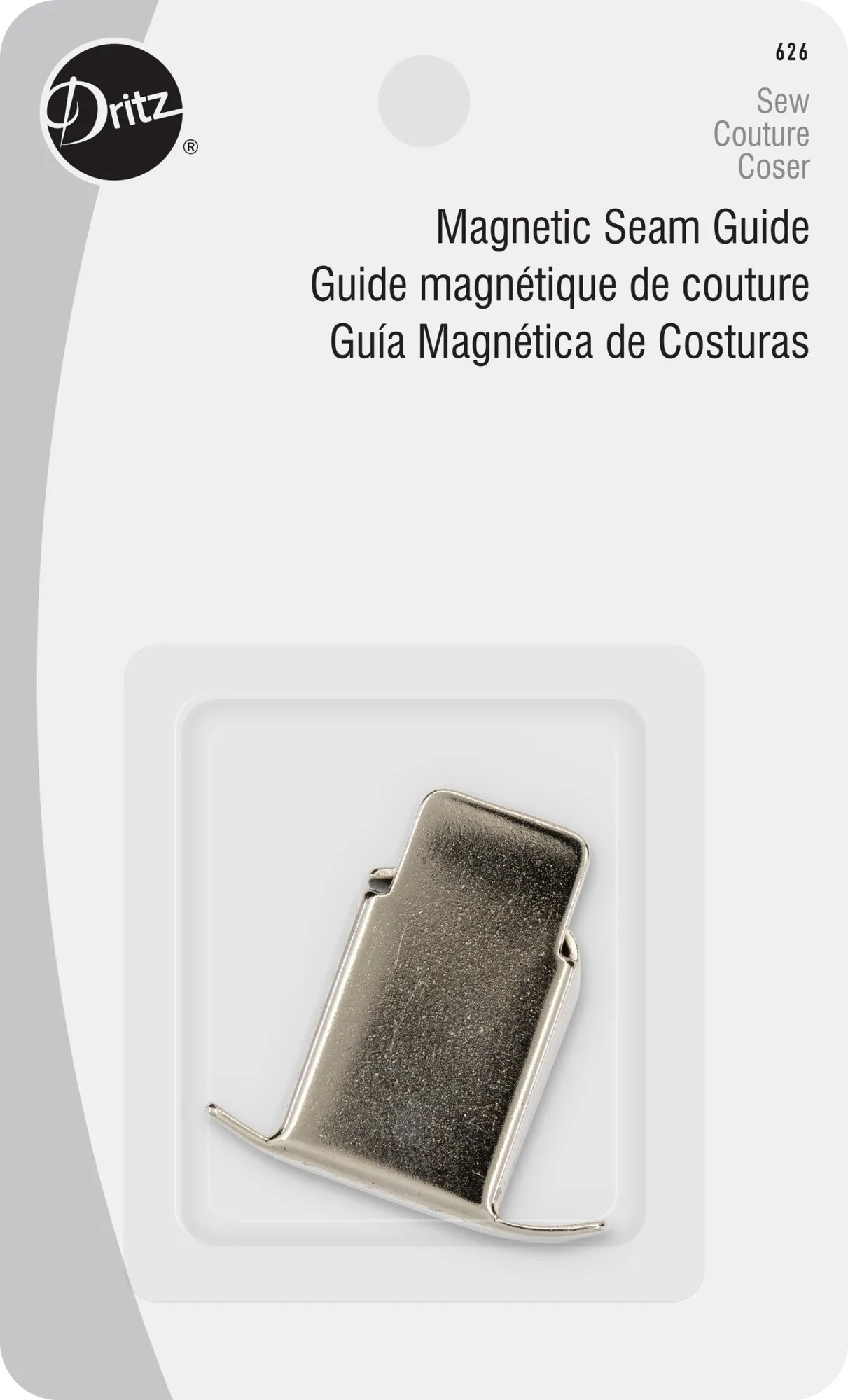
- https://prymamerica.com/products/dritzmagseamguide-3c1adbaefdb6bde55891f26a-1315947https://prymamerica.com/products/dritzmagseamguide-b2b-b1ffe0946d7a019b6333aa44-1317992https://prymamerica.com/products/611976-29f6b2a8b7ed3c44eb968f46-1316178Magnetic Seam Guide, Nickel: Use the Dritz Magnetic Seam Guide on the metallic throat plate of your sewing machine to get equal seam widths on fabrics. This flexible seam guide can be adjusted to any width to get straight seams. When you back up a fusible hem with a sewn line, a consistent seam width keeps the stitching straight and even.
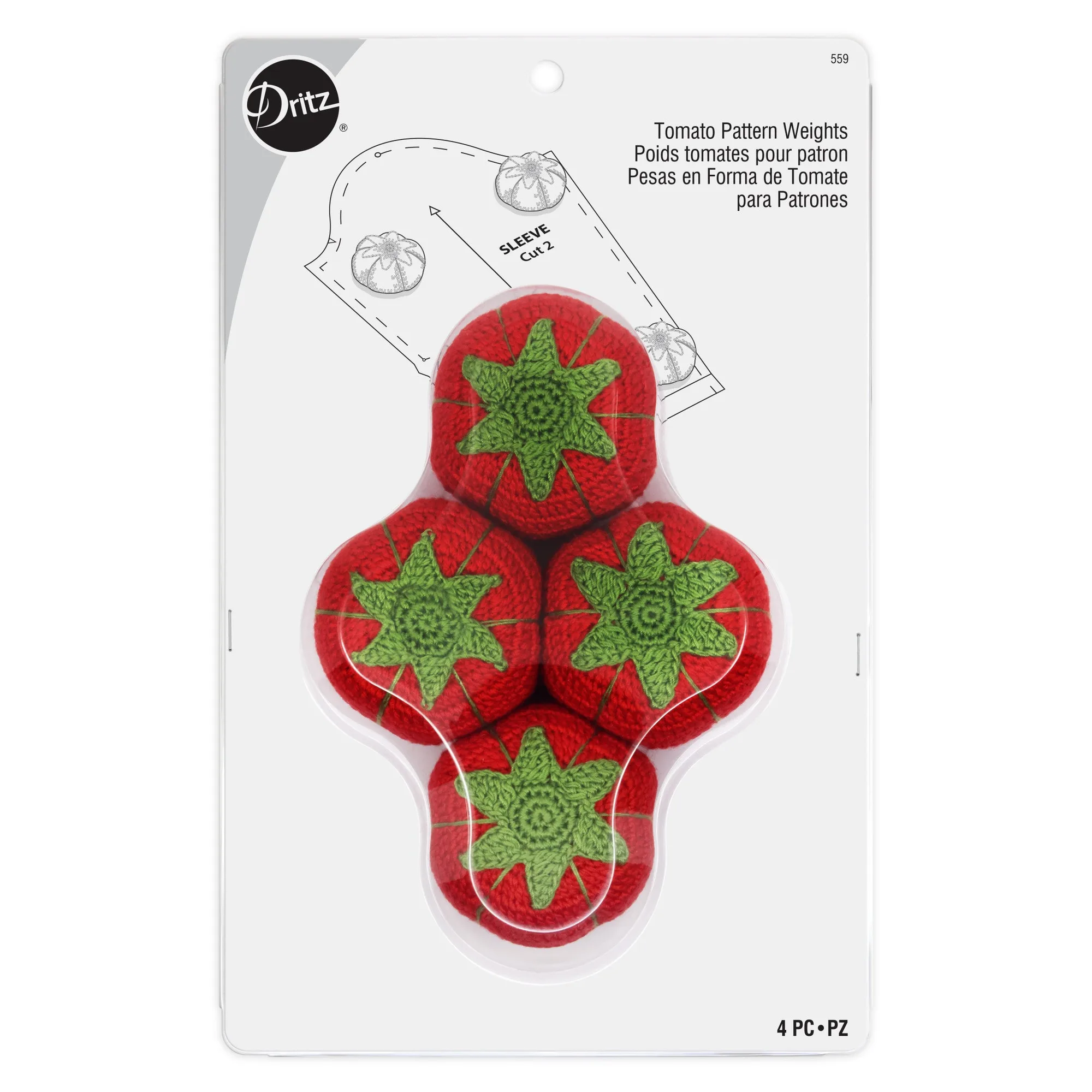
- Tomato Pattern Weights, 4 pc: The weights keep the fabric flat, wrinkle free and help prevent fabric distortion providing you with accurate, clean cutting. Flat, undistorted fabric is easier to fuse without bubbles or shifted layers, especially on appliqué and small pieces.
- 1-1/4" Dressmaker Pins, Nickel: Dritz Dressmaker Pins are general purpose sewing pins for medium to heavyweight fabrics. Reusable plastic storage box with curved side for easy pin removal. Pinning a test bond or holding a hem before fusing keeps layers aligned without adding heat-sensitive tape.
Is fusible bonding web right for your project?
Best for
- Hems and facings on light to medium woven fabrics
- Appliqué and no-sew craft projects that will not be pulled hard
- Temporary basting where pins or tape would mark the fabric
Not for
- Load-bearing seams that need structural strength
- Closures that must open and close, such as plackets or pocket flaps
- Fabrics that cannot tolerate the iron temperature required by the web
Pick the lightest web that holds your fabric and project stress, test it on a scrap, and add a sewn line wherever the bond will be worked hard. That one habit prevents most fusible failures.