Choosing the right manual toothbrush is more than just picking a random one from the shelf. Your toothbrush plays a crucial role in maintaining your oral health, and the wrong choice can lead to gum irritation, enamel wear, or ineffective cleaning. With so many options available, it's essential to understand what to look for to meet your specific needs.
Whether you have sensitive gums, are looking for a gentle clean, or need a toothbrush that reaches every corner of your mouth, this guide will help you navigate the key factors in selecting the perfect manual toothbrush. We'll cover bristle types, head sizes, handle designs, and more, so you can make an informed decision that supports your smile.
Why Manual Toothbrushes Still Matter
In an age of electric toothbrushes, manual toothbrushes remain a reliable and effective choice for many people. They are affordable, portable, and easy to control, making them ideal for travel and for those who prefer a hands-on approach to brushing. When used correctly, a manual toothbrush can remove plaque and prevent cavities just as effectively as an electric one.
The key is to choose a toothbrush that fits your mouth and brushing style. A well-designed manual toothbrush can help you reach all areas of your mouth, including the back molars, and can be used with proper technique to avoid damaging your gums. With the right manual toothbrush, you can maintain excellent oral hygiene without the need for batteries or charging.
- Manual toothbrushes are cost-effective and widely available.
- They allow for precise control over pressure and angle.
- No charging or batteries needed, making them perfect for travel.
Understanding Bristle Types: Soft, Medium, and Hard
Bristle stiffness is one of the most important factors in toothbrush selection. Most dental professionals recommend soft bristles because they are gentle on gums and enamel while still effectively removing plaque. Medium and hard bristles can be too abrasive, especially if you brush aggressively, leading to gum recession and enamel wear over time.
For those with sensitive gums or a history of gum disease, a soft bristle toothbrush is essential. It provides a gentle yet thorough clean, reducing the risk of irritation. Many brands, including Tom's of Maine, offer soft bristle options that are both effective and comfortable. If you're unsure, always err on the side of softness—your gums will thank you.
- Soft bristles are recommended by dentists for most people.
- Avoid hard bristles if you have sensitive gums or thin enamel.
- Look for toothbrushes labeled 'soft' or 'extra soft' for gentle cleaning.
Choosing the Right Head Size and Shape
The size and shape of the toothbrush head affect how well you can reach all areas of your mouth. A smaller head is often easier to maneuver, especially for those with a smaller mouth or difficulty reaching back teeth. On the other hand, a larger head can cover more surface area, but may be harder to control in tight spaces.
Consider a toothbrush with a compact head that can easily access the back molars and other hard-to-reach areas. Some toothbrushes feature a tapered or diamond-shaped head that enhances reach. For most adults, a head that is about one inch long and half an inch wide is ideal. Tom's of Maine offers a range of head sizes to suit different needs, ensuring you can find the perfect fit.
- Smaller heads are better for reaching back teeth and for people with smaller mouths.
- A tapered head can improve access to tight spaces.
- Test the toothbrush in your mouth to ensure it feels comfortable.
Handle Design and Grip: Comfort and Control
The handle of your toothbrush should feel comfortable in your hand and provide a secure grip, even when wet. Look for handles with ergonomic designs, non-slip grips, or angled handles that make it easier to brush at the correct angle. A good handle can help you apply the right amount of pressure and maneuver the brush effectively.
Some toothbrushes have flexible necks that absorb pressure, reducing the risk of brushing too hard. Others have a straight, sturdy handle for maximum control. Consider your own dexterity and preferences. If you have arthritis or limited hand mobility, a larger, cushioned handle might be more comfortable. Tom's of Maine's manual toothbrushes are designed with user comfort in mind, making brushing a pleasant experience.
- Ergonomic handles reduce hand fatigue during brushing.
- Non-slip grips prevent the toothbrush from slipping in wet hands.
- Angled handles can help you brush at a 45-degree angle for better plaque removal.
Special Features to Consider: Charcoal Bristles and More
Some manual toothbrushes come with special features like charcoal-infused bristles, which are believed to help absorb bacteria and whiten teeth. While research on the benefits of charcoal is limited, many users enjoy the unique cleaning sensation. If you're looking for a gentle yet innovative option, consider a charcoal toothbrush with ultra-soft bristles.
Tom's of Maine offers a Gentle Charcoal Ultra Soft Toothbrush that combines the potential benefits of charcoal with the comfort of soft bristles. This can be a great choice for those who want a natural approach to oral care. However, the most important thing is to choose a toothbrush that you will use consistently and that feels good in your mouth.
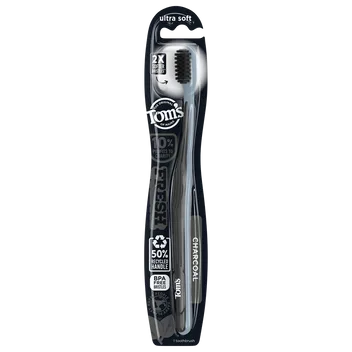
Gentle Charcoal Ultra Soft Toothbrush
- Charcoal bristles may help with breath freshness and stain removal.
- Ultra-soft bristles are ideal for sensitive teeth and gums.
- Always pair your toothbrush with a good toothpaste and floss for complete care.
How to Replace Your Toothbrush and Maintain Oral Hygiene
No matter how good your toothbrush is, it needs to be replaced regularly. Dentists recommend replacing your toothbrush every three to four months, or sooner if the bristles become frayed. A worn-out toothbrush is less effective at removing plaque and can harbor bacteria. Set a reminder to change your toothbrush with the seasons or when you visit the dentist.
Proper maintenance also extends the life of your toothbrush. Rinse it thoroughly after each use and store it upright to air dry. Avoid covering it or storing it in a closed container, as this can promote bacterial growth. By taking care of your toothbrush, you ensure it works effectively for your oral health.
- Replace your toothbrush every 3-4 months or after illness.
- Rinse your toothbrush with hot water after brushing.
- Store it in an upright position and let it air dry.
Choosing the right manual toothbrush is a personal decision that depends on your oral health needs and preferences. By focusing on soft bristles, appropriate head size, and a comfortable handle, you can ensure effective cleaning without harming your gums. Remember to replace your toothbrush regularly and pair it with quality oral care products. For a reliable and gentle option, consider the Adult Manual Whole Care® Toothbrush from Tom's of Maine, designed to support your daily oral hygiene routine.
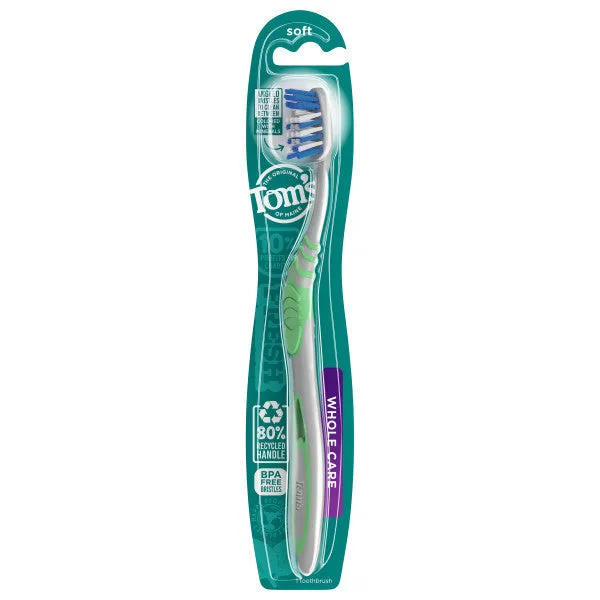
Adult Manual Whole Care® Toothbrush