Microdermabrasion is a popular exfoliating treatment that can rejuvenate your skin by removing dead skin cells and stimulating collagen production. However, the effectiveness of your microdermabrasion device largely depends on the quality and compatibility of its filters. Choosing the right filters ensures optimal performance, prevents skin irritation, and extends the life of your device.
In this guide, we'll walk you through the different types of microdermabrasion filters, how to select the right ones for your device, and when to replace them. Whether you're a beginner or a seasoned user, understanding filter compatibility is key to achieving the best results.
Understanding Microdermabrasion Filter Types
Microdermabrasion devices typically use one of two filter systems: diamond-tip or crystal-based. Diamond-tip filters use a wand with a diamond-encrusted head that abrades the skin, while crystal-based systems spray fine crystals onto the skin and vacuum them away. Each type has its own set of filters that are not interchangeable, so it's essential to know which system your device uses.
For diamond-tip devices, the filters are often disposable pads that collect dead skin and debris. For crystal-based systems, the filters are typically mesh screens that catch the used crystals. Understanding these differences will help you choose the correct replacement filters for your device.
- Diamond-tip filters: durable and reusable, but require regular cleaning and occasional replacement of the abrasive tip.
- Crystal filters: disposable and hygienic, but must be replaced frequently to maintain suction power.
How to Determine Filter Compatibility
Filter compatibility is crucial. Using the wrong filter can damage your device or cause ineffective treatment. To find compatible filters, check your device's manual or look for the model number. Many brands, like Project E Beauty, offer filters specifically designed for their devices. For example, the Reinvo Facial Microdermabrasion Wand uses a specific filter type that you should only replace with the same model.
Another way to ensure compatibility is to purchase filters from the same brand as your device. If you're unsure, contact customer support or refer to the product listing. For instance, the Project E Beauty Anti-Blemish Repair Serum is not a filter, but it complements your microdermabrasion routine by soothing the skin after exfoliation.
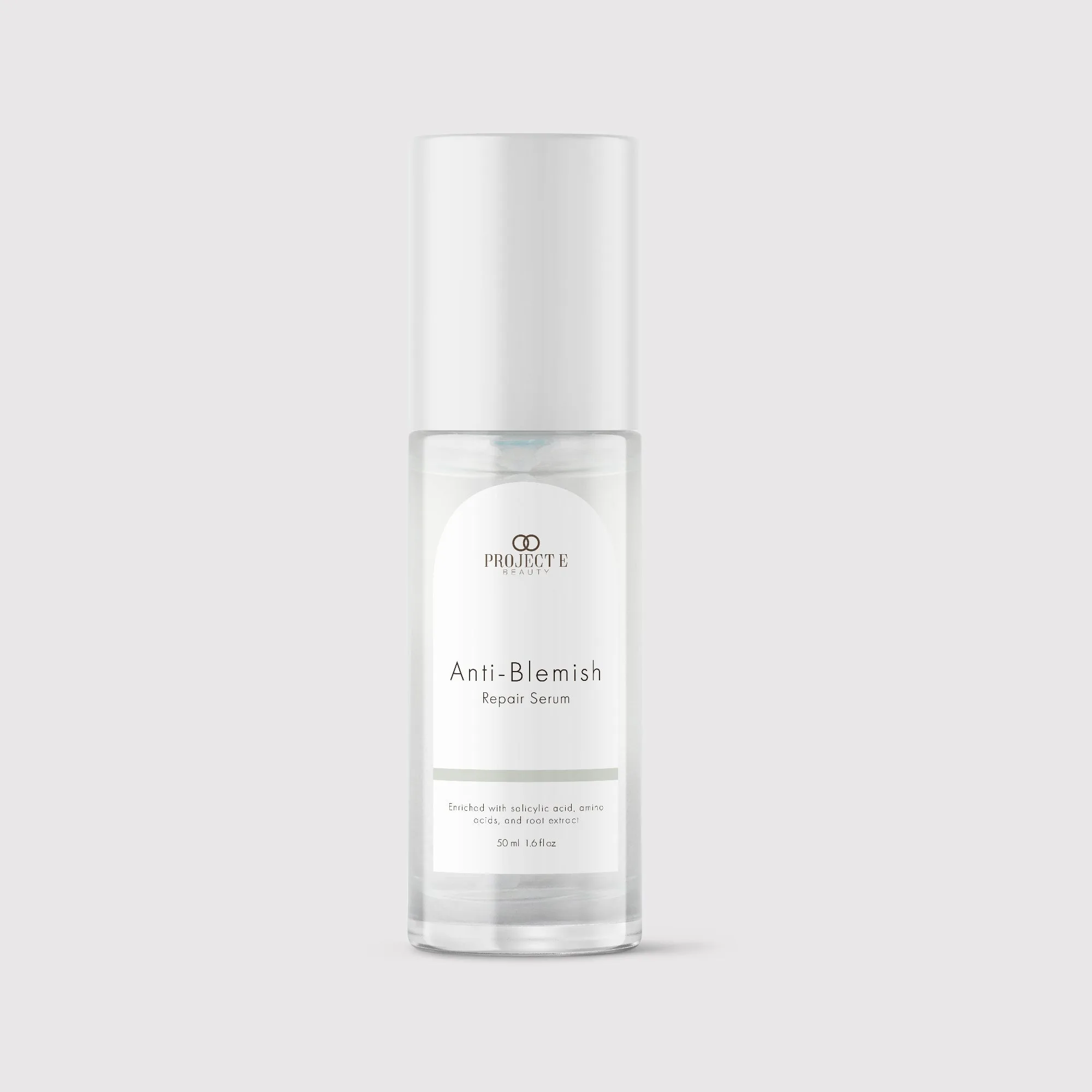
Project E Beauty Anti-Blemish Repair Serum
- Always check the device model and filter part number before purchasing.
- Buy from reputable brands to avoid poor-quality filters that may not fit or perform well.
Signs That You Need to Replace Your Filters
Over time, filters become clogged with dead skin cells and debris, reducing suction and exfoliating effectiveness. If you notice a decrease in suction power, visible debris on the filter, or skin irritation, it's time to replace the filter. Regular replacement not only ensures better results but also prevents bacterial buildup.
The frequency of replacement depends on how often you use the device and your skin type. As a general rule, replace filters every 4-6 weeks if you use the device 2-3 times a week. For lighter use, every 2-3 months may suffice. Always follow the manufacturer's recommendations.
- Keep a spare set of filters on hand so you're never caught without a fresh one.
- Clean your device regularly to extend the life of your filters.
Tips for Choosing the Right Filters
When selecting microdermabrasion filters, consider the material and quality. Diamond-tip filters are more durable and provide consistent exfoliation, while crystal filters are often more affordable but require more frequent changes. Look for filters that are compatible with your device's suction strength to avoid over-exfoliation.
Additionally, consider your skin's sensitivity. If you have sensitive skin, opt for finer diamond tips or gentler crystal sizes. Some devices offer adjustable suction, allowing you to customize your treatment. Always patch test a new filter on a small area before full use.
- Choose filters that match your skin type and treatment goals.
- Invest in high-quality filters to avoid skin irritation and ensure even exfoliation.
Choosing the right microdermabrasion filters is essential for maintaining your device's performance and achieving glowing skin. By understanding filter types, checking compatibility, and knowing when to replace them, you can enjoy safe and effective treatments. For a reliable device, consider the Reinvo Facial Microdermabrasion Wand and pair it with high-quality filters for the best results.