Quick Answer
Choose mouse skates by matching material and thickness to your mousepad surface and grip style, not by chasing the fastest glide. For cloth pads and control-focused grips, a slightly slower, thicker skate like Corepad Skatez CTRL adds stability. For glass pads or quiet glide, look at a skate designed for that surface, such as Silver Fox - VXE MAD R. If you play in humid conditions, avoid glass skates because humidity makes them sluggish.
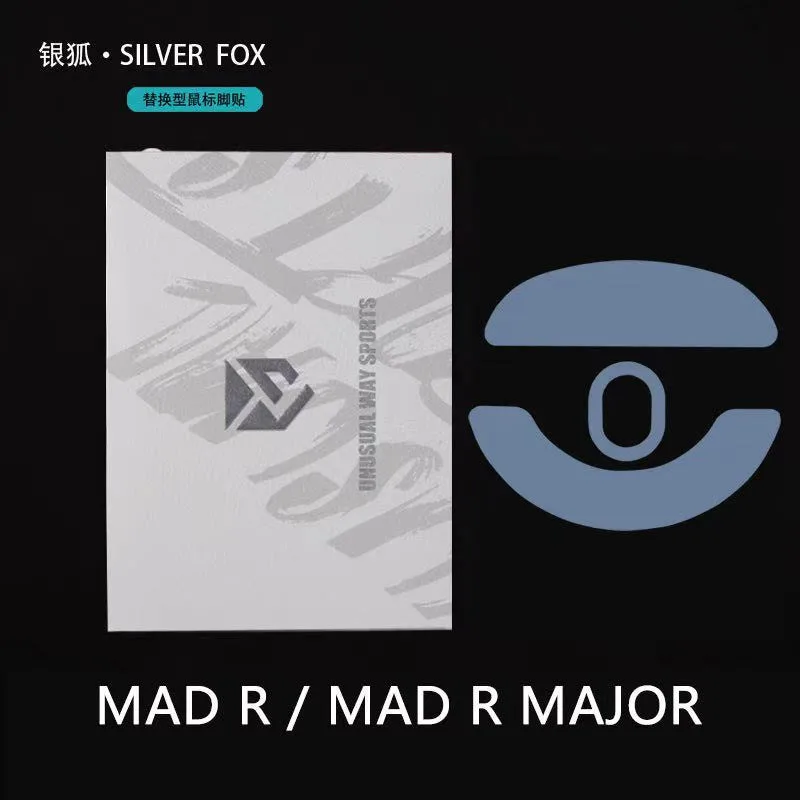
Silver Fox - VXE MAD R
Mouse skates are the small feet under your mouse, and they decide how much friction you feel every time you move. Most players replace them only when the stock feet wear flat, but the material and thickness you choose can change control, speed, and even noise more than a new mousepad.
This guide gives you decision rules based on grip style, mousepad surface, and environment, using real products from our catalog to show how the trade-offs work in practice. No hype, just what to check before you buy.
Start With Your Mousepad, Not the Skate
Your mousepad surface sets the baseline friction. A textured cloth pad like the eS Mercury Pro Gaming Mousepad SOFT uses Jacquard Woven Fabric to balance glide speed and stopping power, so it already gives you micro-control. Pairing it with an overly fast skate can make small wrist adjustments feel loose. A slightly slower skate, such as Corepad Skatez CTRL, adds controllable friction that suits that pad's intended feel.
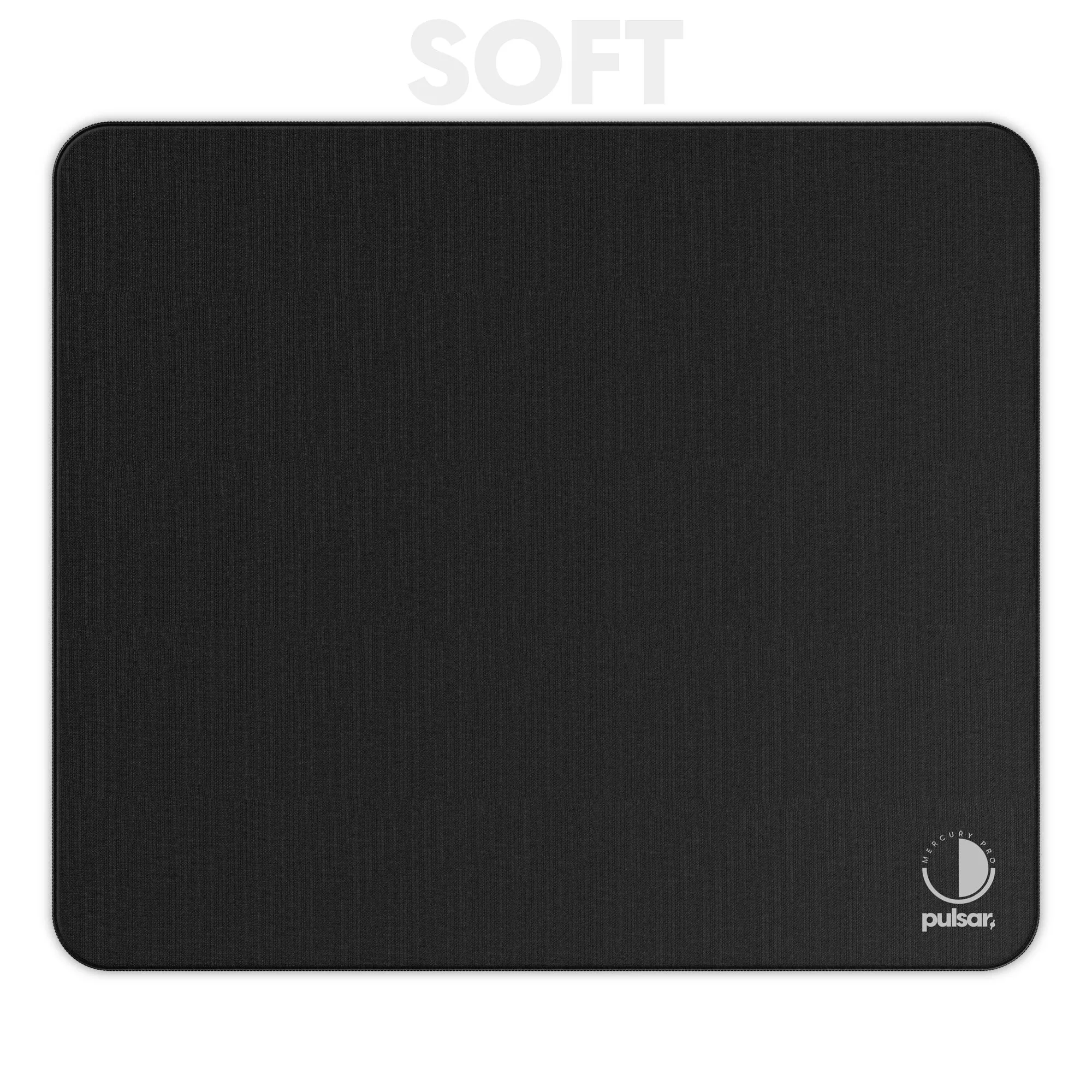
eS Mercury Pro Gaming Mousepad SOFT
Glass and hybrid pads behave differently. They are often faster and more consistent, but they can also amplify noise and wear. If you use a glass pad, a skate engineered for quieter glide, like Silver Fox - VXE MAD R, can reduce the scraping sound that standard PTFE sometimes makes. Match the skate to the pad first, then adjust thickness.
- Cloth pad: prioritize control and stopping power; a slightly slower skate is usually the safer pick.
- Glass or hard pad: prioritize quiet glide and surface compatibility; check the skate's intended use.
- Hybrid pad: expect more wear from harder materials, so factor in replacement cost.
Mouse Skate Material: PTFE, Glass, and What They Change
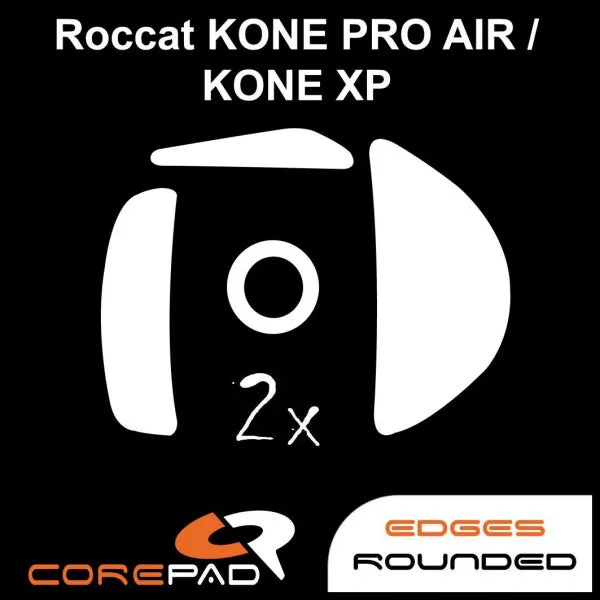
PTFE is the standard for a reason: it is consistent, quiet on most cloth pads, and easy to replace. Corepad Skatez uses 100% pure quality PTFE and high-quality 3M adhesive, which matters because a clean bond keeps the skate from peeling during fast swipes. Thickness also plays a role: Corepad Skatez for the Roccat Kone Pro Air and Kone XP is 0.85mm thick, and that extra height can slightly change how the mouse sits and how much contact you feel.
Glass skates are a different category. Lethal Skates for the Endgame Gear XM1 RGB and XM1r are made of glass and can feel very fast in dry conditions, but they do not handle humidity or moisture well. In a humid room they can feel sluggish, and because glass is harder than PTFE, it may cause additional wear on cloth and plastic surfaces. That wear varies with pad style and how much downward force you use.
- PTFE: best all-round choice for cloth pads and mixed use; predictable and easy to source.
- Glass: fast and consistent in dry, low-humidity setups, but risky on humid days and harder on pads.
- If you are unsure, start with PTFE and change one variable at a time.
Skate Thickness and Grip Style: A Practical Match
Grip style changes how much downward force you apply and how much micro-adjustment you need. Claw and fingertip grips rely on small wrist and finger movements, so a skate that is too fast can make those adjustments feel twitchy. A slightly slower, controllable skate helps you stop where you aim. Palm grip players often use larger arm movements and may prefer a faster, smoother glide to reduce fatigue over long sessions.
Thickness is the second lever. A thicker skate like the 0.85mm Corepad Skatez can lift the mouse slightly and change the feel of the pad, while thinner skates keep the mouse lower and closer to the surface. There is no universal best thickness, but if you are switching from stock feet, going thicker is a noticeable change. Adjust your sensitivity or play a few deathmatch rounds before deciding it is wrong.
- Claw or fingertip: lean toward control-oriented skates; avoid maximum-speed glass unless your pad is very slow.
- Palm: a faster, smoother skate can reduce arm fatigue, especially on large cloth pads.
- Change one thing at a time: skate material, then thickness, then sensitivity.
Humidity, Noise, and Wear: The Trade-offs Nobody Mentions
Humidity is the most overlooked factor. Glass skates can feel great in an air-conditioned room and terrible in a damp one. Lethal Skates for the Endgame Gear XM1 RGB and XM1r carry an explicit warning: glass does not handle humidity or moisture well, and in high humidity they will feel very sluggish. If your gaming area is humid, PTFE is the more reliable choice.
Noise is another trade-off. Standard PTFE skates can produce more noise on glass pads, which is why a skate like Silver Fox - VXE MAD R is engineered for a quieter glide and is especially suited to glass mouse pads. Wear is the third: glass may cause additional wear on cloth and plastic surfaces compared to PTFE, and hybrid pads may be particularly affected because of their tight knit. Budget for replacement if you go glass.
- High humidity: avoid glass skates; choose PTFE.
- Glass pad user annoyed by scraping: try a skate designed for quieter glide.
- Heavy-handed player on a hybrid pad: expect more wear from glass and check the surface regularly.
Decision Rules: Match Skate to Surface, Grip, and Environment
- If you use a cloth pad and want more control: Choose a control-oriented PTFE skate such as Corepad Skatez CTRL, which is slightly slower than the regular PRO series and designed for an evenly smooth, controllable feel. Best for claw and fingertip grips on textured cloth pads like the eS Mercury Pro.
- If you use a glass pad and hate the noise: Choose a skate engineered for quieter glide, such as Silver Fox - VXE MAD R, which is specifically noted as ideal for glass mouse pads where standard PTFE can be louder. Check humidity first: glass skates feel sluggish in damp rooms.
- If your gaming area is humid: Avoid glass skates entirely. Lethal Skates for the Endgame Gear XM1 RGB and XM1r carry a clear warning that glass does not handle humidity or moisture well and will feel very sluggish. Stick to PTFE for consistent glide year-round.
- If you want a spare and a known thickness: Corepad Skatez for the Roccat Kone Pro Air and Kone XP gives you 2 sets per pack, 100% pure PTFE, 3M adhesive, and a stated 0.85mm thickness. Useful if you replace skates often or want to compare thickness against stock feet.
- If you are unsure: Start with PTFE on your current pad. Change only the skates first, play for a week, then decide if you need a different thickness or material. One variable at a time keeps your aim predictable.
Catalog Facts That Help You Decide
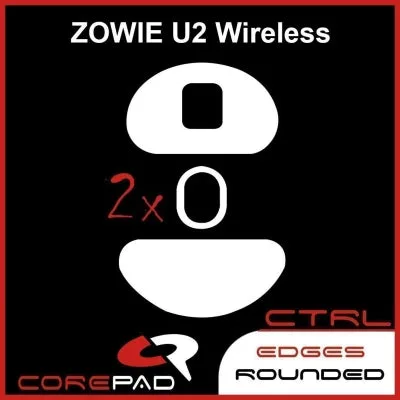
- Corepad Skatez CTRL - Zowie U2 / FK2-DW / ZA13-DW: Corepad CTRL Skatez are manufactured using a special heat treatment process that creates an evenly smooth surface, making them more controllable and slightly slower than the regular PRO series, with the same high quality and functions. Both layers of the stock feet must be removed before applying Corepad. If you want more control and a slightly slower glide than standard PTFE, this is the direct upgrade path. The installation note is critical: leaving a stock layer on will ruin the fit and feel.
- Silver Fox - VXE MAD R: Unusual Way Sports are premium replacement mouse skates designed to enhance comfort and precision. The Black PRO is engineered for a quieter glide, making it ideal especially for glass mouse pads, where standard PTFE skates can sometimes produce more noise. If you use a glass pad and the scraping sound bothers you, this skate is built for that exact problem. It also works as a replacement for worn-out skates.
- Corepad Skatez - Roccat Kone Pro Air / Kone XP: One pack contains 2 sets of Skatez. Corepad Skatez consists of 100% pure quality PTFE and uses high-quality 3M adhesive. Thickness: 0.85mm. Two sets per pack means a spare, which is useful if you wear skates quickly. The 0.85mm thickness is a concrete number to compare against your current feet, and the 3M adhesive matters for staying put during fast swipes.
- Lethal Skates - Endgame Gear XM1 RGB / XM1r - Made of Glass: Glass does not handle humidity or moisture well. If your gaming area has high humidity or moisture, they will feel very sluggish. Glass may cause additional wear on cloth and plastic surfaces compared to PTFE due to its hardness. This will vary on several factors such as use case, pad style/type, and downward force exerted by the user. Hybrid pads may be particularly affected due to the tight knit nature. This is the honest trade-off of glass: fast in dry conditions, sluggish in humidity, and harder on pads. If you play in a humid room or use an expensive hybrid pad, PTFE is the lower-risk choice.
Who Should Buy Which Skate
Best for
- Cloth pad players who want more control and stopping power, especially claw and fingertip grips.
- Glass pad users who want a quieter glide and a skate designed for that surface.
- Players in dry, climate-controlled rooms who want to try glass skates and accept the pad wear trade-off.
- Anyone replacing worn stock feet who wants a known thickness and a spare set.
Not for
- Players in humid rooms who want consistent glide: glass skates will feel sluggish.
- Heavy-handed players on expensive hybrid pads: glass may cause additional wear.
- Anyone expecting mouse skates alone to fix a bad mousepad or worn mouse feet without cleaning the surface first.
- Players who want a single universal answer: surface, grip, and humidity all change the right pick.
Pick the skate that matches your pad and environment first, then adjust thickness and material for your grip. If you play on cloth and want control, a PTFE control skate like Corepad Skatez CTRL is the safe start. If you use glass and want quiet glide, Silver Fox - VXE MAD R is built for that. Avoid glass in humid rooms, and change one variable at a time so you can actually feel the difference.