Quick Answer
The right nail lacquer brush size depends on your nail width and how much control you want. Narrow brushes (about 4-6 mm) suit small or short nails and offer precision, while wider brushes (8-10 mm) cover large nails faster but can flood cuticles. For most people, a medium-width brush (about 6-8 mm) balances control and coverage.
Understand Brush Sizes and Nail Widths
Nail lacquer brushes typically range from 4 mm to 12 mm in width. The ideal size matches your nail bed: if your brush is wider than your nail, you'll paint your skin; if it's too narrow, you'll need extra strokes that can create streaks. Measure your nail at its widest point and compare it to the brush width. For example, a 6 mm brush works well for average-sized nails, while a 9-10 mm brush suits broad nails or those who prefer fewer strokes.
Your skill level also matters. Beginners often find narrower brushes easier to control, reducing the risk of flooding the cuticle. Experienced users can handle wider brushes for a faster, more even coat. Remember, brush size is not a quality indicator—it's a fit indicator.
Brush Shapes and Their Purposes
Beyond width, brush shape affects application. Flat brushes, often with rounded tips, are the most common and provide a smooth, even finish. Round brushes offer more precision for detailed work but may require more strokes for full coverage. Angled brushes help with cuticle lines and are popular for French manicures. When choosing a nail lacquer, consider both the brush width and shape to match your needs.
Some brands offer different brush types across their lines, so it's worth checking the product description. For example, a creamy nude polish may have a different brush than a glitter top coat. If you're unsure, look for a brush that feels comfortable and allows you to paint your entire nail in two or three strokes.
Why Brush Size Matters for Different Nail Shapes
Nail shape influences how a brush interacts with the surface. For almond or oval nails, a slightly narrower brush helps follow the curve without pooling at the sides. For square or squoval nails, a wider brush covers the flat edge more efficiently. If you have very short nails, a smaller brush prevents polish from touching the skin. Consider your most common nail shape when selecting a brush size.
Also, think about your dominant hand. If you're right-handed, applying polish to your right hand with a wider brush can be trickier; a narrower brush gives more control. Test both sizes to see which feels more stable in your non-dominant hand.
How to Choose the Right Brush Size: Step-by-Step
- Measure your nail width: Use a ruler or measuring tape to find the widest part of your nail bed. This gives you a baseline for brush width. Checkpoint: If your brush is wider than your nail, choose a smaller size.
- Consider your skill level: Beginners should lean toward narrower brushes for more control, while experienced users can opt for wider brushes for speed. Checkpoint: If you're still practicing, a 6 mm brush is a safe starting point.
- Match the brush to your nail shape: For almond or oval nails, choose a brush that curves with the shape. For square nails, a wider brush covers the flat edge better. Checkpoint: Test the brush on a bare nail to see if it reaches all edges without flooding.
- Test the brush in person when possible: If you can, try the brush on a fake nail or your own nail before buying. Some brands offer different brush types, so test a few to see what feels best. Checkpoint: The right brush should feel comfortable and allow two to three strokes for full coverage.
Product Facts
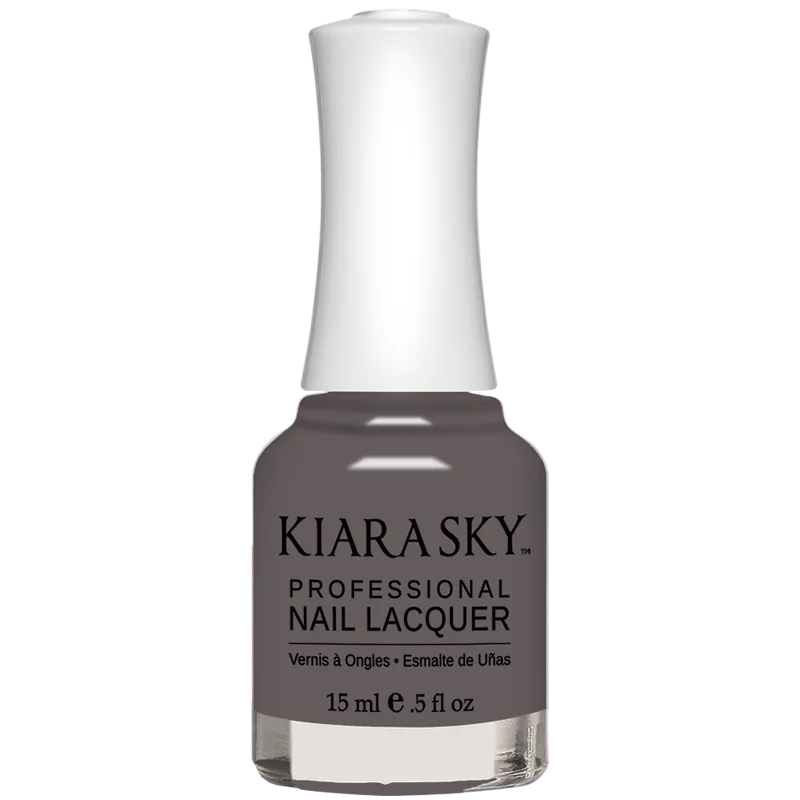
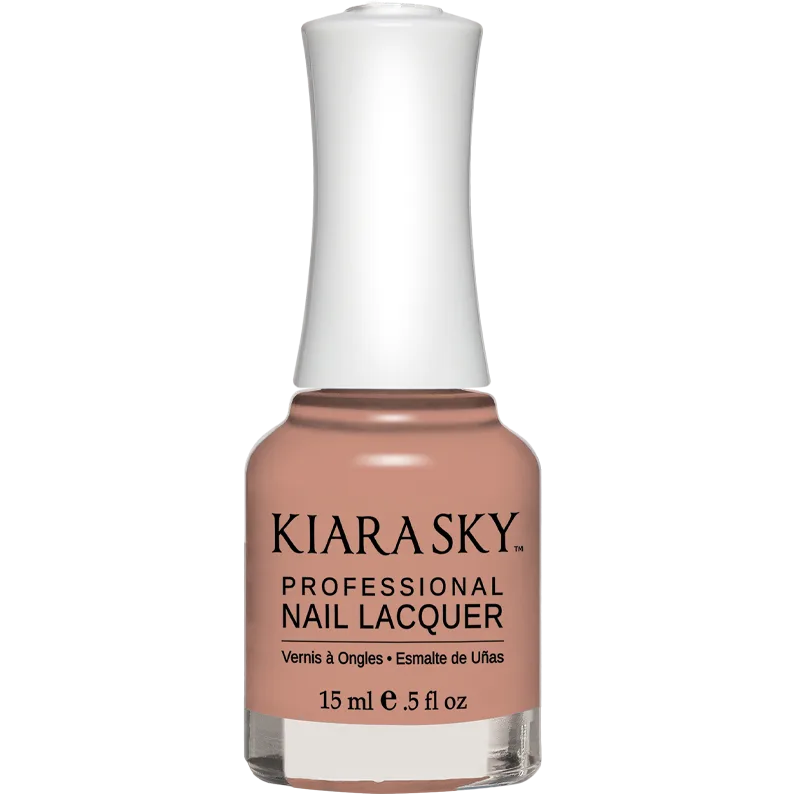
- Chi You Later: https://kiaraskyzxc.com/products/chi-you-later-18875f8c48fae5a2e6d13ba9-2455994Chi You Later is a creamy nude polish with cozy tones that look great on all skin tones, designed to add warmth and balance to your manicure. A creamy formula like this benefits from a brush that allows smooth, even strokes. If you're new to nude shades, a medium-width brush helps you achieve a clean, professional look without streaks.