Quick Answer
For most quilters, curved safety pins are the best pins for basting because they are easy to insert through all layers and stay securely closed. If you prefer a temporary hold, straight pins can work for small projects, but they may shift or poke. Consider your quilt size, fabric type, and whether you will machine or hand quilt to make the final choice.
Basting pins hold your quilt sandwich together before you quilt, and the right pins make a big difference in how smoothly your project goes. The wrong pins can leave holes, shift layers, or slow you down. In this buying guide, we will help you choose the best pins for basting based on your quilting method and materials.
We will cover the main types of basting pins, including curved safety pins and straight pins, and explain when each works best. You will also find practical tips on pin size, material, and how to test pins on your fabric. By the end, you will know exactly which pins to reach for.
Types of Basting Pins: Curved Safety Pins vs Straight Pins
Curved safety pins are the most popular choice for basting quilts. Their curved shape makes it easy to scoop through all three layers of a quilt sandwich without distorting the fabric. Once closed, they stay put, so you can move your quilt around without worrying about pins falling out. They are especially useful for machine quilting, where the quilt is rolled and manipulated frequently.
Straight pins, on the other hand, are quicker to insert and remove, but they can shift or fall out as you work. They are best for small projects like wall hangings or mini quilts that will not be moved much. If you use straight pins, choose ones with flat heads so you can iron over them without melting. For larger quilts, curved safety pins offer more security.
- Curved safety pins: secure, easy to insert through layers, ideal for machine quilting.
- Straight pins: fast to use, better for small projects, but can shift or poke.
Size and Material Matter
Basting pins come in different sizes. Size 1 or 2 curved safety pins are common for quilting because they are large enough to handle multiple layers but not so large that they leave big holes. For delicate fabrics like silk or batik, use finer pins to minimize hole marks. Stainless steel pins resist rust and glide smoothly through fabric.
The material of your pins also affects performance. Nickel-plated pins are strong and smooth, while plastic or coated pins may be less durable. Always test a pin on a scrap of your quilt fabric to see if it leaves a visible hole. If it does, switch to a finer pin or consider basting spray or thread instead.
- Choose size 1 or 2 curved safety pins for most quilts.
- Test pins on scrap fabric to check for hole marks.
How to Place Basting Pins for Best Results
Proper pin placement keeps your quilt layers flat and prevents shifting. Start by smoothing your quilt sandwich on a flat surface. Place pins every 3 to 4 inches in a grid pattern, working from the center outward. This distributes the hold evenly and prevents puckers. Avoid pinning too close to the edge where you will bind, as pins can get in the way.
When using curved safety pins, insert the pin through all layers and close it. The curve should face the fabric to avoid catching thread. For machine quilting, you can leave pins in as you quilt, but check your machine's manual—some recommend removing pins as you go. For hand quilting, you will need to remove pins as you reach them.
- Pin in a grid every 3-4 inches, starting from the center.
- Keep pins away from the binding edge.
Alternatives to Pins: When to Consider Other Basting Methods
Pins are not the only way to baste. Basting spray is a temporary adhesive that holds layers together without pins. It is fast and works well for small to medium quilts, but it can gum up your needle and may not hold for large quilts. Thread basting, where you sew large stitches through the layers, is another option. It is secure and leaves no holes, but it is time-consuming.
If you have arthritis or hand fatigue, curved safety pins can be hard to close. In that case, basting spray or thread basting might be more comfortable. Consider your physical comfort and the size of your project when choosing a method.
- Basting spray: fast, no pins, but can be messy and may not hold large quilts.
- Thread basting: secure, no holes, but slow to remove.
Decision Rules for Choosing Basting Pins
- For machine quilting: Choose curved safety pins in size 1 or 2. They stay closed and are easy to remove as you quilt. Curved safety pins are the best pins for basting when using a machine.
- For hand quilting: Use straight pins or smaller curved safety pins. You will remove them as you stitch, so ease of removal matters. Straight pins can work if you do not move the quilt much.
- For delicate fabrics: Test pins on a scrap first. If holes appear, switch to finer pins or use basting spray. Always test to avoid permanent marks.
- For large quilts: Use curved safety pins and place them every 3-4 inches. Consider combining with basting spray for extra hold. More pins mean less shifting.
Products That Support Your Basting Setup
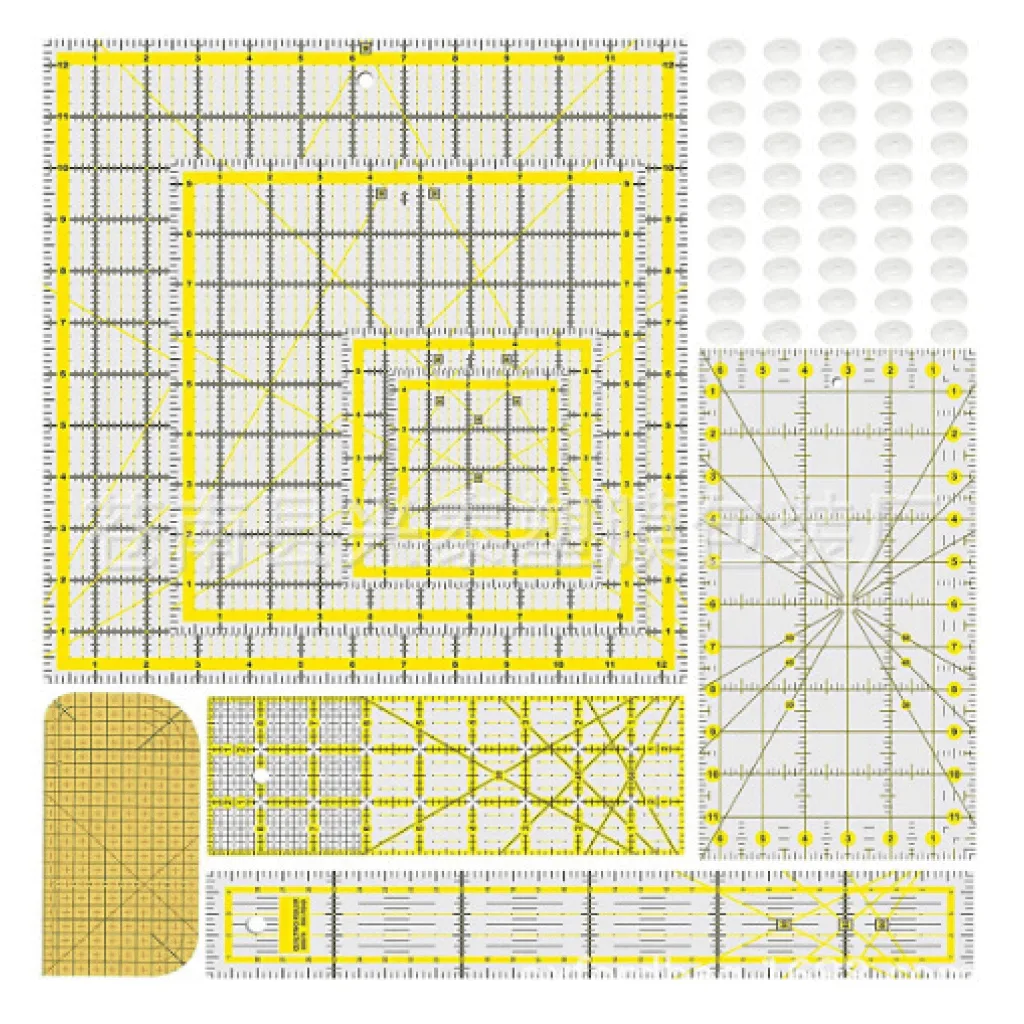
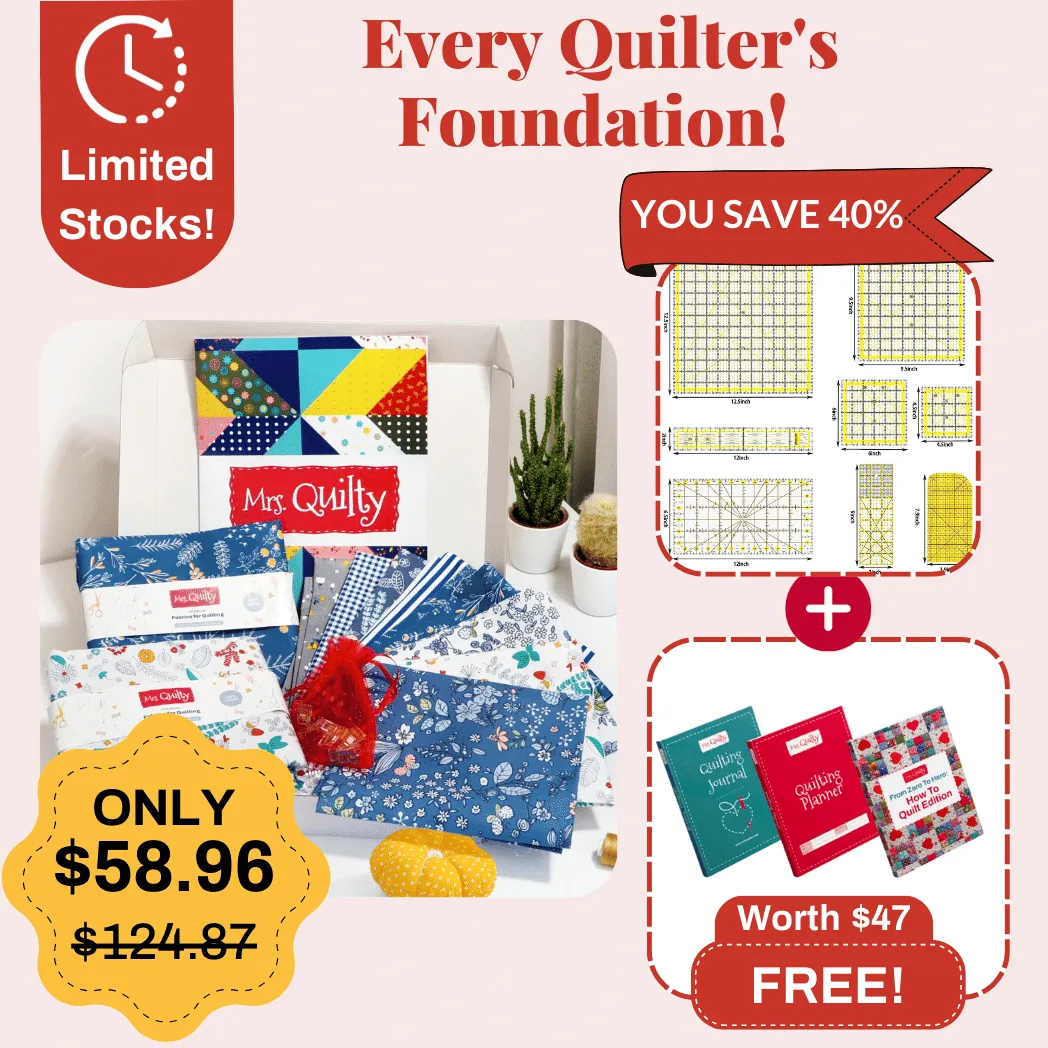
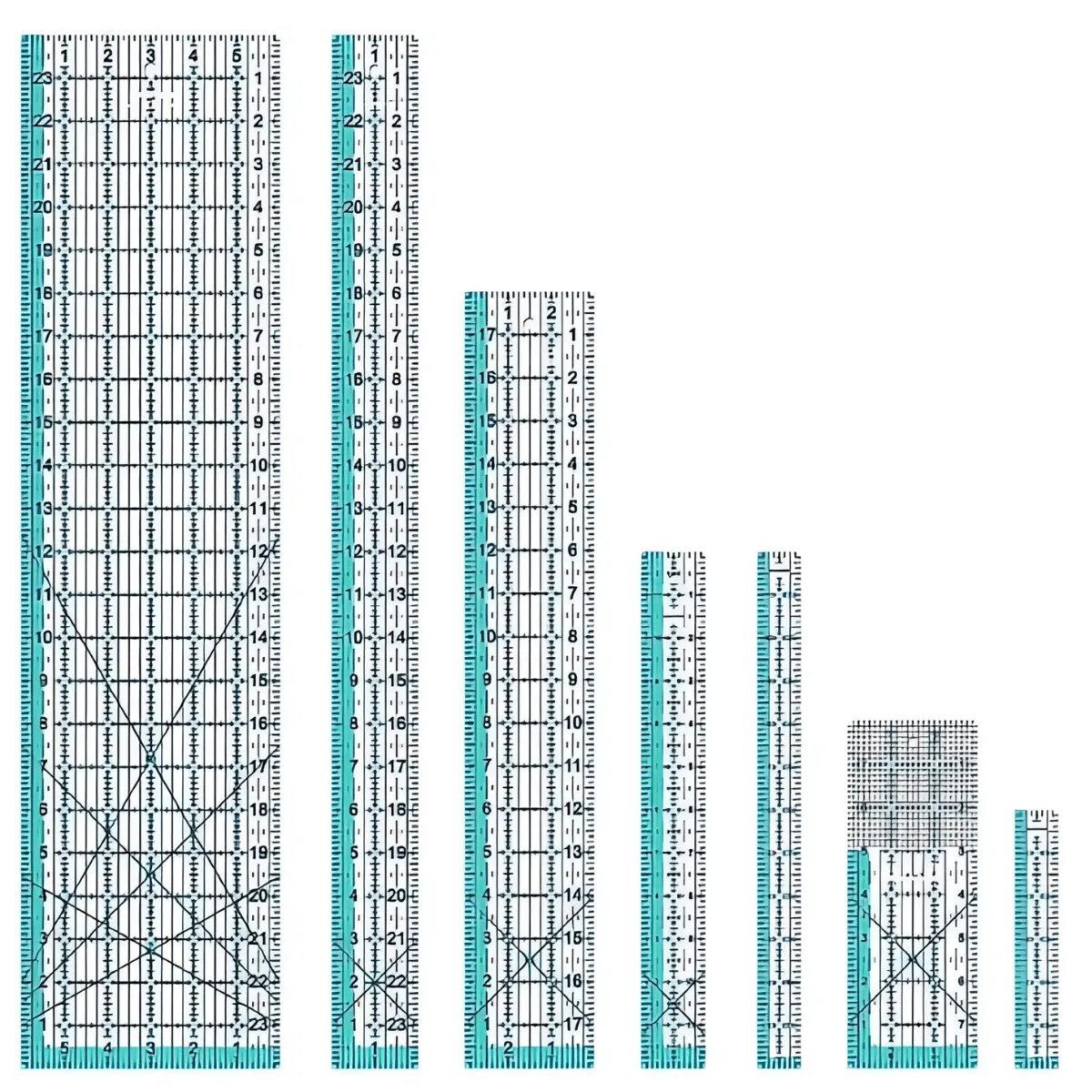
- https://mrs-quilty.com/products/non-slip-acrylic-quilting-ruler-set-bundle-f1b3fb767d6a6dd827bf06b1-1386623Non Slip Acrylic Quilting Ruler Set (bundle): This set features eight different rulers, each with a unique size, designed to elevate your quilting experience. Made of premium quality acrylic for durability. Accurate rulers help you cut fabric precisely, which makes basting easier because your layers align better.
- 46" x 36" Mid Loft 70% Cotton & 30% Poly Batting for Machines Quilter’s Dream: Quilter’s Dream 70% Cotton and 30% Polyester Batting with Ultra-Light Scrim Base is designed to work seamlessly with your sewing machine, offering a perfect balance of loft, softness, and stability. The right batting can reduce shifting, so your basting pins hold layers more securely.
Is This Guide for You?
Best for
- Quilters who are new to basting and need clear guidance
- Anyone choosing between curved safety pins and straight pins
- Quilters working on machine quilting projects
Not for
- Quilters looking for advanced longarm quilting techniques
- Those who prefer basting spray exclusively and want a spray guide
Choosing the right pins for basting is a simple decision that pays off in smoother quilting. Curved safety pins are the go-to for most projects, but straight pins have their place for small quilts. Test on your fabric, pick the right size, and pin evenly. With the right pins, your quilt layers will stay put and your stitching will be a joy.