Choosing the right planter size for your houseplant is one of the most critical decisions you can make for its long-term health. A pot that's too small can stunt growth and cause roots to become pot-bound, while one that's too large can lead to waterlogged soil and root rot. In this comprehensive planter size guide, we'll walk you through everything you need to know about matching container size to your plant's root system, ensuring your green friends thrive.
Why Planter Size Matters for Root Health
Your plant's root system is its lifeline, absorbing water and nutrients from the soil. When you place a plant in a container that's too small, roots become cramped and can't spread out, leading to nutrient deficiencies and slowed growth. Conversely, a pot that's too large holds excess moisture that the roots can't absorb, creating anaerobic conditions that promote root rot and fungal diseases. The key is to find a balance where the root system has room to grow without being overwhelmed by soil volume.
Understanding Your Plant's Root System
Before selecting a planter, you need to understand the type of root system your plant has. Most houseplants fall into one of three categories:
- Fibrous root systems (e.g., ferns, pothos, spider plants): These have many thin, branching roots that spread out horizontally. They prefer wider, shallower pots.
- Taproot systems (e.g., snake plants, succulents, some cacti): A single thick root grows deep, requiring taller, narrower containers.
- Rhizomatous or tuberous systems (e.g., ZZ plants, alocasias): Thick underground stems or tubers need wider pots to accommodate their spread.
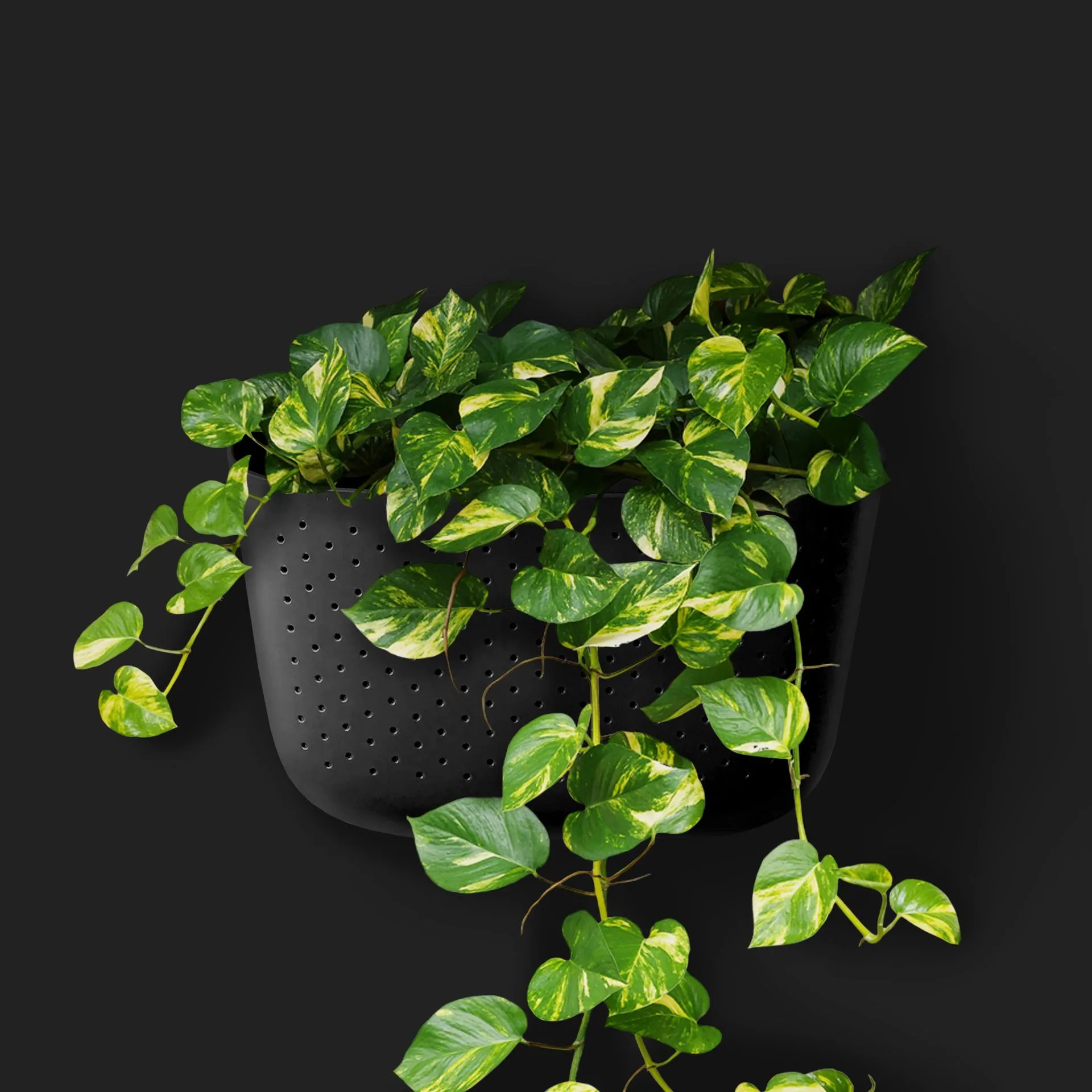
Knowing your plant's root structure helps you choose a pot that supports healthy development. For example, a plant like the Pocket 3 Black Wall Planter can be an excellent choice for trailing plants with fibrous roots, as its shallow depth allows roots to spread naturally along the wall.
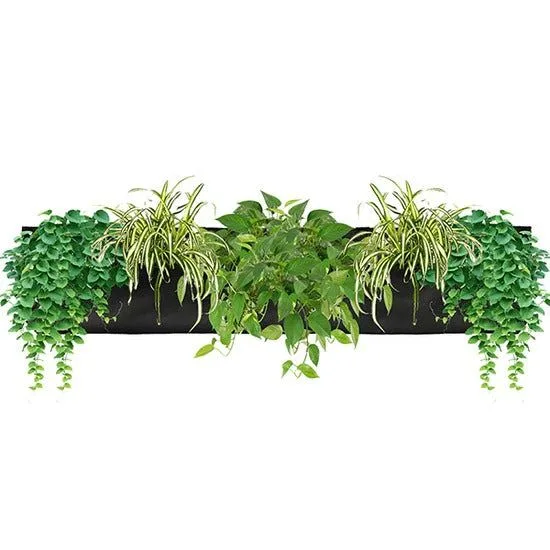
Pocket 3 Black Wall Planter
The General Rule: 1-2 Inches Larger in Diameter
The most widely recommended guideline is to select a new pot that is 1 to 2 inches larger in diameter than the current one. For most houseplants, this provides enough space for root growth without leaving too much empty soil. Here's a quick reference:
Current Pot Diameter
Recommended New Pot Diameter
4 inches
5-6 inches
6 inches
7-8 inches
8 inches
9-10 inches
10 inches
11-12 inches
12 inches or larger
Add 2-3 inches
This rule works well for most repotting situations, but always consider the plant's growth rate. Fast-growing plants like pothos or monstera may need the larger end of the range, while slow growers like succulents do better with just 1 inch of extra space.
Signs Your Plant Needs a Bigger Pot
How do you know when it's time to repot? Look for these telltale signs:
- Roots emerging from drainage holes — This is the most obvious indicator.
- Roots circling the top of the soil — Visible on the surface.
- Water runs straight through the pot — Roots have taken over, leaving no room for soil to hold moisture.
- Plant growth has stalled — Despite proper care, the plant isn't producing new leaves.
- Soil dries out too quickly — Roots fill the pot, reducing water retention.
- Plant becomes top-heavy — The pot tips over easily due to oversized foliage.
If you notice any of these, it's time to move up a pot size. For wall-mounted options like the Eco Terracotta Wall Planter, ensure the new pot still fits your mounting system and that the wall can support the additional weight of soil and water.
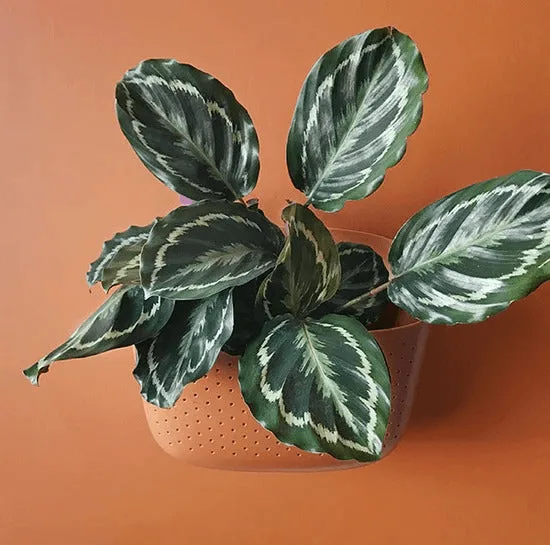
Eco Terracotta Wall Planter
Pot Depth: More Important Than You Think
Diameter isn't the only factor — depth matters just as much. Shallow-rooted plants like succulents, cacti, and most foliage plants (pothos, philodendrons) prefer pots where the depth is roughly equal to the diameter. Deep-rooted plants like snake plants, dracaenas, and palms need pots that are taller than they are wide. A good rule of thumb is to leave at least 1-2 inches of space between the root ball and the bottom of the pot to allow for drainage and root expansion.
Material Matters: How Pot Type Affects Root Growth
The material of your planter also influences root health:
- Terracotta and unglazed ceramic — Porous materials that allow airflow and moisture evaporation, ideal for plants that prefer drier conditions. The Eco Terracotta Wall Planter is a great example, offering breathability for healthy roots.
- Glazed ceramic and plastic — Non-porous, retain moisture longer. Better for moisture-loving plants like ferns or calatheas.
- Fabric pots — Excellent for air pruning roots, preventing circling. Good for fast growers.
- Metal and glass — Not recommended for long-term use unless they have drainage holes and are lined appropriately.
Always ensure your pot has adequate drainage holes, regardless of material. Without them, water collects at the bottom, and roots can suffocate.
Repotting Step-by-Step for Root Health
Once you've chosen the right pot size, follow these steps to minimize transplant shock:
- Water the plant thoroughly 24 hours before repotting to hydrate roots.
- Gently remove the plant from its current pot. If stuck, tap the sides or run a knife around the edge.
- Loosen the root ball with your fingers. Trim any dead or rotting roots with clean scissors.
- Place a layer of fresh potting mix at the bottom of the new pot.
- Position the plant so the top of the root ball sits about 1 inch below the rim.
- Fill around the roots with fresh soil, gently pressing to eliminate air pockets.
- Water thoroughly and let excess drain. Place in a spot with indirect light for a few days.
Avoid fertilizing for 4-6 weeks after repotting, as roots need time to settle.
Common Mistakes to Avoid
Even experienced plant parents make these errors:
- Jumping up too many sizes — Moving from a 4-inch to an 8-inch pot is risky. Stick to 1-2 inches.
- Using a pot without drainage — Always drill holes or use a cache pot system.
- Planting too deep — Burying the stem can cause rot. Keep the root crown at soil level.
- Neglecting to clean old pots — Reuse pots only after sterilizing with a bleach solution.
- Ignoring the plant's growth habit — Trailing plants need wider pots; upright plants need deeper ones.
Special Considerations for Vertical Gardens
If you're creating a living wall using wall planters, root space is even more limited. Plants in vertical gardens often have less soil volume, so choosing the right size is crucial. Shallow-rooted plants like ferns, pothos, or small succulents work best. For example, the Pocket 3 Black Wall Planter offers a compact but sufficient space for trailing plants, while the Eco Terracotta Wall Planter provides natural breathability for healthier roots in a vertical setup. Always check that your wall planter's depth accommodates the root ball without crowding.
When to Use Decorative Planters Without Drainage
Many beautiful planters lack drainage holes. For these, use them as cache pots — place your plant in a smaller nursery pot with drainage inside the decorative container. This allows you to easily lift the plant out for watering and prevents root rot. Just ensure the decorative pot is large enough to hold the nursery pot with a bit of space for air circulation.
Conclusion
Choosing the right planter size is a simple yet powerful way to ensure your houseplant's root system stays healthy and happy. By following this planter size guide, you'll avoid common pitfalls like root rot or stunted growth. Remember to always check your plant's root type, look for signs it needs repotting, and select a pot that gives roots room to breathe without drowning in soil. With the right container, your green companions will reward you with lush foliage and vibrant growth.
Ready to find the perfect home for your plants? Explore our collection of wall planters and traditional pots, including the versatile Pocket 3 Black Wall Planter, designed to support healthy root development in small spaces. Your plants will thank you!