Baking with protein powder can transform your favorite treats into high-protein snacks that support your fitness goals. However, not all protein powders are created equal when it comes to baking. The wrong choice can lead to dry, dense, or oddly flavored baked goods. This guide will help you understand the key factors—texture, flavor, and moisture—so you can confidently choose the right protein powder for your next batch of muffins, cookies, or pancakes.
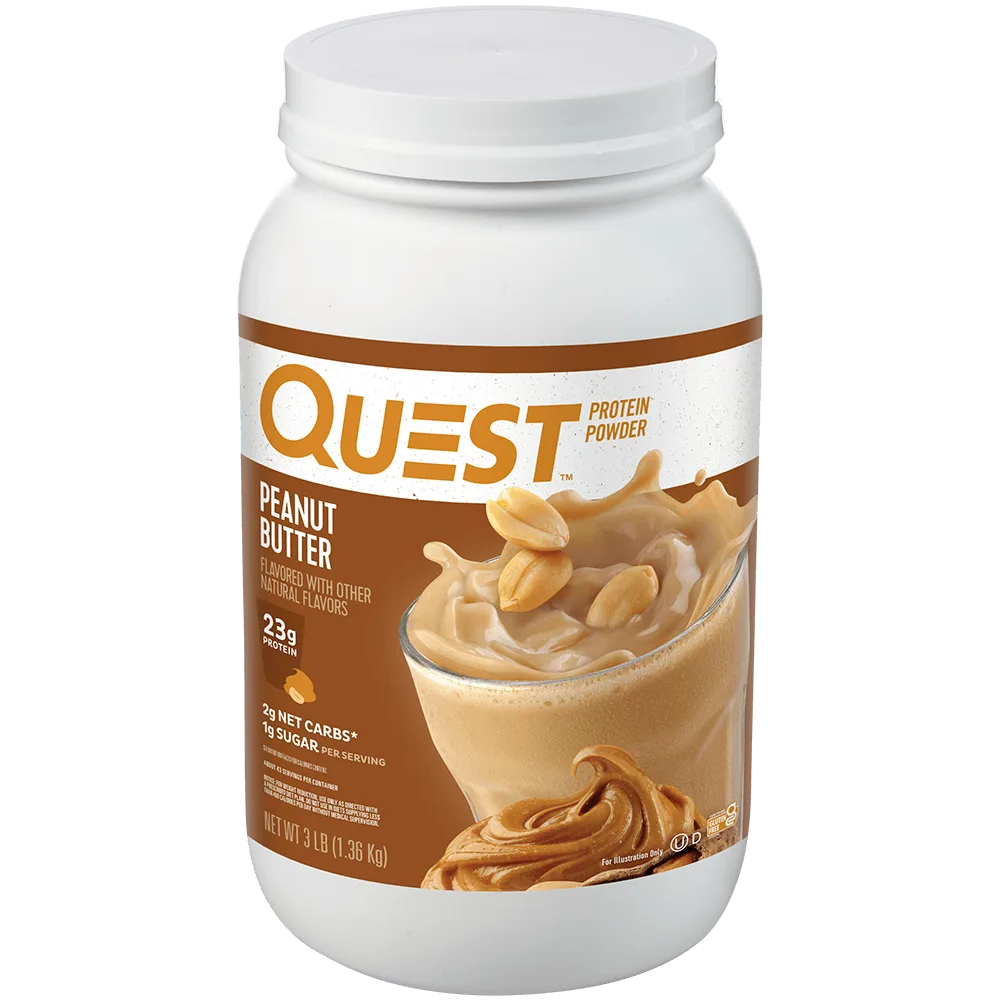
Whether you're a seasoned baker or just starting to experiment with high-protein baking, knowing how to match protein powder to your recipe is essential. We'll cover the different types of protein powders, how they affect texture, and tips for balancing flavor. Plus, we'll highlight some of the best options from Quest Nutrition, including their https://questnutritionshop.com/products/peanut-butter-protein-powder-38349Peanut Butter Protein Powder and https://questnutritionshop.com/products/lemon-cake-protein-bars-38284Lemon Cake Protein Bars, to get you inspired.
Understanding Protein Powder Types for Baking
The two most common protein powders used in baking are whey and plant-based options. Whey protein, derived from milk, is known for its smooth texture and mild flavor, making it a versatile choice for most baked goods. It blends well with batters and doughs without adding a gritty feel. Plant-based proteins, such as pea or brown rice protein, can be slightly more challenging due to their earthier taste and tendency to create a denser crumb. However, with the right recipe adjustments, they can work beautifully.
When selecting a protein powder for baking, consider the protein content per serving. A higher protein content often means the powder is more concentrated, which can affect how much you need to add to your recipe. Quest's Peanut Butter Protein Powder, for example, offers 24 grams of protein per scoop while maintaining a smooth, mixable consistency. This makes it an excellent choice for cookies, brownies, and even protein pancakes.
- Whey protein: best for light, fluffy baked goods like muffins and cakes.
- Plant-based protein: ideal for denser treats like protein bars or no-bake bites.
- Blended proteins: often combine whey and casein for a balanced texture.
How Protein Powder Affects Texture in Baked Goods
One of the biggest challenges in baking with protein powder is achieving the right texture. Protein powders can absorb more liquid than regular flour, leading to dry or rubbery results if not adjusted. To counteract this, you can increase the liquid ingredients in your recipe, such as adding extra milk, yogurt, or applesauce. Another trick is to use a combination of protein powder and almond flour or oat flour to improve moisture retention.
For recipes that require a chewy texture, such as protein cookies or bars, a blend of whey and casein protein works well. Casein thickens when mixed with liquid, helping to create a dough that holds together. Quest's Lemon Cake Protein Bars are a perfect example of a baked protein snack with a soft, cake-like texture. You can even crumble them over yogurt or use them as a base for protein-rich desserts.
- Add an extra tablespoon of liquid per scoop of protein powder to prevent dryness.
- Use a mix of protein powder and whole wheat flour for better structure.
- Let batter rest for 5 minutes before baking to allow protein to hydrate.
Flavor Pairing Tips for High-Protein Baking
Protein powders come in a variety of flavors, from vanilla and chocolate to more unique options like lemon cake or peanut butter. Choosing a flavor that complements your recipe is key. Vanilla is the most versatile and works well in almost any baked good, while chocolate pairs beautifully with peanut butter, mint, or coffee. Fruity flavors like lemon or berry can brighten up muffins, scones, or protein bars.
When using a flavored protein powder, you can reduce the amount of added sweetener in your recipe. For example, Quest's Lemon Cake Protein Bars have a naturally sweet, citrusy taste that pairs wonderfully with blueberries or white chocolate chips. You can also mix different flavors to create custom combinations, such as chocolate and peanut butter for a classic treat.
- Vanilla protein powder: pairs with almost any fruit, nut, or spice.
- Chocolate protein powder: great with peanut butter, mint, or cinnamon.
- Lemon or berry flavors: ideal for spring and summer baking.
Tips for Substituting Protein Powder in Your Favorite Recipes
If you want to add protein to your favorite muffin, pancake, or cookie recipe, start by replacing up to one-third of the flour with protein powder. This prevents the texture from becoming too dense or dry. You may also need to adjust the leavening agents—adding a bit more baking powder or baking soda can help the baked goods rise properly.
Another important tip is to avoid overmixing the batter once you add the protein powder. Overmixing can develop the protein structure too much, leading to tough results. Gently fold the dry ingredients into the wet until just combined. For a quick and easy high-protein snack, you can also use pre-made protein bars like Lemon Cake Protein Bars as a base for no-bake treats, such as protein truffles or crumble toppings.
- Replace 1/3 cup of flour with 1/3 cup of protein powder for best results.
- Add 1/4 teaspoon extra baking powder per cup of protein powder used.
- Use melted coconut oil or applesauce to add moisture without extra fat.
Now that you know how to choose the right protein powder for baking, it's time to put your knowledge into practice. Start with a versatile option like Peanut Butter Protein Powder for a rich, nutty flavor that works in everything from cookies to pancakes. Or try the Lemon Cake Protein Bars for a ready-to-eat treat that's perfect for on-the-go snacking. Happy baking!