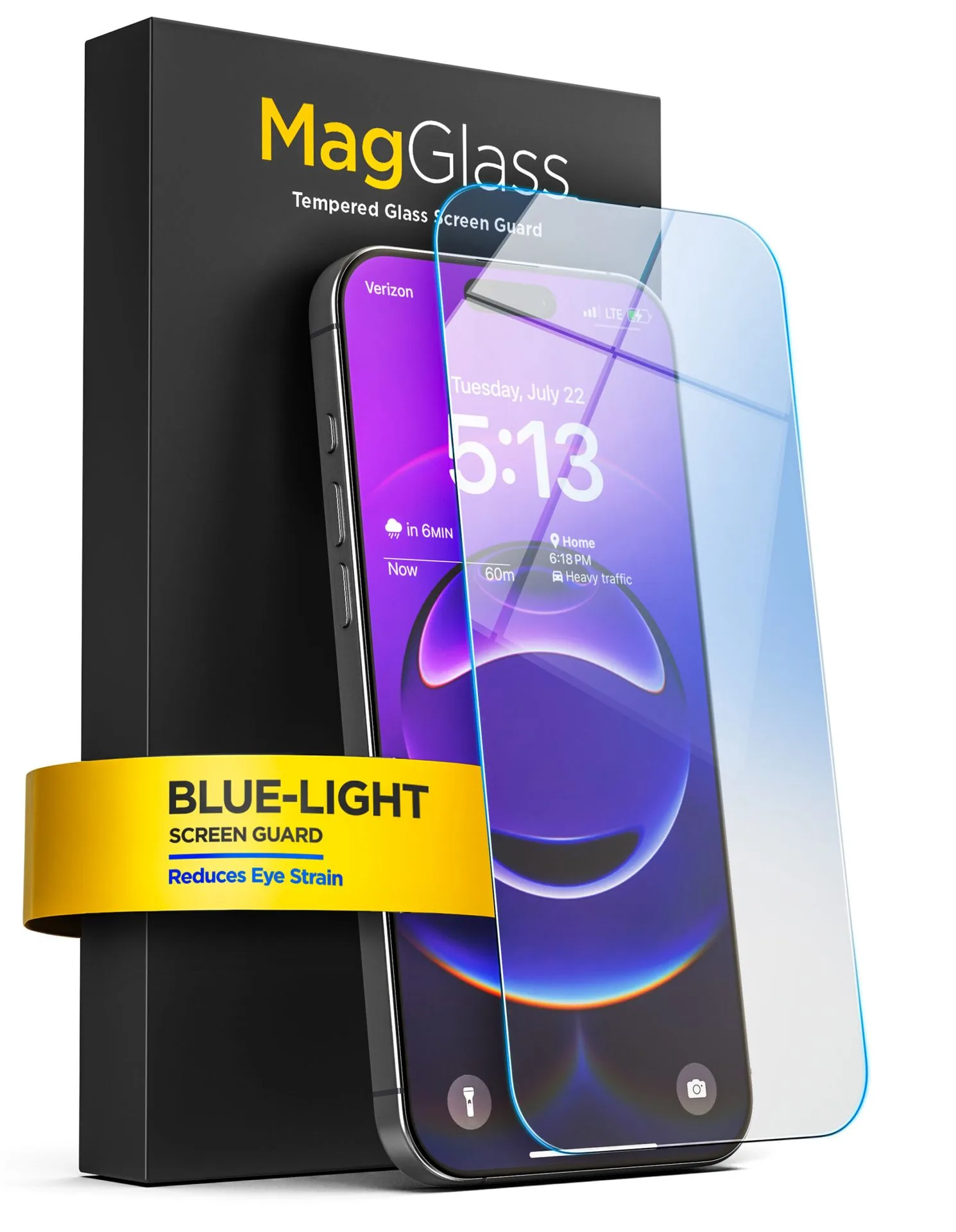
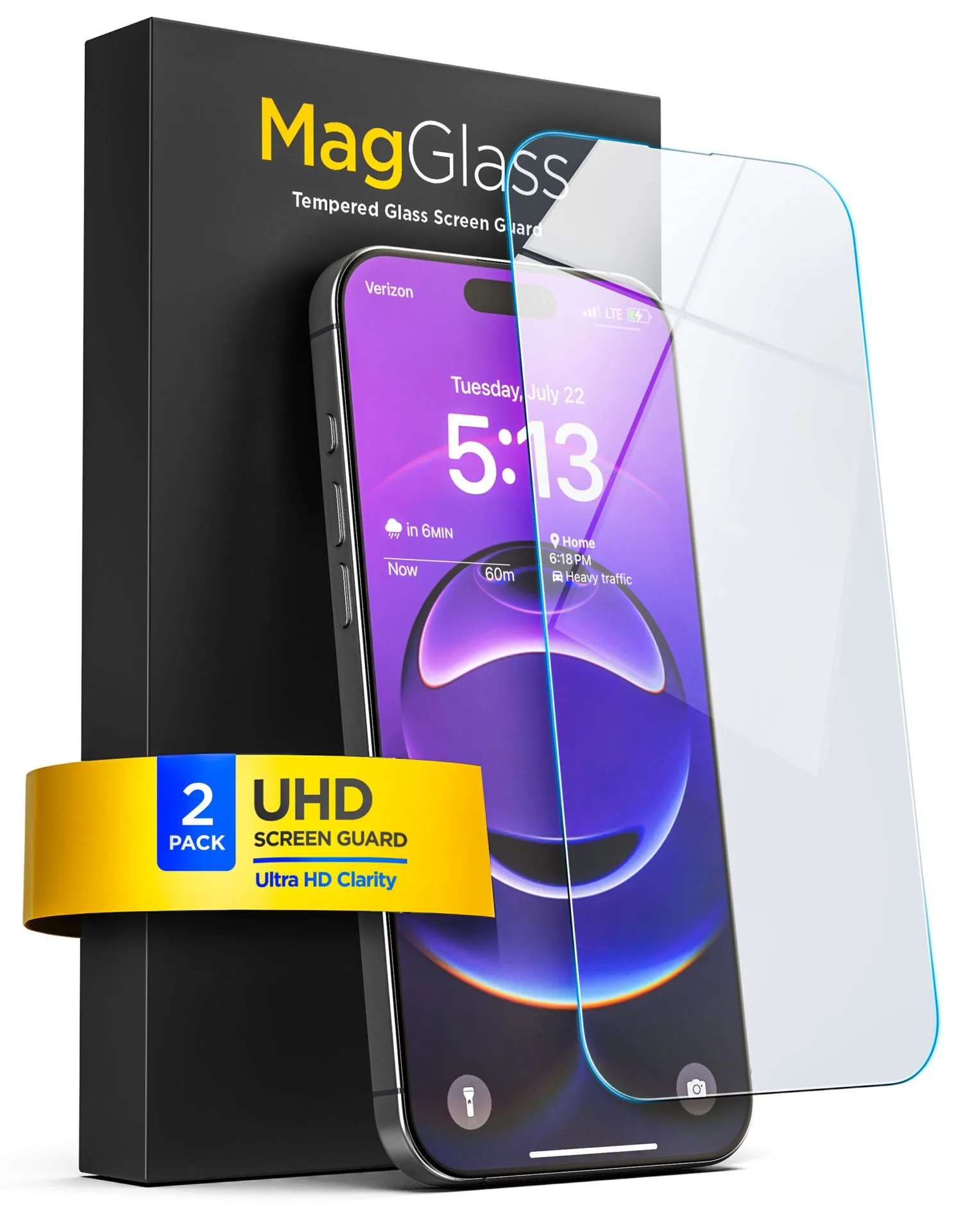
Your iPhone's screen is its most vulnerable feature. A single drop, a pocket full of keys, or a stray grain of sand can leave permanent scratches or a spiderweb of cracks. That's why a quality screen protector is non-negotiable for anyone who wants to keep their device looking pristine and maintain its resale value. But with so many options on the market, how do you choose the right one?
In this buying guide, we'll walk you through everything you need to know about iPhone screen protectors—from the different materials (tempered glass vs. plastic) to essential features like hardness, clarity, and oleophobic coatings. We'll also share tips on installation and maintenance, and highlight some top-rated options from Encased that offer reliable protection without compromising on touch sensitivity or display quality.
Why Your iPhone Needs a Screen Protector
Even the most careful phone owners eventually drop their device. Modern iPhones feature Ceramic Shield or similar strengthened glass, but they're not invincible. A screen protector acts as a sacrificial layer, absorbing impact and preventing scratches from everyday use. It's far cheaper to replace a screen protector than to repair or replace a cracked iPhone display.
Beyond physical protection, screen protectors can also reduce glare, hide fingerprints, and even add privacy. They're an affordable accessory that extends the life of your phone and keeps it looking new. When you invest in a quality protector, you're protecting your investment.
- Screen protectors absorb impact and prevent scratches.
- They can reduce glare and improve visibility in sunlight.
- A good protector maintains touch sensitivity and clarity.
Tempered Glass vs. Plastic: Which Material Is Right for You?
The two most common screen protector materials are tempered glass and plastic (often PET or TPU). Tempered glass is the most popular choice because it offers superior scratch resistance and impact protection. It feels like the original glass, provides excellent clarity, and is available in various hardness ratings (typically 9H). Tempered glass is also easier to install and often comes with an oleophobic coating to resist fingerprints.
Plastic protectors, on the other hand, are thinner, more flexible, and less expensive. They can be a good temporary solution, but they scratch more easily and may not offer the same level of drop protection. They also tend to yellow over time and can have a rubbery feel that affects touch sensitivity. For long-term protection, tempered glass is the clear winner.
- Tempered glass: high scratch resistance, impact protection, and clarity.
- Plastic: budget-friendly, flexible, but less durable and prone to scratches.
- For most users, tempered glass is the recommended choice.
Key Features to Look for in an iPhone Screen Protector
When shopping for a screen protector, you'll encounter a range of features that can affect performance. Hardness rating (like 9H) indicates scratch resistance—higher is better. Edge-to-edge coverage ensures the entire front is protected, but you'll want to make sure it's compatible with your case. Some protectors have a 3D curved design to fit the rounded edges of newer iPhones.
An oleophobic coating repels oils and fingerprints, making the screen easier to clean. Anti-glare or matte finishes reduce reflections but can slightly reduce sharpness. Privacy filters limit viewing angles, which is great for public spaces but can be a trade-off. Additionally, look for easy installation kits that include alignment tools and dust removal stickers to avoid bubbles.
- 9H hardness for maximum scratch resistance.
- Oleophobic coating to resist fingerprints and smudges.
- Edge-to-edge coverage with case compatibility.
- Easy installation kit with alignment frame and dust removal tools.
How to Choose the Right Screen Protector for Your iPhone Model
Screen protectors are not one-size-fits-all. Each iPhone model has a unique screen size, curvature, and camera cutout. Always purchase a protector specifically designed for your iPhone model to ensure proper coverage and functionality. For example, the iPhone 17 series may have different camera layouts than previous models, so a protector made for the iPhone 16 might not fit correctly.
Check the product description for compatibility. If you use a case, make sure the protector is case-friendly—some protectors may be too wide or thick and cause the case to lift. Encased offers a range of screen protectors designed to fit various iPhone models, so you can find the perfect match for your device.
- Match the protector to your exact iPhone model.
- Ensure case compatibility to avoid lifting.
- Look for protectors with precise cutouts for cameras and sensors.
Installation Tips for a Bubble-Free Screen Protector
A screen protector is only as good as its installation. Even the best protector can look terrible with bubbles or misalignment. Start by cleaning your screen thoroughly with the provided alcohol wipe and microfiber cloth. Remove any dust with the included dust removal sticker. Align the protector carefully using the alignment frame if provided, then gently lower it onto the screen.
If bubbles appear, use the squeegee card to push them towards the edges. For stubborn bubbles, lift the corner and reapply. Work in a dust-free environment, like a bathroom after a hot shower, to minimize airborne particles. With a little patience, you can achieve a flawless installation.
- Clean and dry your screen completely before applying.
- Use alignment tools to center the protector.
- Squeegee out bubbles from the center outward.
Top Screen Protectors from Encased
Encased offers a variety of screen protectors that combine durability with clarity. While specific models may vary, you can expect tempered glass options with 9H hardness, oleophobic coatings, and precise cutouts. Pairing your screen protector with a rugged case from Encased ensures comprehensive protection for your iPhone.
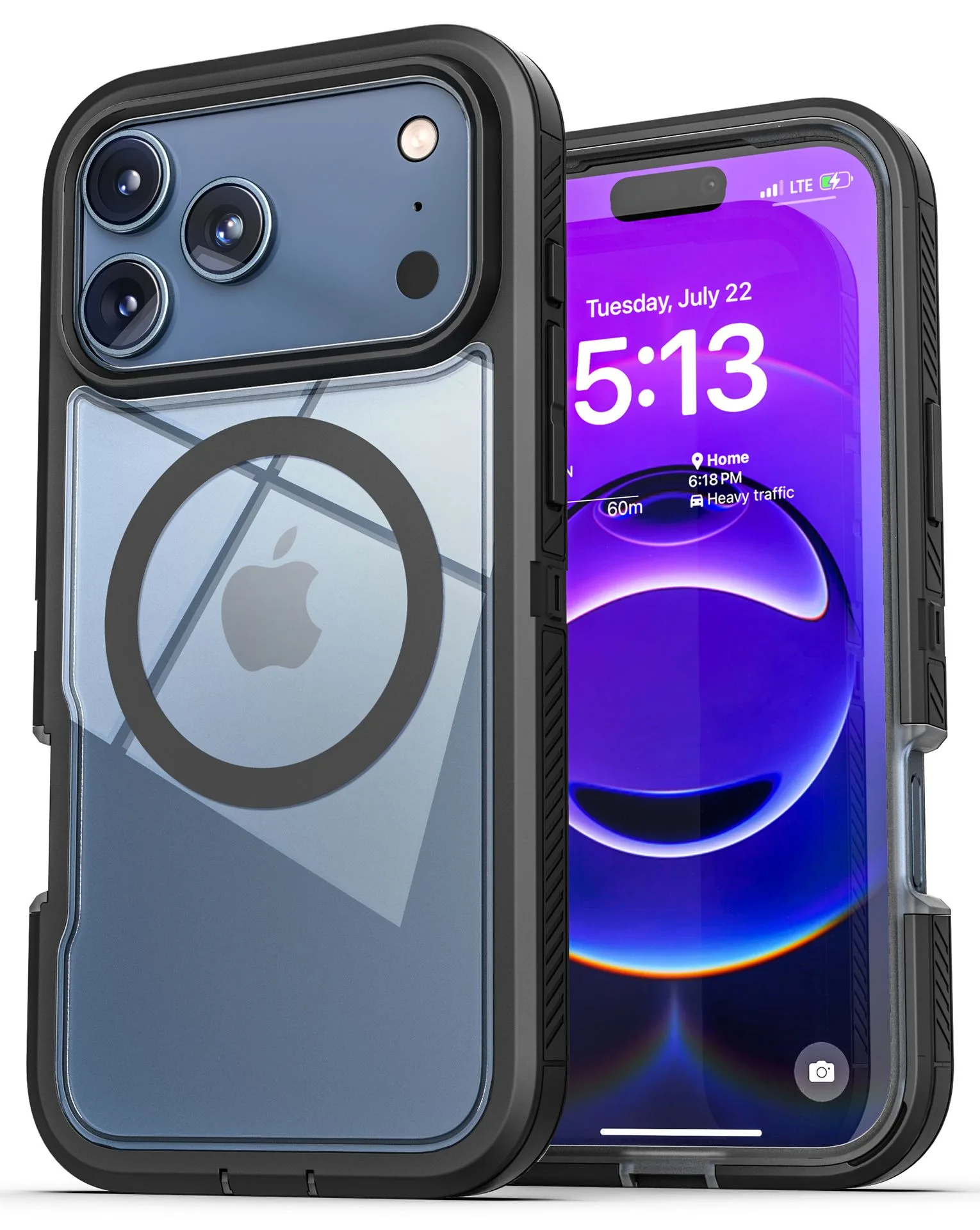
For example, if you own an iPhone 17e or 16e, you might consider the iPhone 17e / 16e ClearBack Case - Encased to complement your screen protector. The clear back showcases your phone's design while providing drop protection. If you're looking for a more rugged solution, the iPhone 17e / 16e Titan Waterproof Case with Belt Clip Holster - Encased offers military-grade protection, and it's compatible with screen protectors that are case-friendly. Remember, a screen protector works hand-in-hand with a case to keep your iPhone safe.
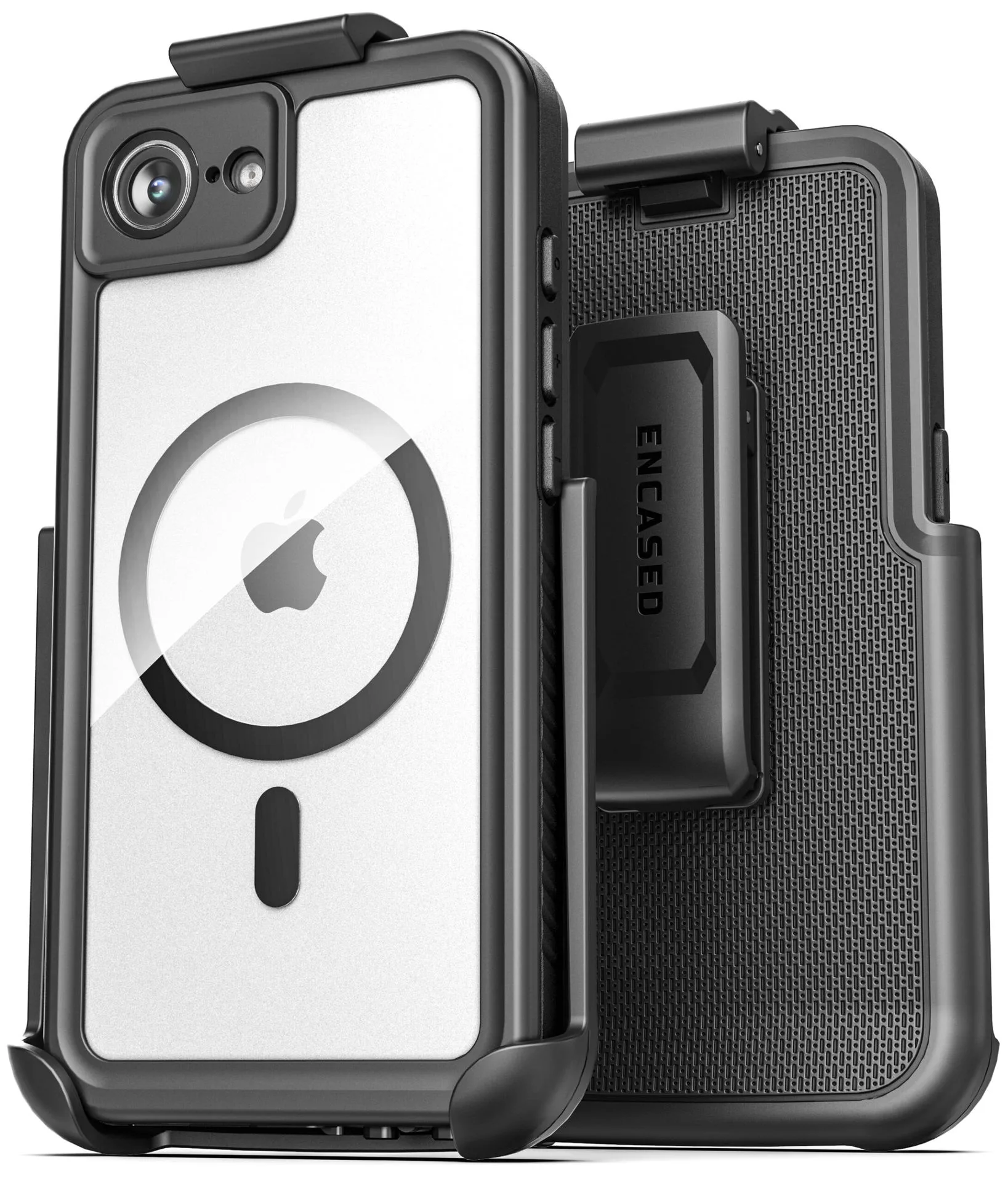
iPhone 17e / 16e Titan Waterproof Case with Belt Clip Holster - Encased
- Look for Encased screen protectors with 9H hardness and oleophobic coating.
- Pair with a durable case like the Titan Waterproof Case for full protection.
- Encased offers products for various iPhone models, ensuring a perfect fit.
Choosing the right screen protector for your iPhone doesn't have to be overwhelming. By understanding the differences between tempered glass and plastic, knowing what features to prioritize, and following proper installation techniques, you can keep your screen flawless for years. For reliable protection, explore Encased's selection of screen protectors and cases—like the iPhone 17e / 16e ClearBack Case - Encased—to find the perfect combination for your needs.