Quick Answer
For most iPhone users, tempered glass is the better choice because it offers superior drop and scratch protection while maintaining a smooth, glass-like feel. Choose a film protector only if you prioritize a barely-there profile, curved edge compatibility, or a budget-friendly option that still guards against everyday scratches.
Your iPhone's screen is its most fragile and essential component. A single drop or a stray key in your pocket can result in costly cracks or unsightly scratches. That's why choosing the right screen protector is crucial. But with so many options on the market, the debate often boils down to two main types: tempered glass and film. This guide will help you understand the differences, weigh the trade-offs, and make an informed decision based on your lifestyle and needs.
We'll explore the key factors—durability, clarity, feel, installation, and price—and provide clear decision rules. By the end, you'll know exactly which type of screen protector is the best fit for your iPhone, whether you're a rugged adventurer or a style-conscious user.
Tempered Glass vs. Film: What's the Difference?
Tempered glass screen protectors are made from a specially heat-treated glass that is both strong and shatter-resistant. They are typically 0.3mm to 0.5mm thick and offer a rigid layer of protection that absorbs impact, preventing cracks from reaching your actual screen. They also feature an oleophobic coating that resists fingerprints and smudges, and they maintain the original touch sensitivity and clarity of your iPhone's display.
Film protectors, on the other hand, are thin, flexible sheets of plastic (usually PET or TPU). They are nearly invisible once applied and offer basic scratch resistance. However, they provide minimal drop protection and can feel less smooth to the touch. Some films are self-healing, meaning minor scratches disappear over time, but they are more prone to bubbling and may yellow with age.
- Tempered glass: thicker, rigid, high impact resistance, glass-like feel.
- Film: ultra-thin, flexible, scratch-resistant but low drop protection.
Key Factors to Consider When Choosing a Screen Protector
When deciding between tempered glass and film, consider the following factors: drop protection, scratch resistance, clarity, touch sensitivity, installation ease, and price. Tempered glass excels in drop protection and scratch resistance, making it the safer choice for most users. It also offers better clarity and preserves the True Tone and 3D Touch features of your iPhone. Film protectors are cheaper and less noticeable, but they offer minimal protection against drops and can degrade over time.
Another critical factor is compatibility with your phone case. Some cases, especially those with tight lips, can lift film protectors. Tempered glass protectors are generally more case-friendly, but you should ensure they don't interfere with the case's fit. Additionally, consider the edge-to-edge coverage: some tempered glass protectors have curved edges that might not adhere perfectly to flat screens, while films can conform to curved edges more easily.
- Drop protection: tempered glass wins.
- Scratch resistance: tempered glass is more durable, but film can self-heal.
- Clarity: both are clear, but glass offers better optical clarity.
- Touch sensitivity: tempered glass feels more like the original screen.
- Installation: film can be trickier to install without bubbles.
- Price: film is generally cheaper, but glass offers better value for protection.
How to Choose Based on Your Lifestyle
Your lifestyle plays a significant role in the decision. If you're prone to dropping your phone or work in environments where your phone is exposed to rough conditions, tempered glass is the clear winner. It can absorb shock and prevent your screen from shattering. For those who prioritize a sleek, minimal look and rarely drop their phone, a film protector might suffice, especially if you change protectors frequently.
Consider also how you use your phone. If you're a gamer or heavy texter, the smooth feel of tempered glass is more comfortable for prolonged use. If you use your phone in bright sunlight, the anti-glare properties of some film protectors might be beneficial. Ultimately, the best screen protector is one that you'll actually keep on your phone and that meets your specific needs.
- For heavy drop risk: choose tempered glass.
- For minimal protection and low profile: film is acceptable.
- For gaming or frequent touch: tempered glass offers better feel.
Decision Rules for Choosing the Right Screen Protector
- If you drop your phone frequently: Choose tempered glass. It provides superior impact absorption and shatter resistance, reducing the risk of screen cracks. Tempered glass is non-negotiable for clumsy users.
- If you prioritize a barely-there look: Film protectors are ultra-thin and nearly invisible, preserving the original aesthetics of your iPhone. Film is ideal for style-conscious users who rarely drop their phone.
- If you have a curved-edge screen or use a tight-fitting case: Film protectors conform better to curved edges and are less likely to be lifted by cases. Tempered glass may have adhesion issues on curved edges. Check your case compatibility before buying tempered glass.
- If you're on a budget: Film protectors are generally cheaper, but they offer less protection. Consider the cost of replacing a cracked screen versus the price of a quality tempered glass protector. Invest in tempered glass for long-term savings.
Screen Protector Considerations with CASEKOO Cases
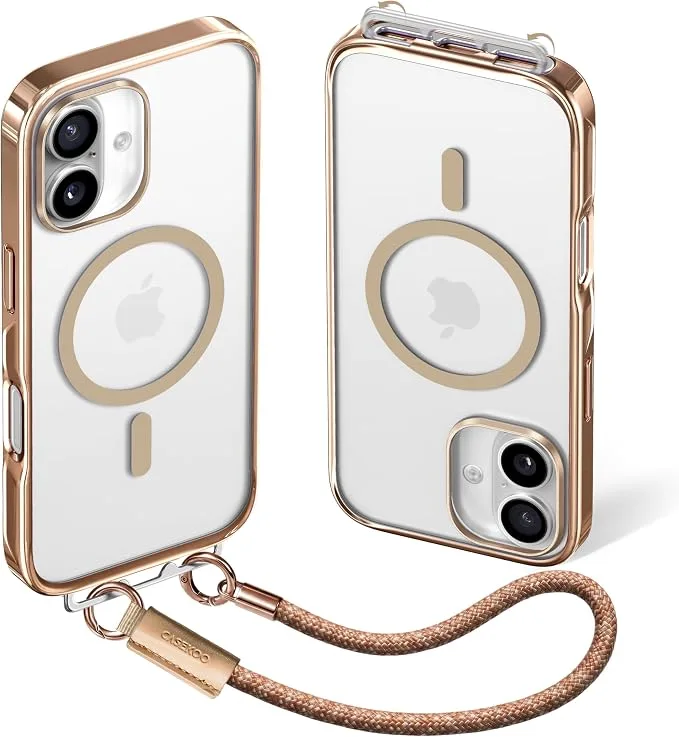
- Magkoo Series iPhone Cases: Compatible with iPhone 17 Pro Max, iPhone 17 Pro, iPhone 17 Air, iPhone 17, and earlier models down to iPhone 15. When choosing a screen protector, ensure it fits snugly with your case. The Magkoo Series offers a precise fit that won't interfere with most tempered glass protectors, providing seamless protection.
- Rugged Shockproof iPhone Case with Kickstand: Priced at USD 34.99 (comparison price USD 69.99) and available for iPhone 17 Pro Max, iPhone 17 Pro, iPhone 17 Air, iPhone 17, and iPhone 16/15 series. If you opt for a rugged case like this, you'll likely need a screen protector that can keep up. Tempered glass is recommended to complement the heavy-duty protection, ensuring your screen stays intact even in tough conditions.
Who Should Choose Which?
Best for Tempered Glass
- Users who want maximum drop and scratch protection.
- Gamers and heavy users who value a smooth touch experience.
- People willing to spend a bit more for peace of mind.
Not for Tempered Glass
- Users who prefer a completely invisible protector.
- Those with curved-edge screens that cause adhesion issues.
- Budget-conscious users who don't mind replacing protectors frequently.
Choosing the right screen protector ultimately comes down to your priorities. If you value protection and durability, tempered glass is the way to go. If you prefer a minimal look and don't drop your phone often, film might suffice. Whichever you choose, pairing it with a reliable case like the Magkoo Series iPhone Cases ensures your iPhone is well-protected from all angles. Explore our collection to find the perfect case to complement your new screen protector.