Quick Answer
For mature skin, the best serum depends on your primary concern: retinol targets fine lines and wrinkles, peptides support firmness and hydration, and vitamin C brightens and evens tone. Start with one active ingredient, patch test, and layer gradually. If you have sensitive skin, choose gentler forms like sodium ascorbyl phosphate for vitamin C or a lower retinol percentage.
Mature skin changes: it produces less collagen, loses elasticity, and can become drier or more sensitive. That means the serum you used in your 30s may not be the best choice now. The right serum can address fine lines, dullness, and loss of firmness—but only if you pick one that matches your skin's current needs.
In this guide, we break down the most effective anti-aging serum ingredients—retinol, peptides, and vitamin C—and give you clear decision rules to help you choose. We'll also highlight a few product examples to show how these ingredients work in practice.
Key Ingredients for Mature Skin
Retinol is a form of vitamin A that speeds up cell turnover and stimulates collagen production. It's one of the most researched anti-aging ingredients and is especially effective for fine lines, wrinkles, and uneven texture. However, it can cause irritation, especially when you first start. If you have sensitive skin, start with a low concentration and use it only a few nights a week.
Peptides are short chains of amino acids that act as building blocks for collagen and elastin. They help support skin firmness and hydration, and they are generally well-tolerated, even for sensitive skin. Peptides are a great option if retinol is too harsh or if you want a serum you can use every day.
Vitamin C is a powerful antioxidant that brightens skin, fades dark spots, and protects against environmental damage. For mature skin, it helps restore a youthful glow. Look for gentler forms like sodium ascorbyl phosphate if you have sensitive skin, as it provides benefits without the irritation that pure ascorbic acid can cause.
- Retinol: best for lines and wrinkles, but start slow to avoid irritation.
- Peptides: ideal for firmness and daily hydration, gentle enough for sensitive skin.
- Vitamin C: brightens and evens tone; choose a non-irritating form if needed.
How to Match a Serum to Your Skin Concerns
Start by identifying your main concern. If fine lines and wrinkles are your top priority, a retinol serum is your best bet. If you're more worried about loss of firmness or dryness, a peptide serum may be more comfortable and still effective. For dullness and dark spots, vitamin C is the go-to.
Consider your skin's tolerance. Retinol can cause redness and peeling, especially in the first few weeks. If you have rosacea or very sensitive skin, you might prefer peptides or a gentler vitamin C. You can also alternate nights—use retinol one night and a peptide or vitamin C serum the next—to build tolerance.
- Fine lines and wrinkles? Choose retinol.
- Loss of firmness or dryness? Consider peptides.
- Dullness or dark spots? Vitamin C is your friend.
Layering and Usage Tips
Once you've chosen your serum, apply it to clean, slightly damp skin. A few drops are enough—press it in gently rather than rubbing. Follow with a moisturizer to lock in hydration, and always use sunscreen in the morning, especially if you're using retinol or vitamin C, because they can increase sun sensitivity.
If you're new to active ingredients, start by using your serum every other day or every two to three days. Watch for any redness or irritation. After a couple of weeks, you can gradually increase frequency. This is especially important with retinol, but it's a good rule for any active serum.
- Apply serum to damp skin for better absorption.
- Always follow with moisturizer and SPF during the day.
- Start slow: use every 2-3 days at first, then build up.
Your Decision Rules
- If your main concern is fine lines and wrinkles: Choose a retinol serum. Start with a low concentration and use it every 2-3 nights. Expect some initial dryness or peeling; this is normal. Retinol is the gold standard for wrinkles, but patience is key.
- If you have sensitive skin or want daily hydration: Opt for a peptide serum or a gentle vitamin C like sodium ascorbyl phosphate. These are less likely to irritate and can be used daily. Peptides and gentle vitamin C are safe bets for sensitive mature skin.
- If you want to combine ingredients: Layer a vitamin C serum in the morning and a retinol or peptide serum at night. Always use sunscreen during the day. Morning vitamin C + nighttime retinol is a powerful combo.
Product Examples That Fit These Principles
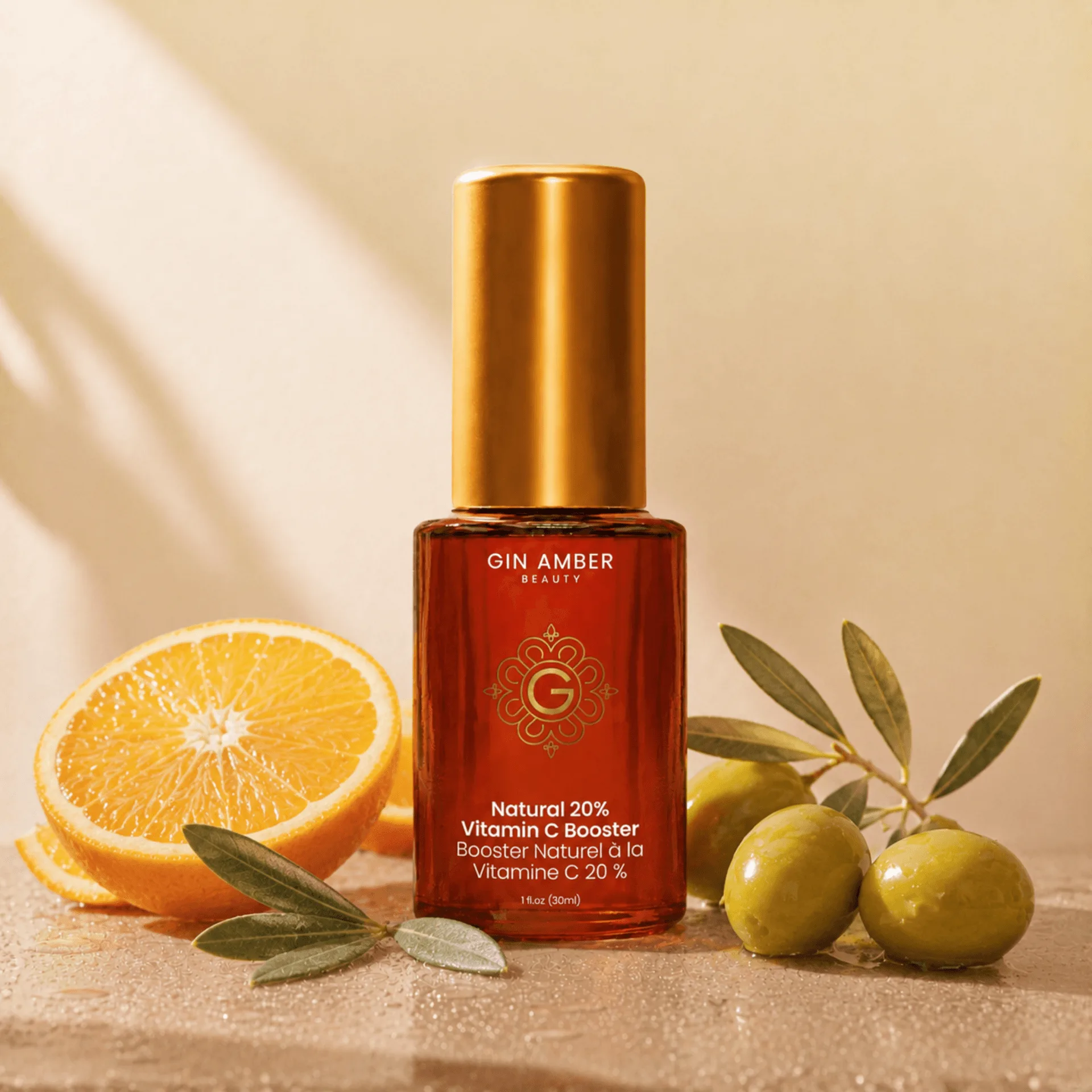
- Natural 20% Vitamin C Booster (Brightening): Sodium Ascorbyl Phosphate is non-irritating and gentle, making it perfect for those with sensitive skin. At 20% concentration, our serum is one of the strongest on the market, featuring the most active bio-available form of Vitamin C for rapid absorption. If you want the brightening benefits of vitamin C but have sensitive skin, this serum offers a high concentration without the typical irritation.
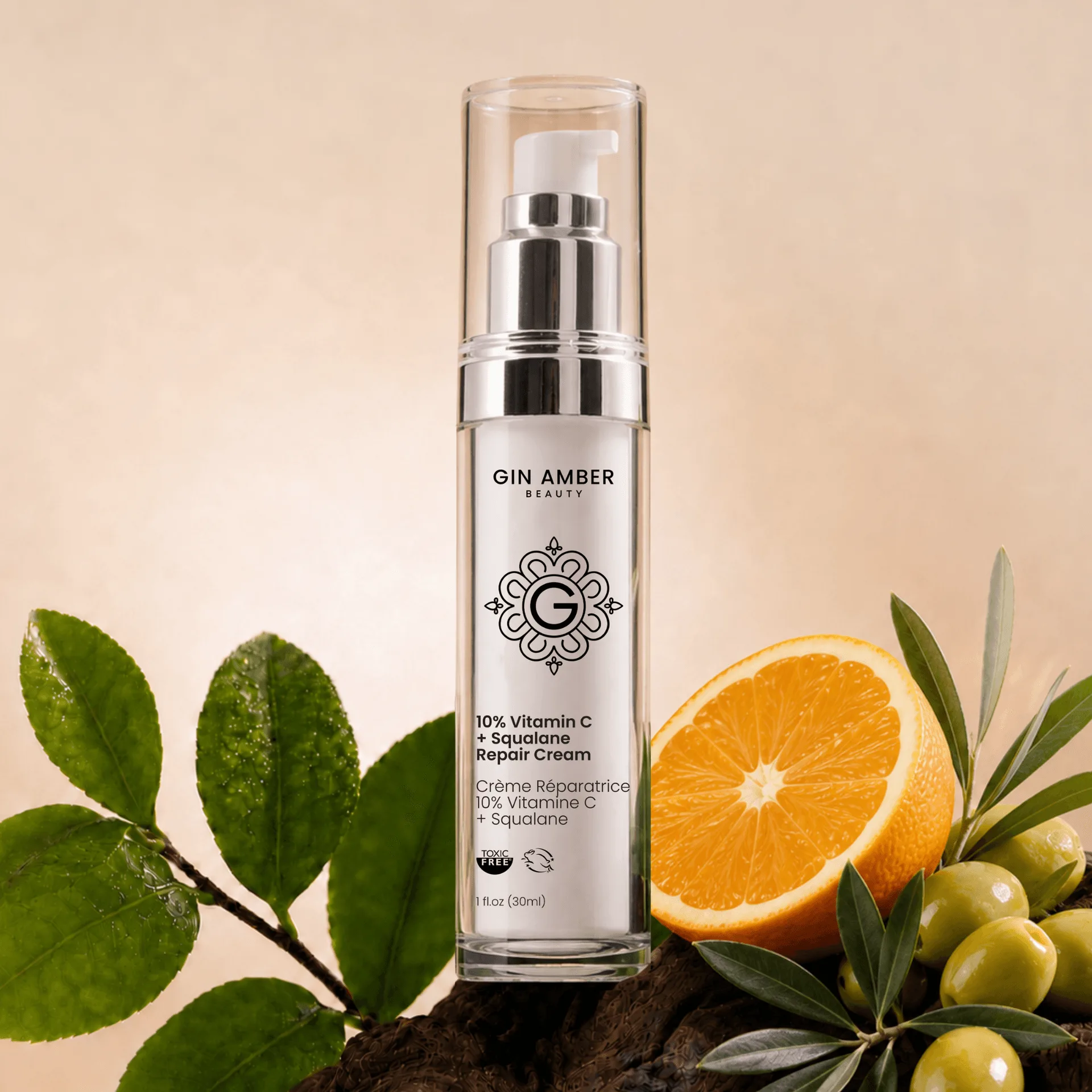
- 10% Vitamin C + Squalane Repair Cream: This highly emollient formula is suitable for all skin types and provides intense moisturization, repair, and protection while brightening and evening out skin tone. For mature skin that is also dry, this cream combines vitamin C with squalane to hydrate and repair while addressing discoloration.
Who Should Choose What
Best for
- Retinol serum: best for mature skin with visible fine lines and wrinkles and a tolerance for gradual adjustment.
- Peptide serum: best for sensitive or dry mature skin that needs firming and hydration without irritation.
Not for
- Retinol serum: not for those with very sensitive skin, rosacea, or who cannot commit to a gradual introduction.
- Vitamin C serum: not for those looking for immediate wrinkle smoothing; it works best for brightening and protection over time.
Choosing the right serum for mature skin doesn't have to be overwhelming. Identify your main concern—whether it's wrinkles, firmness, or dullness—and match it to the right ingredient. Start slowly, listen to your skin, and always protect it with sunscreen. With the right serum and a consistent routine, you can support your skin's health and glow at any age.