A well-fitted dog harness is more than just a walking accessory—it's a vital tool for your dog's comfort, safety, and control. Unlike collars, harnesses distribute pressure across the chest and back, reducing strain on the neck and preventing choking. However, a poorly fitted harness can cause chafing, slipping, or even injury. That's why understanding dog harness size and fit is crucial.
In this guide, we'll walk you through the steps to measure your dog accurately, decode sizing charts, and adjust the harness for a perfect fit. Whether you have a tiny Chihuahua or a deep-chested Great Dane, these tips will help you choose the right harness and keep your furry friend comfortable on every adventure.
Why Proper Harness Fit Matters
A harness that's too tight can restrict your dog's movement, cause chafing, and even lead to breathing difficulties. On the other hand, a loose harness can easily slip off, allowing your dog to escape during walks—a dangerous situation. Proper fit ensures that the harness stays in place, provides effective control, and keeps your dog safe and comfortable.
Moreover, a well-fitted harness helps prevent behavioral issues. If a harness is uncomfortable, your dog may associate walks with negative experiences, leading to resistance or anxiety. By investing time in measuring and fitting, you set the stage for enjoyable, stress-free outings.
- Check for a snug but not tight fit—you should be able to slip two fingers between the harness and your dog's body.
- Ensure the harness doesn't rub against the armpits or restrict shoulder movement.
Step-by-Step: How to Measure Your Dog for a Harness
Before you buy a harness, you need accurate measurements. Use a soft measuring tape and have your dog stand in a relaxed, natural position. Measure the following areas:
First, measure the neck circumference at the base, where a collar would sit. Then, measure the chest girth at the widest part of the ribcage, just behind the front legs. Finally, measure the length from the base of the neck to the base of the tail to help determine the right size for longer-bodied dogs.
- Use a flexible tape measure; if you don't have one, use a string and then measure it against a ruler.
- Add 1-2 inches (2.5-5 cm) to the chest girth for comfort, especially for dogs with thick coats or those still growing.
- Measure twice to ensure accuracy, and re-measure periodically for puppies or dogs that may change weight.
Understanding Dog Harness Sizing Charts
Most harness brands provide a sizing chart that correlates measurements to sizes like XS, S, M, L, and XL. However, sizes can vary significantly between brands, so always refer to the specific chart for the harness you're considering. For example, a size M from one brand may fit a 25-pound dog, while another brand's M might be suited for 40-pound dogs.
When you look at a sizing chart, pay attention to the chest girth and neck measurements, as these are the most critical. Some charts also include weight ranges, but these are less reliable because body composition varies. Always prioritize measurements over weight.
- If your dog's measurements fall between two sizes, choose the larger size for comfort, especially if your dog is still growing.
- For deep-chested breeds like Greyhounds or Boxers, look for harnesses with adjustable straps to accommodate a larger chest.
Adjusting the Harness for a Perfect Fit
Once you've selected a harness, it's time to adjust it. Start by loosening all straps, then put the harness on your dog. Adjust the neck straps first, ensuring they sit comfortably without being too tight. Then, adjust the chest straps so the harness sits snugly but allows free movement of the front legs.
Check that the harness doesn't shift side-to-side or slide forward. The front D-ring (if present) should sit on the dog's chest, not the throat. For back-clip harnesses, the D-ring should be centered on the back. Finally, do the 'two-finger test'—you should be able to slide two fingers under the straps at any point.
- After adjusting, watch your dog move. The harness should not interfere with natural gait or cause rubbing.
- Re-check the fit after a few walks, as straps may stretch or loosen.
Types of Harnesses and Their Fit Considerations
Different harness styles suit different needs. Front-clip harnesses are great for training and preventing pulling, while back-clip harnesses are ideal for casual walks with well-behaved dogs. Step-in harnesses are convenient for dogs that dislike things going over their heads.
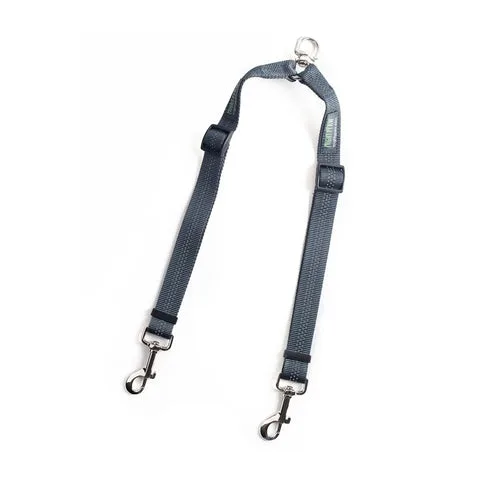
For deep-chested dogs, a harness with a wide chest strap and adjustable girth is essential to prevent chafing and ensure even pressure distribution. The All-Natural Yak Cheese Dog Chews are a great distraction during fitting sessions, but more importantly, consider a harness like the Hands-Free Bungee Leash Set that offers flexibility and comfort for both you and your pup.
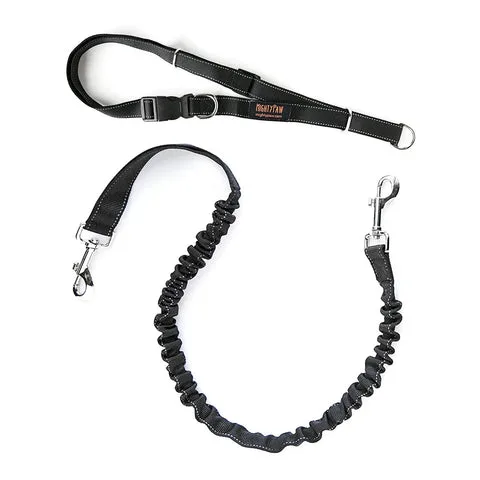
Hands-Free Bungee Leash Set
- For puppies, choose an adjustable harness that can grow with them, saving money in the long run.
- If your dog has sensitive skin, look for harnesses with soft padding or breathable mesh.
Common Fit Issues and How to Fix Them
If the harness is rubbing or chafing, check for tightness or sharp edges. Try adding a layer of clothing or using a harness with fleece lining. If the harness slips off, tighten the straps or consider a different style. For dogs that pull, a front-clip harness can help steer them back to your side.
Remember that a harness should not restrict your dog's ability to sniff, sit, or lie down comfortably. If you notice any signs of discomfort—like excessive scratching or hesitation to walk—re-evaluate the fit and make adjustments.
- Some harnesses have multiple adjustment points; use them all to fine-tune the fit.
- If your dog is between sizes, don't hesitate to try both and return the one that doesn't fit.
Choosing the right size and fit for your dog's harness is a straightforward process that greatly enhances your dog's comfort and safety. By measuring accurately, consulting sizing charts, and making proper adjustments, you'll ensure a happy walking experience for both of you. For a durable and comfortable option, consider the Hands-Free Bungee Leash Set, which pairs well with any well-fitted harness, or explore other harness-friendly gear like the Tangle-Free Adjustable Double Dog Leash for multi-dog walks. Now, grab your measuring tape and give your pup the perfect fit!