Quick Answer
To choose the right sleeves, first measure your cards (or check the game's specs) to find the correct size. Then decide between penny sleeves (budget) and premium sleeves (better shuffle feel and protection). For games with expansions, buy enough sleeves upfront to avoid color mismatches.
Sleeving your cards is one of the best ways to protect your investment, especially for games you play often or that feature hidden roles and deck-building. But with so many sleeve sizes and brands, it's easy to feel overwhelmed. This guide breaks down the decision into clear steps.
You'll learn how to measure cards, understand sleeve thickness, and decide whether to sleeve every game or only your favorites. We'll also share practical tips for matching sleeves across expansions and how to save money without sacrificing quality.
Why Sleeve Your Cards?
Card sleeves protect against wear, spills, and the telltale marks that can ruin hidden-information games. If you've ever played a deck-builder like Moonrakers, you know how much shuffling can wear out cards. Sleeves also make shuffling easier and can improve the feel of cheap cards.
However, sleeving every game can get expensive. A $40 game might require $10-$20 worth of sleeves. Weigh the cost against how often you play and whether the game uses hidden information. If you play a game weekly, sleeves are a smart investment. If it's a once-a-year filler, skip them.
- Sleeve games with hidden roles or deck-building mechanics to prevent marked cards.
- For casual party games, consider only sleeving the most-used cards like role cards.
Understanding Sleeve Sizes
The most common card size in board games is standard poker size (63.5 x 88.9 mm). Many games like Mythic Mischief use this size. But not all cards are the same—some games use mini European size (44 x 68 mm) or tarot-size cards. Always check the game's specifications or measure a card with a ruler.
If you're unsure, look for sleeves that list the exact dimensions. A snug fit is better than a loose one, but too tight can bend cards. When in doubt, buy a small pack first and test one card before committing to a full set.
- Use a ruler to measure card height and width in millimeters.
- Check the game's box or online community for the correct sleeve size.
Material and Thickness: What to Look For
Sleeves come in different thicknesses, usually measured in microns. Penny sleeves are about 40 microns—cheap and thin, but they can feel flimsy and may not shuffle well. Premium sleeves are 60 microns or thicker, offering better protection and a smoother shuffle. They cost more but last longer.
For games you play often, invest in premium sleeves. For games you rarely play or only want to protect from spills, penny sleeves are fine. Also consider the finish: matte sleeves reduce glare and are easier to shuffle, while glossy sleeves can be slippery and show fingerprints.
- If you play a game more than 10 times a year, choose premium sleeves.
- Matte sleeves are great for games with lots of card text because they reduce glare.
Budgeting for Sleeves
The cost of sleeves adds up, especially if you have a large collection. For example, a game like Tend includes 162 cards, and you might need two or more packs of sleeves to cover them. Compare the cost of sleeves to the game's price: if sleeves cost more than 25% of the game's price, consider whether it's worth it.
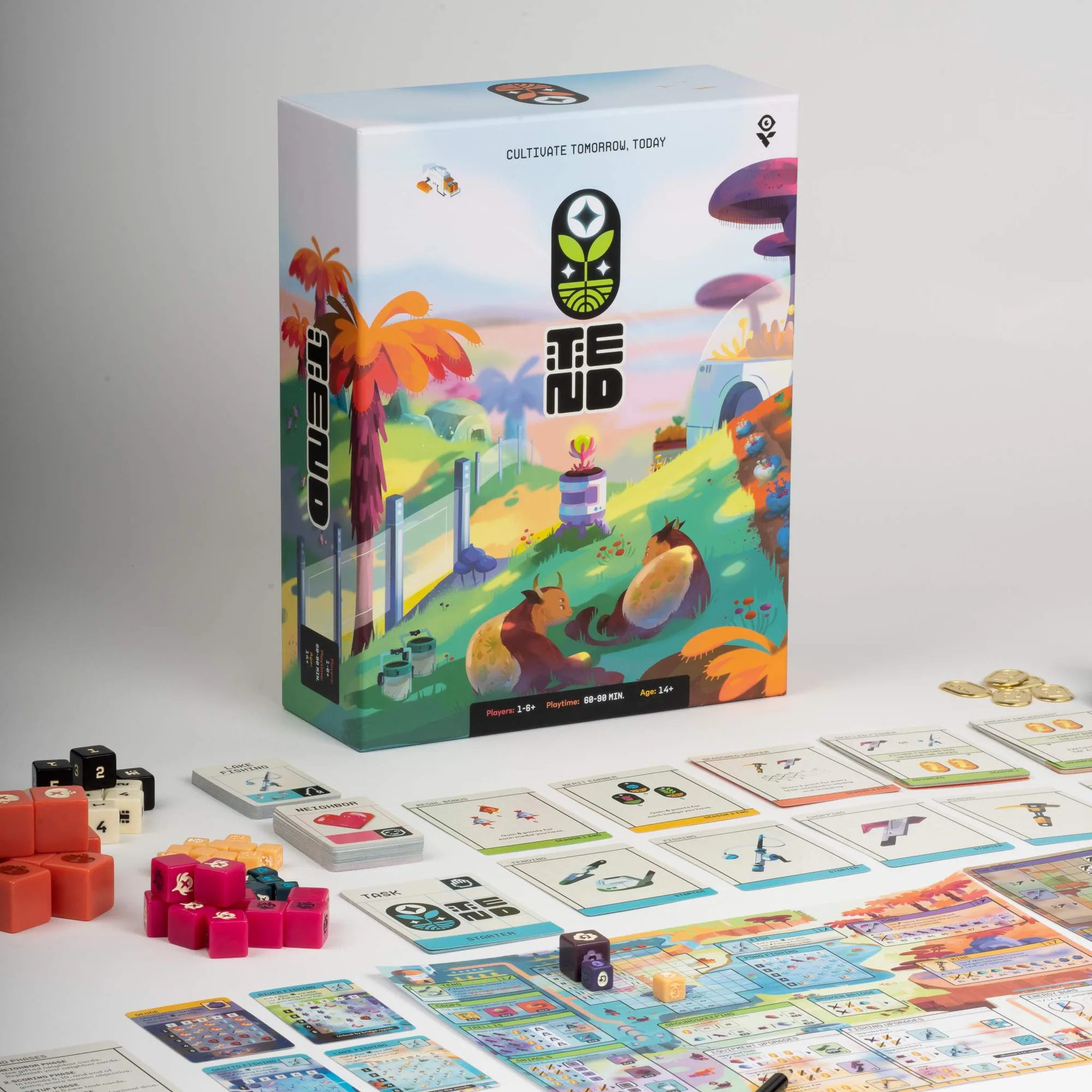
Tend
One way to save is to buy sleeves in bulk or multi-packs. Some games, like Mythic Mischief, have sleeves specifically designed to cover all cards in one volume, and you need two packs for both volumes. Buying the exact number upfront prevents mismatched sleeves later.
- Before buying, count the number of cards you need to sleeve.
- Buy extra sleeves to cover future expansions or damaged sleeves.
Matching Sleeves Across Expansions
If you plan to mix expansions into your base game, sleeve everything at the same time. Sleeve colors and brands can vary slightly between batches, making it obvious which cards are from which expansion. This is especially important for hidden-information games like Mythic Mischief or Moonrakers.
Buy enough sleeves for all cards you own plus a few extra. If you can't afford to sleeve everything at once, consider using a different color for each expansion, but be aware that this can create a visual mismatch. Alternatively, wait until you have all expansions before sleeving.
- Buy sleeves for the full collection at once to ensure consistency.
- Keep a few spare sleeves in case one tears during shuffling.
Your Sleeve Decision Rules
- Rule 1: Measure First: Always measure your cards or check the game's specs before buying sleeves. Use a ruler to get the exact height and width in millimeters. The right size prevents wasted money and frustration.
- Rule 2: Match Thickness to Play Frequency: For games you play weekly, invest in 60+ micron sleeves. For occasional games, penny sleeves are acceptable. Premium sleeves last longer and shuffle better.
- Rule 3: Buy for the Whole Collection: If you plan to add expansions, buy enough sleeves for all cards now. This ensures uniform sleeves and avoids mismatched colors. Consistency matters for hidden-information games.
- Rule 4: Budget Wisely: Compare the cost of sleeves to the game's price. If sleeves cost more than 25% of the game, consider skipping or using penny sleeves. Protect your investment without overspending.
Sleeve Options from IV Studio
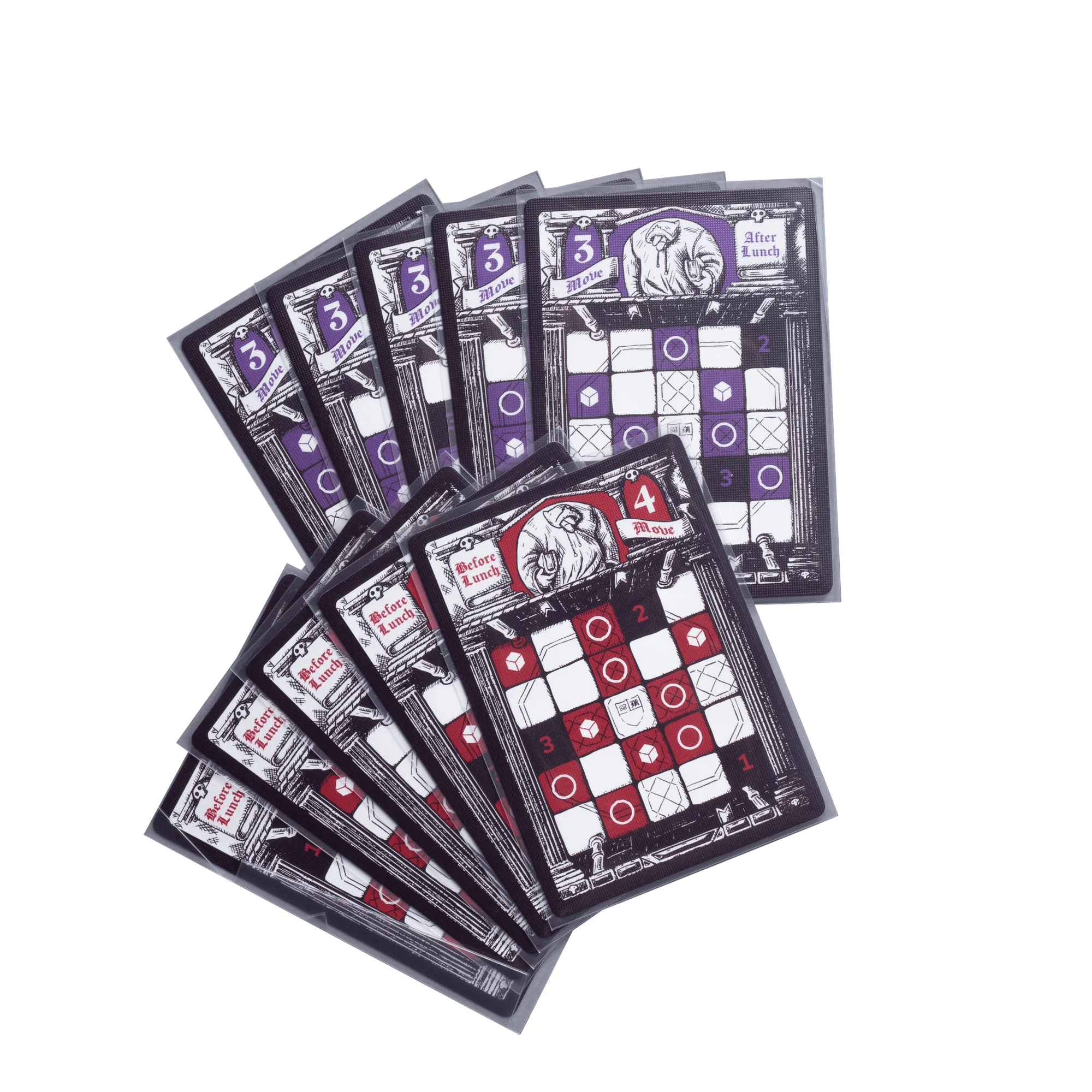
- Mythic Mischief Sleeves: 33 clear sleeves to cover all cards in Mythic Mischief Vol. I or Vol. II (2 packs needed to cover both volumes). Sizes: 33 poker (63.5 x 88.9 mm) If you own both volumes of Mythic Mischief, buying two packs ensures uniform sleeves. The poker size fits standard cards, and the clear finish keeps card backs visible.
- Moonrakers Playing Cards: A meticulously crafted deck of playing cards, inspired by the stunning sci-fi world of Moonrakers. Featuring custom artwork and premium finishes, it’s a collector’s piece that plays as beautifully as it looks. If you use these as a standard deck for other games, sleeving them protects the custom artwork. Since they are standard poker size, you can use the same sleeves as for other poker-size cards.
Which Sleeves Fit Your Needs?
Best for
- Frequent players who want durable sleeves and smooth shuffling.
- Games with hidden information or deck-building mechanics where marked cards ruin the experience.
Not for
- Budget-conscious players who rarely play a game and just want basic spill protection.
- Games with non-standard card sizes where finding sleeves is difficult or expensive.
Choosing the right sleeves comes down to size, thickness, and your budget. Measure your cards, decide how often you play, and buy enough for the whole collection upfront. With these rules, you'll keep your games in great condition without breaking the bank.