Quick Answer
Choose stepping stones with a non-slip base and textured surface for safe toddler balance play, and pick a color set that fits your space and your child's energy level.
Why Non-Slip Surfaces Matter for Toddler Balance
When your toddler steps from one stone to the next, their feet need traction to stay steady. A rubber base grips the floor, while a textured top gives little toes something to hold onto. These features reduce slips during active play, especially on smooth indoor floors.
Stepping stones with a stable base also help toddlers build confidence as they practice balancing. If the stone wobbles or slides, your child may hesitate or lose interest. Look for sets that feel solid underfoot, even when your child lands with a bit of force.
Color Options: More Than Just Looks
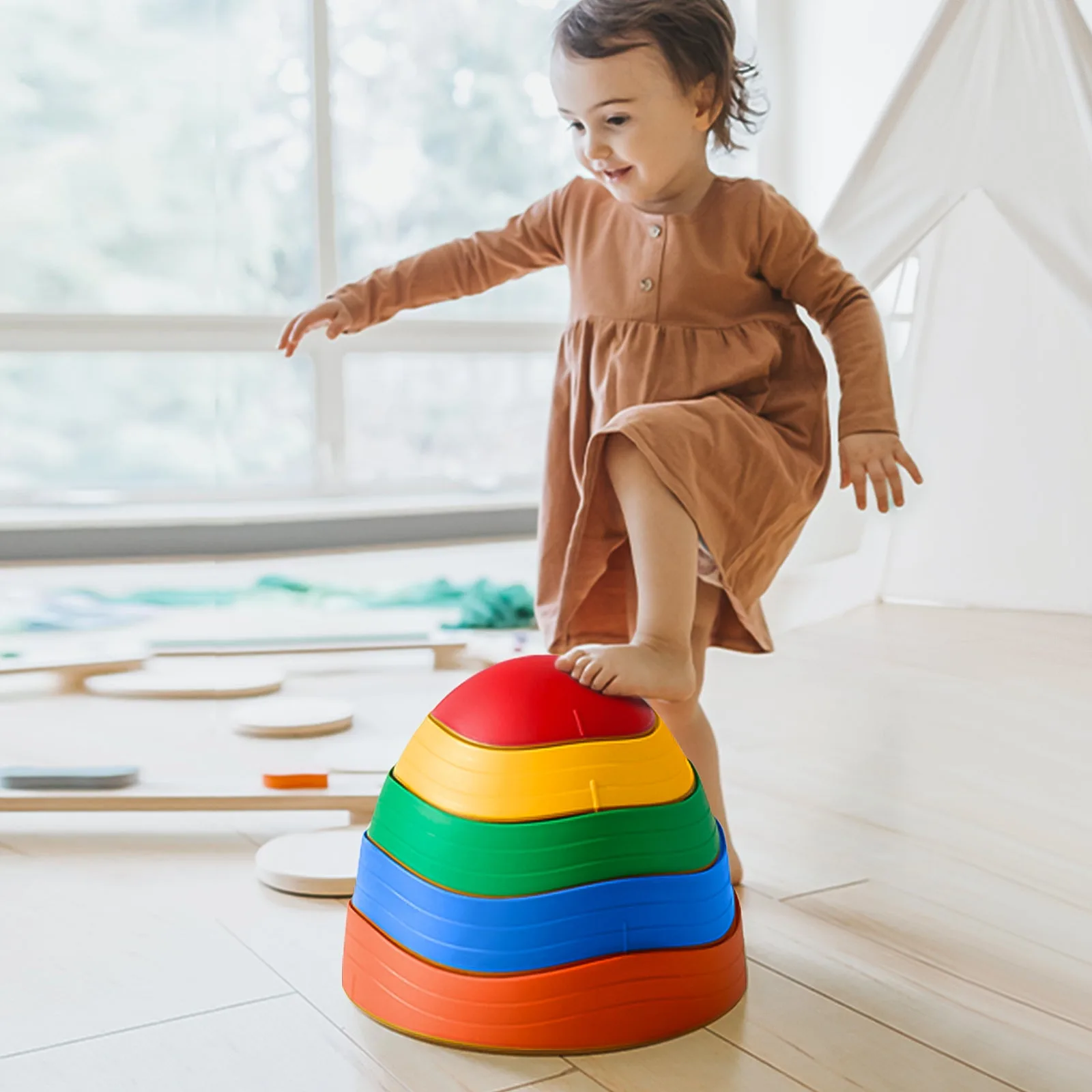
Bright rainbow colors can make an obstacle course feel exciting and help toddlers learn color names as they play. Softer Morandi tones blend into a living room and may suit families who prefer a calmer look. Both options encourage the same active play, so the choice comes down to your space and your child's personality.
If you plan to use the stones for guided activities like color matching or following a sequence, vivid colors can make instructions clearer. For open-ended imaginative play, any color scheme works equally well.
Size and Space Considerations
Consider how much room you have at home. A set of six stones can create a long path, so measure your play area before buying. If space is tight, you can arrange stones in a circle or figure-eight to keep the game compact.
Also think about your toddler's age and leg length. Stones that are too far apart may frustrate beginners, while very close spacing makes the activity less challenging. Look for sets that let you adjust the distance between stones to match your child's growing ability.
Decision Rules for Buying Stepping Stones
- Safety first: Always choose stepping stones with a non-slip rubber base and a textured top surface. This prevents slips on smooth floors and gives toddlers a secure footing. Check that the base is rubber, not hard plastic, before buying.
- Match color to your space: If you want stones that blend into your home, pick a Morandi or neutral palette. If you want to energize play and teach colors, go for rainbow shades. Think about where you'll store or set up the stones—bright colors can be a visual distraction in a calm room.
- Consider the number of stones: A set of six stones gives you enough for a basic obstacle course. If you have a larger play area or multiple kids, look for sets with more pieces or consider buying two sets. Plan the layout before you buy: measure your floor space and sketch a path.
- Adjust distance for skill level: Start with stones close together for younger toddlers and gradually increase the gap as their balance improves. This keeps the activity challenging but doable. Set up the stones in a line and adjust spacing as your child gains confidence.
Stepping Stones to Consider
-
Tiny Land® Stepping Stones - Vintage Color: The Tiny Land® Stepping Stones - Vintage Color set is available in Rainbow and Morandi colors and features a non-slip rubber base and textured surface. This set gives you a color choice that fits your decor while providing the grip toddlers need for safe balance practice.
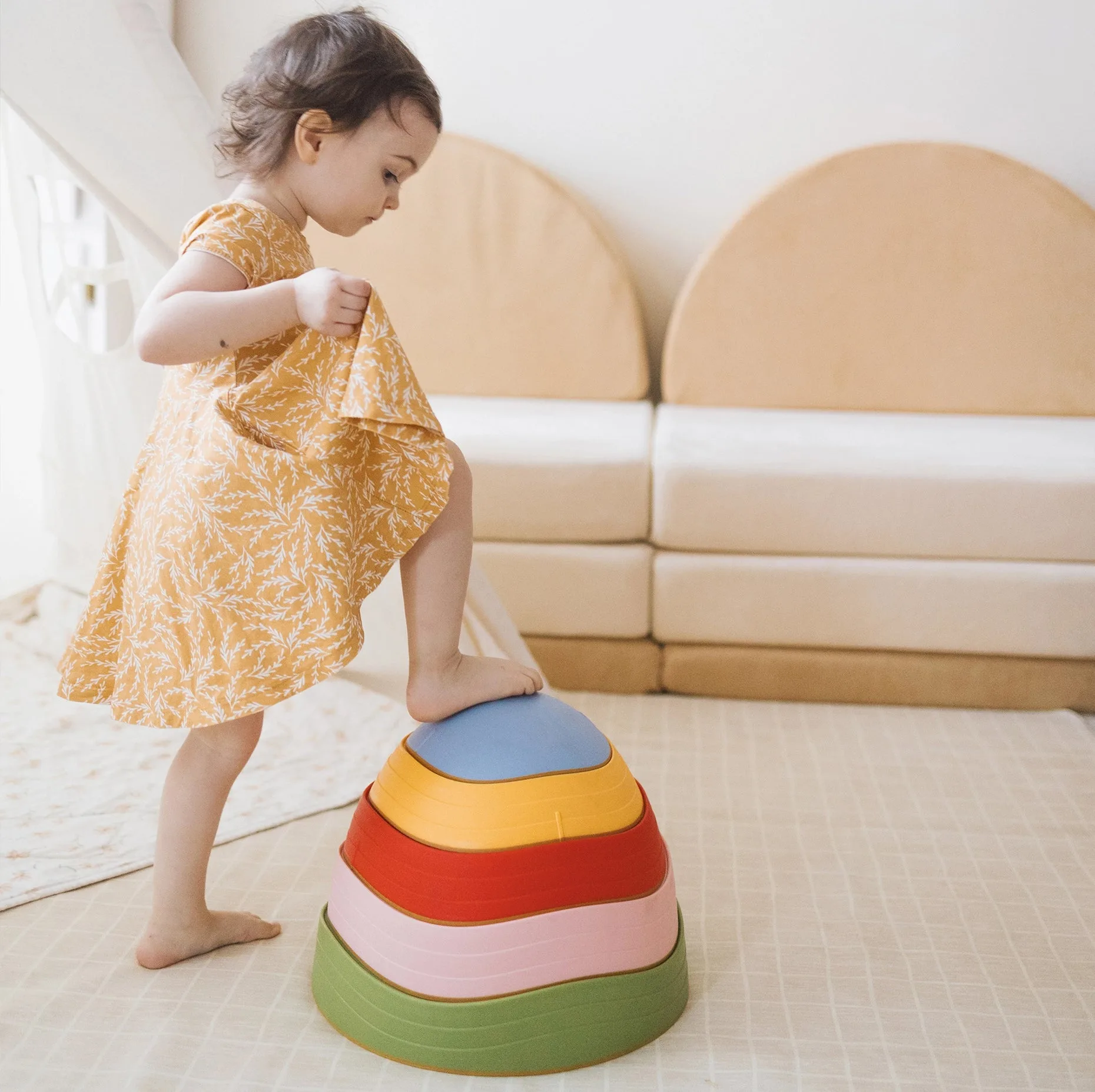
Tiny Land® Stepping Stones - Vintage Color
-
Tiny Land® Stepping Stones - Beach Vacation: The Tiny Land® Stepping Stones - Beach Vacation set includes a non-slip rubber base and textured surface for stable play. The beach-inspired colors can spark imaginative play, and the stable base helps toddlers focus on balancing rather than worrying about slipping.
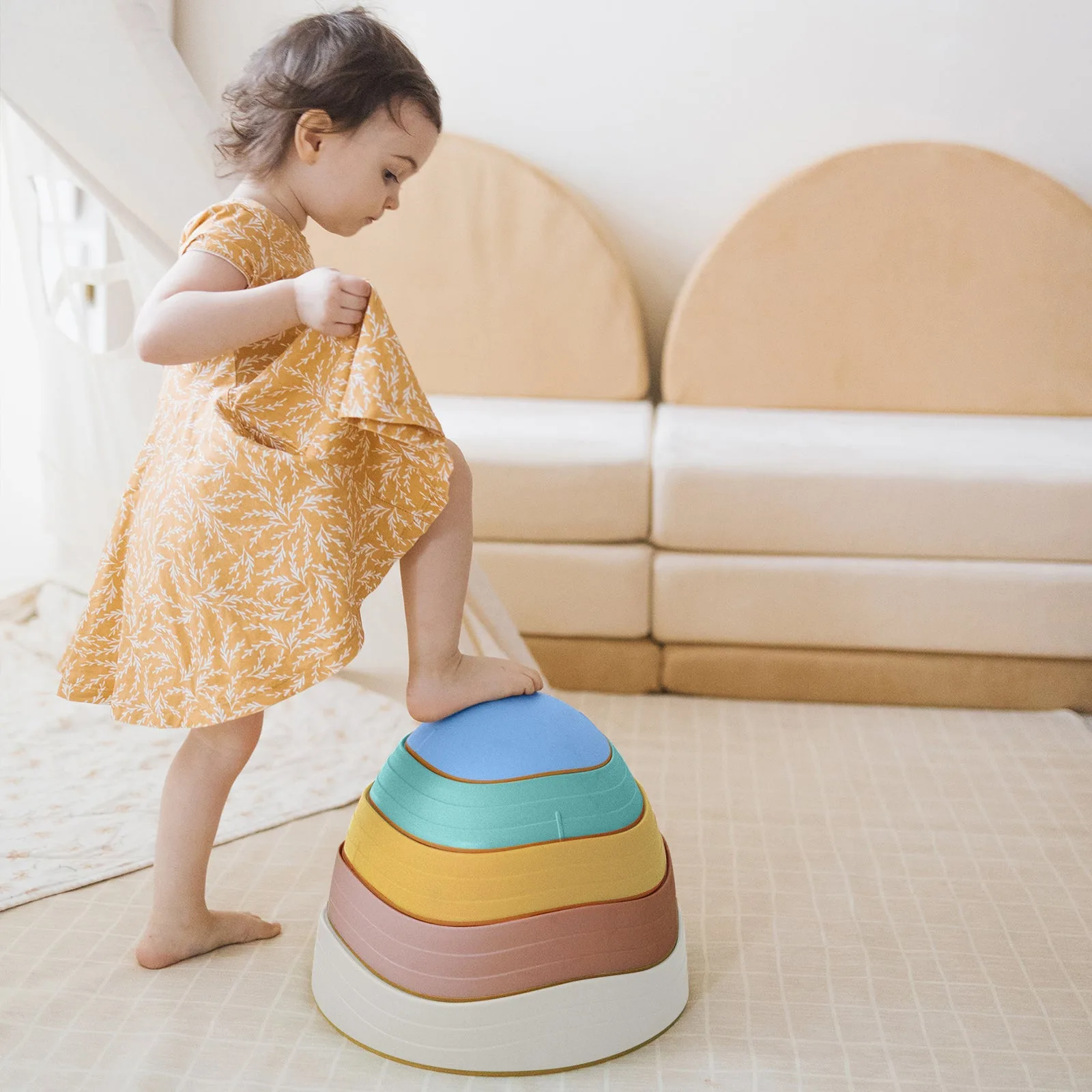
Tiny Land® Stepping Stones - Beach Vacation
-
Tiny Land® Stepping Stones - Rainbow Color: The Tiny Land® Stepping Stones - Rainbow Color set offers bright, multi-hued stones with a non-slip rubber base and textured surface. Bright colors make it easy to create color-based games that support both balance and early learning skills.
Who Should Buy These Stepping Stones?
Best for
- Parents of toddlers who need a safe, active indoor play option that supports balance development
- Families who want a versatile toy that works for both guided color games and open-ended obstacle courses
Not for
- Parents looking for outdoor-only equipment—these stones are best used indoors on smooth floors
- Families with very young infants who cannot stand or walk yet—the stones are designed for toddlers who are already mobile