Quick Answer
For most surfboards, choose a leash that is roughly the same length as your board. If you ride a 6-foot shortboard, a 6-foot leash works well; for a 9-foot longboard, opt for a 9-foot or 10-foot leash. In powerful waves, a slightly longer leash adds drag and can help slow the board, but for everyday conditions, match the length to your board.
Choosing the right surf leash length is more than a matter of preference—it affects your safety and the performance of your board. A leash that's too short can snap under tension, while one that's too long can create drag and increase the risk of the board hitting you. This guide walks you through the key considerations so you can pick a leash that fits your board and the waves you ride.
Surf leashes come in various lengths, typically from 5 to 10 feet, and the right choice depends on your board length, wave size, and surfing style. Whether you're a beginner or a seasoned surfer, understanding these factors will help you make an informed decision. Below, we break down the steps to find your ideal leash length.
Match Leash Length to Board Length
The most straightforward rule is to choose a leash that is about the same length as your surfboard. For shortboards (5'6" to 6'6"), a 6-foot leash is common. For funboards and fish shapes (6'6" to 7'6"), a 7-foot leash provides a good balance. Longboards (8' and above) typically use 8-foot to 10-foot leashes, giving you ample room to move around on the board.
Why does this matter? A leash that is too short can cause the board to snap back toward you after a wipeout, increasing the risk of injury. A leash that is too long may drag in the water, creating resistance and slowing you down. Matching the length to your board ensures optimal performance and safety.
- Check your board length before purchasing—it's usually printed on the stringer or the board's underside.
Consider Wave Size and Power
In bigger, more powerful waves, a longer leash can be an advantage. The extra length adds drag, which slows the board's rebound and reduces the chance of it hitting you. For overhead waves, many surfers prefer a leash that is a foot or two longer than their board. Conversely, in small, mushy waves, a shorter leash is sufficient and reduces drag.
However, longer leashes can also create more tangles and get in the way during maneuvers. If you're riding steep, hollow waves, a leash that's too long might wrap around your legs or the board. Balance the need for drag with the risk of tangles based on your local break and skill level.
- If you're surfing a reef break or a wave with a lot of foam, a slightly longer leash can help keep the board away from the rocks.
Think About Your Surfing Style
Your surfing style influences leash length as well. If you're into noseriding on a longboard, a longer leash (10 feet) gives you the freedom to walk to the nose without feeling restricted. For high-performance shortboarding with lots of turns and airs, a leash that matches your board length is easier to manage and less likely to catch.
Beginners often benefit from a leash that is a bit longer than the board, as it provides extra security and makes it easier to retrieve the board. Advanced surfers might prefer a shorter leash for less drag and more control. There's no one-size-fits-all, so consider how you ride and what feels comfortable.
- If you're trying new maneuvers, a shorter leash reduces the chance of it getting in the way.
Steps to Choose Your Surf Leash Length
- Measure your board: Use a tape measure to find the exact length of your surfboard from nose to tail. This is your baseline for leash length. Knowing your board length is the first step—don't guess.
- Assess your typical wave conditions: Consider the size and power of the waves you usually surf. For overhead waves, add 1-2 feet to your board length for extra drag and safety. If you surf big waves regularly, a longer leash is a smart choice.
- Consider your skill and style: Beginners should lean toward a leash that's equal to or slightly longer than the board for easier retrieval. Advanced surfers may prefer a shorter leash for less drag. Your comfort and control are key—don't overthink it.
- Test and adjust: Once you have a leash, try it in the water. If it feels like it's dragging too much or tangling, try a shorter length. If you feel unsafe, go longer. Your personal experience is the final judge.
Product Considerations
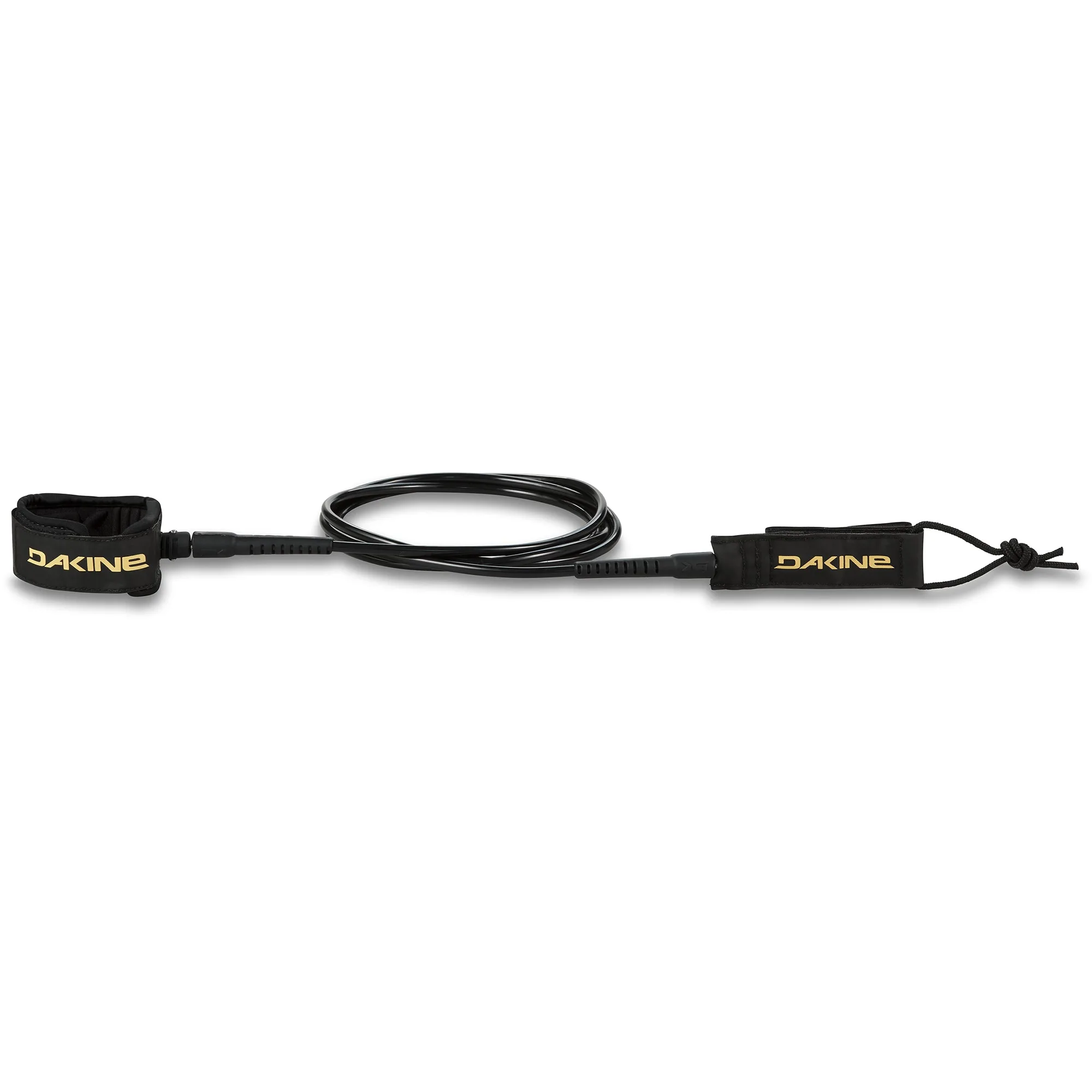
- Longboard Ankle 10Ft X 1/4In: A DURABLE SURF LEASH FOR LONGBOARDS UP TO 10 FEET IN LENGTH. Get your toes on the nose, even in overhead waves, with our 10-foot Longboard Ankle leash. Best used for longboards of up to 10 feet in length, this leash gives ample room to cross-step your board and boasts an ultra-durable, 1⁄4-inch (6.5-millimeter) urethane Dura-Cord that keeps you connected to your board in sizable surf. If you ride a longboard up to 10 feet, this leash provides the length and durability needed for noseriding and bigger waves, ensuring you stay connected without worrying about breakage.
Choosing the right surf leash length is about matching your board, wave conditions, and personal style. Start with the board length rule, adapt to the waves you ride, and refine based on your comfort. A well-chosen leash keeps you safe and your board within reach, so you can focus on enjoying the surf.