Model building is a hobby of precision. Whether you're assembling a Gunpla kit, applying delicate decals, or painting intricate details, the right tools can make all the difference. Among the most essential tools in any modeler's arsenal are tweezers. But with so many options available, how do you choose the right pair? This buying guide will walk you through the key factors to consider, ensuring you invest in tweezers that enhance your craftsmanship and make your hobby more enjoyable.
From the type of tip to the material of the construction, each aspect of tweezers affects their performance. In this guide, we'll explore the different types of tweezers, their uses, and what to look for when purchasing. Whether you're a beginner or a seasoned modeler, understanding these nuances will help you make an informed decision.
Why Tweezers Matter in Model Building
Tweezers are more than just a simple tool; they are an extension of your hand. In model building, you often work with tiny parts that are difficult to handle with fingers alone. Tweezers allow you to grip, place, and manipulate small components with precision, reducing the risk of damage or loss. They are indispensable for tasks such as holding parts while gluing, applying decals, and placing tiny photo-etched details.
Using the right tweezers can also improve your efficiency and accuracy. A good pair will have a comfortable grip, a precise tip, and a spring mechanism that reduces hand fatigue. On the other hand, poor-quality tweezers can slip, bend, or misalign parts, leading to frustration and mistakes. Therefore, choosing the right tweezers is a critical investment in your hobby.
- Precision handling of small parts
- Reduces risk of damage or loss
- Improves efficiency and accuracy
- Comfortable grip reduces hand fatigue
Types of Tweezers and Their Uses
Tweezers come in various shapes and sizes, each designed for specific tasks. Understanding the different types will help you select the right pair for your needs. The most common types include straight tip, angled tip, curved tip, and fine point tweezers. Straight tip tweezers are versatile and suitable for general use, while angled tip tweezers are ideal for reaching into tight spaces. Curved tip tweezers are perfect for holding round objects, and fine point tweezers are essential for ultra-precise work like applying decals or handling tiny parts.
Another classification is based on the tip material. Anti-magnetic tweezers are coated to prevent magnetization, which can attract tiny metal shavings. Ceramic tweezers are non-conductive and resistant to acids, making them suitable for chemical applications. Titanium tweezers are lightweight and corrosion-resistant, while stainless steel tweezers are durable and affordable. Each material has its advantages, and your choice will depend on your specific requirements and budget.
- Straight tip: general use and versatility
- Angled tip: reaching tight spaces
- Curved tip: holding round objects
- Fine point: ultra-precise work
- Anti-magnetic: prevents attraction of metal shavings
- Ceramic: non-conductive and acid-resistant
- Titanium: lightweight and corrosion-resistant
- Stainless steel: durable and affordable
Key Features to Look For
When selecting tweezers for model building, there are several key features to consider. First, the tip shape and size should match the tasks you perform most often. Fine, sharp tips are excellent for precision work, but they can be fragile and may bend under pressure. A slightly blunter tip might be more durable for general use. Second, the grip and handle design should be comfortable for extended use. Some tweezers have textured handles or come with a non-slip coating to improve control.
Another important feature is the tension or spring mechanism. Tweezers with a spring open automatically, reducing hand fatigue and allowing for quicker work. The material of the tweezers also matters; high-quality stainless steel or titanium offers better durability and resistance to corrosion. Additionally, consider whether you need anti-static or anti-magnetic properties, especially if you work with electronic components. Finally, check the manufacturing quality—look for tweezers with precise alignment and smooth edges to ensure a reliable grip.
- Tip shape and size: fine for precision, blunter for durability
- Grip and handle design: comfortable and non-slip
- Spring mechanism: reduces hand fatigue
- Material: stainless steel, titanium, ceramic
- Anti-static or anti-magnetic properties
- Manufacturing quality: precise alignment and smooth edges
How to Test Tweezers Before Buying
If possible, test tweezers in person before making a purchase. Hold them to see if they feel comfortable in your hand. Check the tension by squeezing and releasing the handles—they should open and close smoothly without sticking. Examine the tips closely to ensure they align perfectly and are free from burrs or imperfections. Try picking up a small object, like a grain of rice, to test the grip and precision.
When buying online, read reviews and look for detailed product descriptions. Pay attention to the material, tip type, and any special features mentioned. Some manufacturers provide specifications like tip size and length, which can help you make an informed decision. If you're unsure, consider purchasing a set of different tweezers to experiment with various types and find what works best for you.
- Test comfort and grip
- Check tension and smooth operation
- Inspect tip alignment and quality
- Read reviews and product specs online
- Consider a set for versatility
Top Tweezers for Model Building
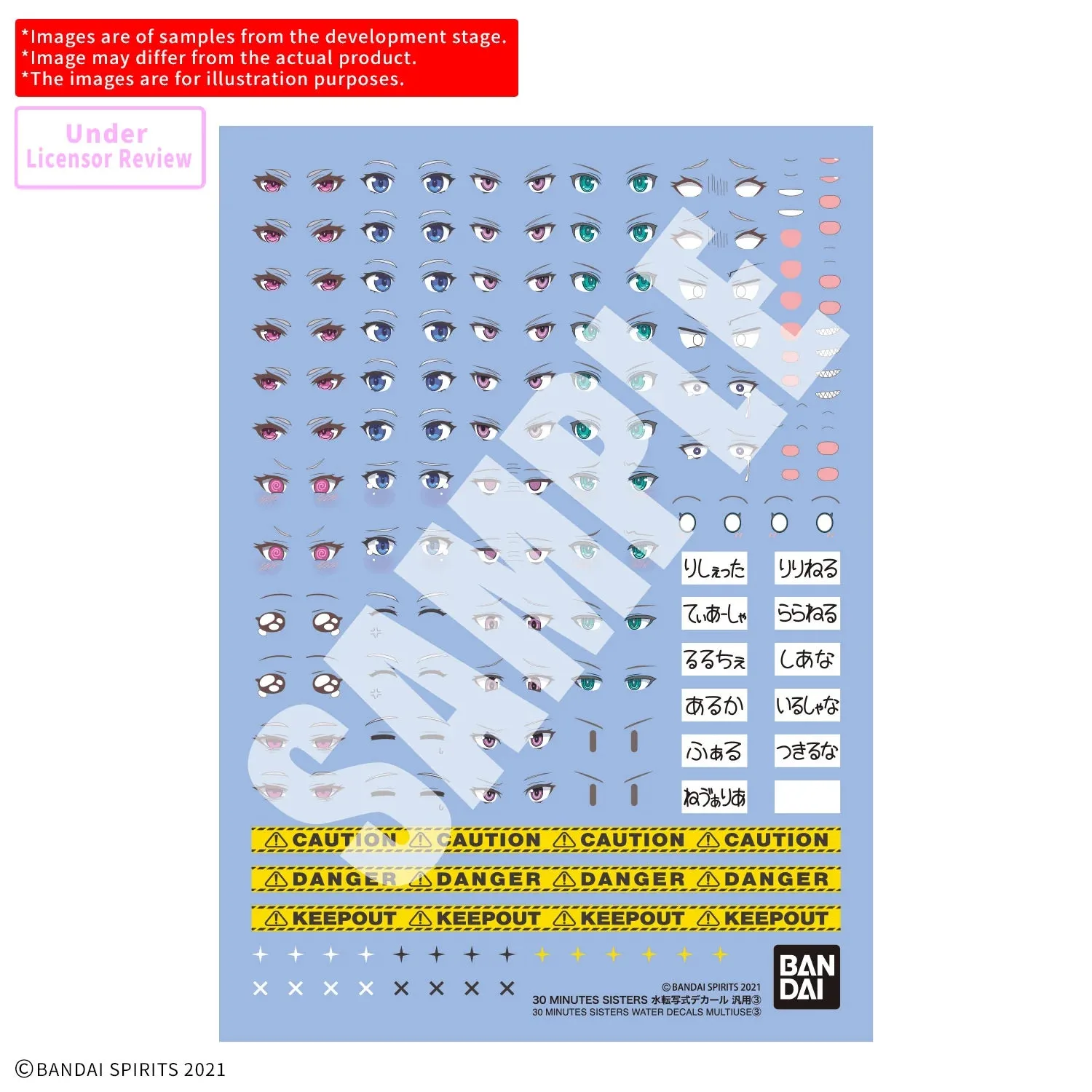
While there are many tweezers on the market, some stand out for their quality and performance. For example, the HP3 Hyper Trytool High Quality Tweezers are a popular choice among modelers. They feature precision-ground tips and a comfortable grip, making them ideal for detailed work. Although not specifically a tweezers product, the 30 MINUTES MISSIONS WATER DECALS MULTIUSE 4 is a great companion for decal application, and using high-quality tweezers with it ensures flawless results.
Another excellent option is the 30MM 1/144 OPTION ARMOR FOR SPECIAL SQUD [PORTANOVA EXCLUSIVE/LIGHT GRAY] which, while not tweezers, demonstrates the level of detail that requires precision tools. For those who enjoy customizing, the 30MF CLASS UP ARMOR (LIBER COMMANDER) is a fantastic kit that benefits from careful handling. Investing in good tweezers will make working on such kits a pleasure.
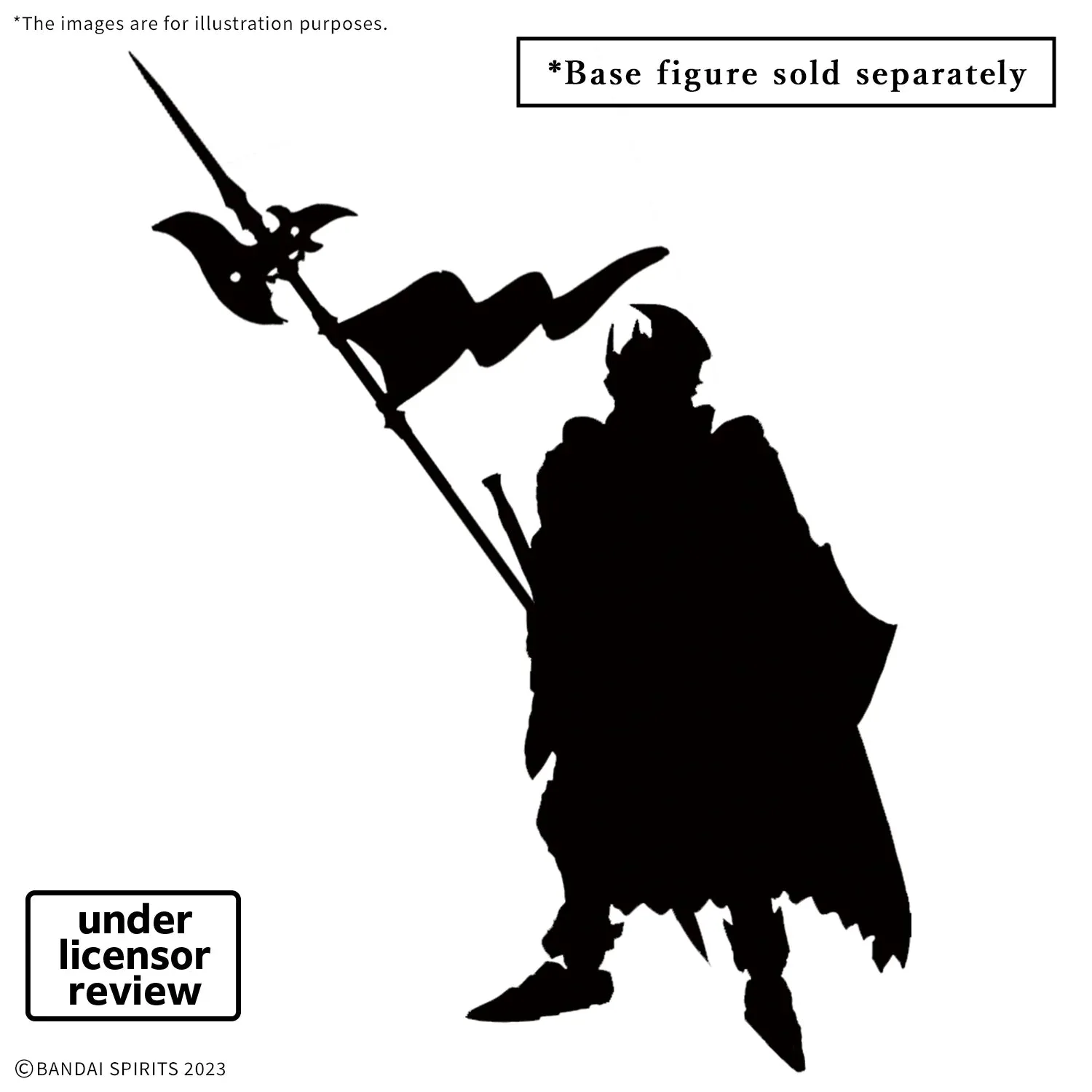
30MF CLASS UP ARMOR (LIBER COMMANDER)
- HP3 Hyper Trytool High Quality Tweezers: precision and comfort
- Use with 30 MINUTES MISSIONS WATER DECALS MULTIUSE 4 for decal application
- Precision tools enhance kits like 30MF CLASS UP ARMOR (LIBER COMMANDER)
Choosing the right tweezers is a personal decision that depends on your specific needs and preferences. By considering the types, features, and testing options outlined in this guide, you'll be well-equipped to select a pair that enhances your model building experience. Remember, a high-quality pair of tweezers is an investment that will serve you for years. Explore our selection of precision tools and find the perfect companion for your next project.