Quick answer
For most healthy adult Shih Tzus, the right Royal Canin formula is the breed-specific adult Shih Tzu dry food, matched to your dog's age and body condition. If your Shih Tzu is a puppy, pregnant, nursing, or managing a diagnosed condition, use the life-stage or veterinary diet your vet recommends instead. Buy the smallest bag first, transition over 7-10 days, and only size up once stools and appetite are steady.
Shih Tzus are small, flat-faced dogs with a long coat, a sturdy little body, and a reputation for being picky. That combination makes food choice feel more complicated than it should. Royal Canin breed-specific formulas exist to narrow the guesswork, but they are not automatically the right answer for every Shih Tzu in every situation.
This guide walks through the decision in the order that matters: life stage first, then body condition, then kibble size and coat support, and finally the practical question of bag size and budget. You will also see where other foods, including a couple of formulas we stock, can be a better fit.
Start with life stage, not the breed name
The single biggest mistake is buying an adult Shih Tzu formula for a dog that is still growing. Breed-specific adult food is built around the needs of a mature Shih Tzu, and puppies have different requirements for growth and development. If your dog is under about ten months, or if you are unsure of the exact age, confirm the life stage with your vet before you commit to a large bag.
The same logic applies at the other end. Senior Shih Tzus, dogs recovering from illness, and dogs with a diagnosed condition may need a different formula or a veterinary diet. Royal Canin breed-specific food is a solid default for healthy adults, not a universal prescription. When in doubt, the life stage on the label is the first filter, and the breed name is the second.
- Puppy, pregnant, or nursing: choose a life-stage diet, not adult breed food.
- Healthy adult Shih Tzu: breed-specific adult formula is the default starting point.
- Senior or diagnosed condition: ask your vet before switching.
Match kibble size and shape to a flat-faced dog
Shih Tzus have a short muzzle and a compressed airway, so how a kibble is shaped matters as much as what is in it. Breed-specific formulas for small, brachycephalic dogs typically use a kibble designed to be easier to pick up and chew. If your dog bolts food, coughs while eating, or leaves half the bowl, kibble geometry is a real variable, not a marketing detail.
Watch your dog eat for two or three meals after any switch. A food that is nutritionally fine but awkward to chew will show up as dropped kibble, slow eating, or reduced intake. In that case, a smaller or differently shaped kibble from the same life stage is a smarter fix than jumping to a completely different brand.
- Watch for dropped kibble, coughing, or half-finished bowls after a switch.
- If chewing looks difficult, try a smaller kibble before changing brands entirely.
Use body condition to set the amount, not the bag chart alone
Bag feeding charts are a starting point based on weight, and Shih Tzus vary a lot in frame and activity. Weigh your dog, then check body condition by running your hands along the ribs. You should feel ribs easily under a thin layer of fat, see a waist from above, and feel a slight tuck from the side. If ribs are hard to find, you are likely overfeeding regardless of what the chart says.
Shih Tzus are prone to carrying extra weight, which puts pressure on joints and breathing. Measure portions with an actual measuring cup rather than scooping freehand, and recheck body condition every few weeks. Treats count toward daily calories, so keep them small and subtract them from the main meal rather than adding on top.
- Weigh your dog and measure portions with a real measuring cup.
- Recheck ribs and waist every few weeks, especially after a food change.
Decide on bag size and transition plan before you buy
Buying the largest bag saves money per pound but only if your dog actually eats it. A small dog can take weeks to finish a big bag, and opened dry food loses freshness over time. If this is your first time trying a breed-specific formula, start smaller, confirm your dog does well, then size up on the next order.
Transition slowly over seven to ten days, mixing increasing amounts of the new food into the old. A sudden switch is a common cause of loose stools and food refusal, which then gets blamed on the food itself. If stools stay soft past two weeks or your dog refuses the food outright, stop and talk to your vet rather than pushing through.
- First-time buyers: start with a smaller bag, then size up once it works.
- Transition over 7-10 days; soft stools past two weeks warrant a vet call.
When a non-breed-specific food makes more sense
Breed-specific food is convenient, but it is not the only good option. Multi-dog households often do better on one quality all-life-stages or adult formula that everyone can eat, which simplifies feeding and reduces the chance of one dog raiding another's bowl. Budget also matters, and a well-chosen non-breed-specific diet can free up money for grooming, dental care, or vet visits.
If your Shih Tzu has a sensitive stomach, skin issues, or a diagnosed condition, a targeted formula or veterinary diet will usually beat a breed-specific one. The breed label is a shortcut for healthy adults, not a substitute for matching the food to the dog in front of you.
- Multi-dog homes: one shared quality formula is often simpler than separate bags.
- Sensitive stomach, skin, or diagnosed condition: choose a targeted diet instead.
Decision rules for picking a Shih Tzu formula
- If your Shih Tzu is a healthy adult: Start with the breed-specific adult Shih Tzu dry formula, buy the smallest bag first, and transition over 7-10 days. Default choice for most healthy adult Shih Tzus.
- If your Shih Tzu is a puppy, pregnant, nursing, or senior: Choose the matching life-stage diet instead of adult breed food, and confirm the plan with your vet. Life stage beats breed name.
- If your Shih Tzu has a diagnosed condition or recurring skin or stomach issues: Ask your vet about a targeted or veterinary diet rather than adjusting a breed formula on your own. Medical needs override breed-specific marketing.
- If you have multiple dogs of different sizes: Consider one quality all-life-stages or adult formula everyone can eat, and feed separately to prevent bowl raiding. Simplicity can beat breed specificity in multi-dog homes.
- If your dog drops kibble, coughs, or eats slowly: Try a smaller or differently shaped kibble within the same life stage before switching brands. Kibble shape matters for flat-faced dogs.
Product facts worth knowing
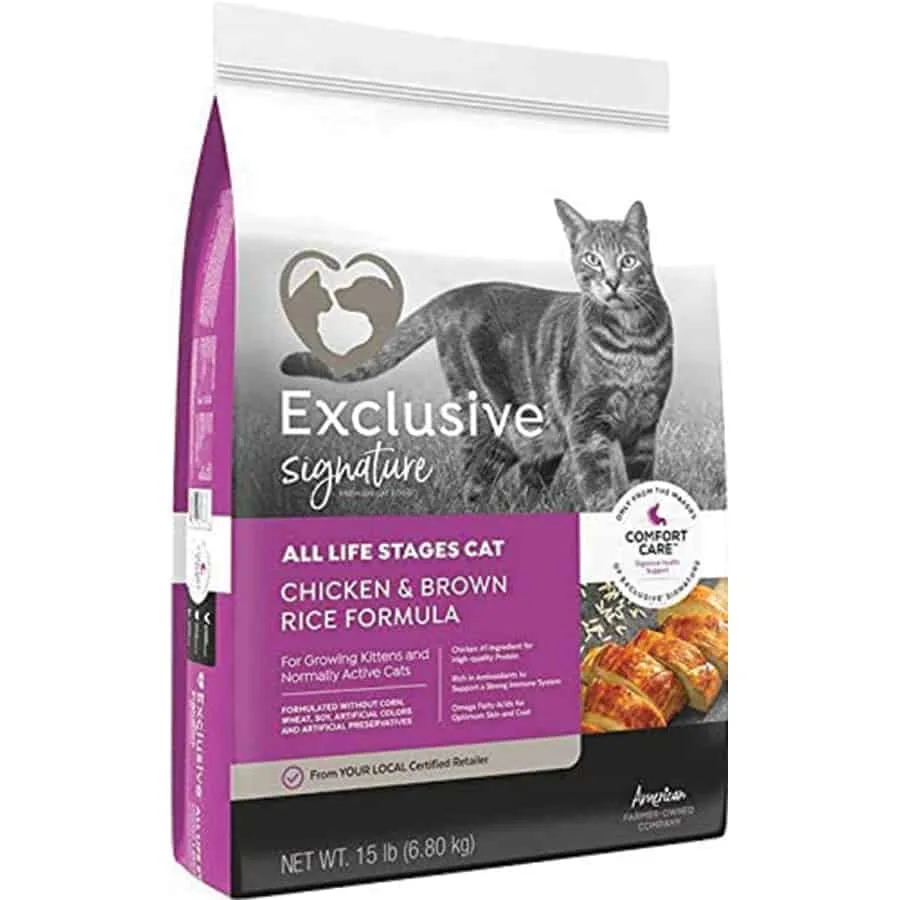
- Exclusive® Signature All Life Stages Cat Food: Formulated with a unique combination of scientifically-studied ingredients including beet pulp (fiber), chicory root (prebiotic), and a proprietary yeast (prebiotic) to help support digestive health today while preparing your cat for what comes tomorrow. Savory, real chicken is the #1 ingredient, and DHA, a component found in mother's milk, supports brain development. This is a cat food, so it is not a Shih Tzu diet, but it shows the kind of digestive-support and named-protein detail to look for when comparing any formula. Use the same checklist on dog food labels.
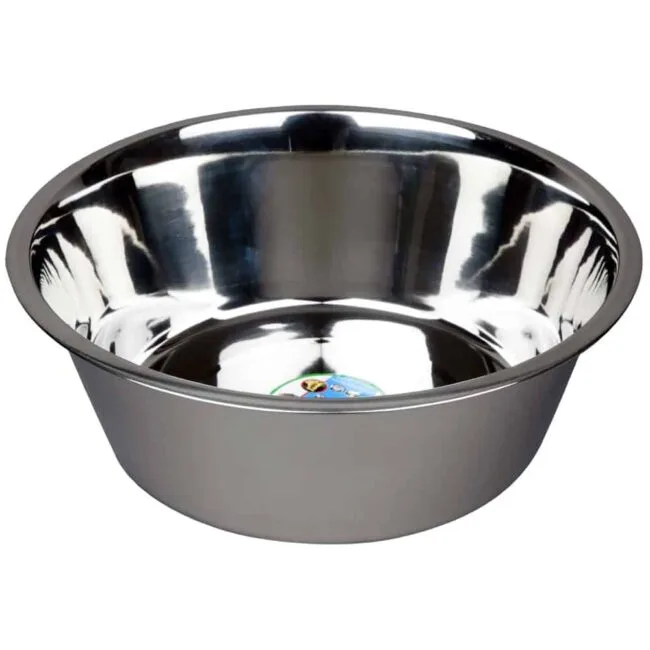
- Stainless Steel Dog Food Bowl 2 Quart: The Loving Pets Stainless Steel Dog Food Bowl 2 Quart combines durability, functionality, and easy cleaning in a classic feeding bowl design. Made from high-quality stainless steel with a polished mirror finish, this bowl is ideal for food or water and holds up to 2 quarts for medium and large breed dogs. A 2-quart bowl is far larger than a Shih Tzu needs for a single meal, so it is better suited to shared water or a multi-dog household. For portion control on a small dog, a smaller bowl makes measuring easier.
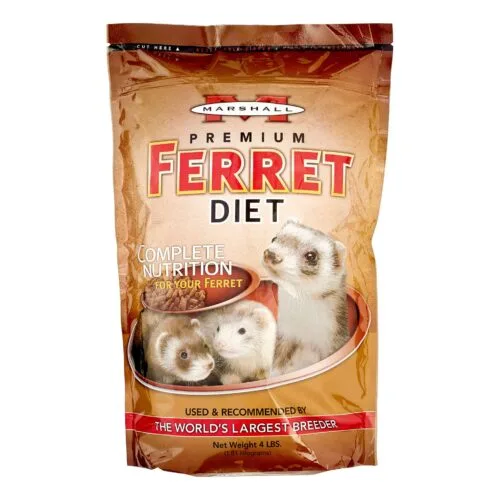
- Marshall Premium Ferret Diet 4 lb: High-protein nutrition for ferrets of all ages. Marshall Premium Ferret Diet delivers balanced amino acids and preserved nutrients for optimal health and energy. A reminder that species-specific nutrition is real and not interchangeable. Ferret food is formulated for ferrets, just as Shih Tzu food is formulated for Shih Tzus; never cross-feed between species.
Who this choice fits
Best for
- Owners of healthy adult Shih Tzus who want a straightforward breed-specific starting point
- Small-dog households that prefer a formula designed around kibble size and coat support
- First-time Shih Tzu owners who want clear transition and portion rules
Not for
- Shih Tzu puppies, pregnant or nursing dogs, or seniors needing a different life stage
- Dogs with a diagnosed condition or persistent skin or digestive issues
- Multi-dog homes that need one shared formula for dogs of very different sizes
Pick the formula that matches your Shih Tzu's life stage and body condition first, then use the breed label as a refinement. Buy small, transition slowly, and measure portions. If your dog has a diagnosed condition or does not do well after two weeks, stop guessing and get veterinary input before you buy the next bag.