Quick answer
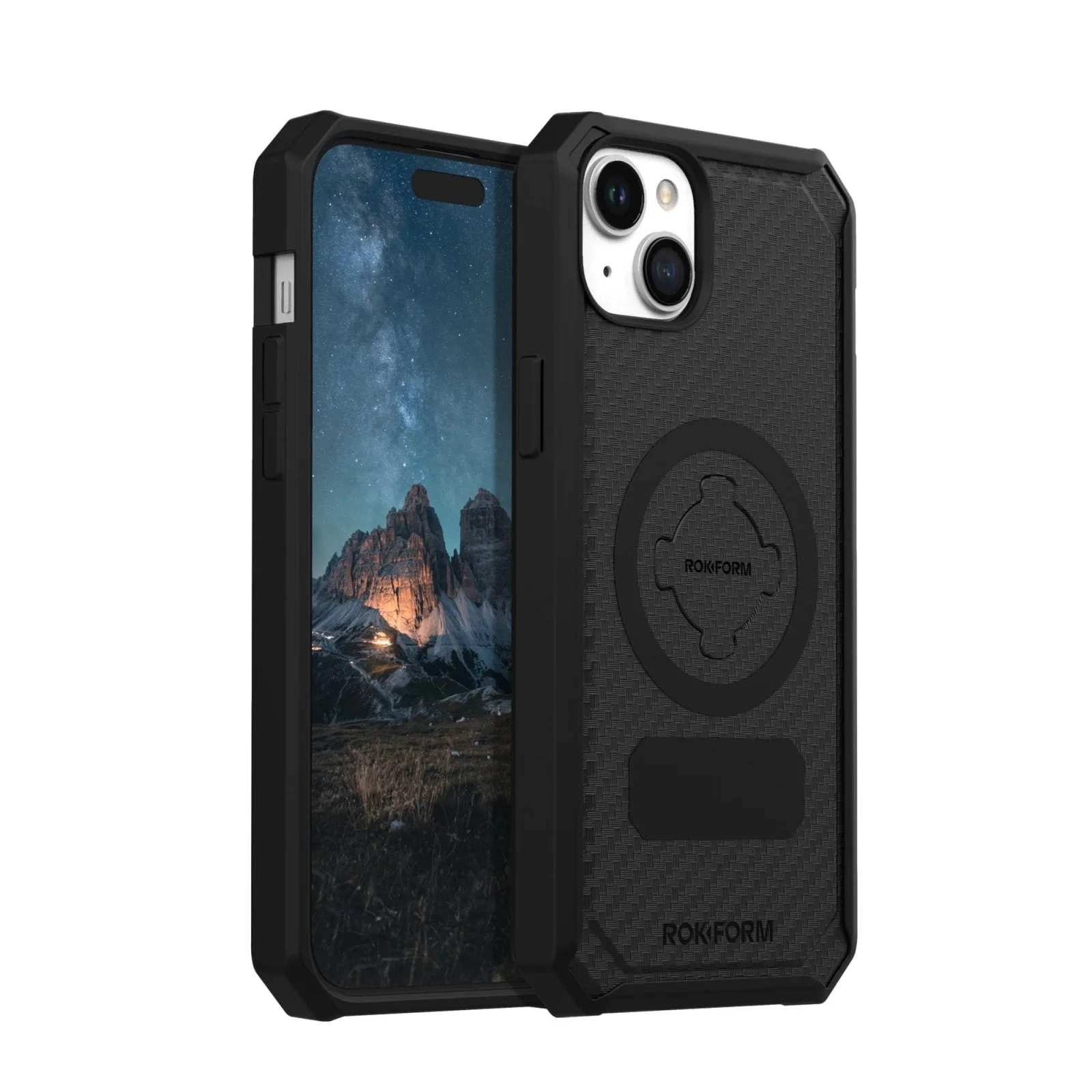
Choose a Galaxy S25 Ultra https://rokformeyh.com/products/iphone-15-plus-rugged-case-magsafe-compatible-12df194a4e6bc2ddf40c44d6-1346413https://rokformeyh.com/products/rugged-case-iphone-14-fd02613aeff0b5e8a8d3803d-1346428rugged case that is thick enough to absorb drops but thin enough over the charging coil to let wireless power pass through. Look for a flat back, no metal plate in the coil zone, and magnets that align with the phone's charging array. If a case lists no thickness or magnet details, treat wireless charging as unverified and test it immediately.
A rugged case protects your Galaxy S25 Ultra from drops, but it can also block the wireless charging you rely on every day. The conflict is physical: drop protection needs material and air gaps, while wireless charging needs a short, unobstructed distance between the phone's coil and the charger's coil.
This guide gives you decision rules for thickness, magnet placement, and fit so you can pick a Galaxy S25 Ultra rugged case that works on your charging pad without guesswork. It also flags when a case is the wrong tool for your setup.
Why wireless charging fails with some rugged cases
Wireless charging works by magnetic induction: the charger's coil creates a field that the phone's coil converts back into power. Every millimeter of case material between those coils weakens the field. A thick TPU or polycarbonate back can push the phone too far from the charger, causing slow charging, intermittent starts, or no charging at all.
Metal is a bigger problem than plastic. A metal plate, kickstand, or magnet placed directly over the charging coil can block the field entirely. Some cases use magnets for mounting, which is fine only when the magnets are arranged around the coil rather than across it. If a case description does not say where the magnets sit, you cannot assume wireless charging will work.
- Test any new case on your charger for 10 minutes before trusting it overnight.
- If your phone gets warm but does not charge, the case is likely too thick or misaligned.
- Remove metal accessories from the back before diagnosing a charging failure.
Thickness rules that balance protection and charging
There is no universal thickness number because charger strength varies, but you can use practical ranges. A back panel under about 3 mm usually charges reliably on most pads. Between 3 mm and 5 mm, charging may still work but can slow down or need precise alignment. Above 5 mm, expect many standard pads to fail unless the case was specifically designed for wireless pass-through.
Rugged cases add thickness at the corners and camera bump for drop protection, which is good. The critical measurement is the flat area over the charging coil in the center of the back. A case can be chunky at the edges and still charge well if that center section stays thin and flat. Ask for that specific dimension, not just overall case thickness.
- Measure your current case at the center back with calipers or a ruler if you already own one.
- Prefer cases that advertise wireless charging compatibility as a tested feature, not an assumption.
- A flat back matters more than a thin back; bumps and ridges lift the phone away from the pad.
Magnets, mounting, and charging pass-through
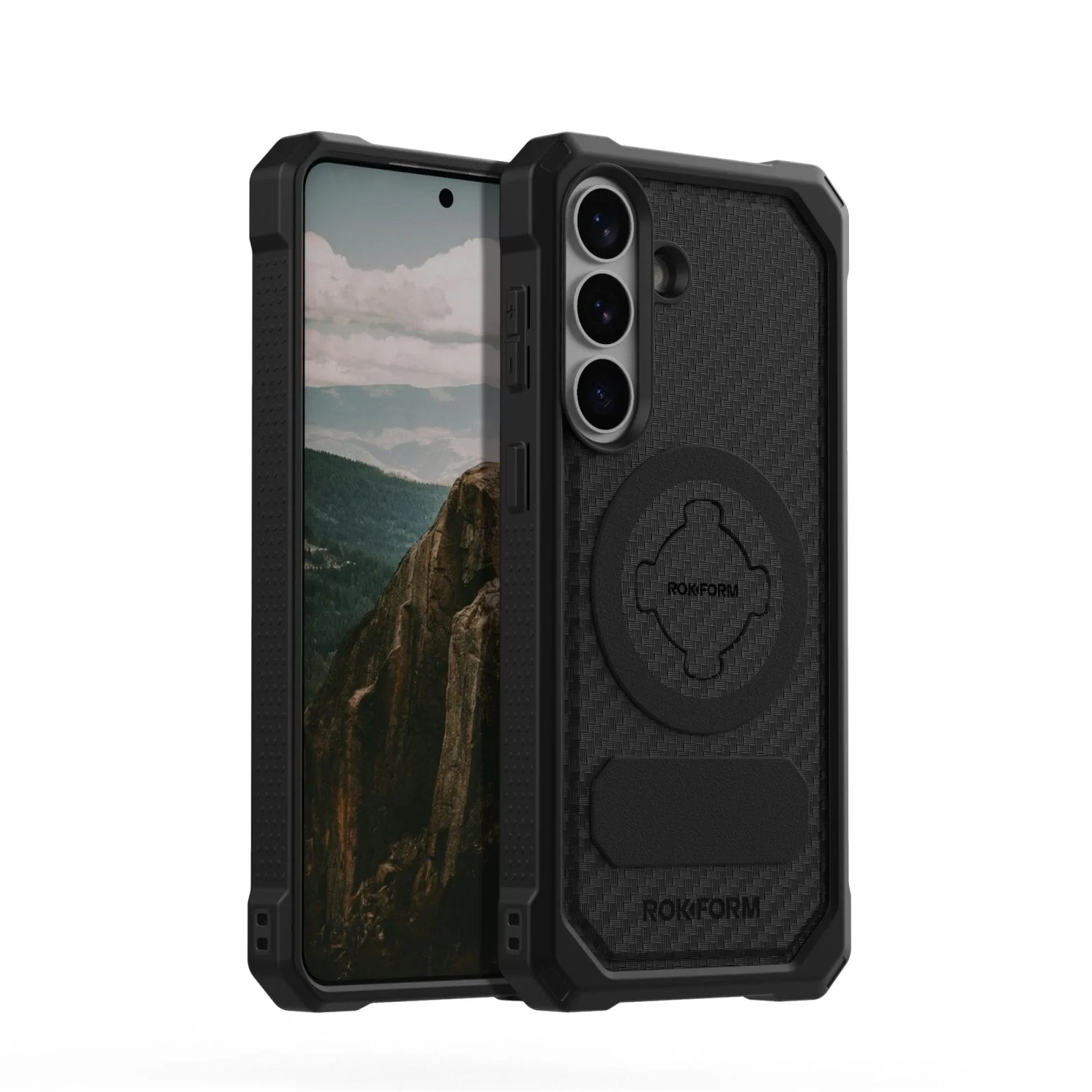
Magnetic cases can be excellent for car mounts and accessories, but the magnet layout decides whether wireless charging survives. Magnets arranged in a ring around the coil area generally allow pass-through. A single large plate or a magnet placed in the center will block it. Look for wording that describes a magnetic ring or array aligned with the phone's charging position.
If you use a magnetic car mount, check whether the mount itself sits between the phone and the charger. Many people charge wirelessly at a desk and mount magnetically in a car, so the case only needs to support one mode at a time. Decide which mode matters most, then choose a case whose magnet design supports it without compromise.
- A magnetic ring around the coil is usually safe; a solid plate over the coil is not.
- If you charge and mount in the same spot, test the combination before relying on it.
- Keep the case's magnet area clean; debris can create a gap that weakens charging.
Fit guidance for the Galaxy S25 Ultra
The Galaxy S25 Ultra has a large camera array and curved edges, so fit is not just about screen size. A well-fitting rugged case wraps the corners tightly, leaves precise openings for the cameras and ports, and does not lift the screen protector at the edges. A loose case lets dust in and shifts the phone away from the charging coil, which hurts both protection and charging.
Check the product listing for the exact model name, not just the series. A case made for a different Galaxy S model may physically fit over the phone but place the camera cutout or magnet ring in the wrong spot. If the listing does not name the S25 Ultra specifically, treat fit and charging alignment as unverified.
- Confirm the case lists Galaxy S25 Ultra, not just Galaxy S25 or S25 Plus.
- Press the case onto the phone and check that the back sits flat with no bulge over the center.
- If the case comes with a screen protector, install both and re-test wireless charging.
When a rugged case is the wrong choice
If your top priority is the fastest possible wireless charging and you rarely drop your phone, a slim case or no case will always charge more reliably than a rugged one. Similarly, if you use a high-power wireless charger that already runs warm, adding a thick case can trigger heat-related slowdowns. In those cases, choose a thinner protective case or charge with a cable when speed matters.
A rugged case is also a poor fit if you need to swap accessories constantly or if you rely on a magnetic wallet that sits directly over the coil. The more layers you add between phone and charger, the more likely charging becomes inconsistent. Be honest about which trade-off you will actually live with.
- Choose slim over rugged if wireless charging speed is your main concern.
- Avoid stacking a magnetic wallet and a rugged case over the charging coil.
- Use a cable for fast top-ups when a thick case slows wireless charging.
Decision rules for your Galaxy S25 Ultra rugged case
- Rule 1: Check the center-back thickness: Ask for or measure the flat area over the charging coil. Under 3 mm is usually safe; 3–5 mm may work with alignment; over 5 mm often fails on standard pads. If the listing does not give this number, assume charging is unverified.
- Rule 2: Confirm magnet placement: Choose a case with a magnetic ring around the coil, not a solid plate or center magnet. Strong magnets are fine for mounting only when they leave the coil area open. Test the case on your charger for 10 minutes before trusting it overnight.
- Rule 3: Verify exact model fit: The case must name Galaxy S25 Ultra specifically. A case for another Galaxy model can misalign the camera cutout and the charging coil. If the model name is vague, treat fit and charging as unverified.
- Rule 4: Match the case to your charging habits: If you charge wirelessly every day, prioritize pass-through over maximum thickness. If you mostly charge by cable, you can choose a thicker, more protective case. Pick the trade-off you will actually live with, not the one that sounds best.
Product facts that matter for this decision
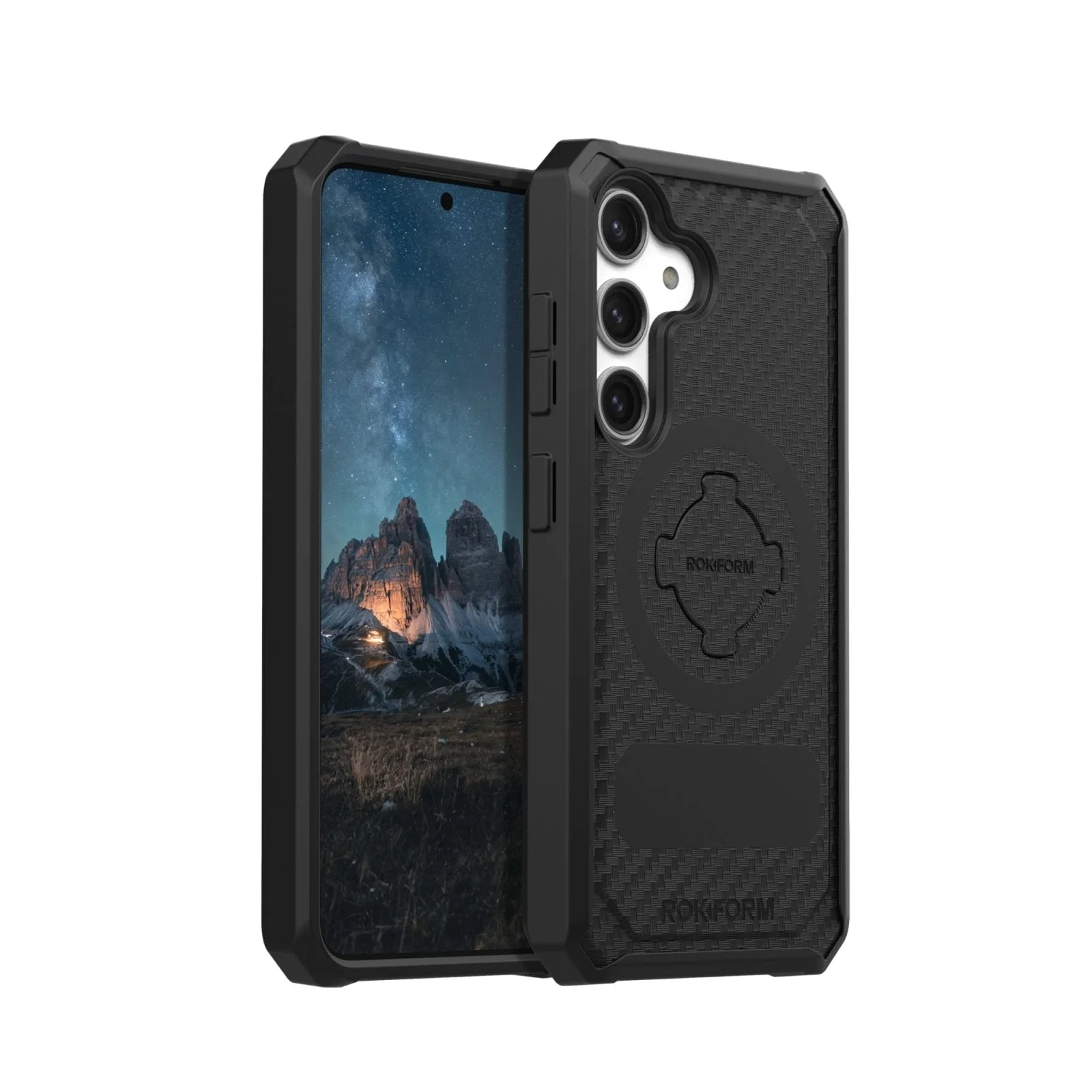
- Samsung Galaxy S26 Plus Rugged Phone Case: Built from a high-impact polycarbonate shell and a shock-absorbing TPU core, with a MAGMAX magnetic mounting system using N52 Neodymium magnets. This shows the two-layer construction common to rugged cases and a magnet system designed for mounting. If you consider a similar case for your S25 Ultra, confirm the magnet ring is positioned around the charging coil, not across it.
- Galaxy S24 Magnetic Rugged Case: Offers 3x the magnetic power of the competition without sacrificing wireless capabilities, and protects from 6ft drops. This is a useful benchmark: a rugged case can claim both strong magnets and wireless charging pass-through. Use that claim as a question when shopping for an S25 Ultra case, and verify the coil area stays clear.
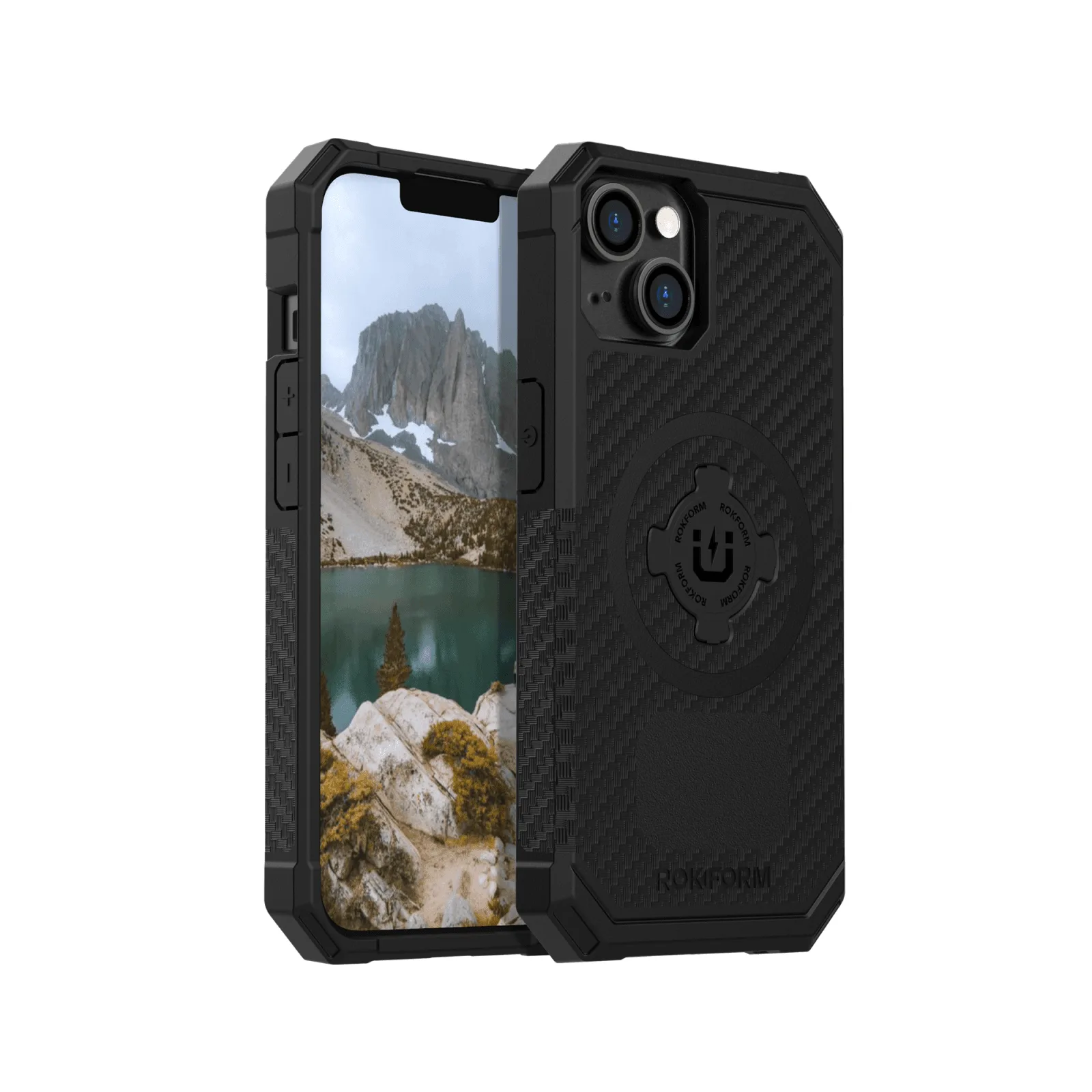
- Rugged Case - iPhone 12/12 Pro: Exceeds Military Grade Drop Test standards, MIL-STD 801G-516.6, with reinforced corners and built-in industrial-grade magnets for magnetic surfaces. Military-grade drop ratings tell you the case can take impacts, but they say nothing about wireless charging. Separate drop protection from charging compatibility in your evaluation.
Is a rugged Galaxy S25 Ultra case right for you?
Best for
- People who drop their phone often and still want wireless charging at a desk or nightstand
- Users who want magnetic mounting for a car or accessories without giving up charging pass-through
Not for
- Users who need the fastest possible wireless charging and rarely drop their phone
- Anyone who stacks a magnetic wallet or metal plate directly over the charging coil
Choose a Galaxy S25 Ultra rugged case by checking three things: center-back thickness, magnet placement around the coil, and exact model fit. If a case lists none of these, test it on your charger before you rely on it. Protection and wireless charging can coexist, but only when the case is designed for both.