Quick answer
To prevent blisters while running, choose socks that fit snugly without bunching, are made from moisture-wicking fabrics, and offer targeted cushioning where you need it most.
Why socks cause blisters and how to avoid it
Blisters form when friction and moisture combine. A sock that shifts or traps sweat against your skin creates the perfect environment for rubbing, which is why the right sock can make or break a long run.
The key is to look for a snug fit that stays in place, a fabric that pulls moisture away from your skin, and cushioning that absorbs impact where your foot hits the ground. A non-slip design can also help keep the sock from sliding inside your shoe.
Everyone's feet are different, so what works for one runner may not work for another. Pay attention to where you tend to get hot spots—whether it's the heel, the ball of the foot, or the toes—and choose a sock with cushioning in that area.
What to look for in a running sock
Fabric matters. Look for synthetic blends like polyester, nylon, or spandex that wick moisture and dry quickly. Avoid cotton, which absorbs sweat and stays wet, increasing friction.
Fit is just as important. A sock that is too big can bunch up inside your shoe, while one that is too small can put pressure on your toes. Try socks with the shoes you plan to wear them with.
Cushioning should be placed where you need it. Some runners prefer light cushioning for a closer feel, while others need extra padding in the heel and forefoot for longer distances.
How to choose running socks that prevent blisters
- Check the fit: Put on the sock and ensure it fits snugly without any bunching or wrinkles. The heel should sit at your heel, and the toe seam should not press against your toes. A common mistake is sizing up for extra cushioning, but a loose sock can cause more friction than a snug one.
- Choose moisture-wicking fabric: Select socks made from synthetic materials like polyester or nylon that draw sweat away from your skin. Avoid cotton, which holds moisture and increases friction. If you tend to sweat a lot, look for socks with ventilation zones or mesh panels to improve airflow.
- Consider cushioning placement: Decide where you need extra padding based on your running style and foot strike. Heel and forefoot cushioning are common for road runners, while minimal cushioning may suit trail runners who want more ground feel. If you get blisters on your toes, look for a seamless toe design or a sock with a reinforced toe area.
- Look for non-slip features: If your socks tend to slide down or bunch up, choose a pair with non-slip grips on the heel or sole. This helps keep the sock in place inside your shoe. Non-slip socks are especially useful for treadmill running or when wearing smooth-soled shoes.
- Test them on a short run: Before committing to a long race or run, wear the socks for a few short runs to see how they feel and whether they cause any hot spots. If you feel any rubbing or discomfort, try a different size or style before your next long run.
Products that help
-
[3 SET] Non-Slip Performance Socks: This three-set of non-slip performance socks is designed for yoga, Pilates, and everyday activewear, with a non-slip design that helps keep them in place. Non-slip socks reduce the chance of bunching or sliding inside your shoe, which is a common cause of friction and blisters during a run.
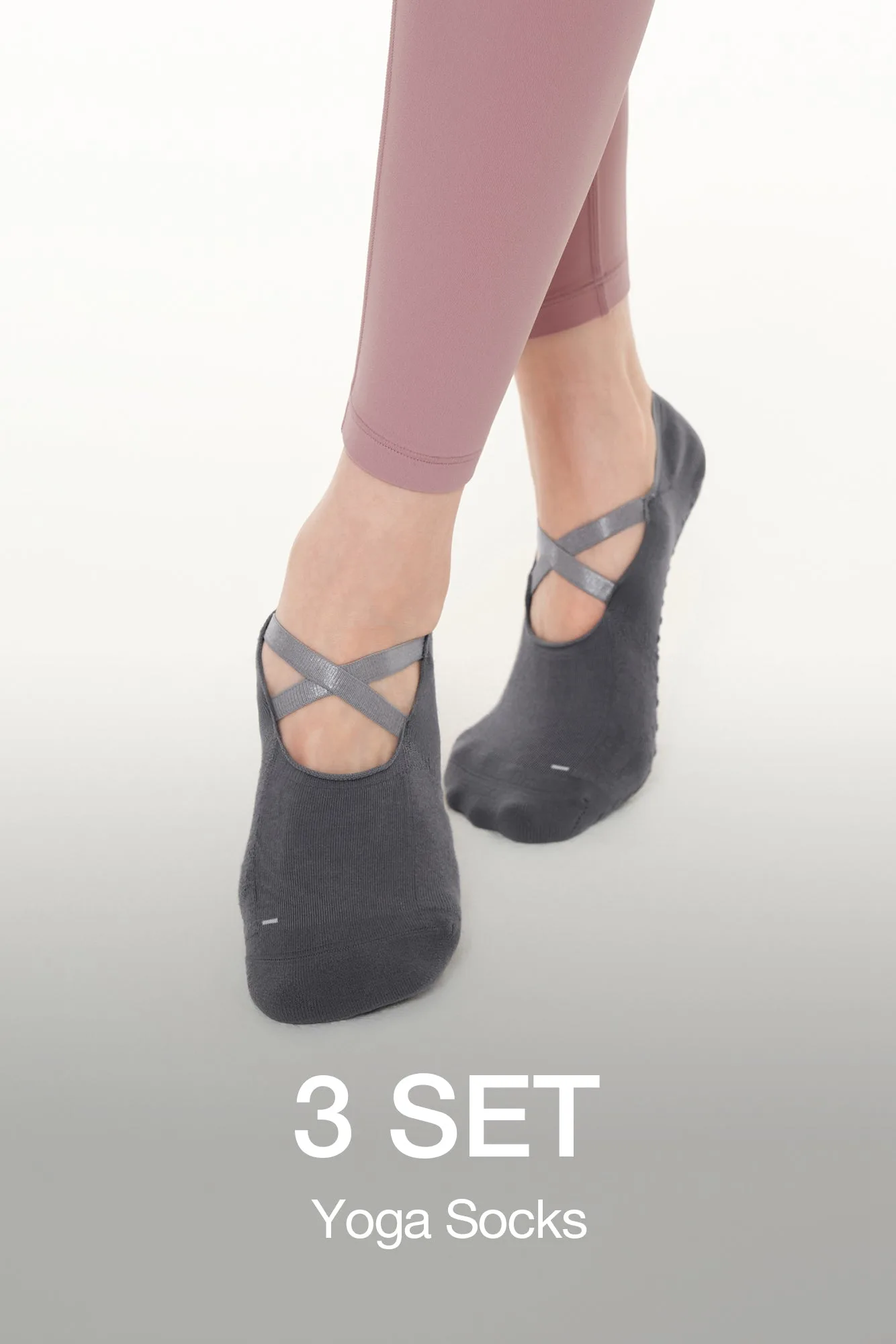
[3 SET] Non-Slip Performance Socks
-
Aircomfy Crew Socks: These crew socks offer cloud-like cushioning with arch support and are designed for everyday activities and running. Cushioning in the right places absorbs impact and reduces pressure points, while arch support helps keep the sock secure and your foot stable.
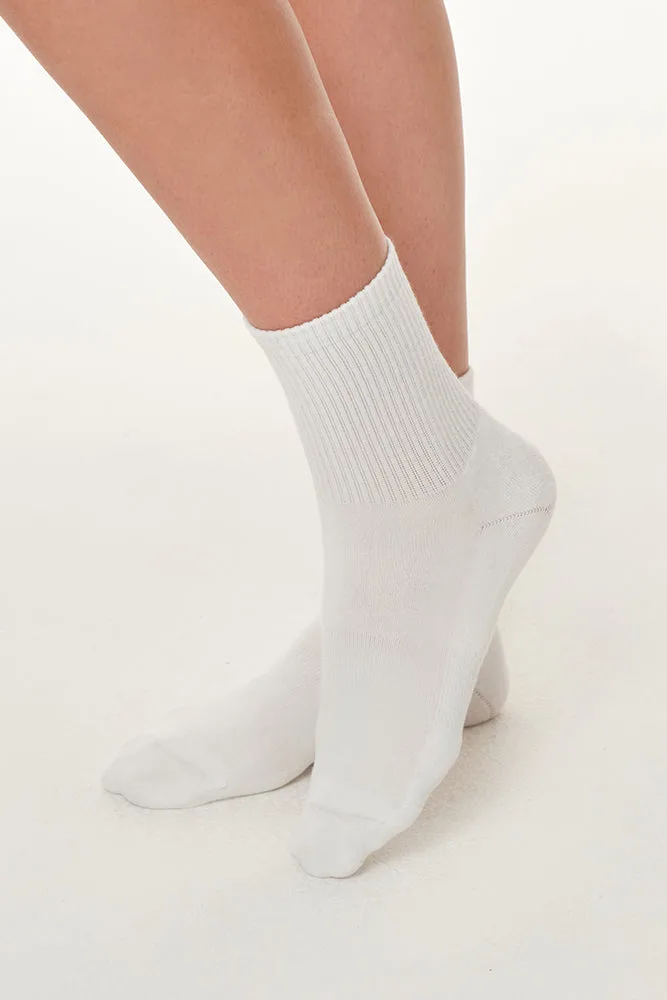
Aircomfy Crew Socks