Quick Answer
A safe baby teether should be made from non-toxic, BPA-free materials, be free of small parts, and match your baby's developmental stage. Look for easy-to-clean designs with varied textures to soothe sore gums without posing a choking hazard.
What Makes a Baby Teether Safe?
Safety starts with materials. Choose teethers labeled BPA-free, phthalate-free, and non-toxic. Silicone, natural rubber, and food-grade plastic are common safe options. Avoid any teether with small detachable parts, beads, or liquid-filled centers that could leak or break.
Size and shape matter too. A teether should be large enough that your baby cannot swallow it but small enough for tiny hands to grip. Solid one-piece designs are safer than those with seams or caps that might come loose. Always follow the age recommendation on the package.
Textures and Sensory Benefits
Babies explore with their mouths, so texture plays a big role in teether effectiveness. Varied surfaces—bumps, ridges, and soft nubs—help massage sore gums and can provide different levels of stimulation. Some teethers also include a gentle vibration or crinkle element to engage your baby further.
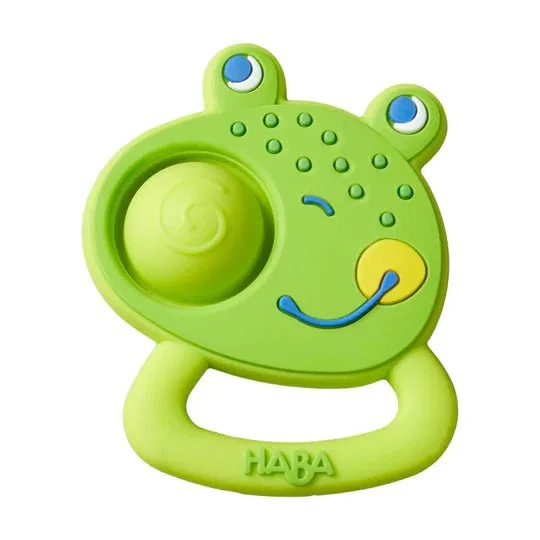
The Popping Frog Clutch Toy offers an interesting combination of textures and a push-button center that makes a popping sound. This adds an extra layer of curiosity and sensory play, which can be especially helpful for early teethers who are also learning cause and effect.
Cleaning and Maintenance
A teether will spend a lot of time in your baby's mouth, so easy cleaning is a must. Silicone and rubber teethers can usually be boiled or placed in the dishwasher (top rack). Check the manufacturer's instructions before cleaning. Avoid teethers with fabric or stuffing that cannot be machine washed or sanitized.
Replace a teether at the first sign of wear, cracking, or sticky residue. Worn teethers can harbor bacteria or break into small pieces. Having two or three teethers in rotation gives you a clean one while the other dries.
Decision Rules for Choosing a Safe Baby Teether
- Material Check: Always choose teethers made from non-toxic, BPA-free silicone, natural rubber, or food-grade plastic. Avoid PVC, phthalates, and unknown materials. Look for labels that clearly state 'BPA-free' and 'phthalate-free'.
- Size and Shape: The teether should be too large to swallow but easy for a baby to grasp. Solid one-piece designs are safest. Avoid teethers with small parts, beads, or liquid filling. Check that the teether cannot fit entirely inside a toilet paper roll (a common choking hazard test).
- Texture Variety: Multiple textures (bumps, ridges, soft nubs) provide better gum relief and sensory stimulation. Some teethers also offer sound or vibration for added engagement. Choose a teether with at least two distinct textures to keep your baby interested.
- Easy to Clean: Silicone and rubber teethers can be boiled or dishwashed. Avoid fabric or stuffed teethers unless they are machine-washable and dryable. Sanitize a new teether before first use and inspect regularly for wear.
Teether Products That Prioritize Safety
- Popping Frog Clutch Toy: This adorable clutching toy has interesting textures and exercises the chewing muscles and helps with teething. The center can be pushed in or out, creating an entertaining popping sound. The varied textures soothe sore gums, while the popping sound adds sensory engagement. Its one-piece design with no small parts makes it a safer choice for early teethers.
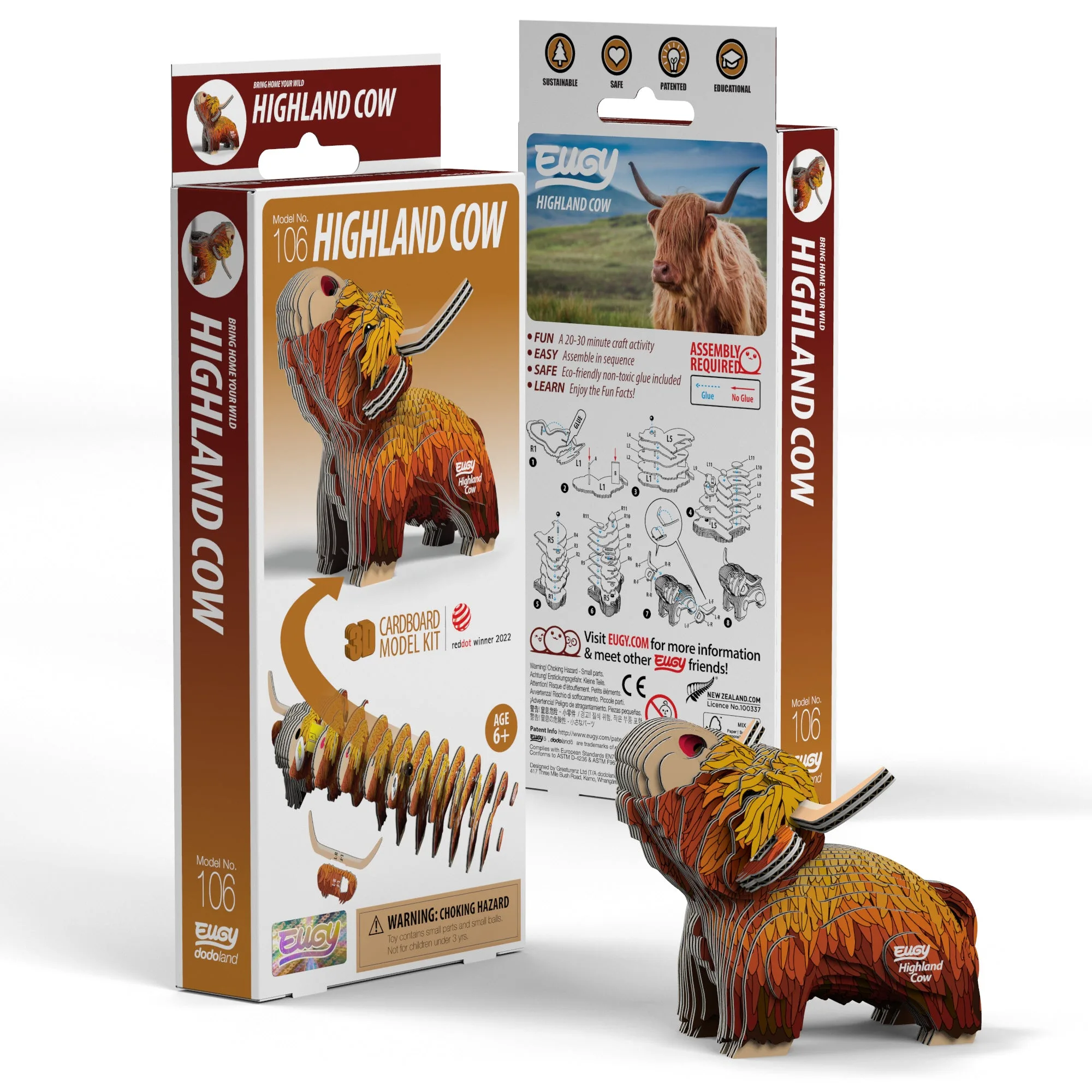
- EUGY Highland Cow 3D Puzzle: EUGY - a super-fun 3D puzzle that's eco-friendly and can be assembled in 10 to 20 minutes. Great for STEM concepts and craftable fun. There are over 90 designs and counting. While not a teether, the EUGY Highland Cow puzzle is a safe, eco-friendly craft activity for older kids (3+). It makes a great non-toxic alternative for toddlers who have moved past the teething stage but still enjoy hands-on play.
Which Teether Is Best for Your Baby?
Best for
- Babies 3-12 months who need varied textures and sensory play
- Parents who want a safe, easy-to-clean, and engaging teether
Not ideal for
- Babies under 3 months (check age recommendations)
- Parents looking for a teether with a clip or strap to attach to clothing (the Popping Frog is a handheld toy)