Quick answer
Choose toys whose listed age matches your child's real behavior, not just their birthday. Look for solid wood or food-safe plastic, non-toxic paint, no small loose parts below age 3, and simple shapes a child can use independently. If a listing does not state the material, age, or care instructions, treat that silence as a reason to keep looking.
Toy safety questions usually come up at the worst moment: you are holding a product page, your child is climbing your leg, and the listing says 'eco-friendly' without saying what the toy is actually made of. Montessori toy safety is mostly about matching three things: material, finish, and age rating.
Montessori
This guide gives you decision rules you can apply in a few minutes, plus concrete examples from toys that list their specifications clearly. The goal is not to find the single safest toy. It is to know which questions to ask so you can choose confidently for your own child.
Start with the material, not the marketing words
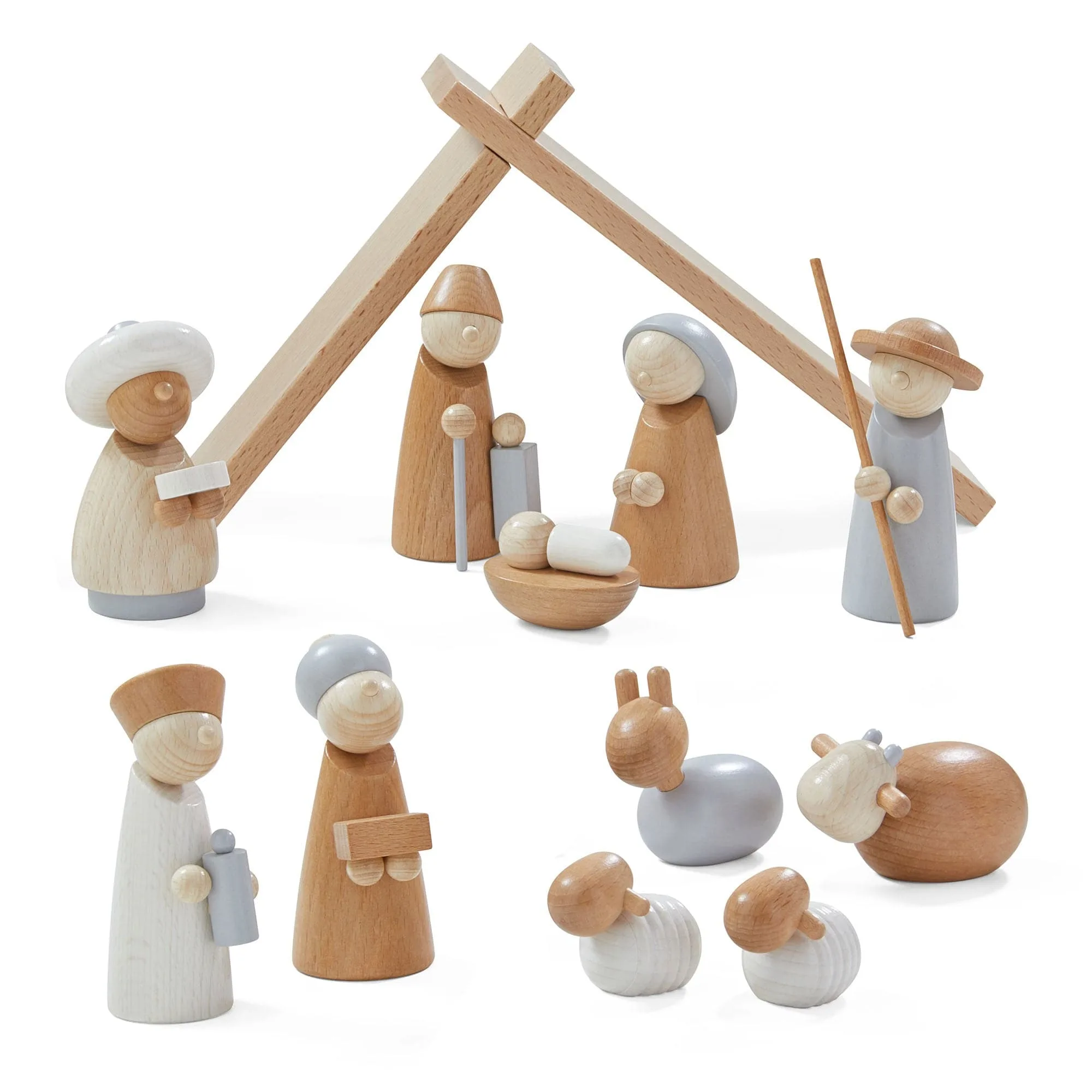
Material tells you how a toy will behave in real life: whether it can be wiped clean, whether it chips, and whether it survives being chewed. Solid wood is dense and holds up to repeated handling, which is why so many Montessori toys use it. ABS plastic is a different trade-off: lighter, easier to wash, and often used for magnetic pieces that need precise shapes.
When a listing names a material, read it as a care instruction too. Wood generally needs a damp cloth and immediate drying, while plastic can often be handwashed with warm water and mild detergent. If the material is vague, you cannot predict how the toy will age, and that uncertainty is the real risk.
- Prefer listings that state the exact material, such as high-quality eco-friendly wood or non-toxic ABS plastic.
- Check the care line before buying: it tells you how much maintenance the toy needs.
- Skip toys where the material is described only with words like 'premium' or 'natural'.
What safe paint on toys actually means for you
Paint matters most for toys that go in the mouth. For babies and young toddlers, you want a finish described as non-toxic paint, and you want it bonded to a smooth surface with no flaking edges. You cannot verify a paint formula from a product photo, so use the listing as your filter: a brand that names its finish is usually a brand that thought about it.
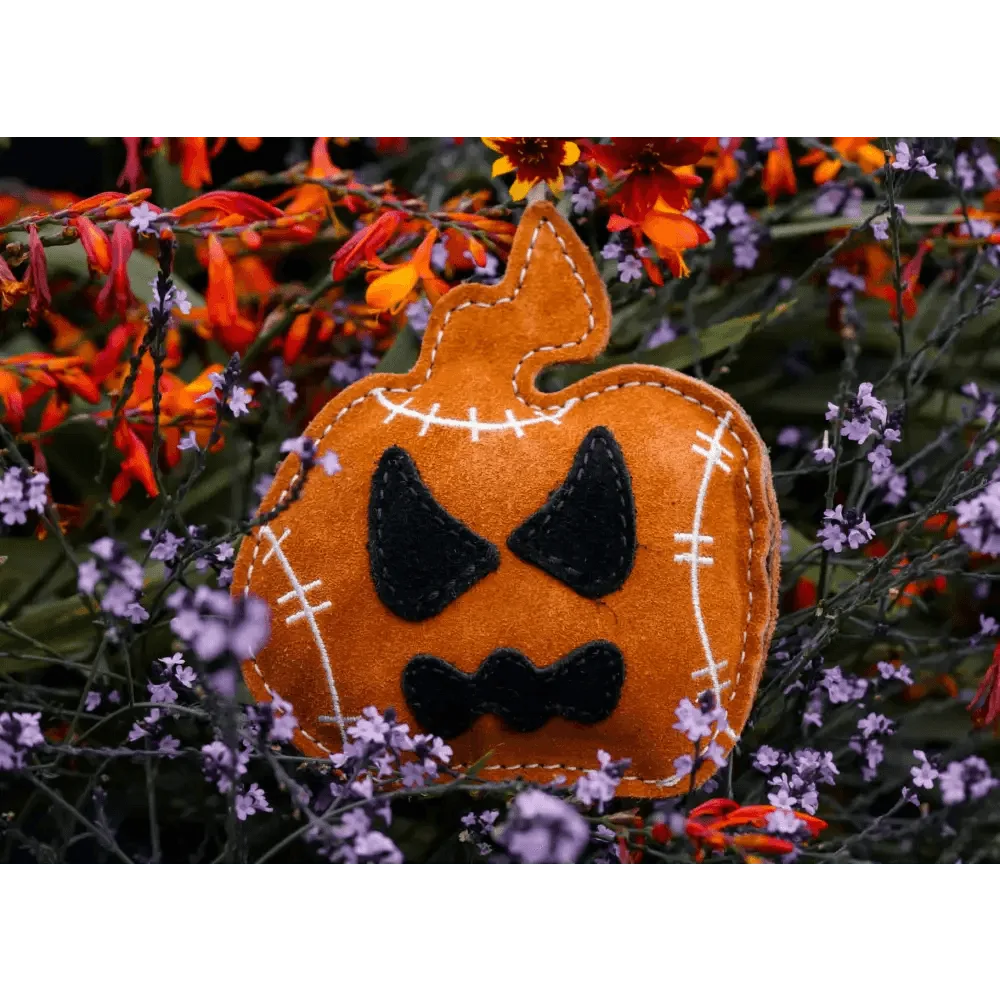
For felt and fabric toys, the safety question shifts from paint to construction. Stitching, attached ornaments, and whether the item can be spot cleaned all matter more than color. A felt toy that is spot clean only, for example, tells you it is not meant for heavy mouthing or bath play.
- For under-3s, prioritize non-toxic paint and smooth, sealed surfaces.
- Run a fingernail along painted edges when the toy arrives; flaking is a return reason.
- Fabric toys labeled spot clean only should stay out of water and heavy chewing.
Read age ratings as behavior, not birthdays
Toy age ratings exist mainly to flag choking hazards. A '3+' label usually means the set contains small parts that a younger child could swallow, even if the toy looks simple. A '6+ months' label signals the opposite: the pieces are sized and attached so a baby who mouths everything can use them safely.
The practical rule is to match the rating to what your child does, not what the calendar says. A two-year-old who still mouths toys should stay with 1+ and 6+ months items. A three-year-old who has stopped mouthing can move up, but only if you are ready to supervise and store the small pieces.
- Below age 3: choose 1+ or 6+ months toys with no loose small parts.
- Age 3 and up: small pieces become acceptable, but storage and supervision are on you.
- If two ages are close, buy for the younger child in the house.
Match the toy to the developmental stage
Safety and usefulness overlap. A toy that is too advanced gets used wrongly, which is when accidents happen. A toy that is too simple gets ignored, which wastes money. Montessori toy materials tend to be chosen around a specific skill, so the age rating and the play pattern usually tell the same story.
For babies around 6 months, look for single-purpose toys that support cause and effect, like dropping a ball into a box. For toddlers past their first birthday, look for stacking, sorting, and building. For preschoolers, pattern cards and open-ended building sets keep attention longer and justify the higher price.
- One clear skill per toy is easier to supervise than a multi-part kit.
- Buy the next stage only when the current one is used independently.
- Fewer, well-matched toys are easier to keep clean and check for damage.
Decision rules for safe Montessori toy buying
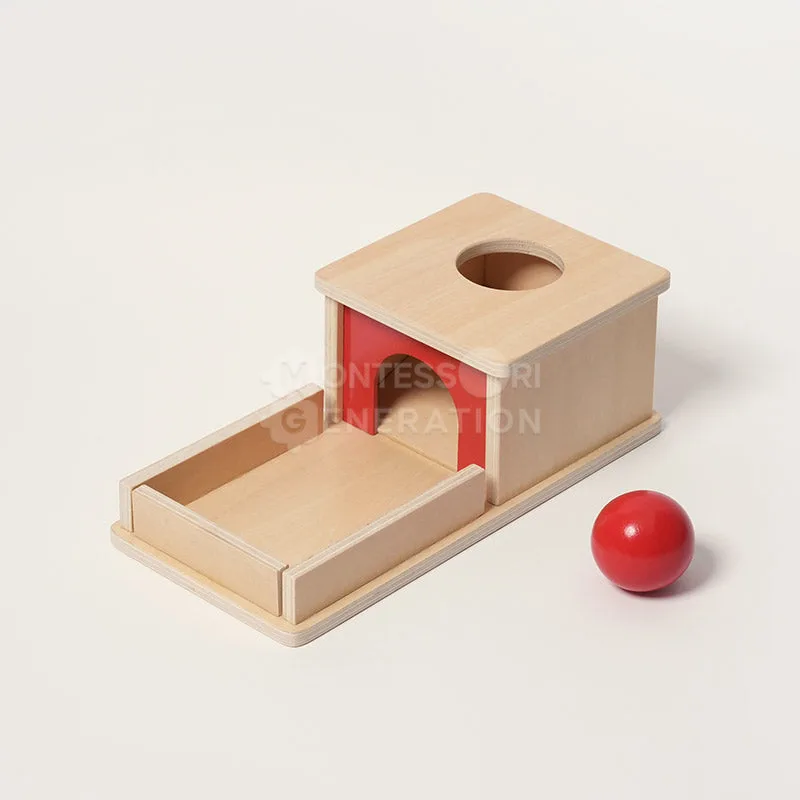
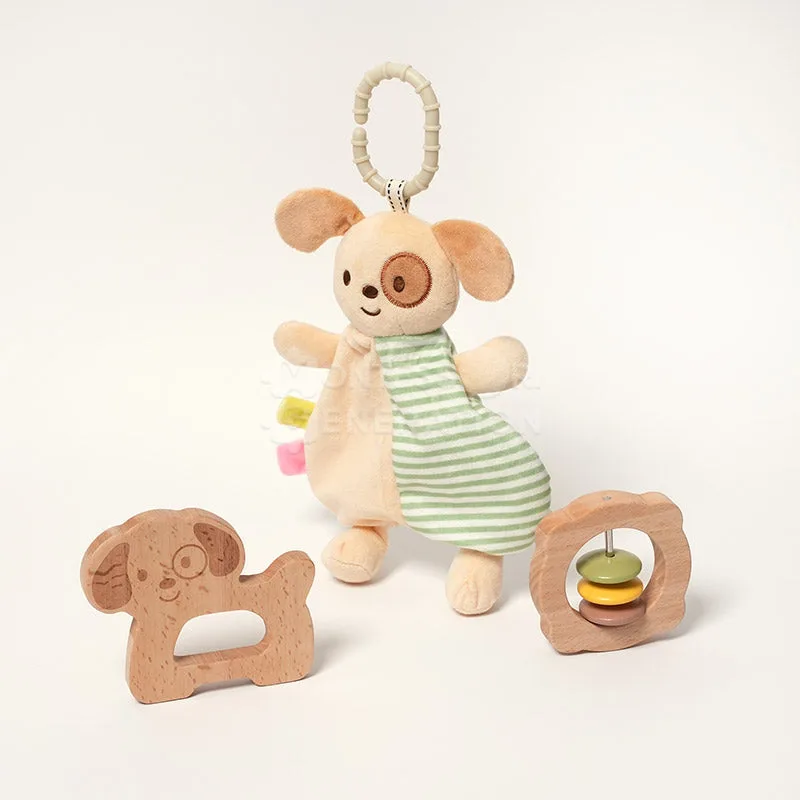
- If your child still mouths toys: Stay with 6+ months and 1+ items that have no loose small parts, and prioritize non-toxic paint on wood. The Montessori Object Permanence Box and Montessori Baby Comfort Toy both fit this stage. No loose parts, no exceptions.
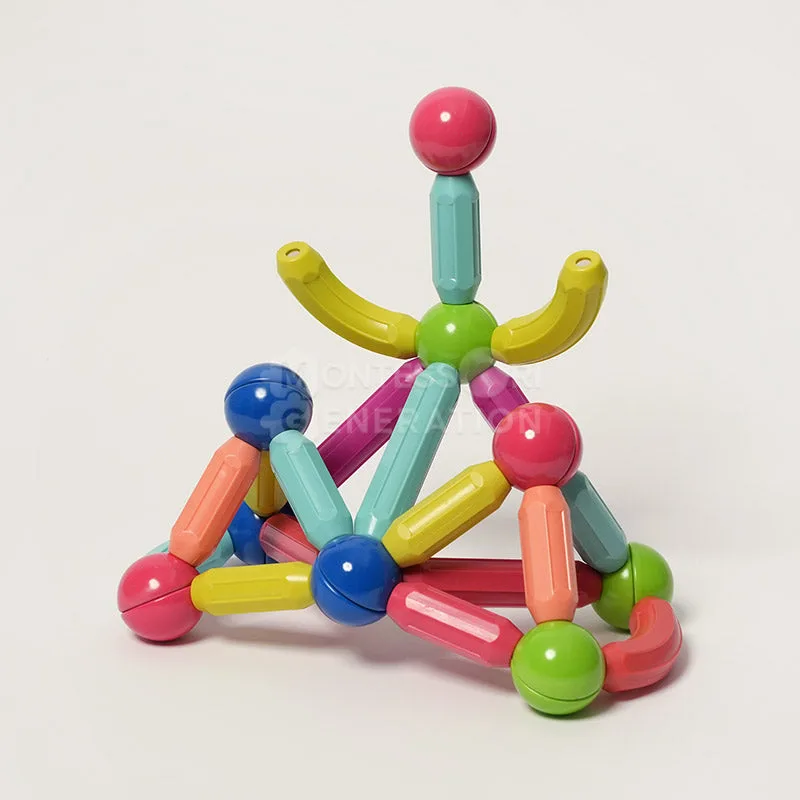
- If your child has stopped mouthing: You can move to 3+ sets with small pieces, such as the Montessori Magnetic Set with its 36 magnetic pieces. The trade-off is that storage and supervision become your responsibility. Buy a container at the same time as the toy.
- If the listing omits material or age: Treat missing specifications as a real limitation rather than a detail. You cannot judge paint, choking risk, or cleaning needs without them, so compare a different listing instead. Clear specs are the safety feature.
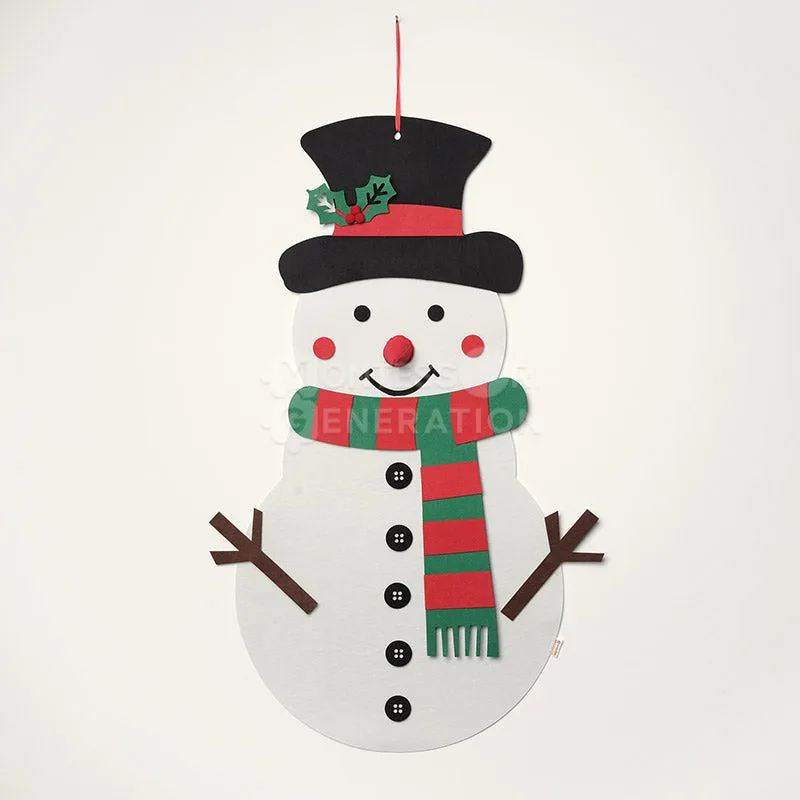
- If you are buying for a shared play space: Choose for the youngest child in the room. A 1+ felt toy like the Montessori Christmas Tree can be used alongside older siblings, while 3+ sets should be stored out of reach between sessions. One age rule for the whole shelf.
What clear specifications look like
- Montessori Object Permanence Box: Age 6+ months, contains one wooden box and one wooden ball, made of high-quality eco-friendly wood with non-toxic paint, and cleaned with a damp cloth and mild soap followed by immediate drying. The single attached ball removes the choking hazard that usually pushes toys into the 3+ category, so this is a realistic first cause-and-effect toy for a baby who mouths everything.
- Montessori Baby Comfort Toy: Age 6+ months, contains a plushie dog, a rattle, and a wooden teether, made of high-quality eco-friendly wood, with the plushie hand-washable and the set cleaned with a dry or damp cloth. A named teether tells you mouthing is expected, while the hand-wash instruction tells you the fabric part needs more care than the wood.
- Montessori Magnetic Set: Age 3+, contains 36 magnetic pieces and an instruction leaflet, made of 100% safe, non-toxic ABS plastic, and handwashed with warm water and mild detergent. The 3+ rating and the small magnetic pieces go together: this is a toy to buy after mouthing stops, and the plastic construction makes cleanup simple.
- Montessori Christmas Tree: Age 1+, contains one tree and 25 ornaments, made of durable and 100% safe felt fabric, and spot clean only. The 1+ rating fits a toddler, but spot clean only means this is a dry-play toy, not something to hand over during meals or water play.
Who this approach fits
Best for
- Parents buying a first Montessori toy for a baby between 6 and 12 months
- Families with mixed ages who need one shelf rule that works for everyone
- Shoppers who want to compare materials, paint, and age ratings before spending
Not for
- Buyers looking for electronic or app-connected toys, which this catalog does not cover
- Anyone who wants a single toy to serve every age from baby to preschool
- Shoppers who prefer to skip care instructions and clean toys rarely
Safe Montessori toys are less about one perfect product and more about a repeatable check: material, finish, age rating, and care. Apply those four questions to any listing, and you will know within a minute whether it belongs in your home.