Quick answer
Choose a teether that is one piece, large enough to not be a choking hazard, and made from a material you can verify as BPA-free. Match the shape and firmness to your baby's stage: soft and small for early gnawing, firmer and longer for back teeth. Always check for recalls and inspect regularly for wear.
Teething can turn a calm day into a fussy one, and the right teether makes a real difference. But with so many options, it's hard to know which ones are safe. This guide gives you a clear checklist for evaluating teethers and baby accessories, so you can buy with confidence.
We'll cover materials, shapes, sizes, and red flags, plus how to tell when a teether is past its prime. You'll also find specific product examples that fit common needs, and a simple decision framework to match a teether to your baby's age and teething stage.
Material matters: what to look for and what to avoid
The safest teethers are made from food-grade silicone, natural rubber, or sturdy, unpainted wood. These materials are durable, free of harmful chemicals, and won't break into small pieces. Avoid teethers made from PVC, phthalates, or BPA, which can leach into a baby's mouth. If a product doesn't state its material, skip it.
For babies under 6 months, stick with soft silicone or rubber that can be chilled (not frozen). For older babies, firmer silicone or wood can provide more relief for sore gums. Always check for a BPA-free claim and look for third-party testing seals when available.
- Silicone: soft, flexible, often dishwasher-safe; good for all stages.
- Natural rubber: biodegradable, slightly firmer; check for latex allergies.
- Wood: firm, naturally antibacterial; avoid if painted or varnished.
Shape and size: choking hazards and reach
A safe teether should be large enough that it can't fit entirely into your baby's mouth, and it should have no small parts that can detach. Look for a solid, one-piece design without beads, buttons, or loose ends. If a teether has a clip or strap, make sure it attaches securely and can't be pulled off.
Consider your baby's grip. Young babies need lightweight, easy-to-hold shapes like rings or small animals. Older babies can handle longer, textured pieces that reach the back molars. Avoid anything with sharp edges or points that could hurt gums.
- Test with a toilet paper tube: if it fits entirely inside, it's too small.
- Check for a solid construction; no parts should rattle or come loose.
- Choose a shape that's easy for your baby to hold and bring to their mouth.
Safety checks before and after every use
Before you buy, search for recalls on the CPSC website. Once you own a teether, inspect it daily for tears, cracks, or changes in texture. Silicone can degrade over time, especially if chewed aggressively or washed in hot water. If you see any damage, throw it away immediately.
Clean teethers according to the manufacturer's instructions. Most silicone teethers are dishwasher-safe on the top rack, but some need hand washing. Avoid using harsh chemicals or boiling unless specified, as this can break down the material.
- Do a pull test: tug on any attached parts to ensure they don't come off.
- Replace teethers every 1–2 months, or sooner if worn.
- Never tie a teether around your baby's neck or attach it to clothing with a string.
Beyond teethers: other baby accessories to vet
The same safety principles apply to other baby accessories like soft books, rattles, and sensory toys. Look for age recommendations, non-toxic materials, and no small parts. For toys with batteries, ensure the battery compartment is secured with a screw.
If you're buying a gift, stick to well-known brands and check for safety certifications. When in doubt, choose simpler toys with fewer components. A classic wooden rattle or a soft fabric book often poses fewer risks than electronic toys with lights and sounds.
- Check for small parts that could detach; use a small-parts tester if unsure.
- Avoid long strings or cords that could wrap around a baby's neck.
- Choose toys that are easy to clean and won't harbor mold.
Decision rules for choosing a safe teether
- Material first: If the teether is not labeled BPA-free and food-grade silicone, rubber, or unpainted wood, don't buy it. Check the label every time, even for hand-me-downs.
- Size and shape: If it fits entirely inside a toilet paper tube, it's a choking risk. Choose one-piece designs without detachable parts. Bigger is safer; avoid anything that can break into small pieces.
- Stage match: For babies under 6 months, choose soft, small teethers. For 6+ months, firmer, longer teethers can reach back gums. Re-evaluate as your baby grows; what works at 4 months may not at 10.
- Inspection routine: Check for wear and tear before each use. If you see cracks, tears, or stickiness, replace it. When in doubt, throw it out.
Product facts to know
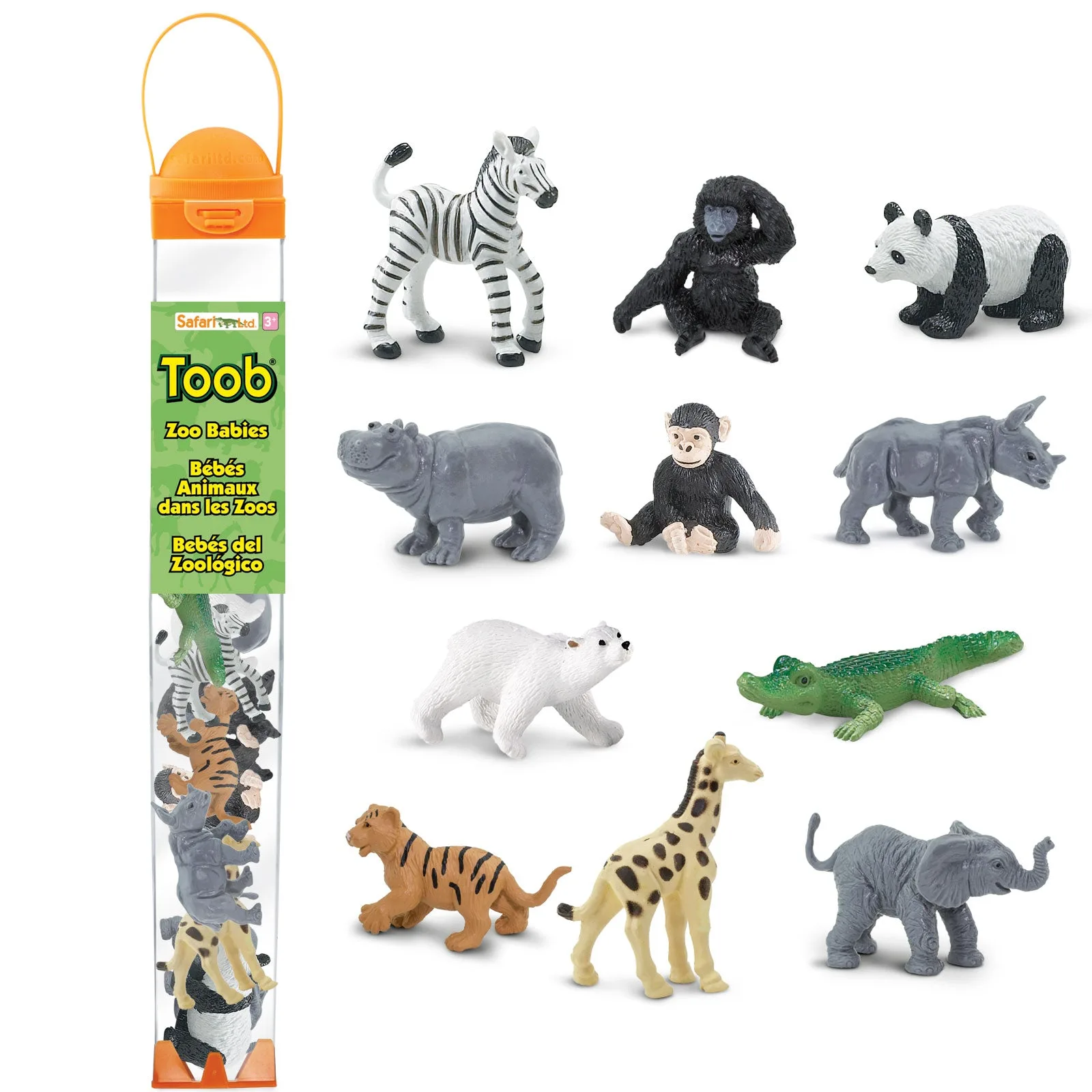
- Baby Zoo Animal TOOB®: Contains 11 baby animal figurines including zebra, panda, hippo, chimpanzee, rhino, alligator, gorilla, elephant, tiger, polar bear, and giraffe. These small figurines are not teethers and are not intended for mouthing. They are best for older toddlers (3+) for imaginative play, not for teething relief. Always supervise.
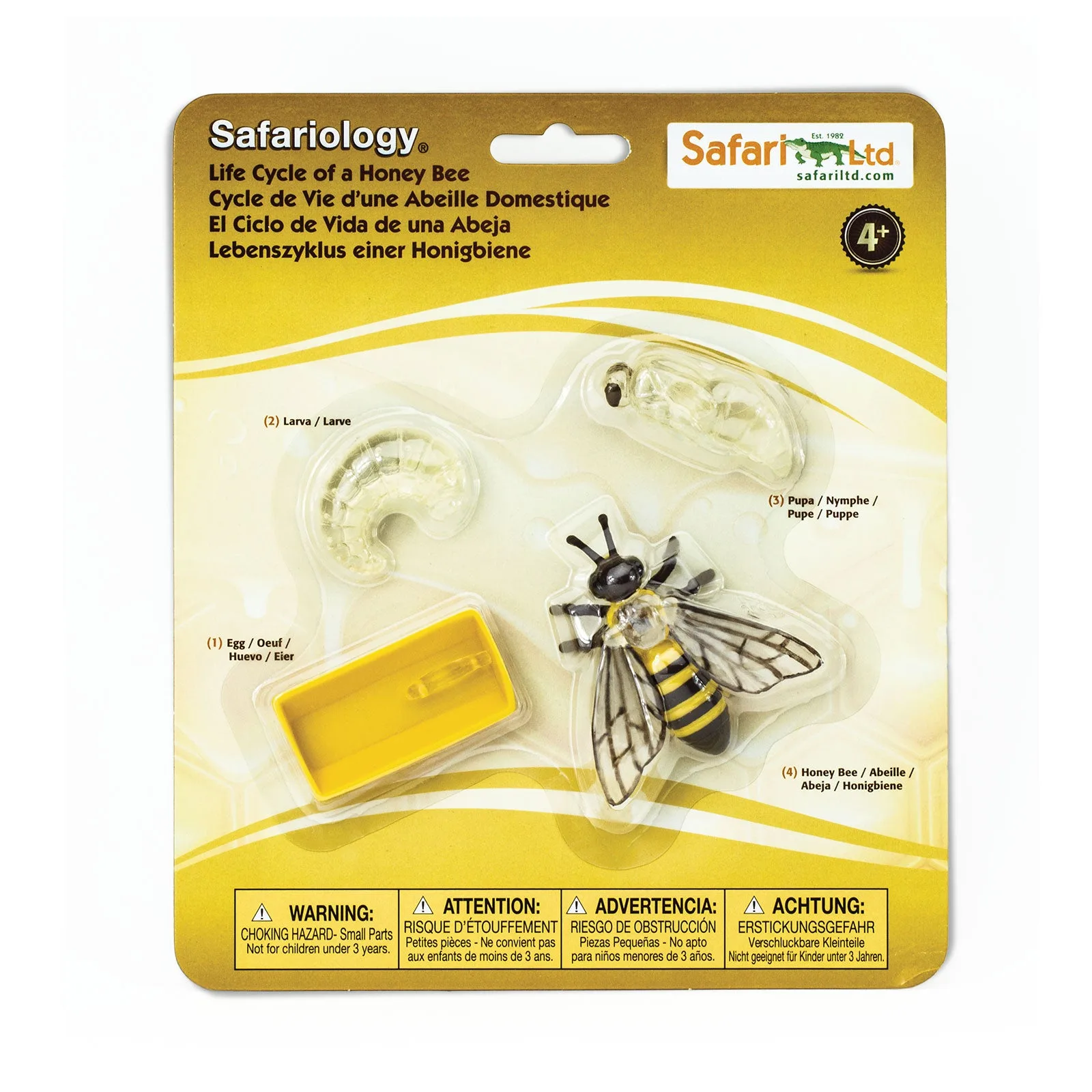
- Life Cycle of a Honey Bee: Includes four figurines showing the life cycle stages of a honeybee, from egg to adult. This is an educational toy for children 3 and up, not a baby teether. It's a good choice for teaching older siblings about nature while keeping small parts away from babies.
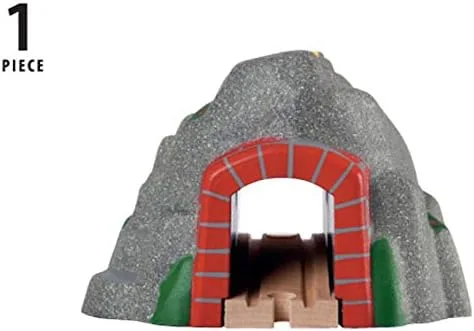
- Adventure Tunnel: Features four real-world sound effects triggered when a train passes through it. This pretend play accessory is designed for children 3+ and contains small parts or batteries that are not safe for babies. Keep it out of reach during teething months.
Is this teether right for your baby?
Best for
- Babies 3–12 months who are actively teething and need safe relief.
- Parents who want a simple, non-electronic teether that's easy to clean.
- Caregivers looking for a budget-friendly option that meets safety basics.
Not for
- Babies who can already unscrew caps or pull apart toys; choose a solid one-piece teether instead.
- Families looking for a teether that doubles as a long-term toy; teethers wear out and need replacing.
- Children over 2 who no longer mouth objects; they may prefer a different sensory toy.
Choosing a safe teether doesn't have to be overwhelming. Stick to verified materials, check the size and construction, and inspect regularly. With these decision rules, you can find a teether that soothes your baby's gums and gives you peace of mind.