Quick answer
Choose a lovey that is small, breathable, and free of loose parts, then introduce it around 6 to 12 months once your baby can roll and sit independently. For sleep, the safest pick is a flat, lightweight comfort object or a wearable blanket like the Muslin Sleep Sack rather than a plush toy. If you want a lovey that doubles as a keepsake, a muslin blanket set such as the Milestone Blanket gives you a soft, familiar texture from day one.
What a lovey actually does for your baby
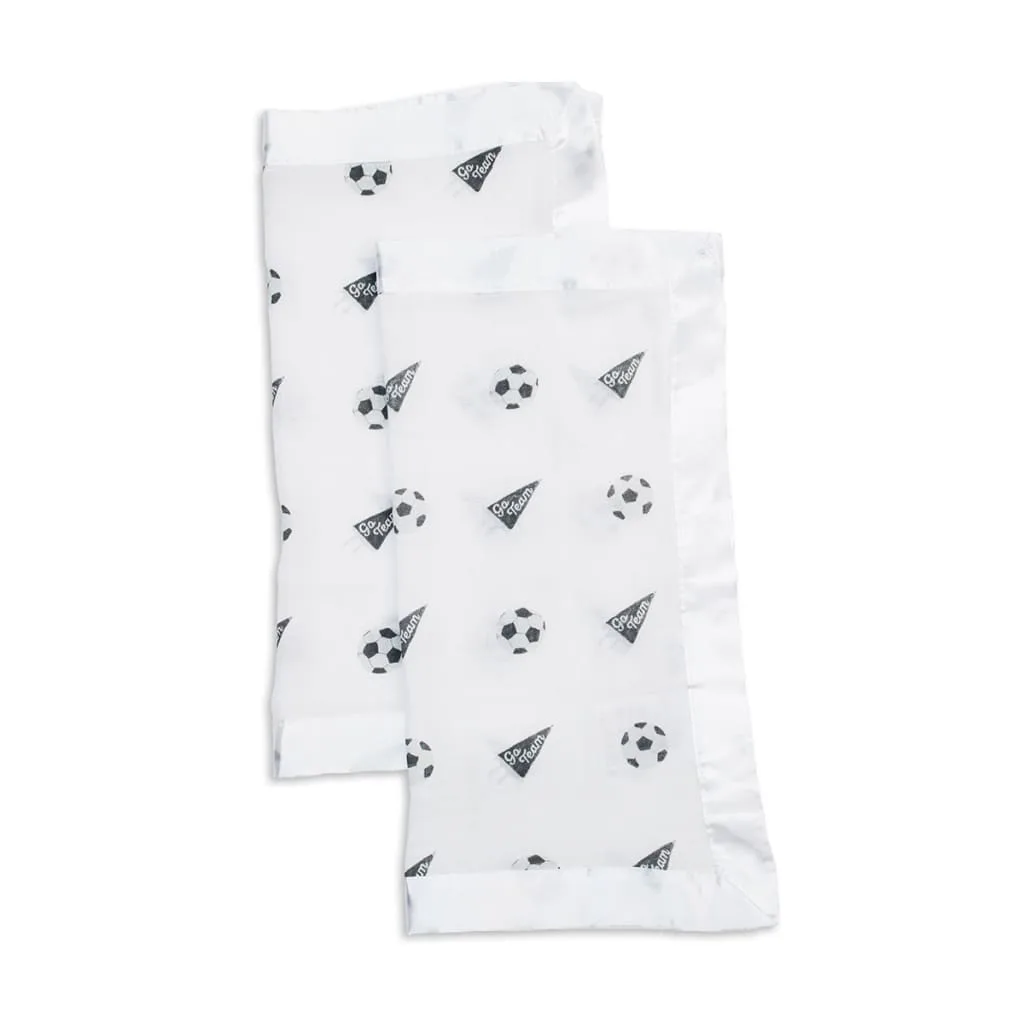
A lovey, or security blanket, is a consistent comfort object your baby associates with you and with sleep. The value is repetition: the same smell, weight, and texture every time, so it becomes a cue that helps your baby settle in unfamiliar places like a grandparent's house or a daycare crib. It is not a sleep-training tool and it will not replace your presence, but it can shorten the wind-down process once the association is built.
security blanket
When to introduce a lovey
Most pediatric safe-sleep guidance says the crib should stay empty of loose objects until around 12 months, so the practical window for a lovey in the crib is after your baby can roll both ways and sit up independently, usually between 6 and 12 months. Before that, you can still build the association during supervised awake time: let your baby hold and mouth the lovey during play and cuddles, then keep it out of the sleep space. If your baby is under 6 months or not yet rolling, wait on crib use and treat the lovey as a daytime comfort object only.
Lovey vs stuffed animal: which one to buy
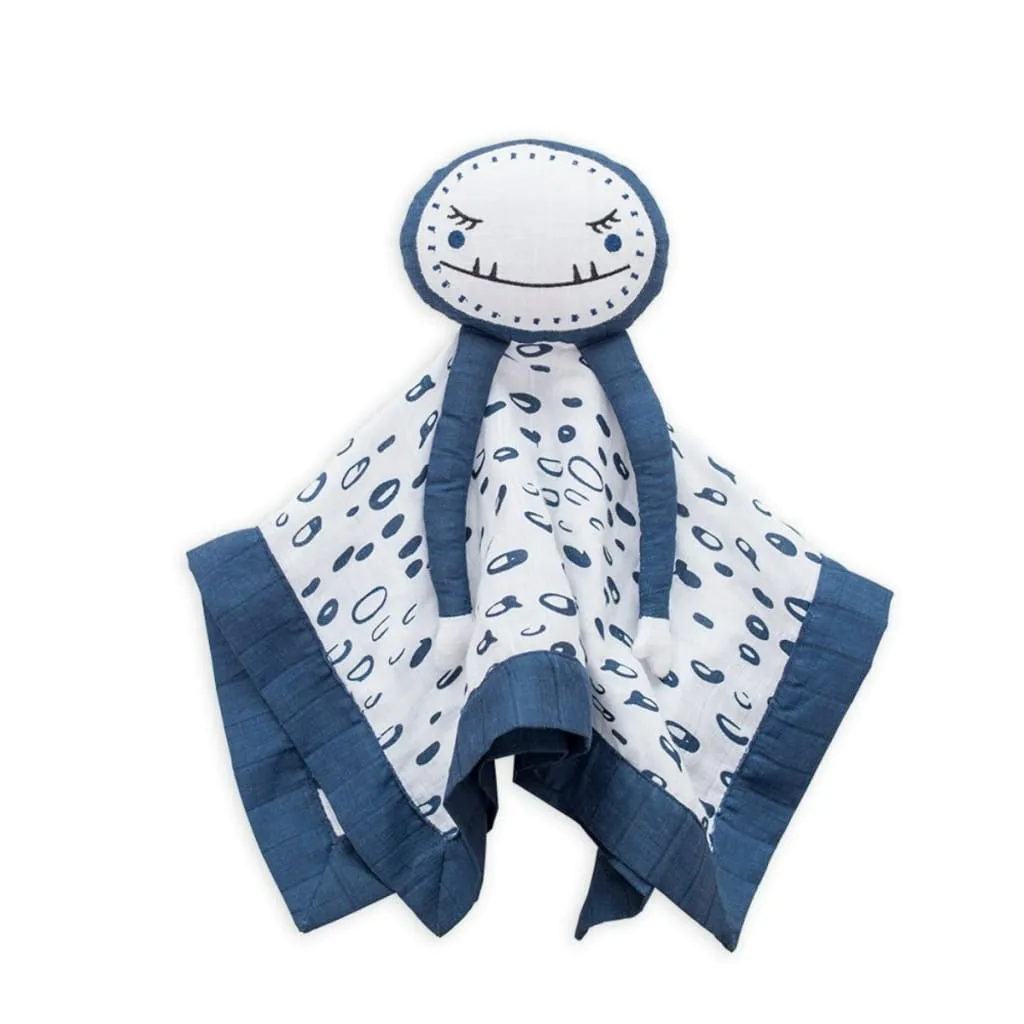
A stuffed animal is a toy first and a comfort object second. It is often larger, filled, and sometimes has plastic eyes or ribbons that can come loose, which makes it a poor crib choice for a baby under a year. A lovey is designed to be smaller and flatter, often a small blanket square with a soft animal head, so it is easier for a baby to hold and less likely to cover the face. If your baby has already attached to a large plush toy, keep that toy for supervised play and add a smaller, flatter lovey for the crib instead of trying to swap the favorite.
Safety checks before you buy
Run these checks on any lovey before it goes near the crib. Look for a one-piece construction with no detachable bows, buttons, or plastic eyes. Squeeze the fabric to confirm it is breathable muslin or cotton rather than a thick, airtight plush. Check the size against your baby's torso: a lovey that is wider than your baby's chest can shift over the face. Wash it according to the care label before first use so it smells like home, not like a warehouse, and buy a duplicate if the lovey becomes the favorite, because a lost lovey at bedtime is a hard problem to solve at 2 a.m.
- No loose parts: no buttons, beads, ribbons, or plastic eyes.
- Breathable fabric: muslin or lightweight cotton over thick plush.
- Small enough to hold: roughly the size of your baby's torso or smaller.
- Washable: check the care label before you commit.
- Duplicate if possible: a spare prevents a bedtime crisis.
Fit guidance: matching the lovey to your baby's stage
Fit is about stage, not age alone. For a baby who is not yet rolling, choose a small muslin square or a flat comfort blanket for supervised use only. For a baby who rolls and sits but is still in a crib, choose a compact lovey no larger than the baby's torso and keep the crib otherwise empty. For a toddler in a bed, you can size up to a fuller security blanket or a small stuffed animal, since the risk profile changes once your child can move freely and pull a blanket off. If your baby sleeps in a sleep sack, the lovey should be small enough that it does not bunch against the sleep sack fabric and create pressure points.
How to build the attachment without forcing it
Sleep with the lovey yourself for a night or two so it picks up your scent, then offer it during calm moments: after a feed, during story time, and at the start of the bedtime routine. Do not push it into your baby's hands when they are upset; offer it when they are already settled so the lovey becomes linked to calm rather than to distress. Rotate it into the crib only after the attachment is established during the day. If your baby shows no interest after a few weeks, that is normal, and you can keep offering it without making it a battle.
Decision rules for choosing a lovey
- Under 6 months or not rolling: Skip crib use entirely and choose a small muslin square for supervised awake time only. Keep the crib empty; build the association during the day.
- 6 to 12 months and rolling independently: Choose a compact, breathable lovey no larger than your baby's torso and keep it as the only object in the crib. Smaller and flatter beats cute and bulky.
- Toddler in a bed: You can size up to a full security blanket or a small stuffed animal, since your child can move it away from the face. Re-check for loose parts as the toy gets more use.
- Baby already attached to a large plush toy: Keep the plush toy for supervised play and add a separate, smaller lovey for sleep rather than removing the favorite. Two objects, two jobs: play and sleep.
- You want one item to serve as lovey and keepsake: Choose a muslin blanket set with a matching card or photo component so the same texture is used regularly from the newborn stage. Regular use is what creates the attachment.
Products that work as loveys or comfort layers
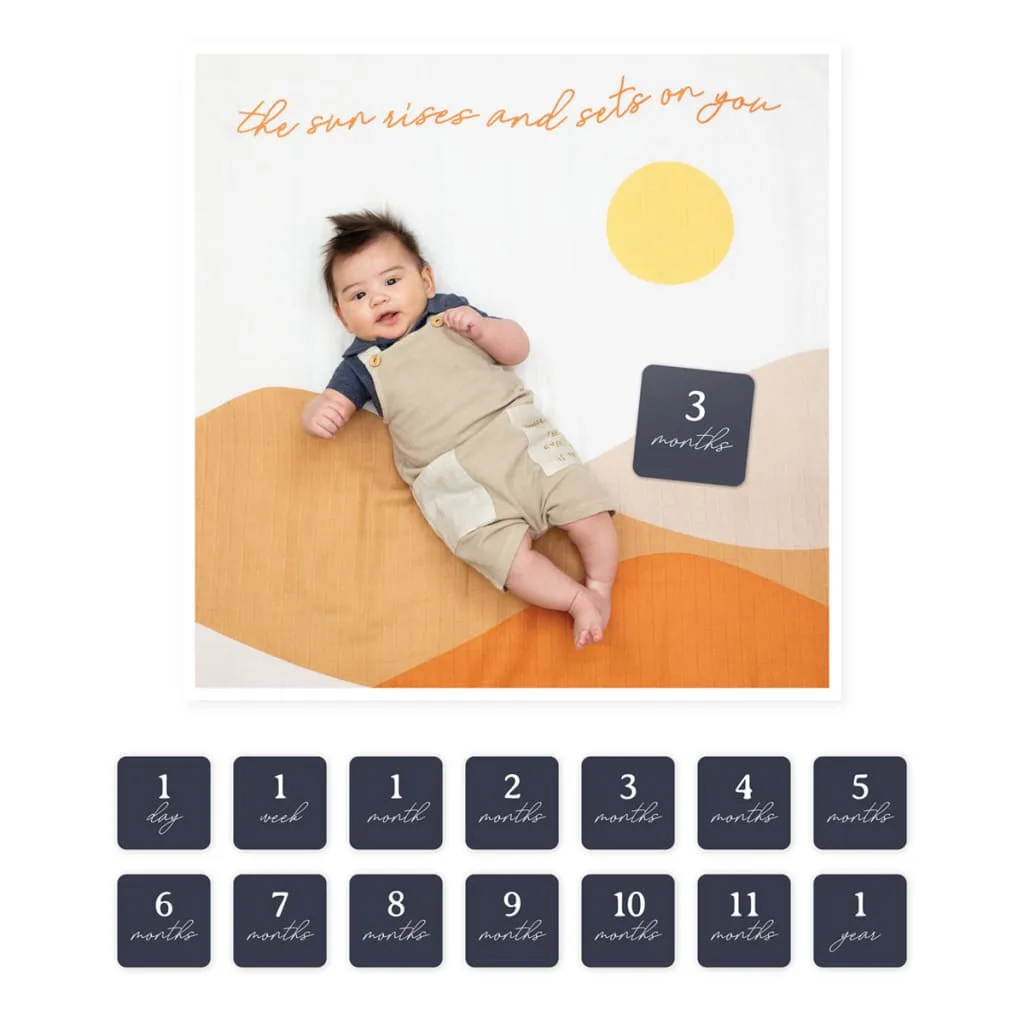
- Milestone Blanket: Extra-large muslin milestone blanket with coordinating double-sided milestone cards, sold as a ready-to-use photo backdrop set. The muslin texture is soft and breathable, so it doubles as a familiar comfort layer during supervised cuddles and tummy time, while the milestone cards give you a reason to use it regularly and build familiarity.
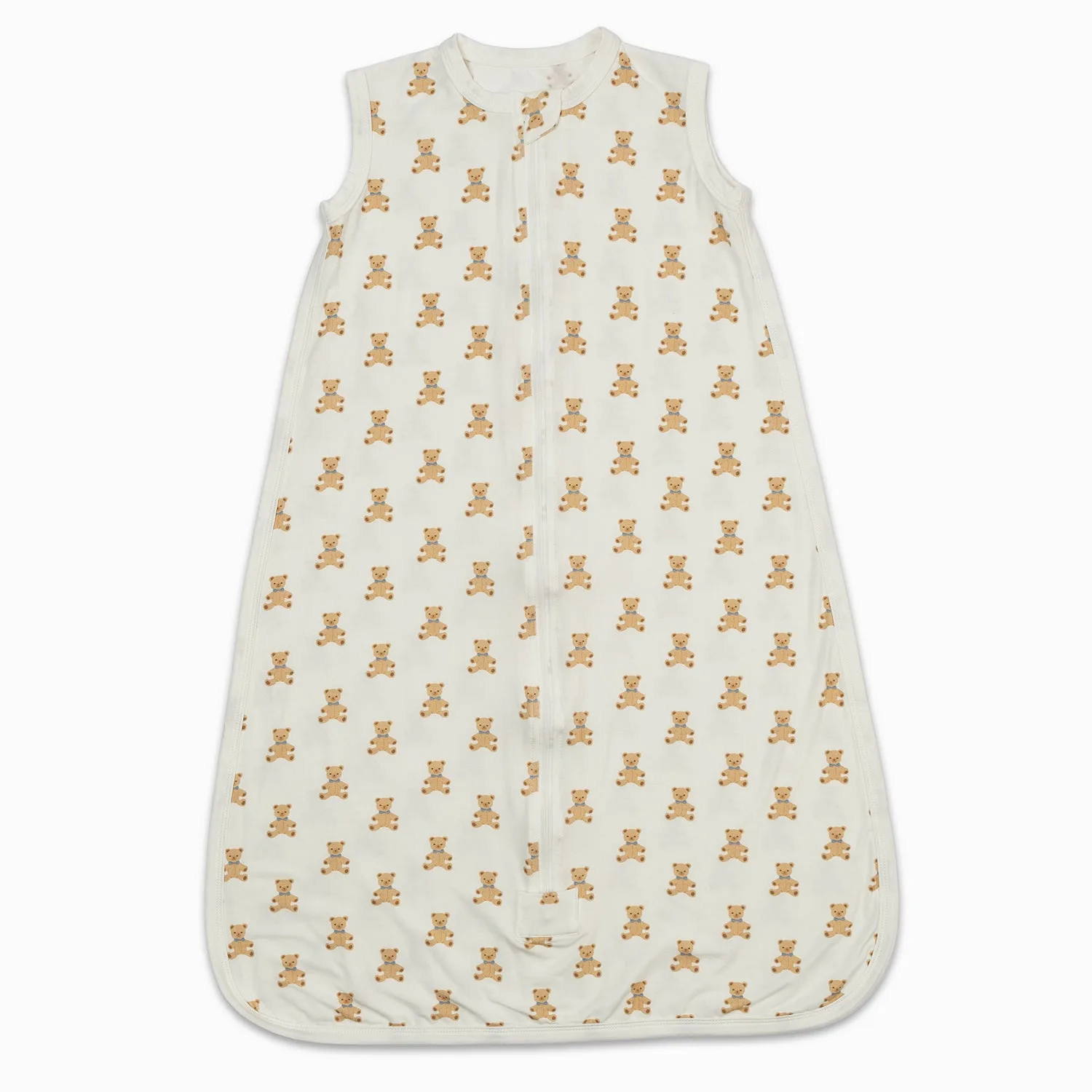
- Muslin Sleep Sack: 1.0 TOG cotton sleep sack with a sleeveless design, available in multiple colors and sizes. A wearable blanket keeps the crib free of loose bedding, which is the safest setup while you are building a lovey association during the day; the sleeveless cut allows movement and the 1.0 TOG weight suits year-round use in most nurseries.
- Kitty Cat Gift Bundle: Kitty Cat Gift Bundle with a 2-pack of Kitty Cat and Flower Fields swaddle blankets plus coordinating essentials. A two-pack gives you a spare, so one swaddle can become the designated lovey while the other stays clean, which matters when a favorite comfort object needs washing.
Is a lovey the right choice for your baby?
Best for
- Babies 6 to 12 months who roll and sit independently and need a consistent sleep cue
- Parents who want a washable, breathable comfort object that travels easily
- Families building a bedtime routine and looking for a small, safe crib addition
Not for
- Babies under 6 months or not yet rolling, who should have an empty crib
- Parents looking for a sleep-training solution; a lovey supports routine but does not replace parental soothing
- Babies who already sleep well and have no need for an added object in the crib