Acne-prone skin can be frustrating to manage, especially when it comes to finding the right products that treat breakouts without causing irritation. Serums are a powerful addition to any skincare routine because they deliver concentrated active ingredients deep into the skin. But with so many options on the market, choosing the right serum for acne-prone skin can feel overwhelming.
In this guide, we break down exactly what to look for in a clarifying serum, which ingredients work best for acne-prone skin, and how to incorporate serums into your daily routine. Whether you're dealing with occasional pimples or persistent breakouts, the right acne treatment products can make all the difference.
Why Serums Are Essential for Acne-Prone Skin
Serums are lightweight, fast-absorbing formulas that deliver high concentrations of active ingredients to the skin. For acne-prone skin, serums can target excess oil, clogged pores, inflammation, and post-acne marks. Unlike heavy moisturisers, serums penetrate deeper without clogging pores, making them ideal for oily and combination skin types.
Using a serum specifically formulated for acne-prone skin can help regulate sebum production, reduce redness, and prevent future breakouts. The key is to choose serums with non-comedogenic ingredients that soothe rather than strip the skin. A well-chosen serum can complement your cleanser and moisturiser, creating a balanced routine that supports clearer skin over time.
- Look for serums with niacinamide, salicylic acid, or azelaic acid for acne-fighting benefits.
- Avoid heavy oils and fragrances that can irritate sensitive acne-prone skin.
Key Ingredients to Look for in an Acne Serum
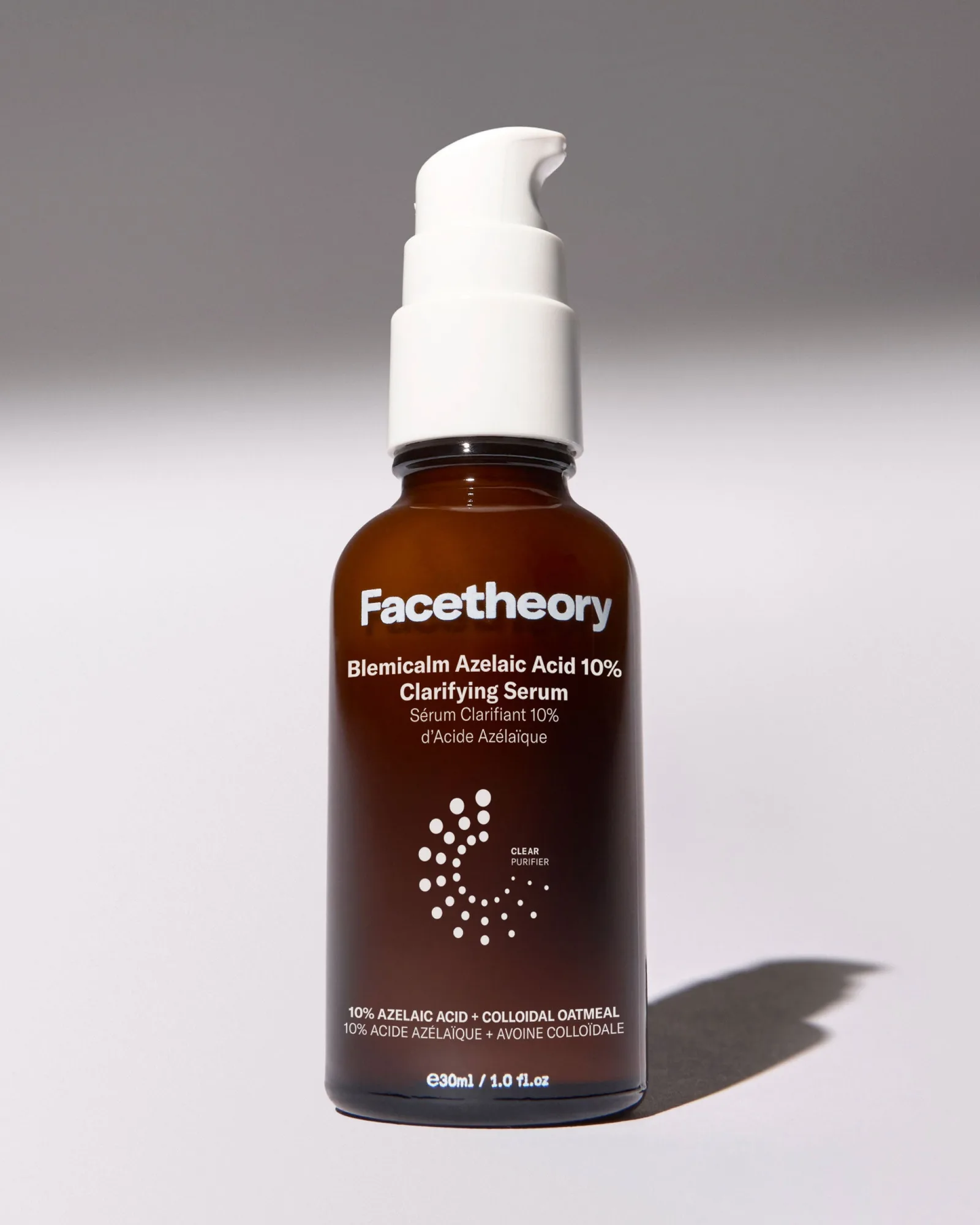
The most effective serums for acne-prone skin contain ingredients that address multiple aspects of acne: reducing bacteria, unclogging pores, calming inflammation, and fading dark spots. Niacinamide is a standout ingredient because it regulates oil production, strengthens the skin barrier, and reduces redness. Salicylic acid (BHA) exfoliates inside the pores, while azelaic acid targets acne and hyperpigmentation without causing sensitivity.
Another powerful option is vitamin C, which brightens post-acne marks and provides antioxidant protection. For those with sensitive skin, look for soothing ingredients like centella asiatica or green tea extract. A serum like Porebright Niacinamide 10% Refining Serum combines high-strength niacinamide with other skin-refining actives to visibly reduce pores and control shine.
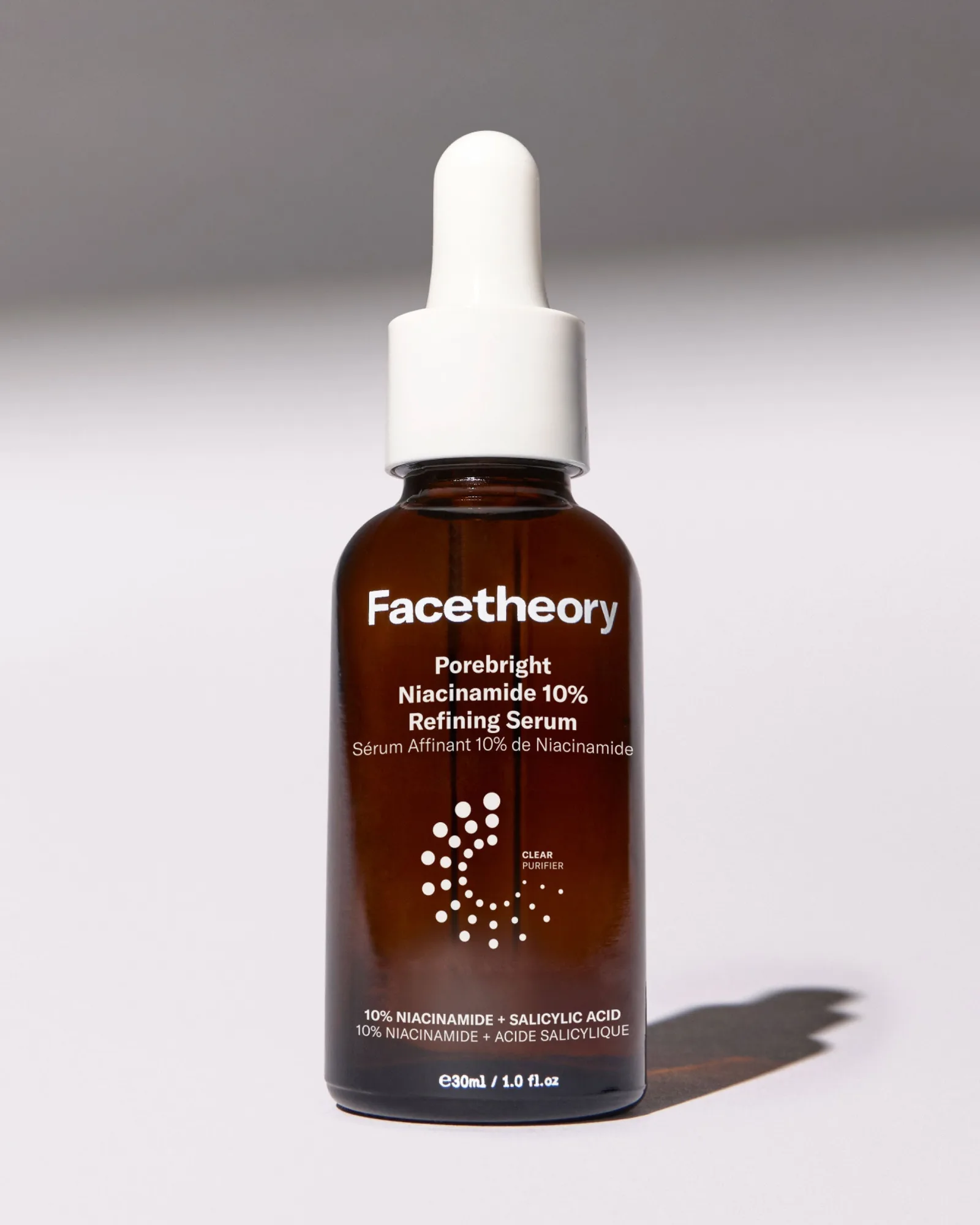
Porebright Niacinamide 10% Refining Serum
- Niacinamide: balances oil and soothes inflammation.
- Salicylic acid: exfoliates inside pores to prevent blackheads and whiteheads.
- Azelaic acid: fades dark spots and calms redness.
- Vitamin C: brightens and protects against environmental damage.
How to Incorporate a Serum into Your Acne Routine
To get the most out of your acne serum, apply it after cleansing and toning but before moisturising. Start with a small amount (2-3 drops) and gently press it into damp skin for better absorption. If you are new to active ingredients, introduce the serum gradually—use it every other day at first to see how your skin reacts.
Always follow up with a non-comedogenic moisturiser to maintain hydration, as some acne-fighting ingredients can be drying. For daytime, choose a serum that layers well under sunscreen. For nighttime, consider a serum with retinol or azelaic acid to work while you sleep. Avoid layering too many strong actives at once to prevent irritation.
- Apply serum to clean, slightly damp skin for best absorption.
- Start with every-other-day use if you have sensitive skin.
- Always finish with a moisturiser and sunscreen in the morning.
Common Mistakes When Choosing an Acne Serum
One of the biggest mistakes people make is choosing a serum that is too harsh for their skin type. Strong exfoliating serums can strip the skin barrier, leading to more breakouts and sensitivity. Another common error is skipping moisturiser after serum application, thinking that oily skin doesn't need hydration. In reality, dehydrated skin can produce even more oil to compensate.
Also, avoid serums with high concentrations of alcohol or essential oils, which can irritate acne-prone skin. Always patch-test a new serum on your jawline or behind your ear before applying it to your entire face. Finally, be patient—acne treatments typically take 4-6 weeks to show visible results, so consistency is key.
- Don't over-exfoliate; stick to one active ingredient per routine.
- Always moisturise after serum to keep the skin barrier healthy.
- Patch-test new serums to avoid unexpected reactions.
Top Product Recommendations for Acne-Prone Skin
When building your acne-fighting arsenal, look for serums that combine proven ingredients with gentle formulations. The Porebright Niacinamide 10% Refining Serum is an excellent choice for controlling oil and minimising pore appearance without irritation. It works well for both oily and combination skin types.
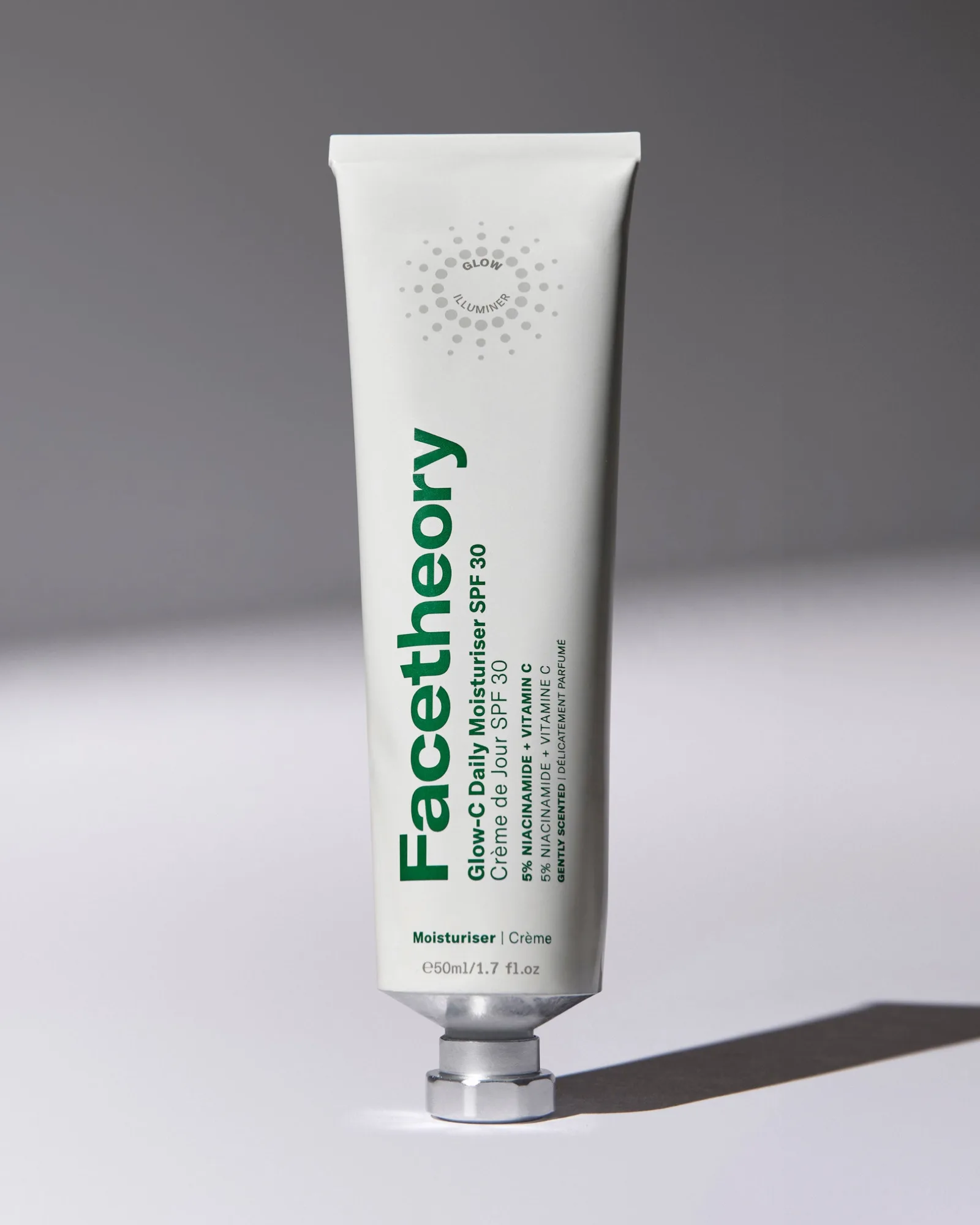
For those who prefer a multi-tasking product, the Glow-C Vitamin C Cream Cleanser offers antioxidant protection while gently cleansing, but for targeted serum treatment, the Porebright serum is a standout. Pair it with a lightweight moisturiser and a broad-spectrum sunscreen like the https://glamkitai.shop/products/glow-c-daily-moisturiser-spf-30-128018Glow-C Daily Moisturiser SPF 30 to protect your skin while it heals.
- Porebright Niacinamide 10% Refining Serum: refines pores and controls shine.
- Glow-C Daily Moisturiser SPF 30: daily protection with vitamin C.
Choosing the right serum for acne-prone skin doesn't have to be complicated. Focus on ingredients like niacinamide, salicylic acid, and azelaic acid, and always pair your serum with a gentle moisturiser and sunscreen. Start with a trusted option like the Porebright Niacinamide 10% Refining Serum to see how your skin responds, and stay consistent for the best results. Clearer, healthier skin is within reach with the right acne treatment products.