If you struggle with breakouts, congestion, or uneven texture, you may have heard the term clarifying serum but wondered what it actually does. Unlike a standard moisturiser or cleanser, a clarifying serum is a targeted treatment designed to address blemishes, reduce excess oil, and refine pores. It sits between cleansing and moisturising in your routine, delivering high concentrations of active ingredients to the skin where they are needed most.
Clarifying serums are especially popular among those with oily, combination, or acne-prone skin, but they can benefit anyone dealing with occasional breakouts or clogged pores. In this guide, we will explore what makes a clarifying serum different, who should use it, and how to choose the right one for your skin type.
What Is a Clarifying Serum?
A clarifying serum is a lightweight, fast-absorbing formula packed with active ingredients that target blemishes, excess sebum, and dullness. Unlike a heavy moisturiser, it penetrates deeply into the pores to dissolve impurities and regulate oil production. Common ingredients include salicylic acid, niacinamide, azelaic acid, and zinc, all known for their anti-inflammatory and pore-clearing properties.
These serums are typically water-based, making them ideal for layering under a moisturiser or sunscreen. They work by exfoliating the skin's surface, calming redness, and preventing future breakouts. For best results, apply a clarifying serum after cleansing and before moisturising, both morning and night depending on the formula's strength.
- Helps unclog pores and reduce blackheads and whiteheads
- Controls excess oil without stripping the skin
- Soothes inflammation and redness associated with breakouts
- Improves overall skin texture and clarity over time
Key Ingredients in a Clarifying Serum
The effectiveness of a clarifying serum depends on its active ingredients. Azelaic acid is a standout choice because it gently exfoliates, reduces inflammation, and brightens dark spots left by blemishes. It is also safe for sensitive skin and can be used daily. Niacinamide (vitamin B3) is another powerhouse that strengthens the skin barrier, regulates sebum, and minimises pore appearance.
Salicylic acid (beta-hydroxy acid, or BHA) is oil-soluble, meaning it can penetrate deep into pores to dissolve blockages. Zinc PCA helps control oil and has antimicrobial properties. Some serums also include soothing botanicals like green tea or aloe vera to calm irritation. A well-formulated clarifying serum combines these ingredients to deliver visible results without causing dryness or irritation.
- Azelaic acid: reduces redness, fades post-acne marks, and kills acne-causing bacteria
- Niacinamide: balances oil production, improves pore size, and strengthens the skin barrier
- Salicylic acid: exfoliates inside pores, preventing clogs and blackheads
- Zinc PCA: controls sebum and has anti-inflammatory benefits
Who Should Use a Clarifying Serum?
Clarifying serums are ideal for anyone with oily, combination, or acne-prone skin. If you frequently experience breakouts, blackheads, or whiteheads, a clarifying serum can help keep your skin clear and balanced. They are also beneficial for those with hormonal acne, as they help manage flare-ups without harsh side effects.
Even if you don't have active acne, a clarifying serum can be a great addition to your routine if you struggle with clogged pores, dullness, or uneven texture. People with dry or sensitive skin should choose a gentle formula, such as one with azelaic acid or niacinamide, and avoid high concentrations of salicylic acid. Always patch test a new product before full application.
- Oily and combination skin types: helps control shine and prevent breakouts
- Acne-prone skin: reduces active blemishes and prevents new ones
- Normal skin with occasional breakouts: maintains clarity and smoothness
- Sensitive skin: opt for soothing ingredients like azelaic acid and niacinamide
How to Incorporate a Clarifying Serum into Your Routine
To get the most out of a clarifying serum, apply it after cleansing and toning but before moisturising. Start with a small amount—usually a pea-sized drop—and gently press it into your skin. If you are new to active ingredients, begin by using the serum every other day to let your skin adjust. Over time, you can increase to twice daily if your skin tolerates it well.
Always follow with a moisturiser to maintain hydration and a sunscreen in the morning, as some clarifying ingredients can increase sun sensitivity. Avoid layering too many strong actives at once, such as combining a clarifying serum with a retinol or strong exfoliant. If you are unsure, consult a dermatologist or stick to a simple routine with one active product at a time.
- Morning routine: cleanse, tone, apply clarifying serum, moisturise, then SPF
- Evening routine: double cleanse, tone, apply clarifying serum, then moisturiser
- Start slow: use every other night for the first two weeks
- Avoid mixing with other strong exfoliants or retinol initially
Why Choose a Clarifying Serum with Azelaic Acid?
Azelaic acid is one of the most versatile ingredients in clarifying serums. It works by reducing inflammation, killing acne-causing bacteria, and fading hyperpigmentation. Unlike salicylic acid, which can be drying, azelaic acid is gentle and suitable for sensitive skin. It also helps with rosacea and redness, making it a multi-tasking ingredient for blemish-prone and reactive skin types.
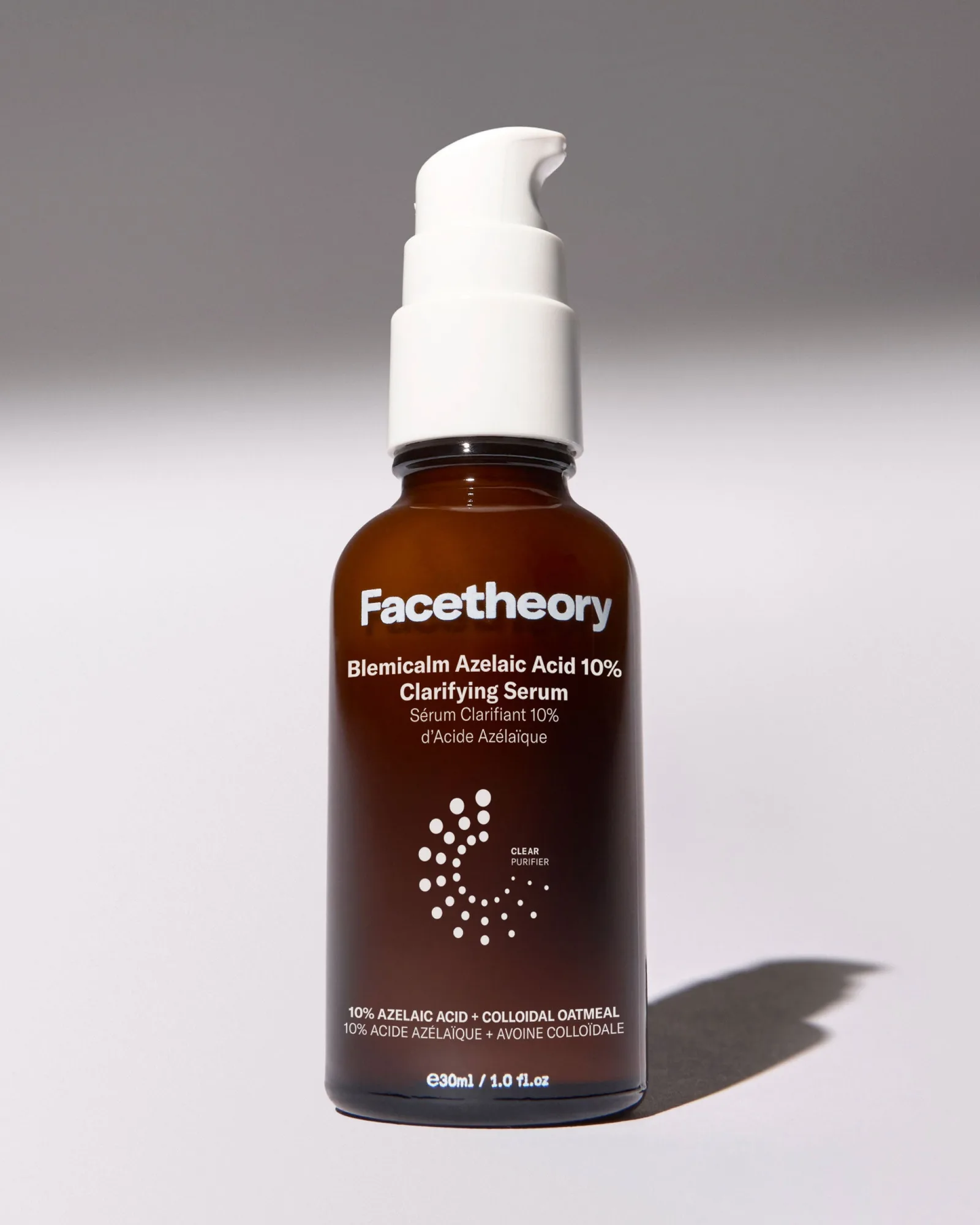
For those seeking an effective yet gentle option, the Blemicalm Azelaic Acid 15% Clarifying Serum is an excellent choice. It combines 15% azelaic acid with soothing ingredients to calm breakouts and improve skin clarity without irritation. This serum is designed for daily use and can be layered under your moisturiser and sunscreen for consistent results.
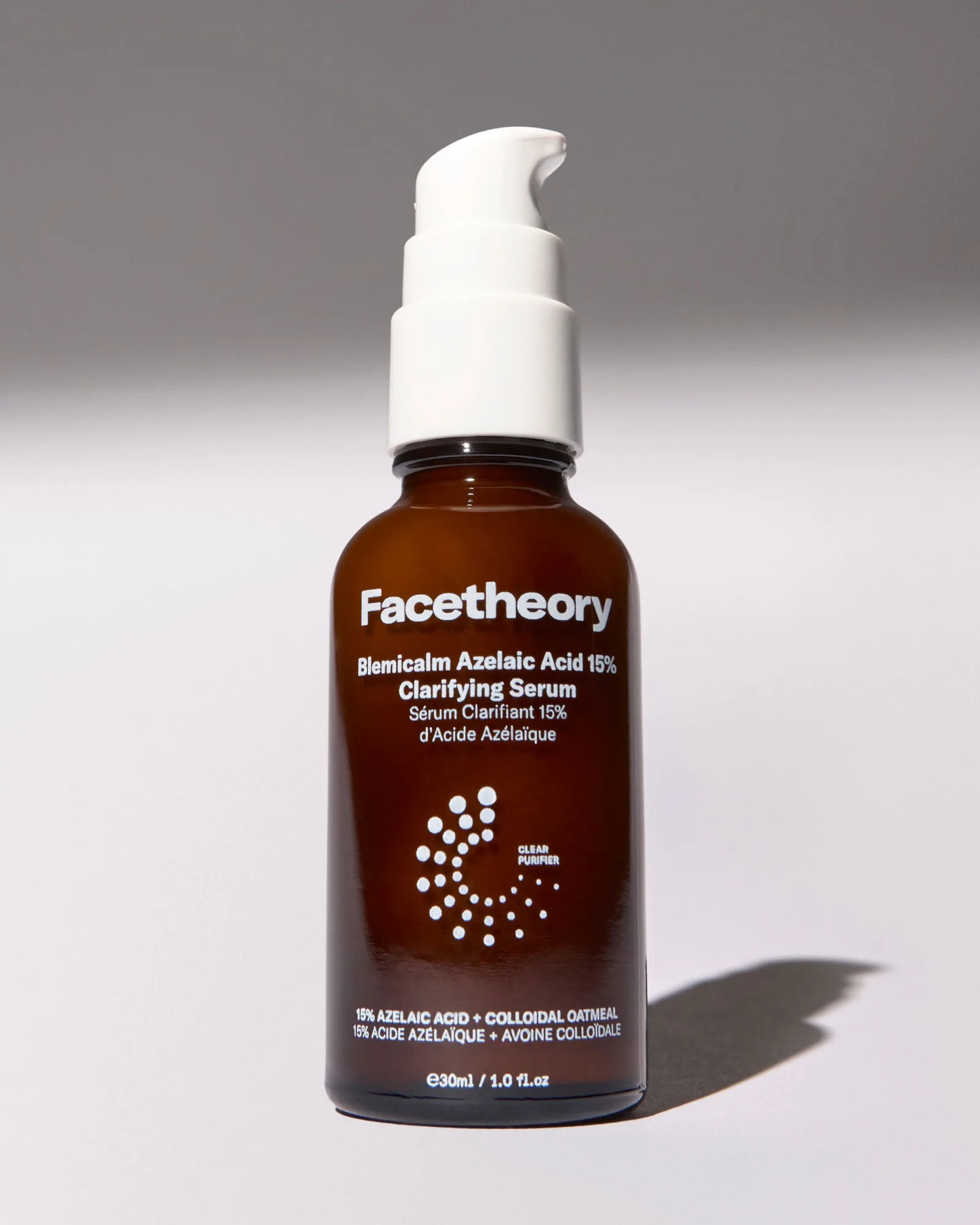
Blemicalm Azelaic Acid 15% Clarifying Serum
Common Mistakes to Avoid When Using a Clarifying Serum
One of the most common mistakes is using too much product. A clarifying serum is concentrated, so a small amount is enough to cover your face. Over-application can lead to dryness, redness, or irritation. Another mistake is skipping moisturiser. Even if your skin is oily, hydration is essential to maintain a healthy skin barrier and prevent rebound oil production.
Also, avoid combining multiple strong actives in the same routine. For example, using a clarifying serum with a strong BHA toner and a retinol cream can overwhelm your skin. Stick to one active per routine and listen to your skin. If you experience stinging, peeling, or excessive dryness, reduce frequency or switch to a gentler formula.
- Use only a pea-sized amount—more is not better
- Always follow with a moisturiser to prevent dryness
- Do not mix with other strong exfoliants or retinoids at first
- Patch test on a small area before full-face application
Clarifying Serum vs. Other Acne Treatments
Clarifying serums differ from spot treatments, which are applied directly to individual blemishes. While spot treatments are great for targeting a single pimple, clarifying serums work across the entire face to prevent breakouts and improve overall skin texture. They are also different from exfoliating toners, which are more liquid and often used to remove dead skin cells, whereas serums deliver higher concentrations of active ingredients.
For those with persistent acne, a clarifying serum can be a core part of a comprehensive routine. Pairing it with a gentle cleanser and a non-comedogenic moisturiser yields the best results. If you have severe acne, consult a dermatologist to determine if prescription treatments are needed alongside over-the-counter products.
- Clarifying serums: full-face prevention and texture improvement
- Spot treatments: targeted, high-concentration blemish control
- Exfoliating toners: surface exfoliation, less concentrated than serums
- Best used together in a balanced routine, not all at once
Frequently Asked Questions About Clarifying Serums
Can I use a clarifying serum every day? Yes, most gentle formulas like those with azelaic acid or niacinamide are safe for daily use. Start with once a day and adjust as needed. Will it dry out my skin? A well-formulated clarifying serum should not be overly drying, especially if you follow with a good moisturiser. Look for hydrating ingredients like glycerin or hyaluronic acid.
Can I use it with retinol? It is best to avoid layering strong actives. Use the clarifying serum in the morning and retinol at night, or alternate days. How long until I see results? Most people notice a reduction in breakouts and improved texture within 4 to 6 weeks of consistent use. Patience and consistency are key.
- Daily use is fine with gentle formulas like azelaic acid or niacinamide
- Always moisturise after to prevent dryness
- Use retinol at a different time of day or on alternate nights
- Give it 4–6 weeks to see noticeable improvements
A clarifying serum is a powerful addition to any skincare routine aimed at achieving clearer, smoother, and more balanced skin. Whether you deal with hormonal breakouts, clogged pores, or excess oil, the right formula can make a significant difference. For a gentle yet effective option, consider the Blemicalm Azelaic Acid 15% Clarifying Serum, which combines proven ingredients to calm inflammation and refine your complexion without irritation.