Quick answer
For most beginners, a 4–5 inch hand-hammered bowl with a medium-low tone is the safest first buy: it's easy to hold, easy to strike, and forgiving to play. If you mainly want sound for meditation, prioritize tone and sustain; if you want a bowl for travel or a small space, prioritize size and weight. Let your intended use—not the prettiest finish—make the decision.
Start with size: match the bowl to your hands and your room
Size determines how a bowl feels to hold, how loud it can get, and how long it rings. A 3–4 inch bowl sits in one palm and produces a bright, focused tone—good for personal meditation or a bedside table. A 4–5 inch bowl is the beginner sweet spot: still portable, but with enough metal to produce a fuller, longer sustain. Bowls 6 inches and up sound richer and carry across a room, but they get heavy fast and need a stable cushion or stand.
Measure your hand before you shop. If you can comfortably cradle a grapefruit, a 4–5 inch bowl will feel natural. If your hands are small or you plan to hold the bowl while playing, stay at 4 inches or under. If the bowl will live on an altar or in a yoga studio, size up—you'll gain resonance and won't have to hold it.
- 3–4 inches: quiet rooms, travel, one-hand holding, bright tone
- 4–5 inches: best all-round beginner size; balanced volume and sustain
- 6 inches and up: group meditation, studio use, deeper tone, heavier weight
Read the tone: what 'best' actually means for you
There is no single best singing bowl tone—there's only the tone that fits how you'll use it. A higher-pitched bowl cuts through background noise and works well for short, alerting chimes at the start of a session. A lower-pitched bowl produces a slower, more grounding hum that many people prefer for longer meditation. Hand-hammered bowls tend to have more complex overtones; machine-made bowls are more consistent from one to the next.
Listen before you commit if you can. Strike the bowl gently with the mallet, then rim-play it in slow circles. Notice two things: how long the sound lasts, and whether the tone feels pleasant or harsh to your ear. A bowl that sounds dull when struck may still open up when rim-played—and a bowl that's loud on the strike may be too much for a small apartment.
Match the bowl to your main use
If your main use is singing bowl meditation, choose for sustain and a tone you can listen to for 10–20 minutes without fatigue—usually a medium-low pitch in the 4–5 inch range. If your main use is sound healing for others, a larger bowl with a long sustain gives you more to work with, but you'll also want a second, smaller bowl for contrast. If your main use is decoration or occasional ambience, prioritize the finish and size that fits your shelf, and accept a shorter sustain.
Think about your mallet, too. A soft mallet produces a mellow, rounded tone; a hard mallet produces a sharper strike. Many beginners buy a bowl and then discover the included mallet is the wrong feel—so if you can, test both before deciding the bowl itself is wrong.
Trade-offs worth accepting
Bigger bowls sound fuller but cost more and are harder to store and carry. Hand-hammered bowls have character but vary more from bowl to bowl, so two 'identical' sizes may sound different. Cheaper bowls can sound thin or have a short sustain, but they're fine for casual use. There's no spec sheet that guarantees a 'good' bowl—your ear and your intended use are the real criteria.
If a product page doesn't list the exact diameter, weight, or note, treat that as a decision limitation: you can't compare it numerically, so ask the seller or choose a listing that does state those details. Don't guess a size from a photo.
Decision rules for your first singing bowl
- Choose by room, not by photo: Small room or apartment: stay at 4–5 inches so volume stays controllable. Large room or studio: go 6 inches and up for projection. If you can't decide, default to 4–5 inches.
- Choose by session length: Short sessions (under 10 minutes): a brighter, higher tone keeps you alert. Long sessions (15+ minutes): a lower, slower tone is easier to listen to. Match tone to how long you'll actually sit.
- Choose by who's listening: Just you: prioritize the tone you personally like. Others too: prioritize sustain and a bowl that fills the room without being struck hard. Solo practice gives you the most freedom.
- Check the mallet before blaming the bowl: Soft mallet = mellow tone; hard mallet = sharper strike. Try both before deciding the bowl is wrong. The mallet is half the sound.
- Treat missing specs as a stop sign: If diameter, weight, or note aren't listed, you can't compare it fairly—ask the seller or pick a listing that states them. Don't guess size from a photo.
Products that pair well with a singing bowl practice
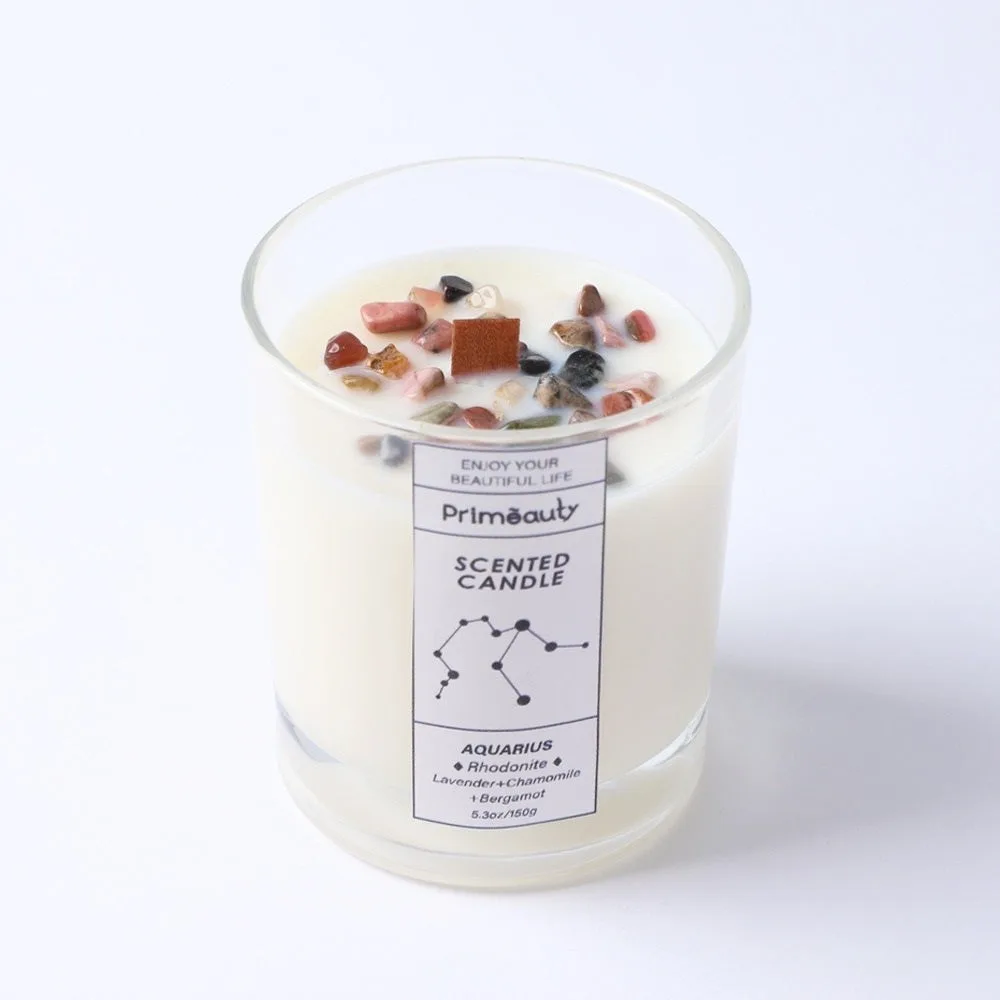
- Zodiac Gemstone Scented Candle: Zodiac Gemstone Scented Candle: 'Lighting up one of these is known to shine a light that brings a sense of warmth and calmness to your surroundings, allowing you to create a space where you can more easily get inspired.' A candle can set the room tone before you strike the bowl, so your session starts calm instead of rushed.
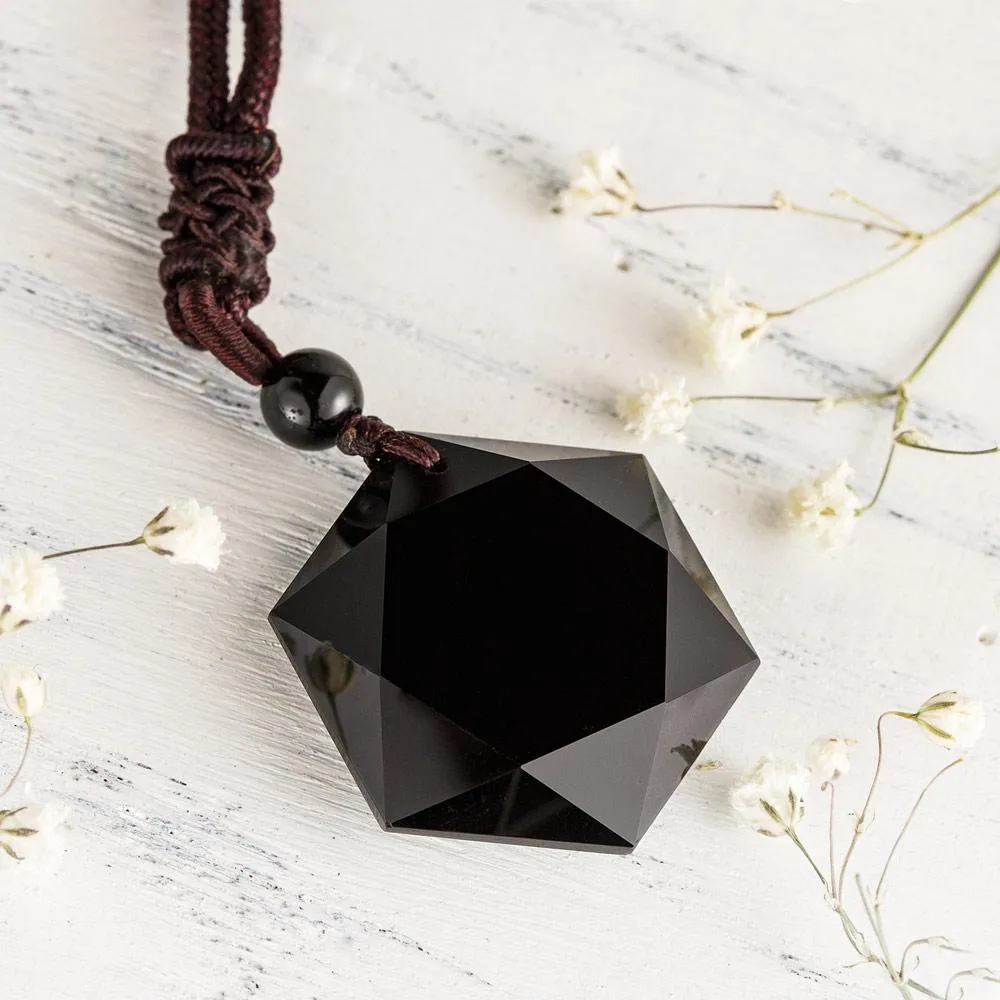
- Obsidian Vitality Necklace: Obsidian Vitality Necklace: 'Black Obsidian is a powerful cleanser of psychic smog created within your aura and is a strong psychic protection stone.' If you wear a necklace during meditation, a low-profile piece like this keeps the focus on sound rather than adjusting jewelry.
Who this approach fits
Best for
- First-time buyers who want one bowl for personal meditation
- People who need a portable bowl for travel or small spaces
- Anyone who wants a clear size and tone starting point before shopping
Not for
- Buyers who need a matched set for professional sound healing
- Collectors seeking a specific antique or rare note
- Anyone who wants a bowl chosen purely for shelf decor