Quick answer
Choose your ski goggle lens based on the light conditions you expect. For sunny days, pick a lens with a low VLT (10-25%) and a darker tint. For cloudy or low-light days, choose a high VLT (60-90%) with a lighter tint. For variable conditions, a mid-range VLT (30-50%) or a photochromic lens offers flexibility. Always ensure the lens fits your goggle frame and helmet for comfort and safety.
When you're carving down a sun-drenched slope, the last thing you want is a lens that makes the snow blindingly bright. Conversely, on a flat, overcast day, a lens that's too dark can make the terrain disappear. Choosing the right ski goggle lens for the conditions isn't just about comfort—it's about safety and seeing obstacles clearly.
This guide breaks down the key factor—VLT—and explains how different tints suit different weather. We'll also touch on fit, because a lens that doesn't sit well in your frame can ruin the whole experience. By the end, you'll know exactly what to look for when shopping for your next pair of goggles.
Understanding VLT: The Key to Lens Selection
VLT stands for Visible Light Transmission, which is the percentage of visible light that passes through the lens. A low VLT (like 10%) means the lens is dark and blocks most light, ideal for bright, sunny days. A high VLT (like 90%) means the lens is nearly clear, perfect for night skiing or heavy cloud cover.
For most recreational skiers, a mid-range VLT around 30-50% works well for partly cloudy days. But if you ski in varied conditions, you might want a lens that adapts. Some goggles offer interchangeable lenses, while others feature photochromic lenses that adjust tint automatically.
- Low VLT (10-25%): Bright, sunny days
- Mid VLT (30-50%): Partly cloudy or mixed conditions
- High VLT (60-90%): Overcast, foggy, or low-light
Lens Tints and Their Impact
Beyond VLT, the color of the lens affects contrast and depth perception. For example, amber or rose tints enhance contrast in flat light, making bumps and contours more visible. Gray or black tints preserve true color and reduce brightness without distorting, which is great for sunny days.
If you often ski in cloudy or flat light, a yellow or orange lens can help you see terrain details. For sunny days, a bronze or copper tint can improve contrast on bluebird days. Some lenses are mirrored, which reduces glare but doesn't necessarily change VLT—so check the spec.
- Amber/rose: Boosts contrast in low light
- Gray/black: Reduces brightness, true color
- Yellow/orange: Enhances depth in flat light
Fit and Compatibility: Don't Overlook the Frame
A great lens is useless if it doesn't fit your face or your helmet. Goggles come in different sizes, and the lens shape is designed for a specific frame. When buying replacement lenses, ensure they are compatible with your goggle model. Also, consider how the goggles integrate with your helmet—there should be no gap between them.
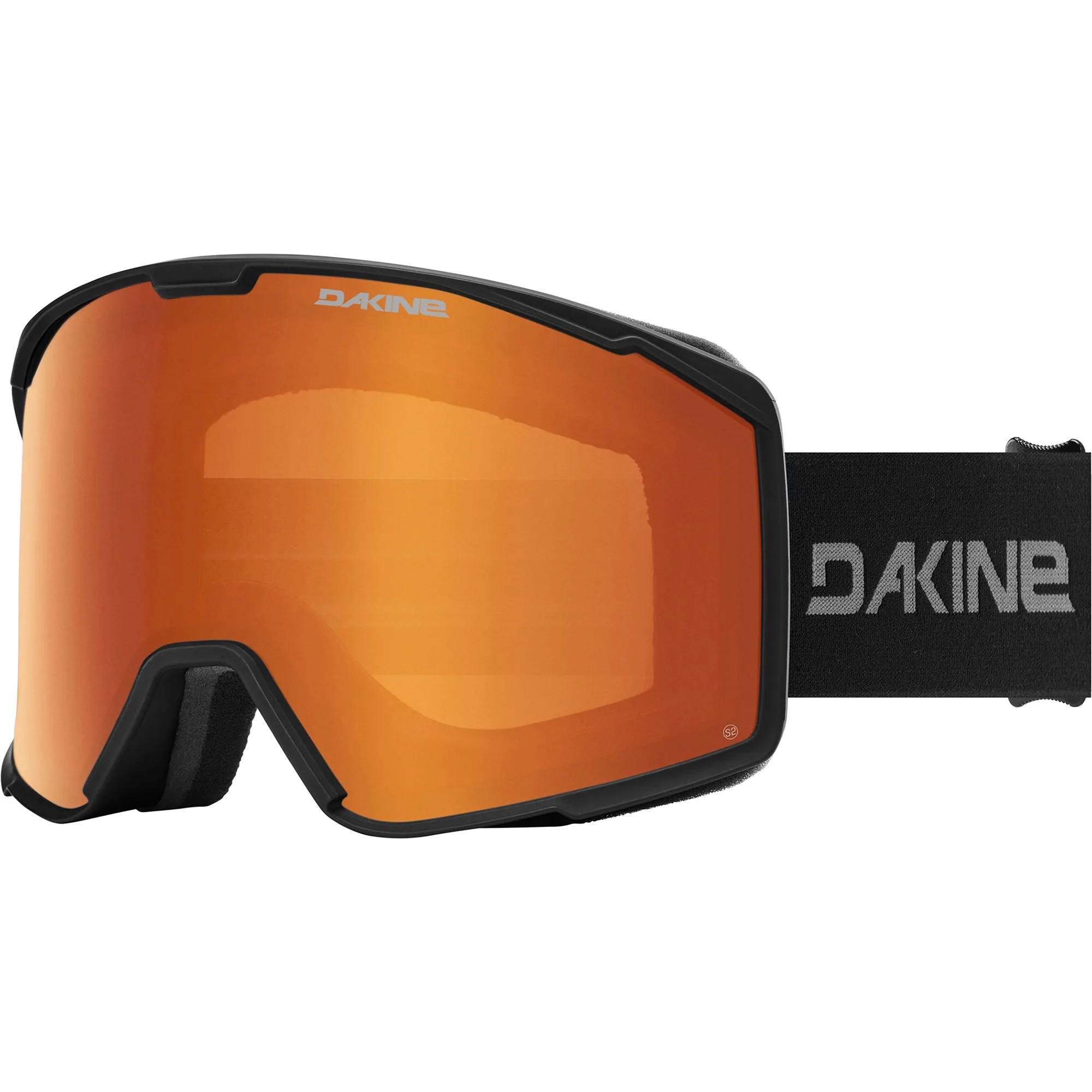
The Dakine Venue Snow Goggle features a 100% Recycled TPU softFLEX frame that conforms to your face, and its generous design provides enhanced on-mountain visibility and helmet integration. This means you can trust it to sit comfortably with your helmet and offer a wide field of view.
- Check lens compatibility with your goggle model
- Ensure a snug fit against your face and helmet
- Look for features like soft frames for comfort
Decision Rules for Lens Selection
- Check the weather forecast: Look at the expected sunlight and cloud cover for your ski day. If it's sunny, plan for a low VLT lens; if it's cloudy, choose high VLT. Match your lens to the brightest conditions you'll face.
- Assess your typical terrain: If you ski in trees or on moguls, you'll want a lens that enhances contrast, like amber or rose. For open bowls, a gray lens might be better. Contrast-enhancing tints help in varied terrain.
- Consider interchangeable lenses: If you ski in changing conditions, look for goggles that offer multiple lenses or a quick-change system. This gives you flexibility without buying multiple goggles. Versatility pays off for all-day skiers.
Product Facts
- Venue Snow Goggle - Black/Amber: The 100% Recycled TPU softFLEX frame conforms to your face, while the generous frame design provides enhanced on mountain visibility and helmet integration. This means the goggle offers a comfortable, adaptive fit that works well with your helmet, and the large frame helps you see more of the terrain—critical for spotting obstacles.
- Venue Snow Goggle - Black/Amber: The wide 45mm plant-based Sorona® strap with dual silicone lining, upper and lower foam vents, and 100% recycled dual strap adjustment means the Venue delivers maximum comfort. A secure, comfortable strap keeps the goggle in place all day, and the foam vents reduce fogging, so you maintain clear vision even during intense activity.
Fit Guidance
Best for
- Skiers who want a comfortable, adaptive frame that conforms to their face
- Those who prioritize helmet integration and a wide field of view
Not for
- Skiers who need a specific lens tint not offered in the Venue model
- Those on a tight budget looking for the cheapest option
Choosing the right ski goggle lens doesn't have to be complicated. Start with the VLT to match brightness, then consider tint for contrast, and finally ensure the goggle fits well with your helmet. With these rules, you'll enjoy clear vision and a safer ride on every condition.