Choosing the right sleeping bag temperature rating can make or break your camping trip. Sleep too cold and you'll toss all night; sleep too warm and you'll wake up sweaty and uncomfortable. Understanding how temperature ratings work is the first step to a great night under the stars.
In this guide, we'll break down the differences between comfort, limit, and extreme ratings, explain how seasonality affects your choice, and share tips for matching a bag to your body and camping style. Plus, we'll highlight some Klymit gear that pairs perfectly with your sleeping bag for maximum comfort.
Understanding Temperature Ratings: Comfort vs. Limit vs. Extreme
Most sleeping bags come with three temperature numbers: comfort, limit, and extreme. The comfort rating is the temperature at which a 'cold sleeper' (usually a woman) can sleep comfortably. The limit rating is the lowest temperature at which a 'warm sleeper' (usually a man) can still sleep without shivering. The extreme rating is the survival temperature—it's not about comfort, just about preventing hypothermia.
When you're comparing bags, always look at the comfort rating first. If you tend to sleep cold, aim for a bag with a comfort rating that's 10-15°F lower than the coldest temperature you expect. For example, if you camp in 30°F weather, a bag with a comfort rating of 20°F will keep you cozy. Remember, these ratings are based on a standard person with a sleeping pad and wearing base layers—your experience may vary.
- Comfort rating: for cold sleepers, typically women
- Limit rating: for warm sleepers, typically men
- Extreme rating: survival only, not for comfort
- Always check the comfort rating, not the limit, when choosing for yourself
Seasonality: Matching the Bag to the Weather
Sleeping bags are often categorized by season: 1-season (summer), 2-season (spring/fall), 3-season (most campers), and 4-season (winter). A 3-season bag typically has a comfort rating around 30-40°F, while a 4-season bag drops to 0°F or below. If you're a fair-weather camper, a 3-season bag is versatile enough for most trips from early spring to late fall.
For winter camping or high-altitude trips, you'll need a 4-season bag with a comfort rating below 20°F. But remember, a warmer bag is heavier and bulkier, which matters if you're backpacking. If you're car camping, weight is less of an issue, so you can prioritize warmth. Always check the forecast and plan for the coldest night, not just the average.
How Your Sleeping Pad Affects Temperature
Your sleeping bag insulates you from the air, but your sleeping pad insulates you from the ground. Cold ground can suck heat out of your body even if your bag is rated for the temperature. That's why pairing your bag with an insulated sleeping pad is crucial, especially in cooler weather.
Klymit's Insulated Static V2 Sleeping Pad is a great choice for 3-season camping. Its V-chamber design traps warm air and reduces heat loss, while the built-in insulation adds an extra layer of warmth. For extra comfort, the Insulated Static V Luxe Sleeping Pad offers more thickness and a softer surface, making it ideal for side sleepers or those who want a plusher feel. Both pads work seamlessly with any sleeping bag to keep you warm from below.
Choosing the Right Bag for Your Camping Style
Backpackers need a bag that's lightweight and compressible, while car campers can afford a heavier, more spacious bag. If you're backpacking, look for a bag with a lower fill power (like 650 or 700) down or a high-quality synthetic that packs small. For car camping, you can choose a bag with more room to move and a flannel or fleece lining for extra coziness.
Also consider the shape: mummy bags are more efficient at retaining heat but can feel restrictive, while rectangular bags offer more space but are less warm. If you're a side sleeper, a mummy bag with a roomier footbox or a semi-rectangular cut might be more comfortable. And don't forget about accessories like a liner—a silk or fleece liner can add 5-10°F of warmth to any bag without adding much weight.
Klymit Sleeping Bags and Complementary Gear
While Klymit is best known for sleeping pads and pillows, their sleeping bags are designed with the same attention to detail. The Klymit sleeping bags use innovative materials and construction to maximize warmth while minimizing weight, making them a solid choice for backpackers and campers alike.
To complete your sleep system, consider adding a Klymit Luxe Camping Pillow. A good pillow keeps your neck aligned and prevents heat loss from your head, which can be significant. And if you're using an inflatable pad, the Quick Connect Female valve makes inflation and deflation fast and easy, so you can set up camp in minutes and spend more time enjoying the outdoors.
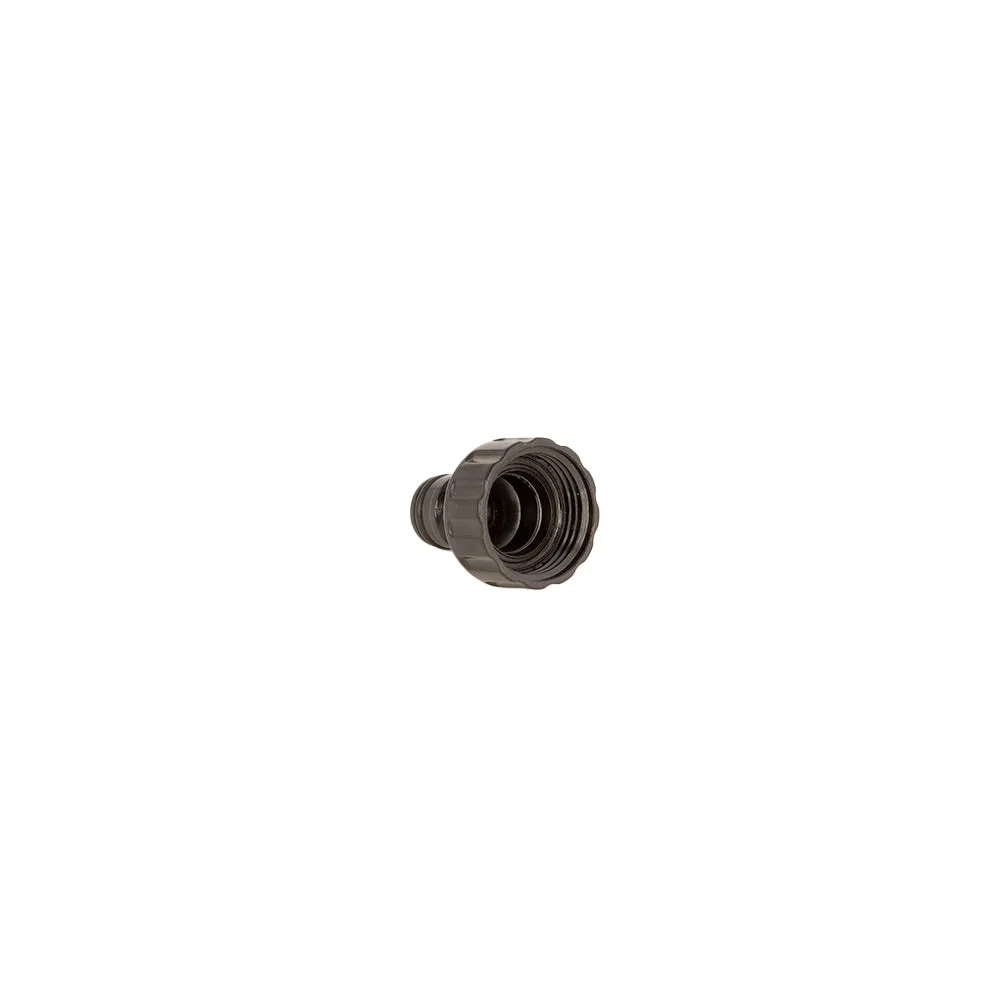
Quick Connect Female
Choosing the right sleeping bag temperature rating is all about understanding your own warmth needs and the conditions you'll face. Start with the comfort rating, factor in your sleeping pad and pillow, and don't forget to test your setup at home before heading out. For a reliable sleep system, pair your bag with a Klymit insulated pad and a cozy pillow—you'll thank yourself on those chilly nights.