Quick Answer
For hot weather, choose one lightweight, breathable layer — sheer mesh or stretch lace — and skip anything heavy or tight. For cold weather, choose a long-sleeve one-piece or nightie in a warmer knit, or layer a lace piece under a cozy robe. If you want a single set that works year-round, start with a breathable fabric and add warmth with layers rather than buying two separate wardrobes.
Most people buy sleepwear by look, then wonder why they wake up at 3 a.m. either sweating or shivering. The fix isn't a bigger drawer — it's matching fabric weight and fit to the temperature of your bedroom, not the season on the calendar.
This guide gives you decision rules for both ends of the thermometer, plus honest trade-offs so you don't overbuy. You'll also see how a few real pieces from our catalog fit into each scenario.
Start With Your Bedroom, Not the Season
Your sleepwear temperature is set by the room you actually sleep in, not the month. A heated bedroom in January behaves like summer; an air-conditioned bedroom in July behaves like spring. Before you shop, note two things: the typical overnight temperature and whether you sleep hot or cold. Someone who runs warm may need cooling sleepwear even in winter.
This is why a seasonal sleepwear guide should be read as a set of conditions, not a calendar. If your room swings more than a few degrees overnight, plan for layers you can remove rather than one heavy piece you can't adjust.
- Write down your overnight room temperature range before buying anything.
- If you wake up damp, size up or switch to a lighter fabric before adding a fan.
- If you wake up cold, add a layer instead of replacing your whole set.
The Best Sleepwear Fabric Depends on One Question
Ask whether you need airflow or insulation. Airflow fabrics — sheer mesh, stretch lace, lightweight knits — let heat escape and dry quickly, which is what breathable pajamas are actually for. Insulation fabrics — brushed knits, fleece, heavier cotton blends — trap warmth, which is what warm sleepwear for winter needs.
There's a real trade-off here. Lace and mesh feel cooler and look better, but they don't hold warmth and can feel scratchy against sensitive skin. Heavy knits hold warmth but can feel clammy if your room is overheated. Neither is universally better; they solve different problems.
- Hot sleeper: prioritize airflow and a loose cut over thickness.
- Cold sleeper: prioritize coverage (long sleeves, longer hem) over fabric weight alone.
- If you're unsure, buy breathable and layer — it's the more flexible choice.
Fit Rules That Change With the Temperature
Fit matters as much as fabric. In heat, a snug fit traps sweat against your skin; a slightly relaxed fit lets air move. In cold, the opposite is true — a loose fit lets warm air escape, so closer-fitting pieces under a robe hold heat better. Adjustable straps and side ties are your friend here because they let one piece work across both conditions.
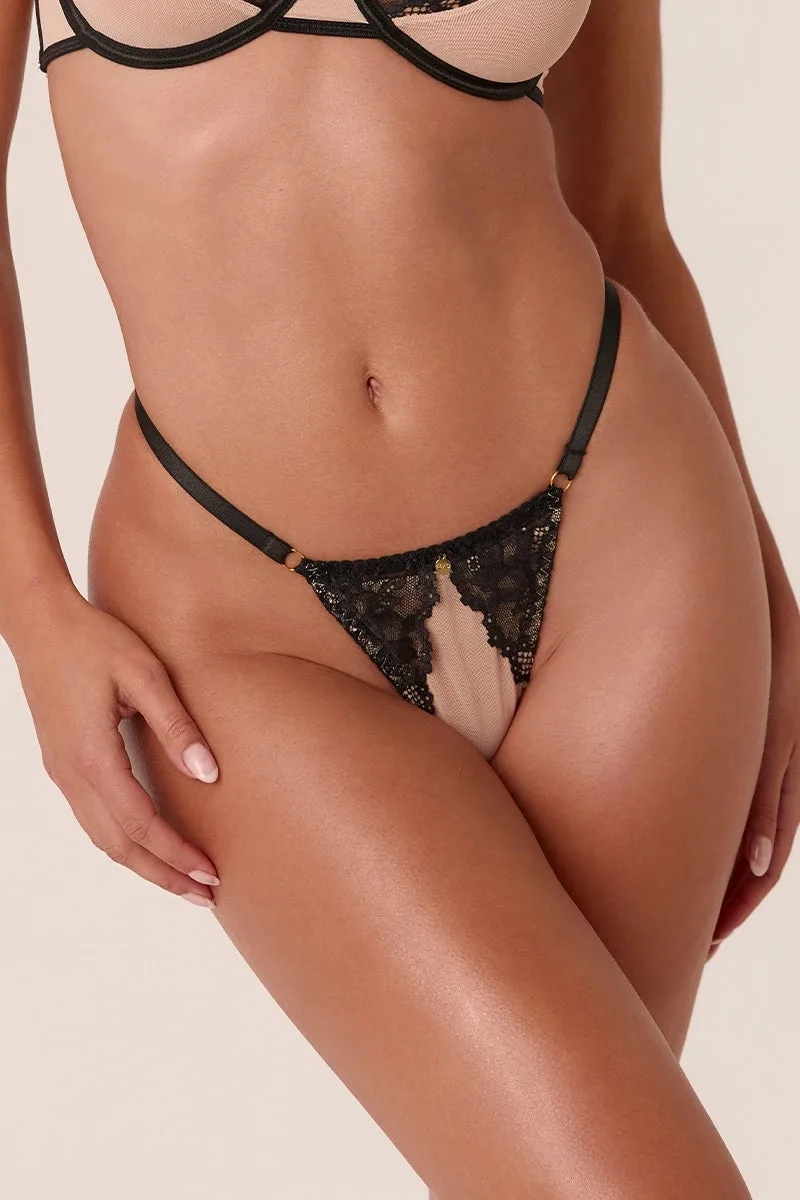
Check the size options before you commit. Some pieces, like the Pamela Panty - Black, list size as the only option, so you're choosing from standard sizing rather than adjusting the fit. Others, like the Hazel Garter - Black, use adjustable leg straps, which gives you more room to dial in comfort.
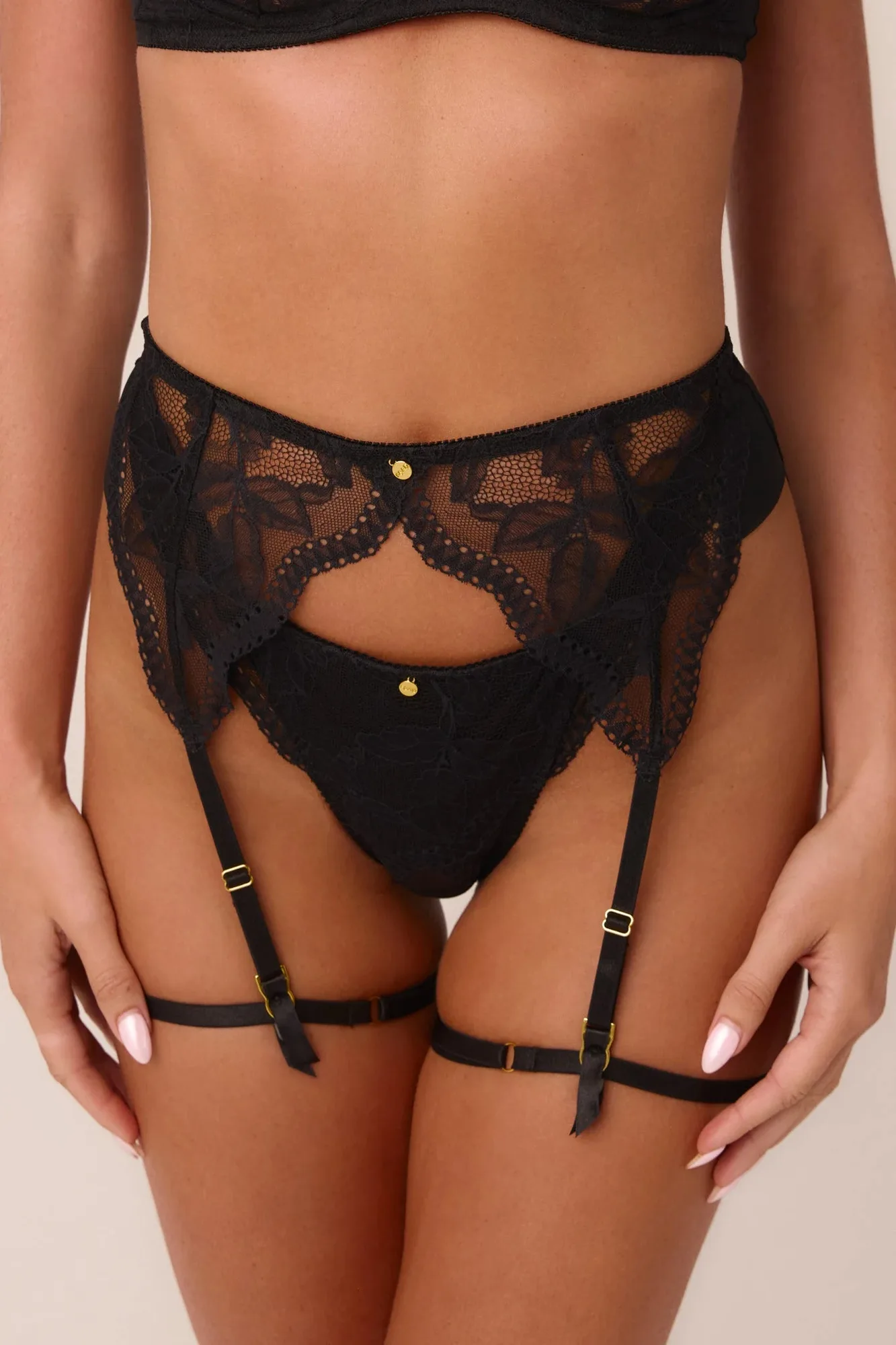
Hazel Garter - Black
- Hot weather: size for airflow, not compression.
- Cold weather: size closer to the body, then add a robe or blanket layer.
- Always check whether the product offers size options or adjustable hardware before buying.
How to Build a Two-Season Drawer Without Overbuying
You don't need a separate wardrobe for each season. Build around one breathable base layer you can wear alone in summer, then add warmth with pieces you already own — a robe, a cardigan, thicker socks. This keeps your drawer small and your spending lower.
Where it pays to buy specifically: a warm one-piece or nightie for genuinely cold rooms, and a lightweight set for genuinely hot ones. Everything in between can be handled by layering. If you're buying a gift and aren't sure of the recipient's bedroom temperature, breathable is the safer default.
- Buy one breathable base layer first; add warmth with what you own.
- Only buy season-specific pieces for rooms that stay consistently hot or cold.
- For gifts, choose breathable over heavy — it suits more sleepers.
Decision Rules for Seasonal Sleepwear
- If you wake up sweating: Switch to a single airflow layer — sheer mesh or stretch lace — and size for a relaxed fit rather than compression. Checkpoint: if you still overheat, your room temperature is the problem, not the fabric.
- If you wake up cold: Choose a piece with more coverage — long sleeves, longer hem — and add a robe or blanket layer before buying a heavier set. Checkpoint: layering is cheaper and more adjustable than replacing your sleepwear.
- If your room swings overnight: Buy breathable and adjustable. Look for size options and adjustable straps or side ties so one piece handles both ends of the range. Checkpoint: adjustable hardware beats a fixed fit when conditions change.
- If you're buying as a gift: Choose breathable over heavy and confirm the size options listed on the product before ordering. Checkpoint: add gift wrapping and a handwritten note if you're unsure of fit.
Catalog Pieces That Fit These Rules
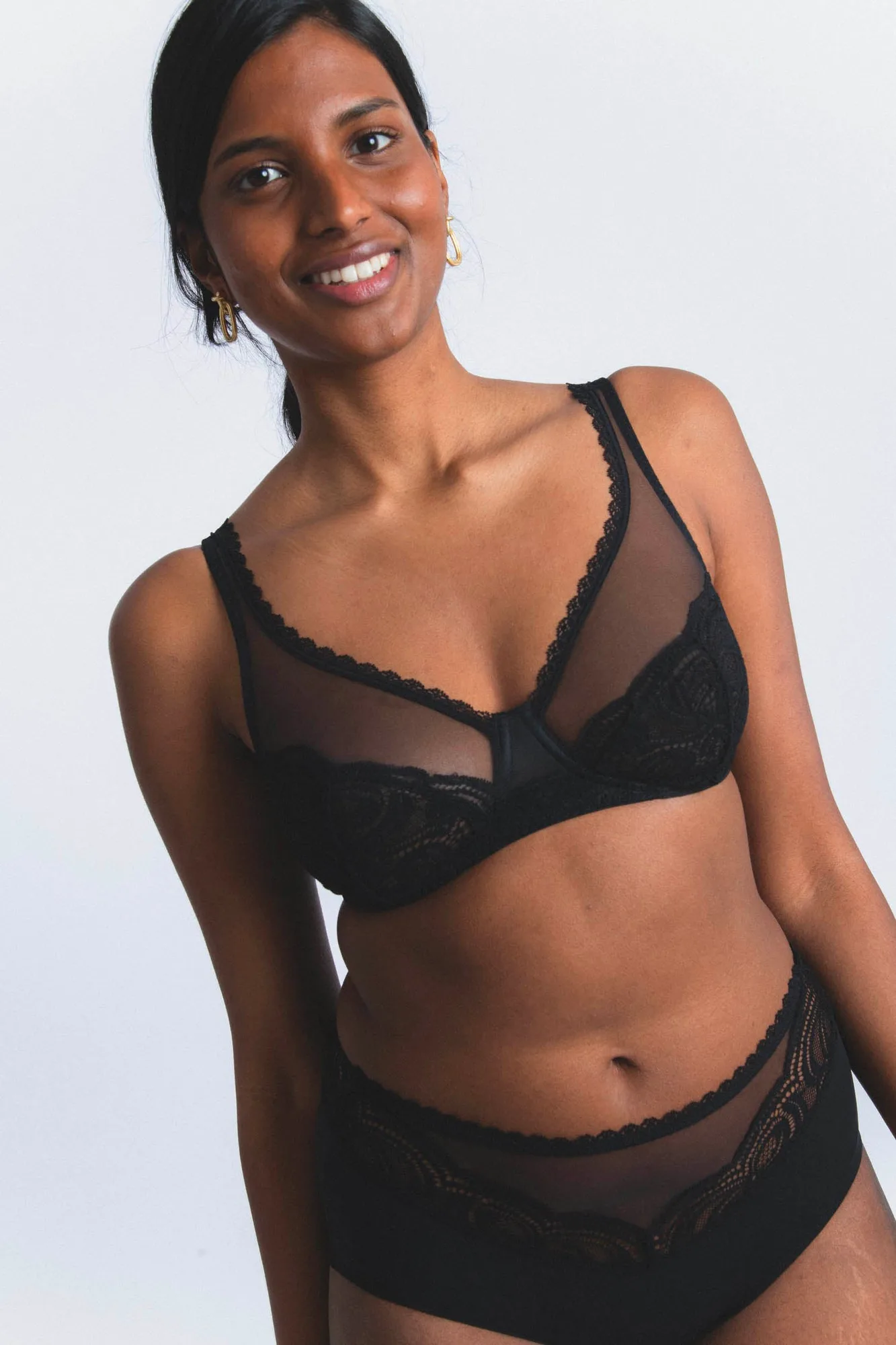
- Pamela Panty - Black: Sheer illusion mesh with stretch lace and adjustable side straps, in a thong cut, available in size options. The mesh and lace construction is airflow-friendly, making it a sensible base layer for hot rooms, and the adjustable side straps let you loosen the fit instead of sizing up.
- Hazel Garter - Black: Made with stretch lace and adjustable leg straps, with thigh straps included. Adjustable leg straps mean you can tighten or loosen to suit the layer underneath, which is useful when you're changing how much you wear as the temperature shifts.
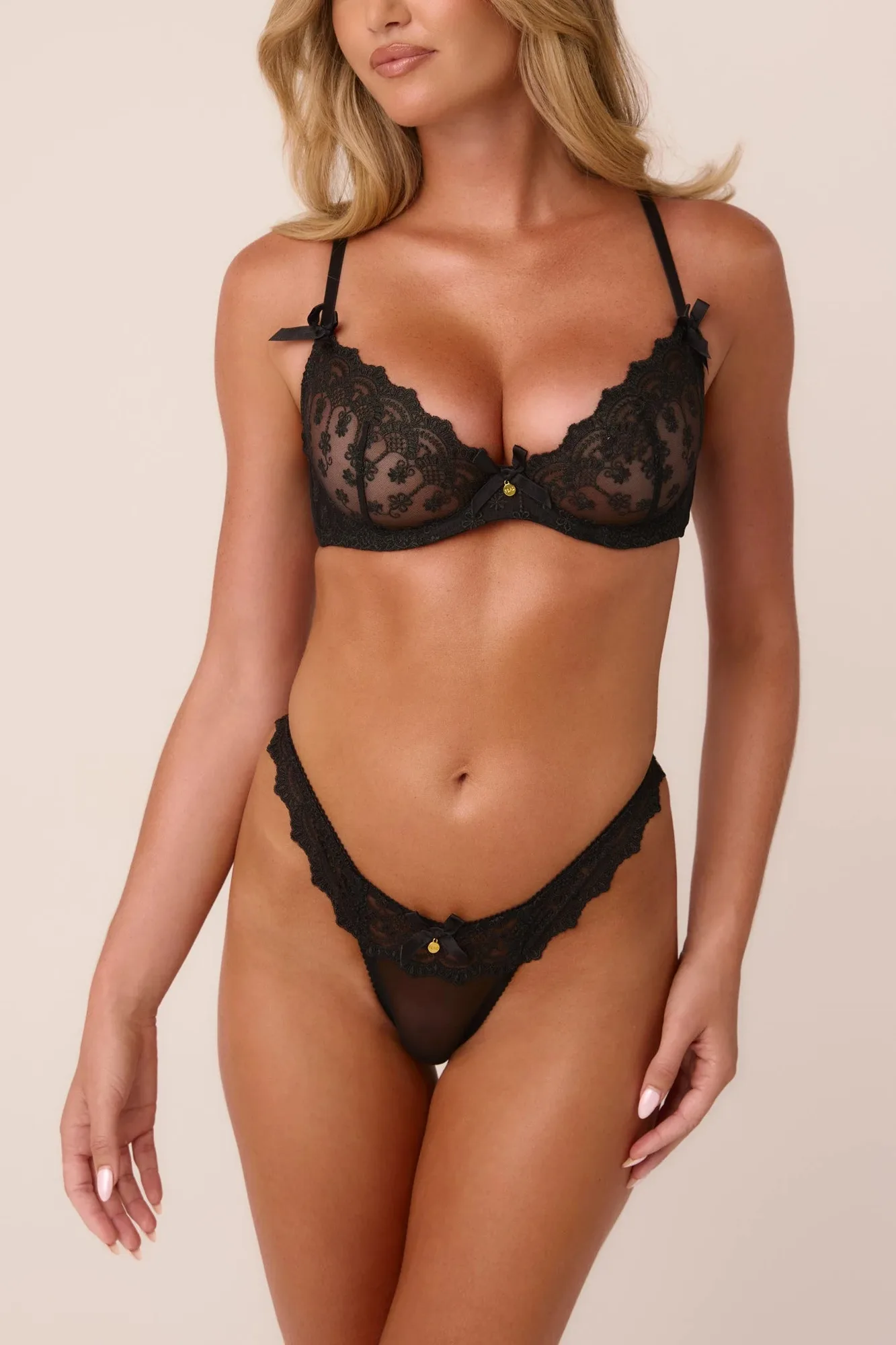
- Riley Set Black: Low-cut underwired demi-bra in flower embroidery lace with gold hardware, adjustable back and shoulder straps, and a matching thong and garter. A matching set gives you a coordinated base layer for warmer nights, and the adjustable straps help you tune the fit rather than compromising on comfort.
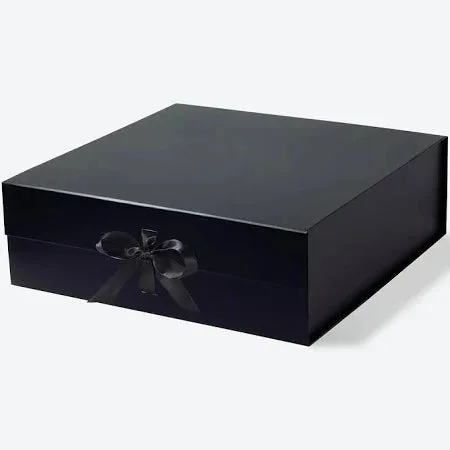
- Gift Wrapping: Wrapped in tissue and packaged in a magnetic box, with an optional handwritten message added via checkout notes or email within an hour of ordering. If you're buying sleepwear as a gift and aren't certain of the recipient's size or temperature preference, presentation plus a handwritten note lets you give something personal without guessing wrong on fit.
Who This Approach Is For
Best for
- Shoppers who sleep in rooms that change temperature overnight
- Anyone building a small sleepwear drawer instead of two seasonal wardrobes
- Gift buyers who don't know the recipient's exact size or temperature preference
Not for
- Shoppers who want one heavy, season-specific set and never plan to layer
- Anyone shopping for compression or shapewear rather than sleepwear
Pick your base layer by airflow, adjust the fit with straps and sizing, and add warmth with layers you already own. That approach handles hot and cold weather without doubling your drawer — and if you're buying for someone else, breathable plus a handwritten note is the safest combination.