Quick answer
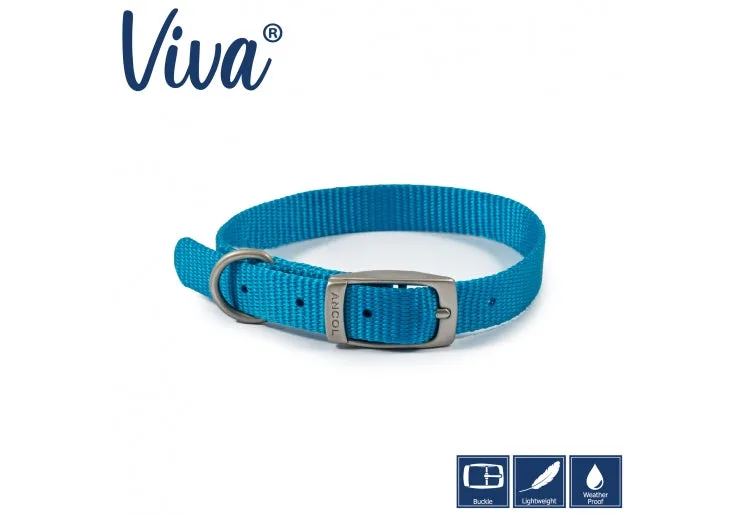
Buy a lightweight, two-ply webbing collar that fits your puppy's neck now with at least two fingers of adjustment room left, then plan to recheck fit every two to three weeks. For most small breeds, a thin-profile adjustable collar with a loop attachment gives you the best balance of comfort and room to grow.
Why weight and width matter more than color
A puppy's neck is small and still developing, so a thick or heavy collar can sit awkwardly and distract a young dog during everyday wear. Thin, lightweight webbing reduces bulk without giving up durability, which is why two-ply Mil-Spec webbing is a practical choice for small necks.
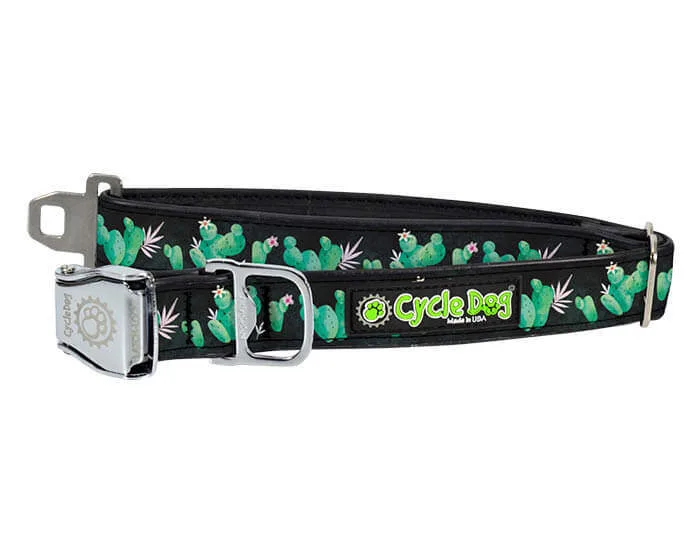
Color is the fun part, but it should be the last decision. Choose the construction and fit first, then pick a color that helps you spot the collar quickly in the house or yard.
Adjustability is the real growth feature
Puppies can add neck circumference quickly, and a collar that fits perfectly today may be tight within weeks. Look for a collar with an adjustable range that covers your puppy's current measurement plus a comfortable margin, rather than one that only just closes.
A loop attachment (Velcro) is useful for personalization, but it does not replace a proper fit check. Treat any add-on as secondary to the buckle and adjustment range.
When a puppy collar is the wrong choice
If your puppy is already near adult size or has a thick neck for its breed, a dedicated small-dog collar may not offer enough range. In that case, measure again and choose a collar built for the next size up rather than forcing a tight fit.
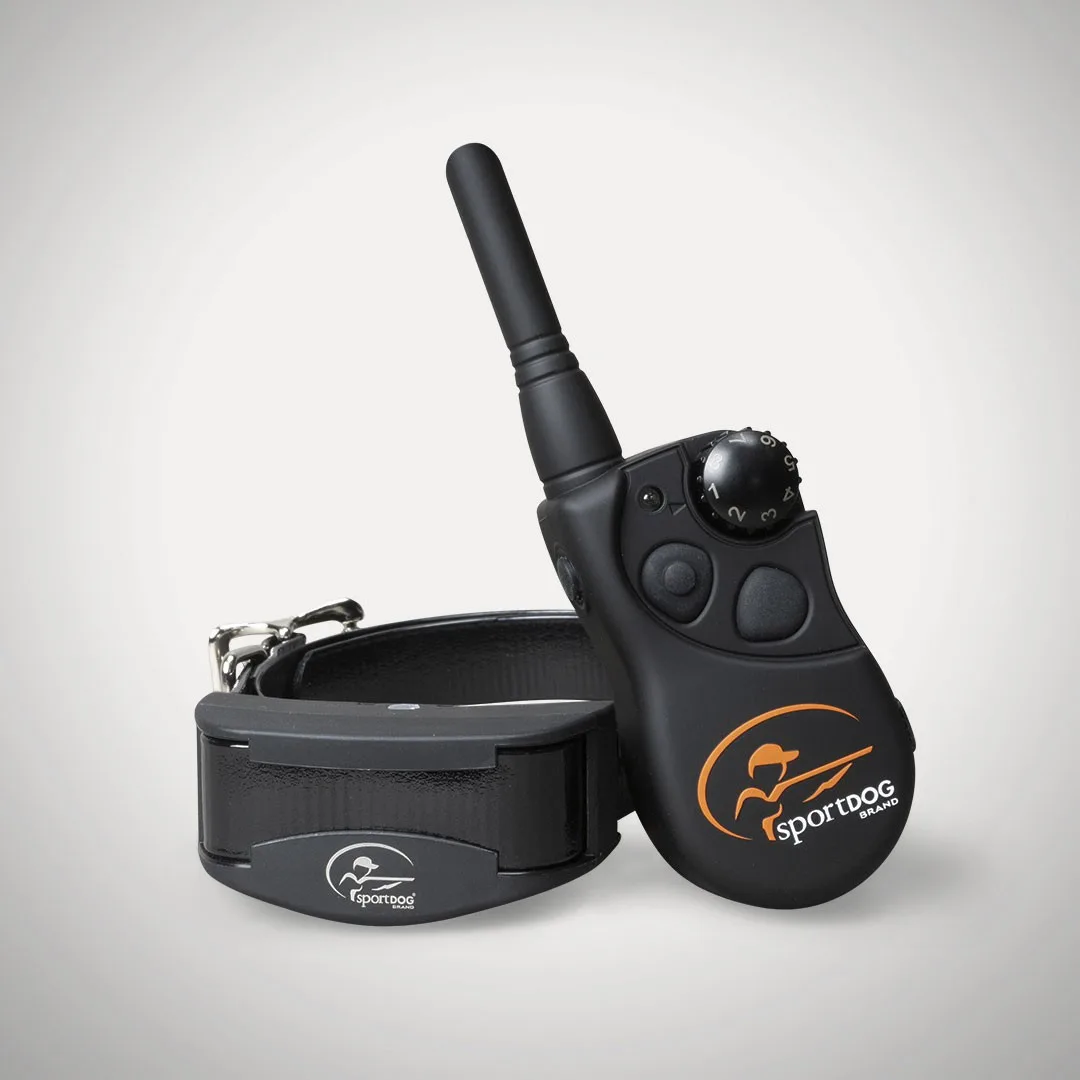
If you need a collar for training that involves leash pressure, check with your trainer first. A lightweight everyday collar is not automatically a training collar.
Decision rules for a growing puppy
- Measure the neck, not the old collar: Use a soft tape or string to measure the widest part of the neck where the collar will sit. Add about two fingers of room for comfort, then compare that number to the collar's adjustable range. Write the measurement and date on your calendar so you can compare at the next check.
- Choose lightweight over heavy hardware: For a small puppy, favor a collar with a thin webbing profile and minimal bulk. Heavy buckles or thick padding can overwhelm a small neck and make fit harder to judge.
- Recheck fit every two to three weeks: Slide two fingers under the collar. If you can fit more than two easily, tighten one notch; if you cannot fit two, loosen or size up. Puppies grow in spurts, so a monthly check catches changes early. If the collar is already on its loosest setting and still tight, move to the next size.
- Plan the upgrade before you need it: A puppy collar is a temporary fit. When your dog reaches adult size, switch to a collar sized for its adult neck rather than continuing to stretch a puppy collar.
Product facts
-
Puppy Collar (Small Dog): The updated Puppy Collar (Small Dog) uses two plies of Mil-Spec webbing for a thinner profile and includes a standard loop (Velcro) attachment for personalization. The thin profile suits small necks, while the loop gives you a place to add identification without adding bulk.
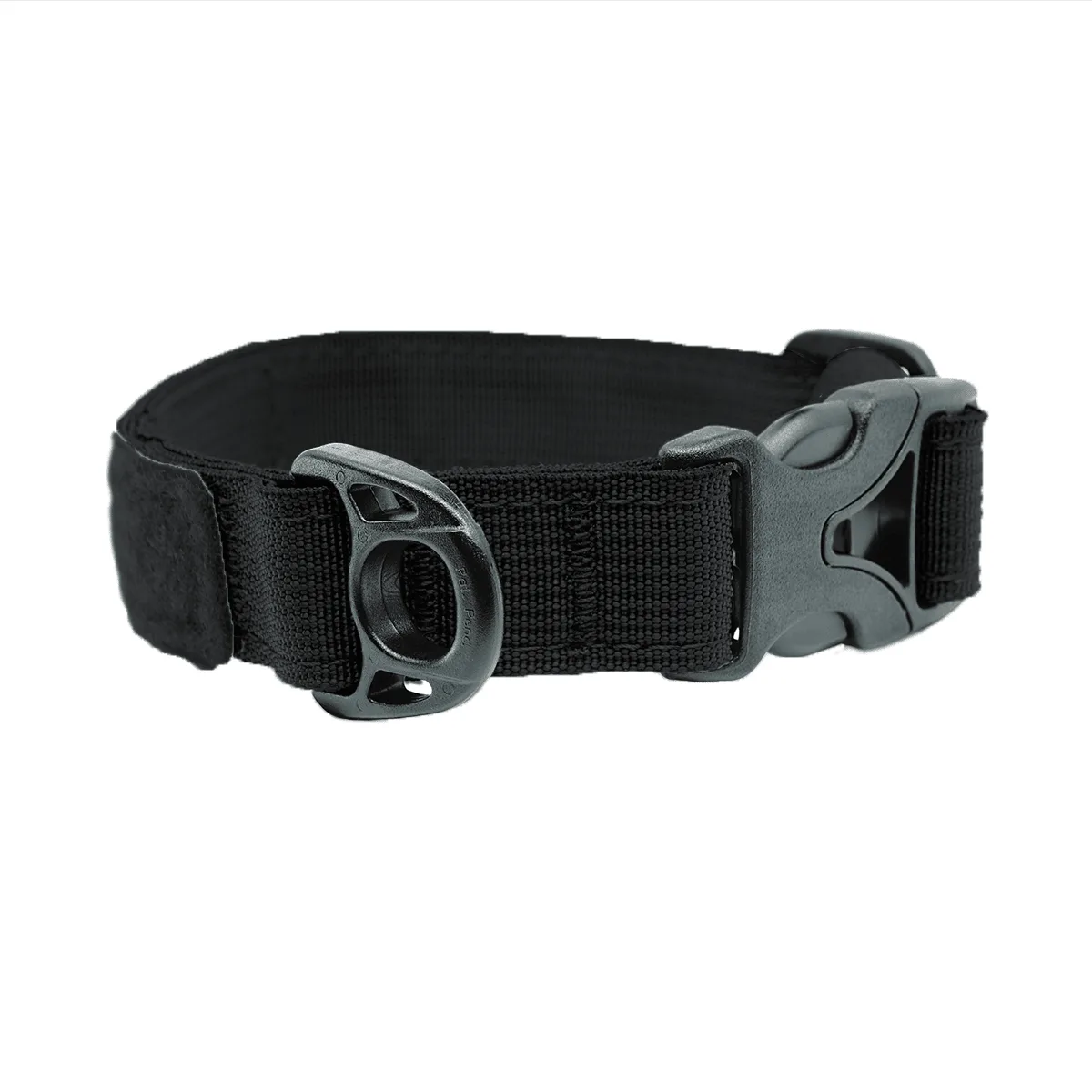
Puppy Collar (Small Dog)
Who this collar suits
Best for
- Small-breed puppies that are still growing and need frequent fit adjustments
- Owners who want a lightweight everyday collar with a loop for personalization
Not for
- Adult dogs that have outgrown the small-dog adjustment range
- Dogs that need a heavy-duty training collar for leash pressure work